Back to top
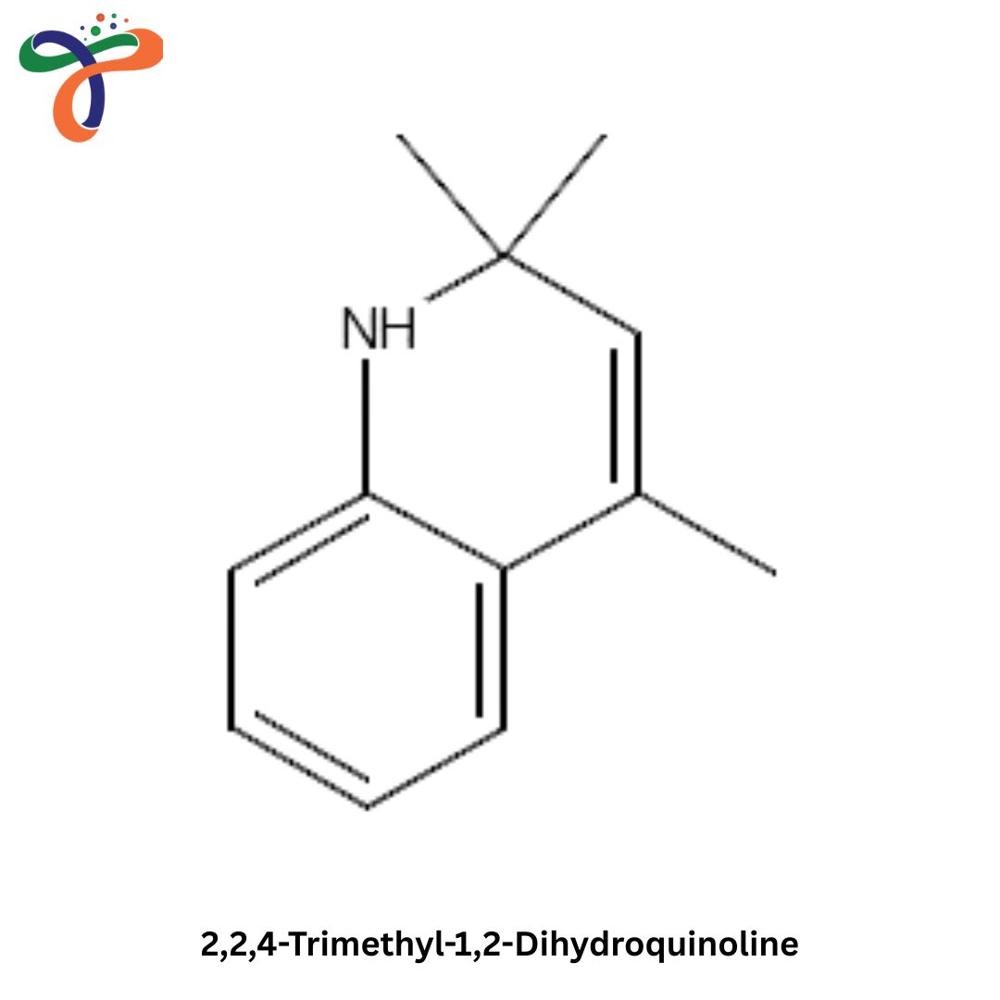
2,2,4-Trimethyl-1,2-Dihydroquinoline (147-47-7) (C12H15N)

2,2,4-Trimethyl-1,2-Dihydroquinoline (147-47-7) (C12H15N)

Price 175.0 INR/ Kilograms

MOQ : 25 Kilograms

2,2,4-Trimethyl-1,2-Dihydroquinoline (147-47-7) (C12H15N) Specification

  • Surface Finish
  • Granular or pastille form
  • Ash %
  • 0.10%
  • Temperature Resistance
  • Up to 120C
  • Color
  • Light brown to brown
  • Usage & Applications
  • Antioxidant for rubber, chemical intermediate
  • Material
  • 2,2,4-Trimethyl-1,2-Dihydroquinoline
  • Nitrogen Content (%)
  • 9.6-10.2%
  • Natural Rubber
  • Commonly used in natural rubber compounding
  • Components
  • Mainly monomer and dimer
  • Feature
  • High antioxidant activity, improves rubber aging resistance
  • Product Type
  • Organic compound, Antioxidant
  • Resistance level
  • Good heat, oxidation, and flex cracking resistance
  • Volatile Matter (%)
  • 1.0%
  • Rubber Type
  • Compatible with Natural and Synthetic rubbers
  • Density
  • 1.02 Gram per cubic centimeter(g/cm3)
  • Water Absorption
  • Insoluble in water
  • Molecular Weight
  • 173.25 g/mol
  • Purity
  • 92% (dimer + monomer)
  • Solubility
  • Soluble in acetone, benzene, and chloroform
  • Odor
  • Characteristic amine-like odor
  • Melting Point
  • 32-45C
  • Chemical Name
  • 2,2,4-Trimethyl-1,2-dihydroquinoline
  • Storage Conditions
  • Store in cool, ventilated area away from heat and light
  • Boiling Point
  • 322C (decomposition)
  • Hazard Class
  • Not classified as hazardous under normal conditions
  • CAS Number
  • 147-47-7
  • Molecular Formula
  • C12H15N


About 2,2,4-Trimethyl-1,2-Dihydroquinoline (147-47-7) (C12H15N)

We are Supplier, Exporter and Contract Manufacturer.
Technical profile of 2,2,4-Trimethyl-1,2-Dihydroquinoline, a high-purity raw chemical material supplied by Triveni Chemicals for industrial manufacturing and laboratory synthesis.

Discover Exclusive performance with 2,2,4-Trimethyl-1,2-Dihydroquinoline (CAS: 147-47-7), a celebrated antioxidant ace pivotal for rubber compounding. This sizzling product, with molecular formula C12H15N and weight 173.25 g/mol, ensures high antioxidant activity-improving heat, oxidation, and flex cracking resistance in both natural and synthetic rubbers. Featuring a characteristic amine odor, light brown color, and 92% purity, it excels in flexibility and longevity under rigorous conditions. Try Now and unlock superior durability with this premium-grade chemical, prized by manufacturers and suppliers across India.

Versatile Application and Distinct Features

2,2,4-Trimethyl-1,2-Dihydroquinoline shines in natural and synthetic rubber compounding, making it pivotal for industrial and automotive components. Its granular or pastille form ensures easy integration during manufacturing. Sizzling heat and oxidation resistance, paired with limited water absorption and compatibility across rubber types, make it ideal for tires, hoses, belts, and other demanding rubber products. Its site of application extends to industries seeking high performance and durability in their final goods.


Sample Details and Export Insights

We offer samples of 2,2,4-Trimethyl-1,2-Dihydroquinoline for evaluation-reach out for your Quotation today! FOB port options from India provide reliable export pathways. Main export markets include Asia, Europe, and North America. Sample outlay applies with transparent Charge structures. Our focus on facilitating global access ensures you experience a streamlined order process, whether for laboratory testing or scaling up your production needs.


FAQ's of 2,2,4-Trimethyl-1,2-Dihydroquinoline (147-47-7) (C12H15N):


Q: How should 2,2,4-Trimethyl-1,2-Dihydroquinoline be stored for optimal performance?

A: Store the compound in a cool, ventilated area, away from direct heat and light, to maintain its high antioxidant activity and stability.

Q: What are the primary benefits of using this product in rubber manufacturing?

A: It improves rubber's resistance to heat, oxidation, and flex cracking, significantly enhancing aging resistance and extending the lifespan of the final rubber products.

Q: Where is the main application site for 2,2,4-Trimethyl-1,2-Dihydroquinoline?

A: The compound is primarily used in natural and synthetic rubber compounding, making it suitable for automotive, industrial, and manufacturing sectors requiring durable rubber goods.

Q: What is the typical process for ordering and receiving a sample?

A: Contact the manufacturer or supplier for a quotation; a sample can be arranged with a nominal charge. FOB port facilities in India support efficient shipping to global destinations.

Q: When might a manufacturer choose this product over other antioxidants?

A: Manufacturers select this compound when they require robust heat, oxidation, and flex cracking resistance-ideal for demanding rubber applications and environments.

Tell us about your requirement
product

Price:

Quantity
Select Unit

  • 50
  • 100
  • 200
  • 250
  • 500
  • 1000+
Additional detail
Mobile number

Email

More Products in Plastic & Rubber Chemicals Category

Polyethylene (9002-88-4) ((C2H4)n)

Polyethylene (9002-88-4) ((C2H4)n)

Price 100.0 INR / Kilograms

Minimum Order Quantity : 25 kilograms

Color : Natural (translucent to white), available in custom colors

Usage & Applications : Packaging films, containers, pipes, geomembranes, household goods, automotive parts

Density : 0.97 Gram per cubic centimeter(g/cm3)

Resistance level : Excellent to moisture, chemicals, and impact

Antimony Trioxide (Sb2O3)

Antimony Trioxide (Sb2O3)

Price 3400.0 INR / Kilograms

Minimum Order Quantity : 25 Kilograms

Color : White

Usage & Applications : Used as a flame retardant synergist in plastics, rubber, textiles, adhesives and coatings; also used in ceramics, glass, pigments, and as a catalyst

Density : 5.7 Gram per cubic centimeter(g/cm3)

Resistance level : High flame resistance

Polypropylene Glycol (25322-69-4)

Polypropylene Glycol (25322-69-4)

Price 165.0 INR / Kilograms

Minimum Order Quantity : 25 Kilograms

Color : Colorless to pale yellow

Usage & Applications : Used as a base material in the manufacture of polyurethane foams, elastomers, and adhesives; also as a lubricant, surfactant, and in personal care products.

Density : 1.01 Gram per cubic centimeter(g/cm3)

Resistance level : Good resistance to water and many chemicals

Methacrylamide (79-39-0) (C4H7NO)

Methacrylamide (79-39-0) (C4H7NO)

Price 595.0 INR / Kilograms

Minimum Order Quantity : 25 Kilograms

Color : White to offwhite

Usage & Applications : Intermediate for organic synthesis, polymer industry, preparation of polymers and copolymers, production of hydrogels, chemical research

Density : 1.13 Gram per cubic centimeter(g/cm3)

Resistance level : Chemical resistance to acids and bases