

Call us now
08045816834
Call us now
08045816834


Price:

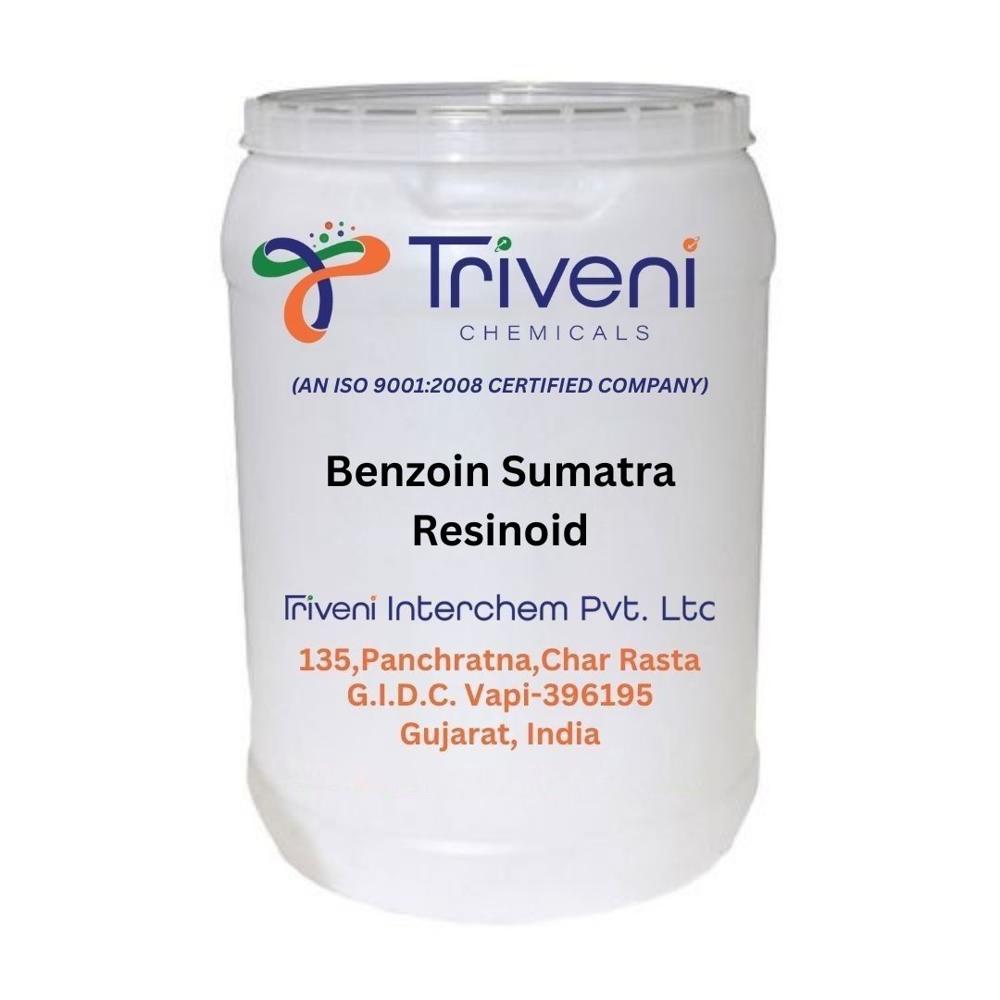
Price 500.0 INR / Kilograms
Minimum Order Quantity : 25 Kilograms
Properties : Balsamic, sweet, vanillalike odor, viscous resin, fixes aroma in formulations, excellent solvent compatibility
CAS No : 9000720
Usage : Used as fixative and aromatic ingredient in perfumes and incense
Application : Other , Perfumery, incense, flavor, cosmetics, pharmaceuticals
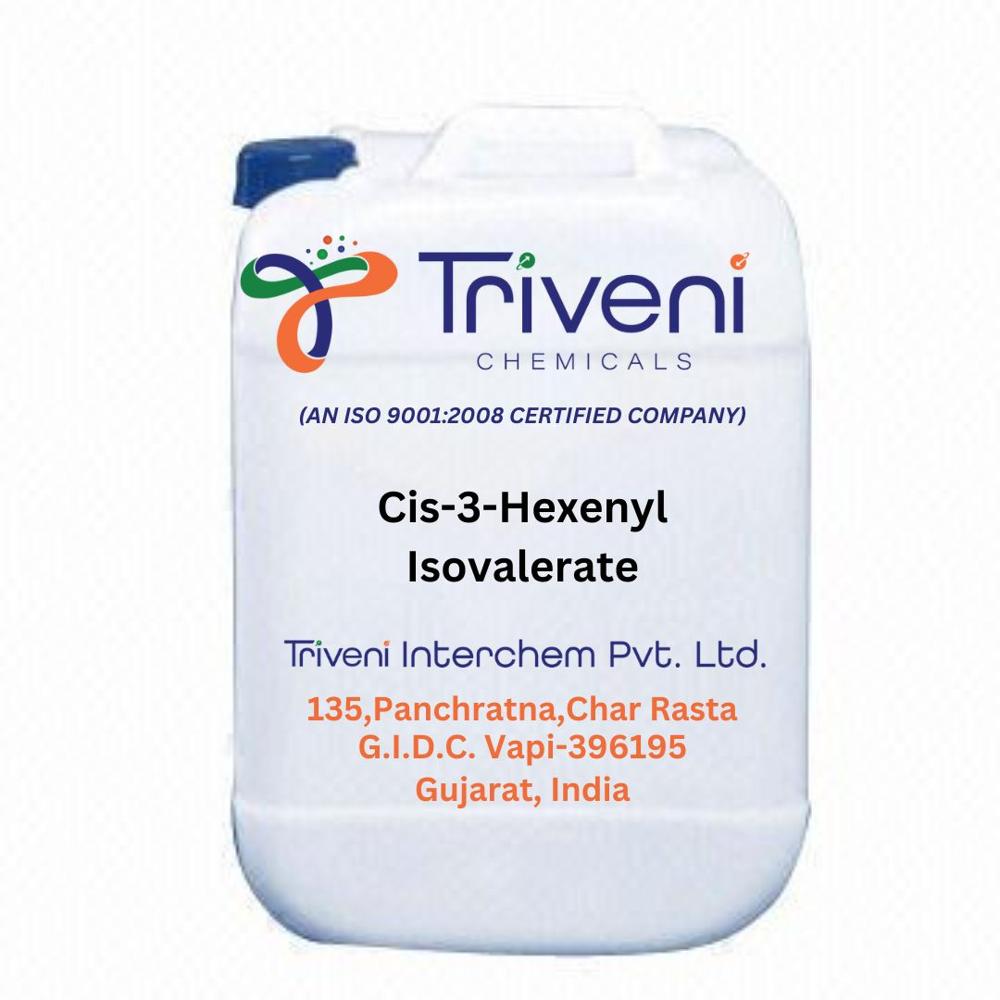
Price 14500.0 INR / Kilograms
Minimum Order Quantity : 25 Kilograms
Properties : Green fruity odour, natural flavoring compound
CAS No : 35154451
Usage : Fruity, apple, pear, tropical, with fresh green nuances
Application : Other
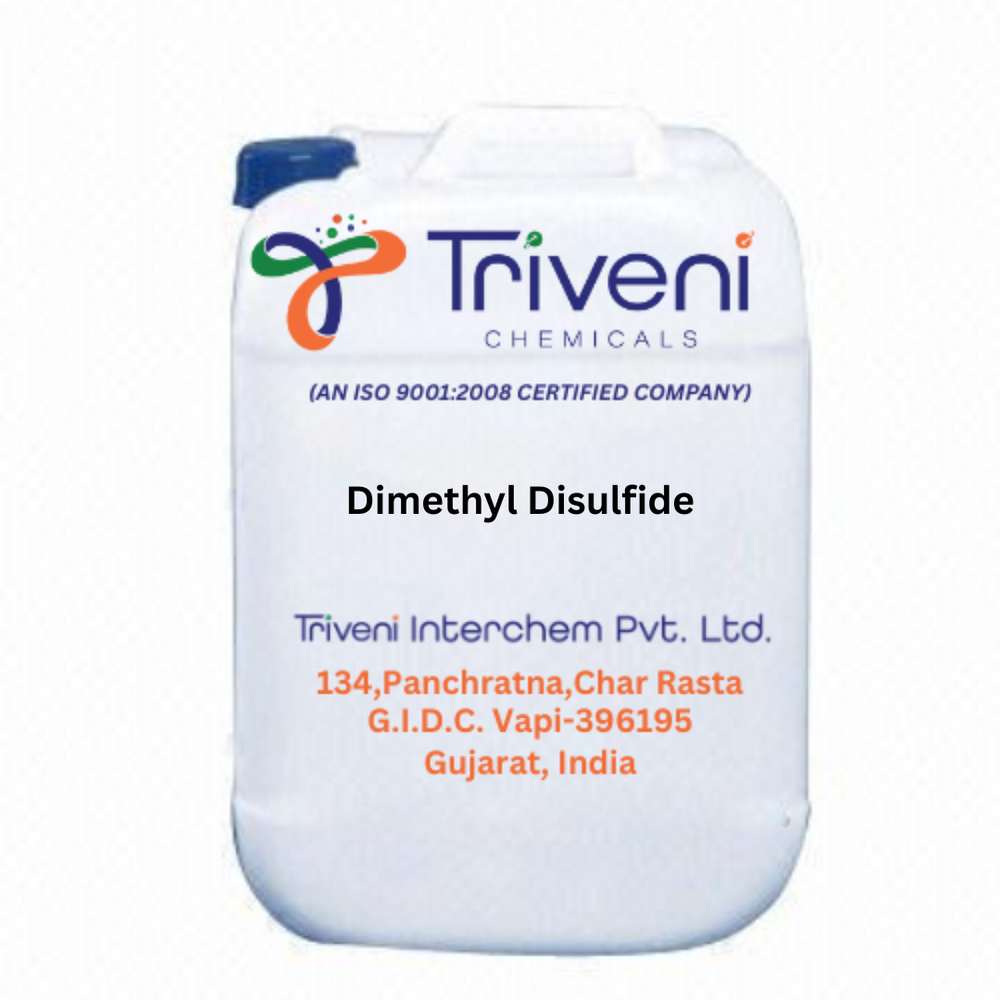
Price 528.0 INR / Kilograms
Minimum Order Quantity : 25 Kilograms
Properties : Dimethyl Disulfide (DMDS) is a colorless to pale yellow liquid with a strong, garliclike odor. It is highly soluble in organic solvents and slightly soluble in water.
CAS No : 624920
Usage : Used in flavorings, fragrances, and as a chemical intermediate, it also serves in agriculture as a soil fumigant and in industrial chemical synthesis.
Application : Other
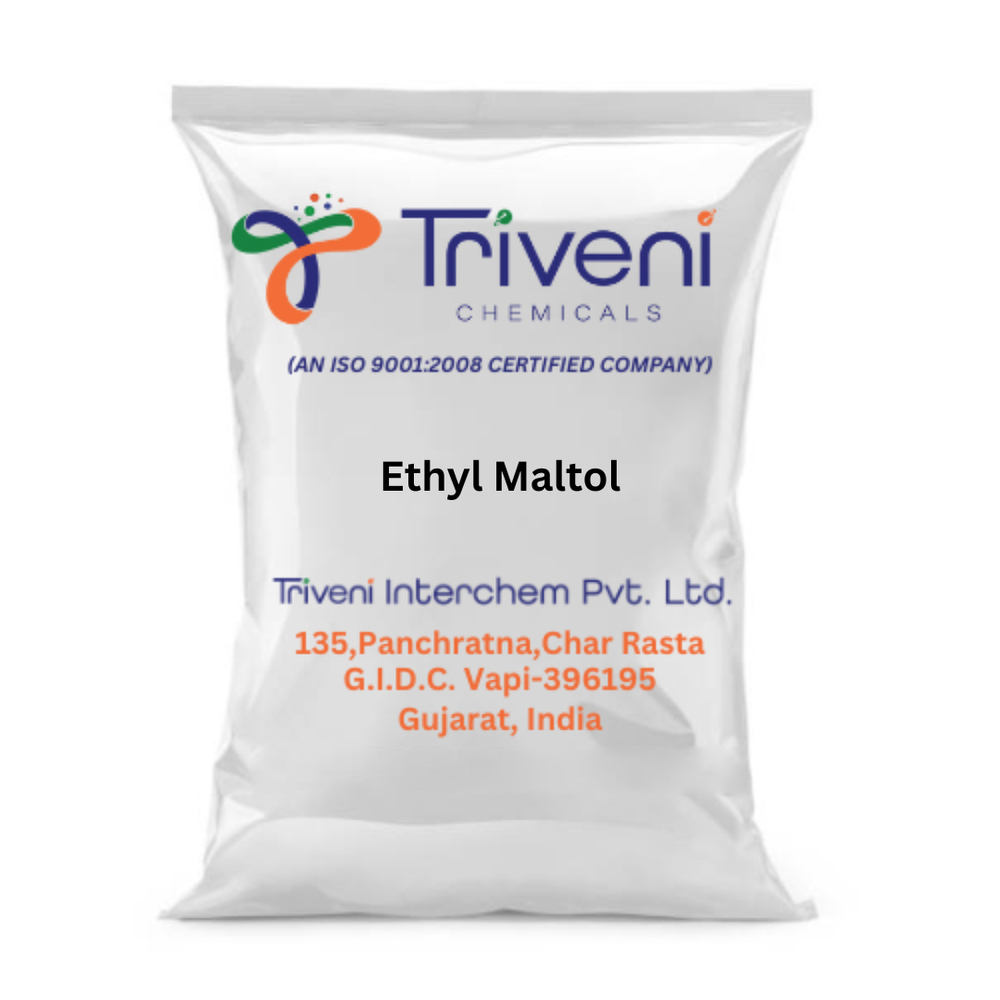
Price 1272.0 INR / Kilograms
Minimum Order Quantity : 25 Kilograms
Properties : Ethyl Maltol Is A White To OffWhite Crystalline Powder With A Sweet, CaramelLike, And Fruity Aroma And The Chemical Formula C H O . It Is Slightly Soluble In Water But Readily Soluble In Organic Solvents. Ethyl Maltol Is Widely Used As A Flavor Enhancer In Foods, Beverages, Confectionery, And Baked Goods To Impart A Sweet, Caramelized Note.
CAS No : 4940118
Usage : Flavoring agent (sweet, caramel, cotton candy notes), fragrance ingredient, food additive, stabilizer in formulations
Application : Other

Thank You!
Thank You for your valuable time. We have received your details and will get back to you shortly.


For an immediate response, please call this
number 08045816834
Price:

 Send Inquiry
 Send Inquiry
 Send Inquiry
 English
 Spanish
 French
 German
 Italian
 Chinese (Simplified)
 Japanese
 Korean
 Arabic
 Portuguese