

Call us now
08045816834
Call us now
08045816834


Price:

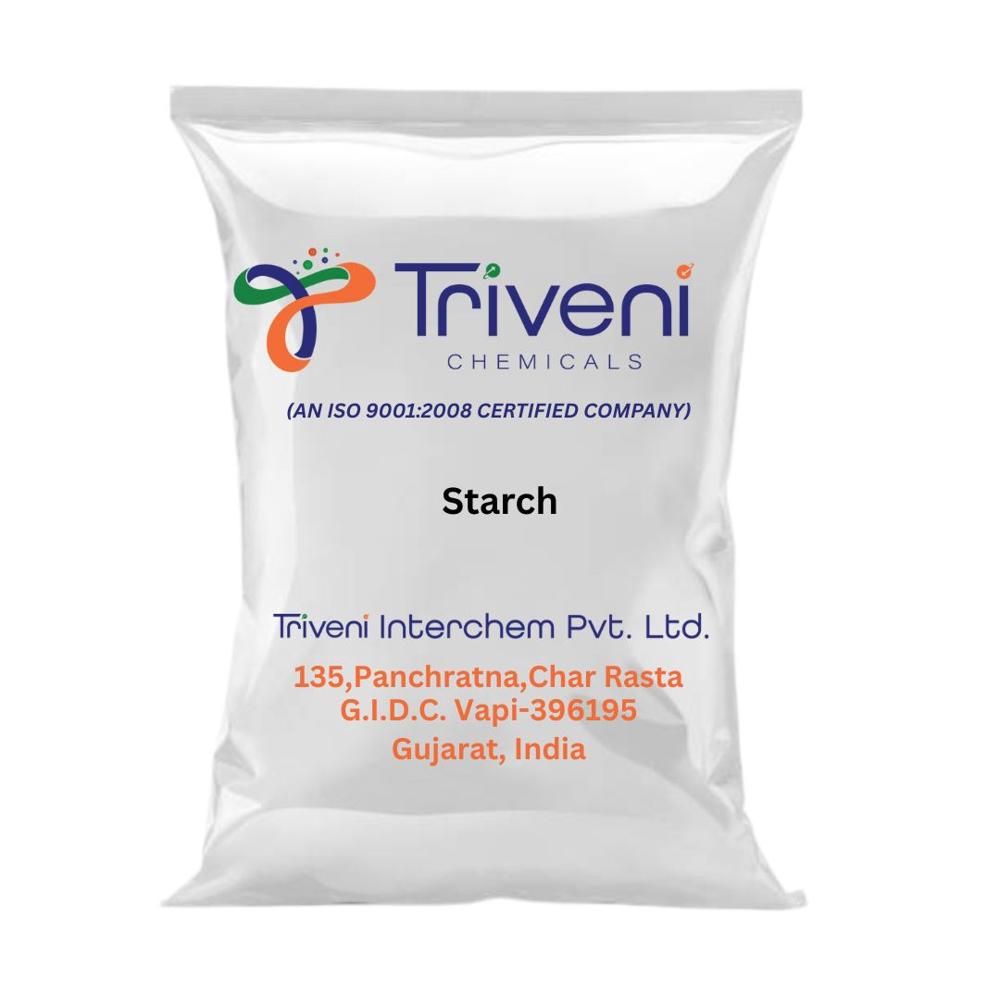
Price 44.0 INR / Kilograms
Minimum Order Quantity : 1 Kilograms
Properties : Odorless, tasteless, granular solid; insoluble in cold water; white to offwhite color
Usage : Used as thickener, binder, stabilizer, sizing agent
Structural Formula : (C6H10O5)n
Molecular Weight : Variable (typically 162.14 g/mol per glucose unit)
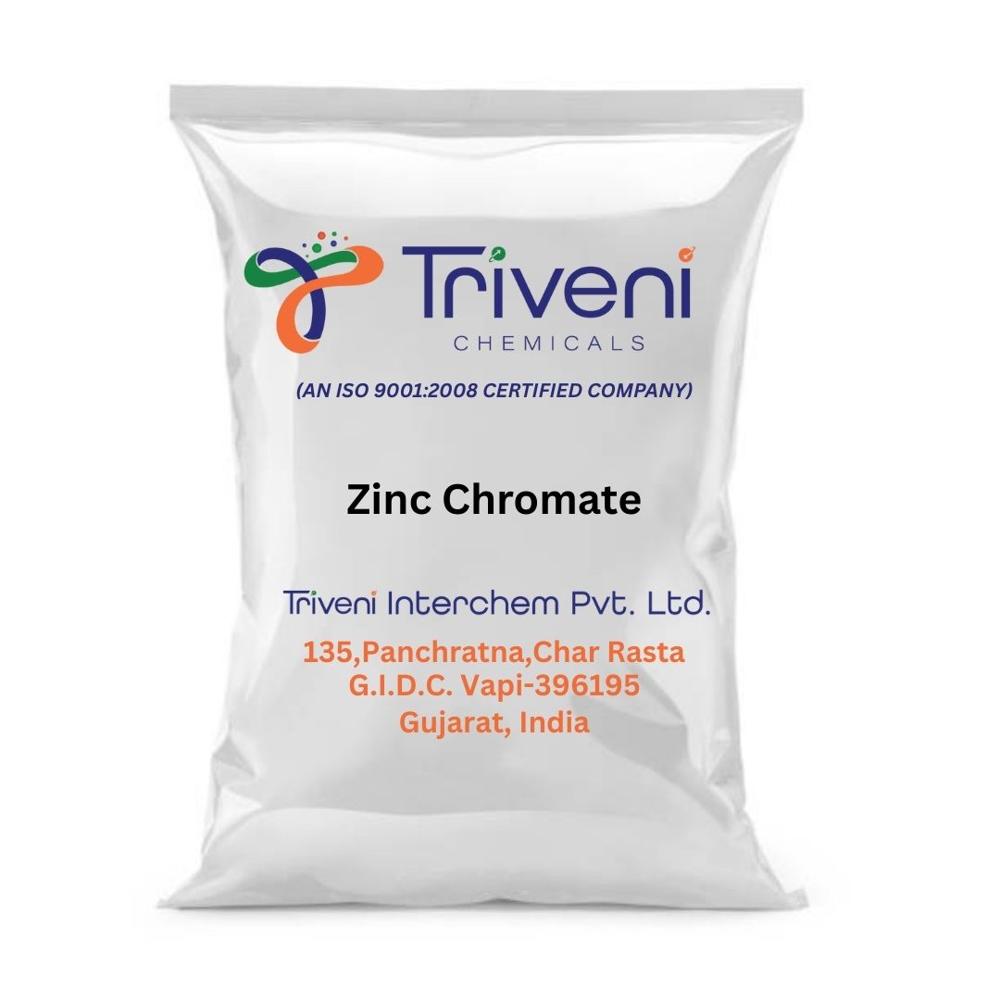
Price 240.0 INR / Kilograms
Minimum Order Quantity : 25 Kilograms
Properties : Zinc chromate is a yellow inorganic compound historically used as a highperformance corrosion inhibitor in industrial primers. Due to its passivating properties, it effectively protects aluminum and steel surfaces from oxidation in harsh environments, though its use is now strictly regulated due to the toxicity of hexavalent chromium.
Usage : Used as anticorrosive agent and pigment in paints
Structural Formula : ZnCrO4
Molecular Weight : 181.39 g/mol Grams (g)
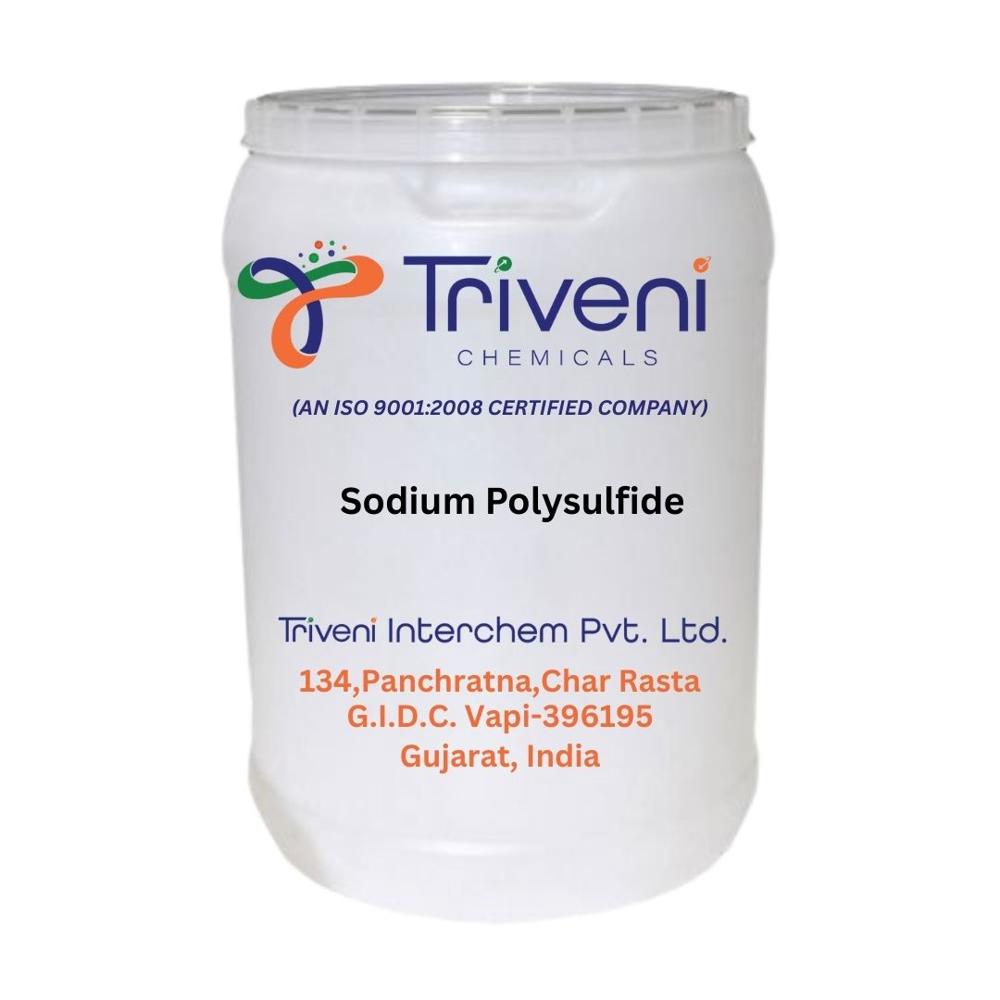
Price 52.0 INR / Kilograms
Minimum Order Quantity : 25 Kilograms
Properties : Sodium Polysulfide is a corrosive, alkaline compound with variable sulfur chain length. It is soluble in water, reacts with acids to release hydrogen sulfide, and decomposes upon heating. Stable in alkaline solutions, but moisture and air exposure accelerate decomposition. Requires strict handling protocols due to corrosive, irritant, and environmental hazards.
Usage : Dyeing, pulp and paper, textile finishing, sulfur vulcanization, and chemical manufacturing
Structural Formula : Na2S3
Molecular Weight : 174.24 g/mol Grams (g)
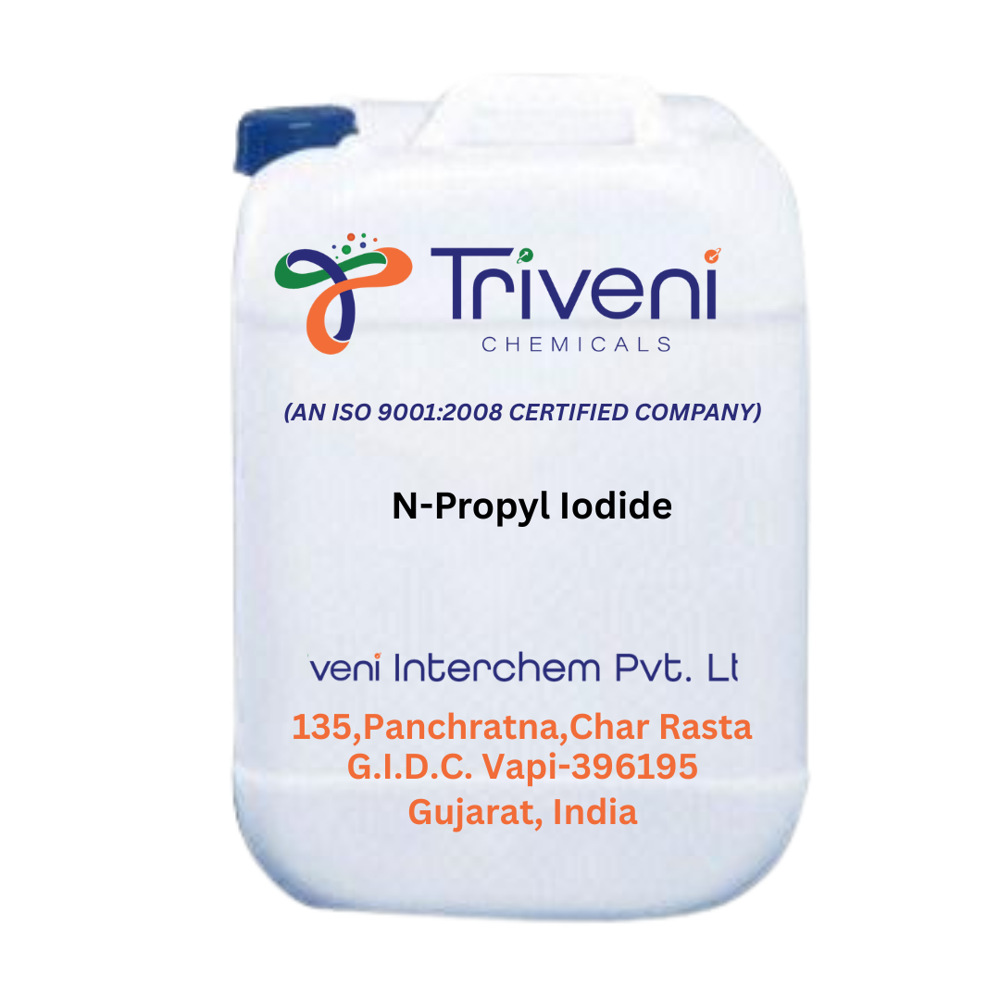
Price 12233.0 INR / Kilograms
Minimum Order Quantity : 25 Kilograms
Properties : N Propyl Iodide (C3H7I) is a volatile liquid with molecular weight 168.00 g/mol. It is flammable, slightly soluble in water, and highly soluble in organic solvents such as alcohols, ethers, and chloroform. Stable under ambient conditions but reactive in nucleophilic substitution reactions. Requires protective handling due to irritant and toxic properties.
Usage : Alkylating agent in organic synthesis; precursor for propyl derivatives; used in preparation of quaternary ammonium salts
Structural Formula : C3H7I
Molecular Weight : 169.993 g/mol Grams (g)

Thank You!
Thank You for your valuable time. We have received your details and will get back to you shortly.


For an immediate response, please call this
number 7486074255
Price:

 Send Inquiry
 Send Inquiry
 Send Inquiry
 Call Me Free
 English
 Spanish
 French
 German
 Italian
 Chinese (Simplified)
 Japanese
 Korean
 Arabic
 Portuguese