
Call us now
08045816834
Call us now
08045816834


Price:

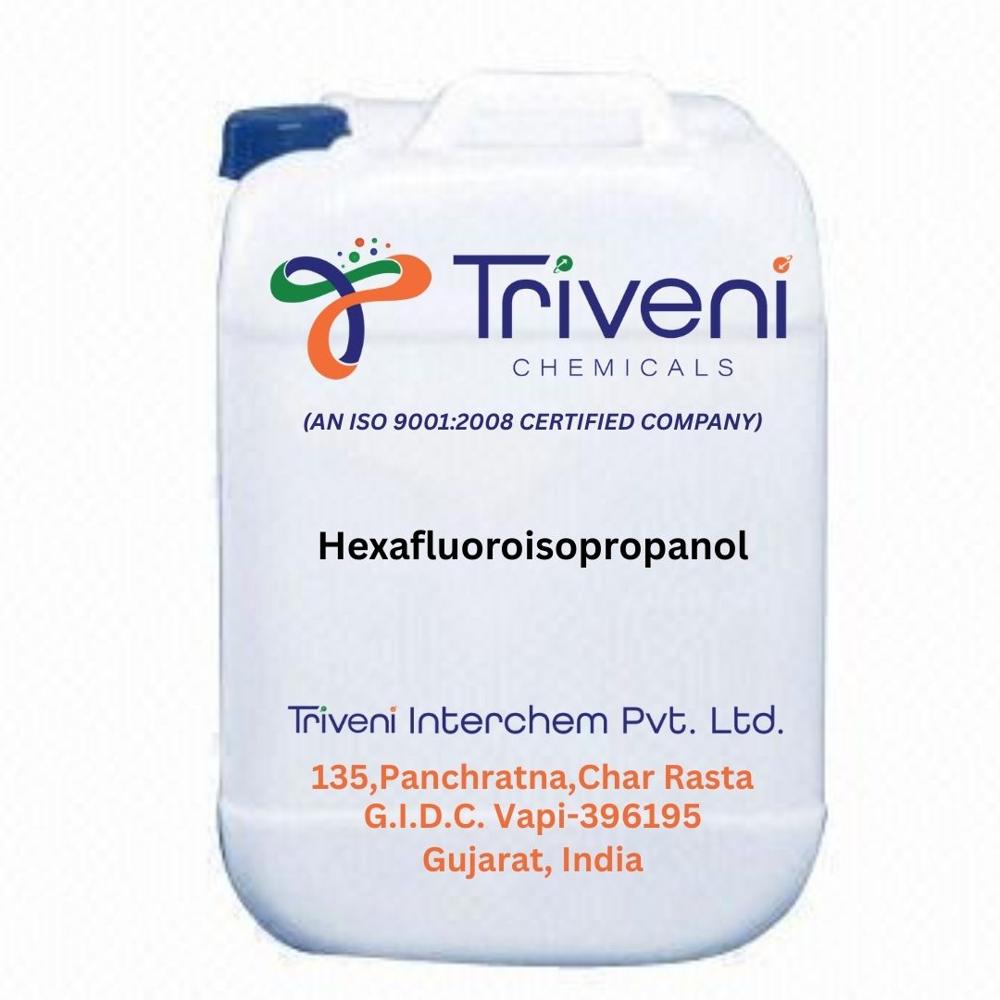
Price 5000.0 INR / Kilograms
Minimum Order Quantity : 25 Kilograms
Appearance : Colorless liquid
Physical Form : Liquid
Solubility : Fully miscible with water; soluble in most organic solvents
Usage : It is used in peptide synthesis, polymer chemistry, and analytical research due to its strong dissolving and stabilizing properties.
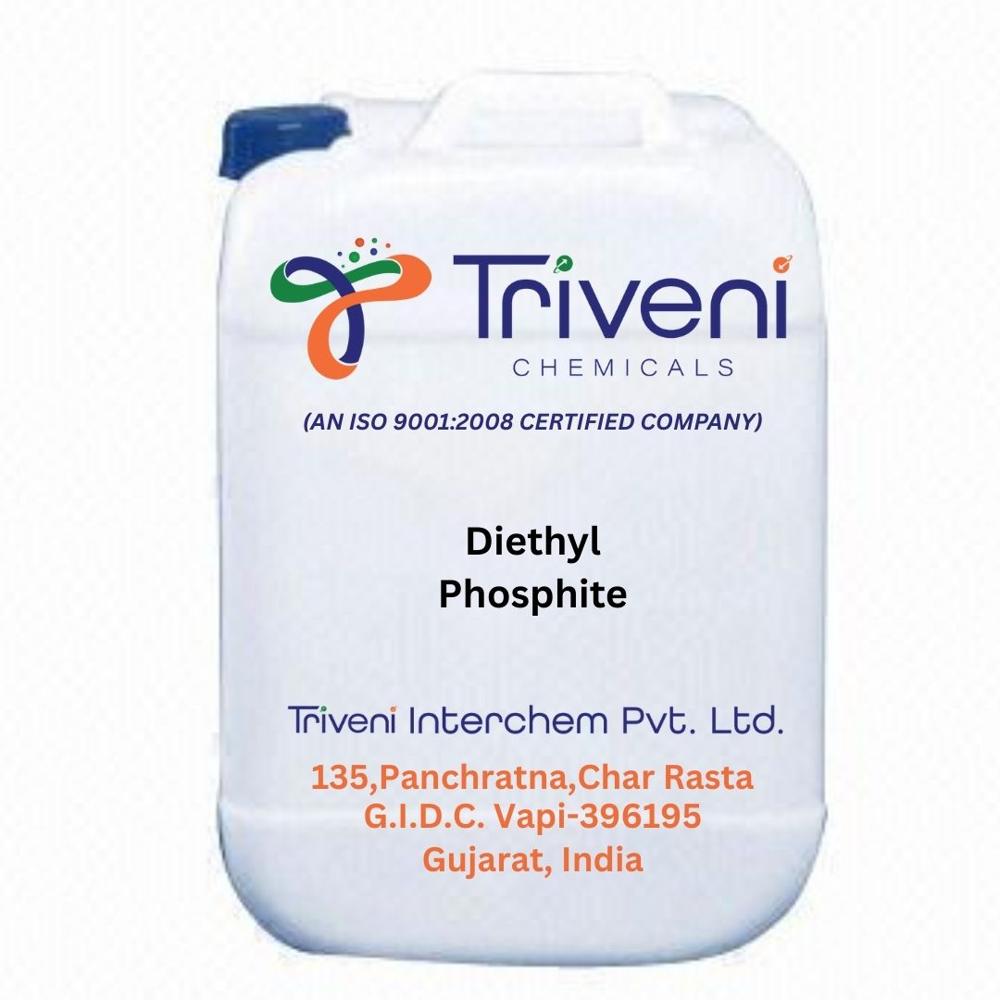
Price 2500.0 INR / Kilograms
Minimum Order Quantity : 25 Kilograms
Appearance : Colorless liquid
Physical Form : Liquid
Solubility : Slightly soluble in water; soluble in organic solvents
Usage : Intermediary in organophosphorus synthesis; used as a dialkyl phosphite in synthesis and as a precursor for flame retardants and phosphoruscontaining polymers
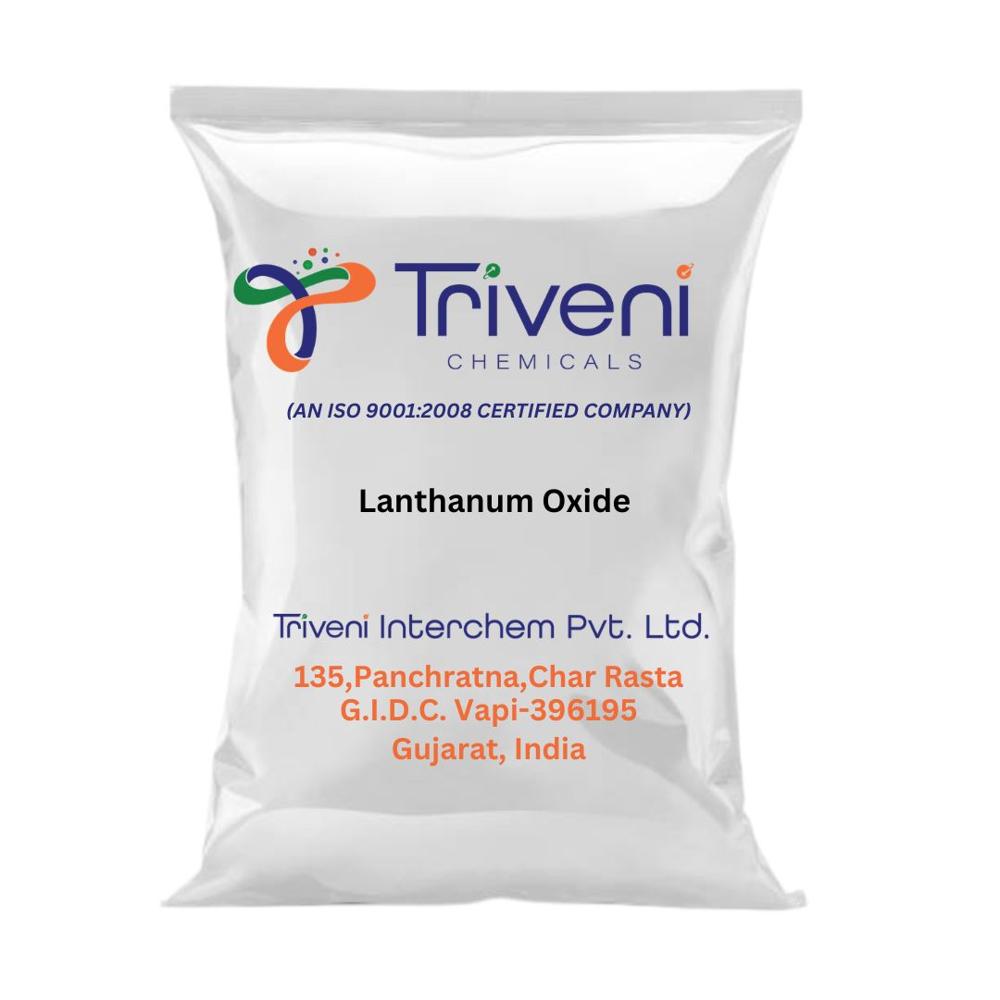
Price 550.0 INR / Kilograms
Minimum Order Quantity : 25 Kilograms
Appearance : White powder
Physical Form : Powder
Solubility : insoluble in water
Usage : Precursor for catalysts, ceramics, phosphors, glass and optical coatings; used in specialty ceramics and catalysts
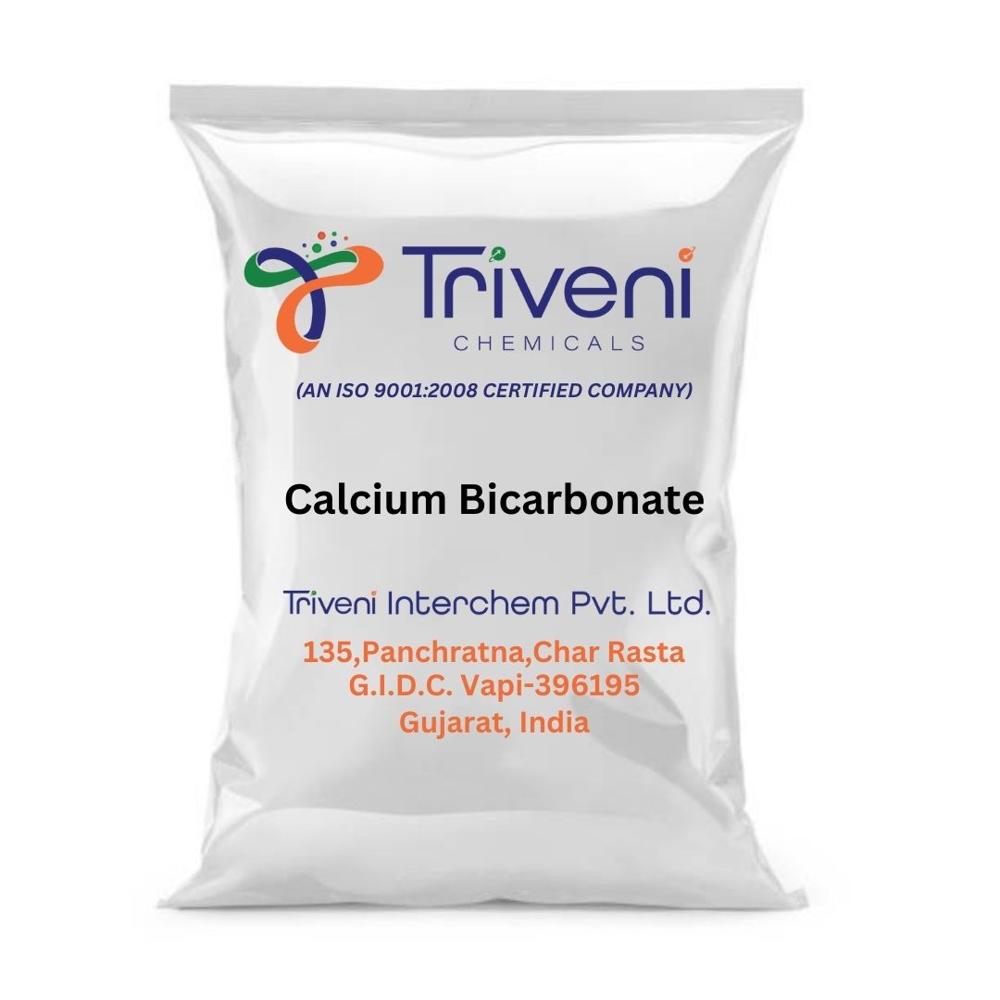
Price 125.0 INR / Kilograms
Minimum Order Quantity : 1 Kilograms
Appearance : Colorless to white powder
Physical Form : Powder
Solubility : Soluble in water; forms a clear solution; slightly soluble in ethanol
Usage : Source of calcium and bicarbonate; buffering agent in water treatment; plant nutrition

Thank You!
Thank You for your valuable time. We have received your details and will get back to you shortly.


For an immediate response, please call this
number 08045816834
Price:

 Send Inquiry
 Send Inquiry
 Send Inquiry
 English
 Spanish
 French
 German
 Italian
 Chinese (Simplified)
 Japanese
 Korean
 Arabic
 Portuguese