Back to top
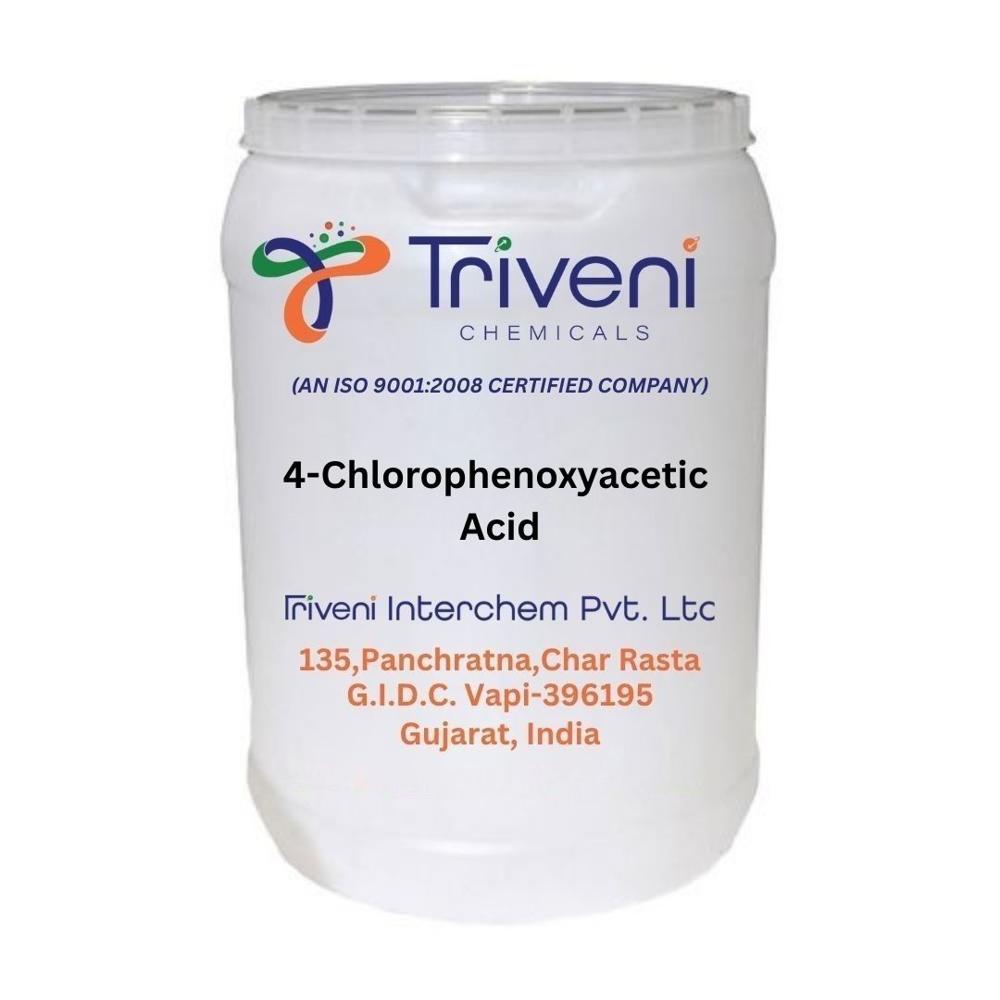
4-Chlorophenoxyacetic Acid (122-88-3)

4-Chlorophenoxyacetic Acid (122-88-3)

4-Chlorophenoxyacetic Acid (122-88-3) Specification

  • Active Ingredient
  • Mimics natural auxins, promoting fruit set and reducing flower drop.
  • Shape
  • other
  • Classification
  • other
  • Properties
  • It Is Commonly Applied In Tomato Cultivation To Improve Fruit Setting And Reduce Flower Drop, Especially Under Adverse Environmental Conditions Such As High Temperature Or Poor Pollination. It Is Also Used To Promote Uniform Fruit Development And Increase Yield Quality.
  • Purity(%)
  • 96-98%
  • Melting Point
  • 157 159 C
  • Product Name
  • 4-Chlorophenoxyacetic Acid
  • Place of Origin
  • India
  • State
  • Solid
  • Grade
  • AMP
  • Appearance
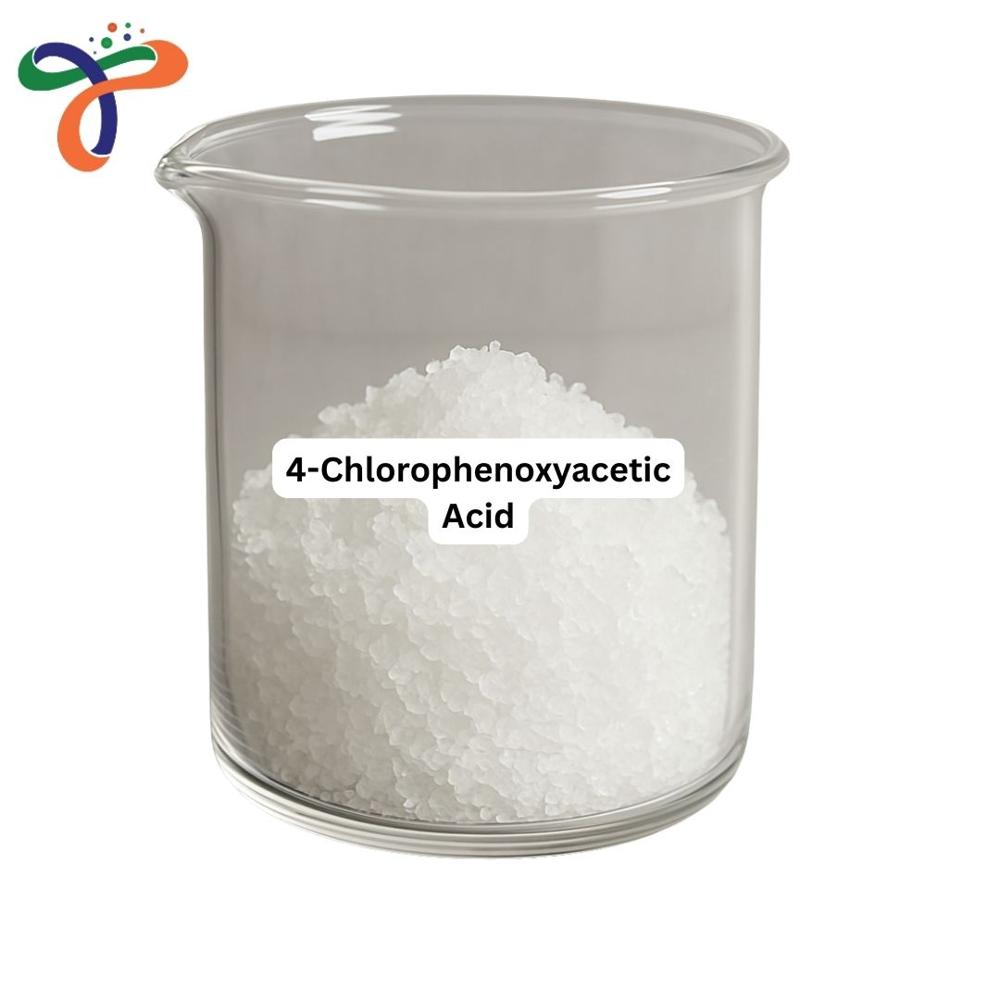
  • White Crystalline Solid
  • Color
  • White


4-Chlorophenoxyacetic Acid (122-88-3) About

We Are Supplier, Exporter And Contract Manufacturer.Technical Profile Of 4-Chlorophenoxyacetic Acid, A High-Purity Raw Chemical Material Supplied By Triveni Chemicals For Industrial Manufacturing And Laboratory Synthesis.

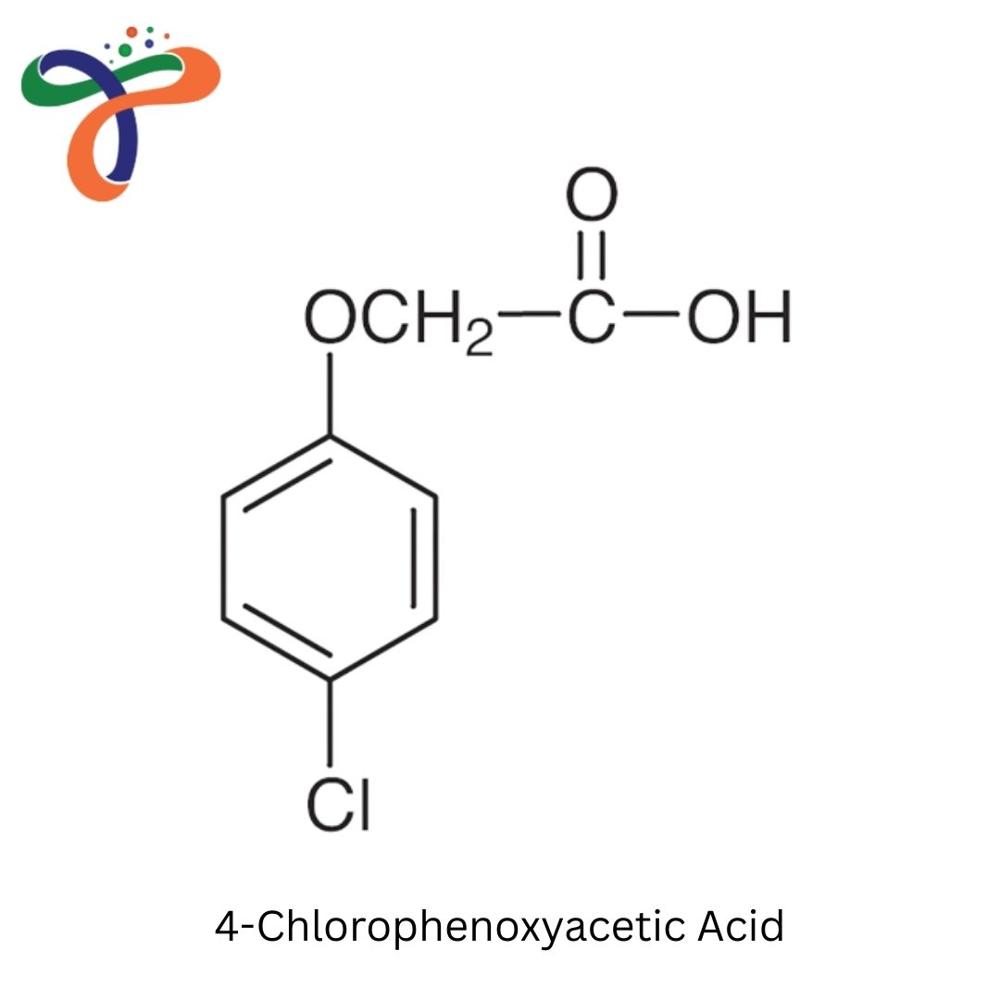
4-Chlorophenoxyacetic Acid (4-Cpa) Is A Chlorinated Aromatic Carboxylic Acid Derivative Of Phenoxyacetic Acid. It Appears As A White To Off-White Crystalline Powder With Moderate Solubility In Organic Solvents And Limited Solubility In Water. The Compound Is Chemically Stable Under Normal Storage Conditions But May Decompose Under Strong Acidic Or Alkaline Environments. It Has A Characteristic Phenoxy Ring Substituted With A Chlorine Atom At The Para Position, Which Enhances Its Biological Activity And Chemical Reactivity.

In Agriculture, 4-Cpa Is Primarily Used As A Plant Growth Regulator (Pgr). It Functions As An Auxin-Type Hormone That Influences Cell Division, Fruit Set, And Growth Stimulation. It Is Commonly Applied In Tomato Cultivation To Improve Fruit Setting And Reduce Flower Drop, Especially Under Adverse Environmental Conditions Such As High Temperature Or Poor Pollination. It Is Also Used To Promote Uniform Fruit Development And Increase Yield Quality.

Beyond Agriculture, 4-Cpa Has Applications In Plant Tissue Culture Research, Where It Is Used To Regulate Callus Formation And Cell Differentiation. In Some Cases, It Is Studied In Combination With Other Growth Regulators To Optimize Plant Regeneration Processes. It Is Also Used In Biochemical Research For Studying Auxin-Like Activity And Plant Hormonal Pathways.

Due To Its Strong Biological Activity, Careful Dosage Control Is Essential, As Excessive Use Can Cause Phytotoxicity, Abnormal Growth, Or Yield Reduction. It Is Typically Applied Through Foliar Spray Or Controlled Agricultural Formulations. Overall, 4-Chlorophenoxyacetic Acid Is An Important Synthetic Growth Regulator Widely Used In Horticulture And Plant Physiology Studies.
Tell us about your requirement
product

Price:

Quantity
Select Unit

  • 50
  • 100
  • 200
  • 250
  • 500
  • 1000+
Additional detail
Mobile number

Email

More Products in Agrochemicals Category

Methyl Chloroacetate (96-34-4)

Methyl Chloroacetate (96-34-4)

Price 99.0 INR / Kilograms

Minimum Order Quantity : 25 Kilograms

Color : Colorless to Pale yellow

State : Liquid

CAS No : 96344

Place of Origin : India
2,5-Dichloroaniline (95-82-9) (C6H5Cl2N)

2,5-Dichloroaniline (95-82-9) (C6H5Cl2N)

Price 1000.0 INR / Kilograms

Minimum Order Quantity : 25 Kilograms

Color : White to light brown

State : Solid

CAS No : 95829

Place of Origin : India
Theta-Cypermethrin (71697-59-1) (C22H19Cl2NO3)

Theta-Cypermethrin (71697-59-1) (C22H19Cl2NO3)

Price 370.0 INR / Kilograms

Minimum Order Quantity : 25 Kilograms

Color : Offwhite

State : Solid

CAS No : 71697591

Place of Origin : India
Copper Sulfate Pentahydrate

Copper Sulfate Pentahydrate

Price 180.0 INR / Kilograms

Minimum Order Quantity : 25 Kilograms

Color : blue

State : Solid

CAS No : 7758998

Place of Origin : India