
Call us now
08045816834
Call us now
08045816834


Price:

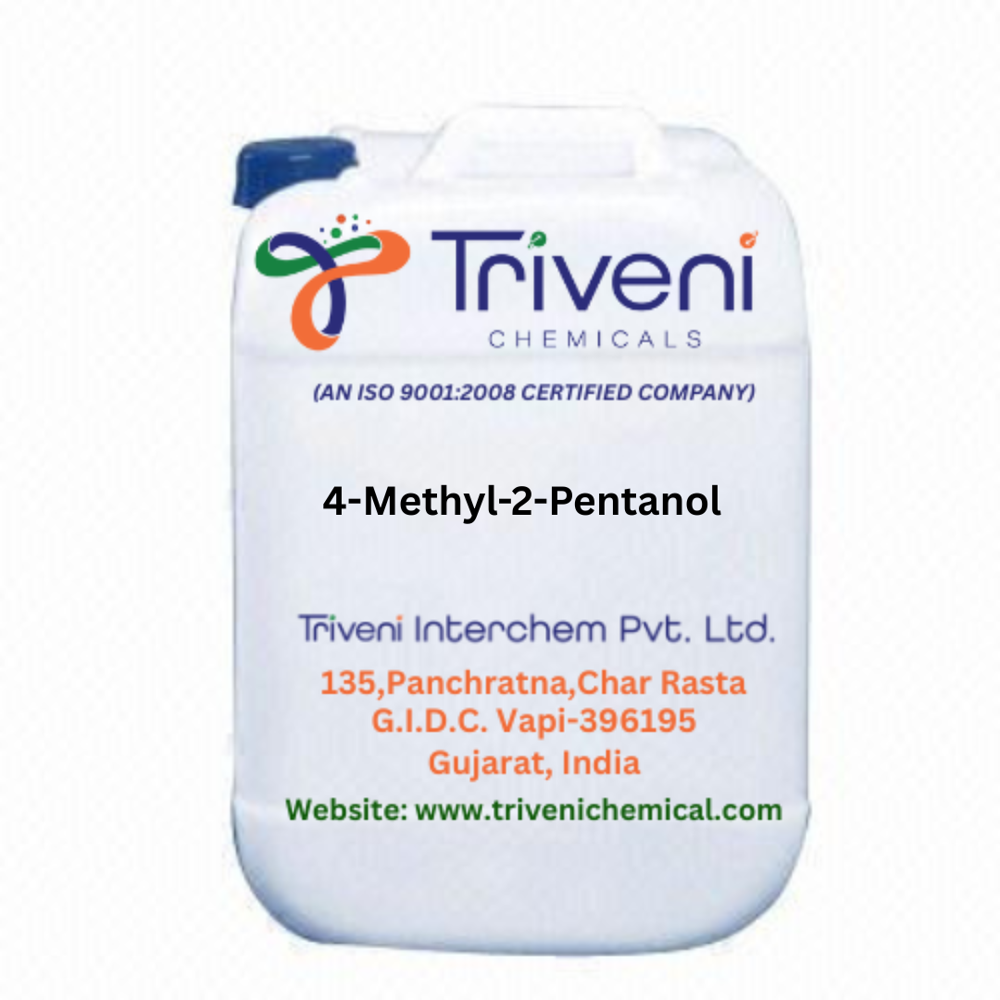
Price 160.0 INR / Kilograms
Minimum Order Quantity : 25 Kilograms
Solubility : Slightly soluble in water, miscible with most organic solvents
Refractive Rate : 1.393
Molecular Weight : 102.18 g/mol Grams (g)
Physical Form : Liquid
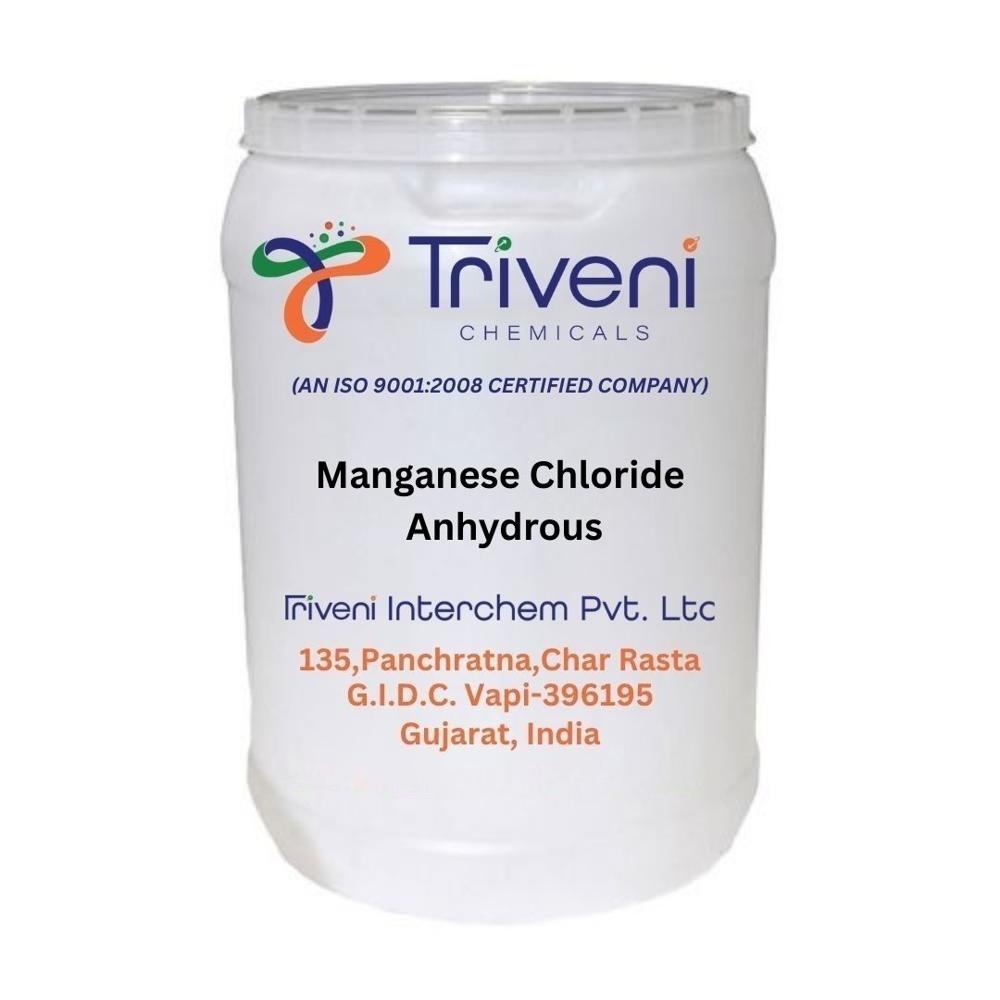
Price 120.0 INR / Kilograms
Minimum Order Quantity : 25 Kilograms
Solubility : Soluble in water
Refractive Rate : 1.593
Molecular Weight : 125.84 g/mol Grams (g)
Physical Form : Solid
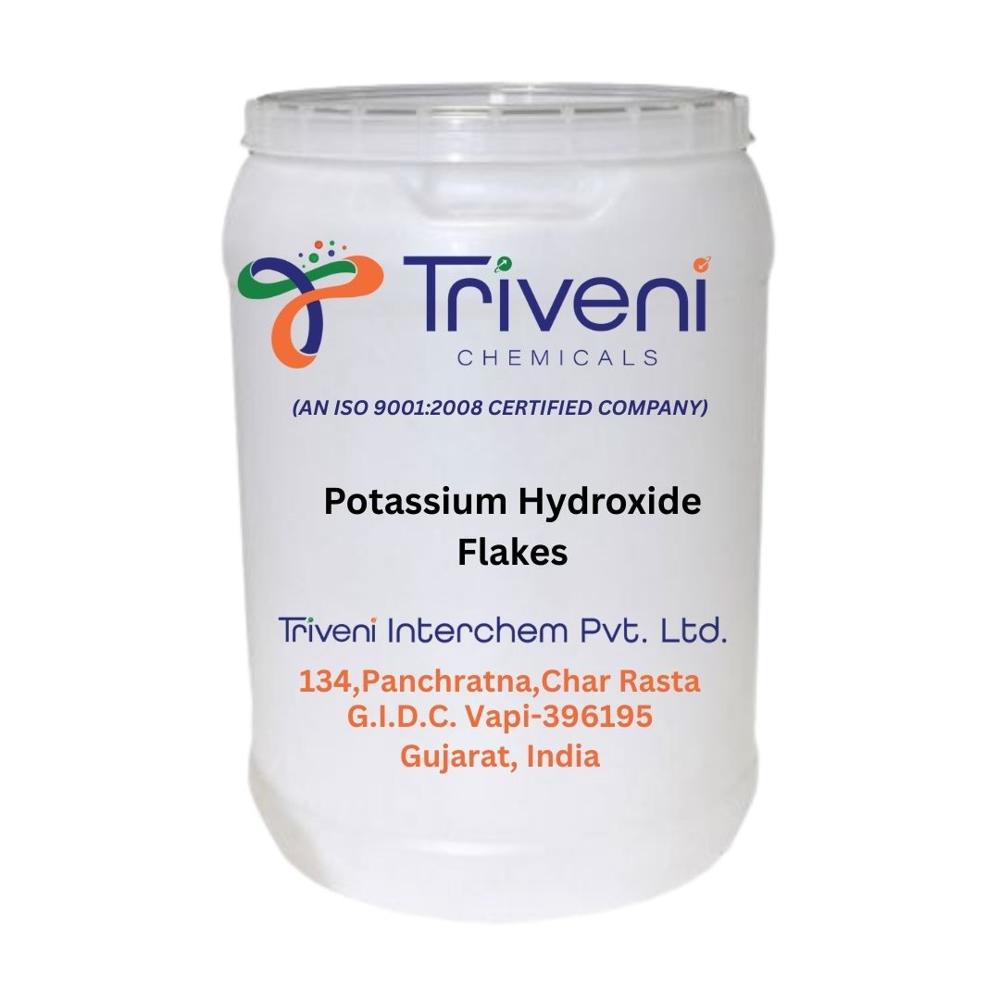
Price 70.0 INR / Kilograms
Minimum Order Quantity : 25 Kilograms
Solubility : Very soluble in water
Refractive Rate : 1.45
Molecular Weight : 56.11 g/mol Grams (g)
Physical Form : Solid
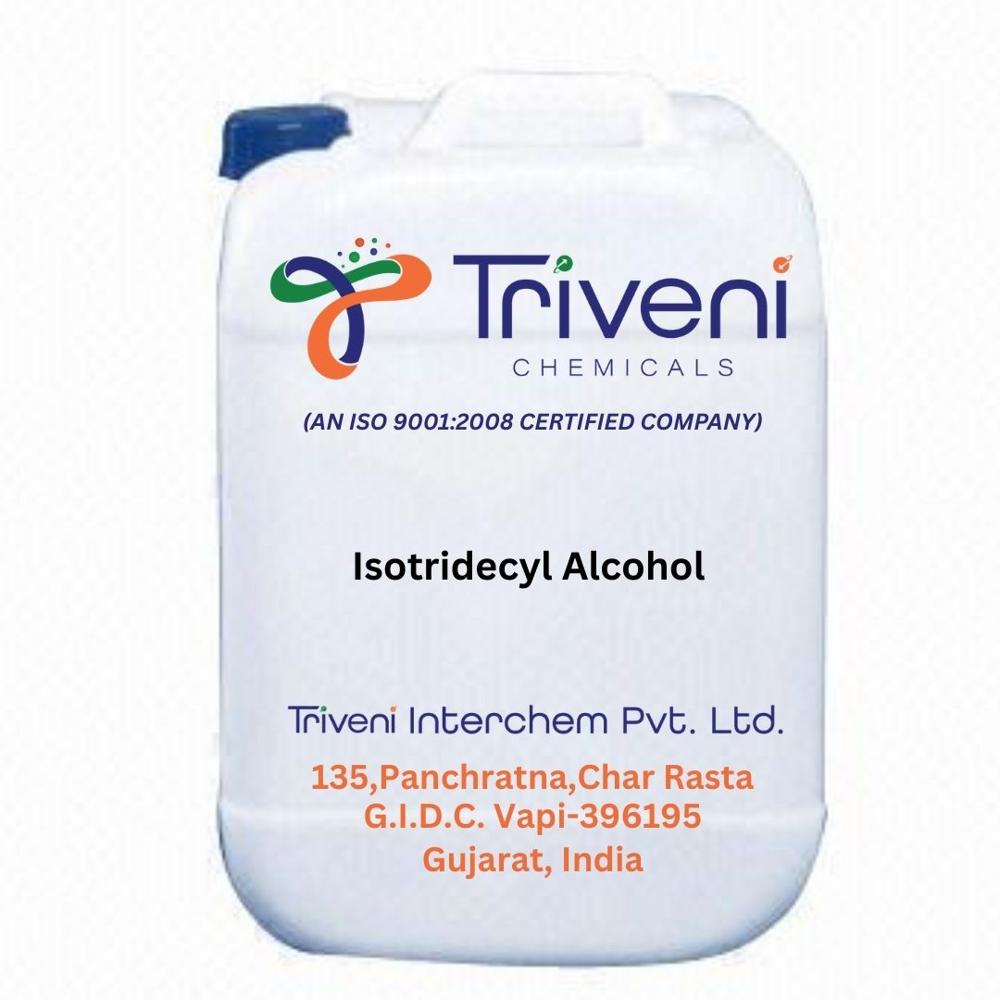
Price 178.00 INR / Kilograms
Minimum Order Quantity : 25 Kilograms
Solubility : Soluble in acetone and dichloromethane; insoluble in water
Refractive Rate : 1.462
Molecular Weight : 212.30 g/mol Grams (g)
Physical Form : Powder

Thank You!
Thank You for your valuable time. We have received your details and will get back to you shortly.


For an immediate response, please call this
number 08045816834
Price:

 Send Inquiry
 Send Inquiry
 Send Inquiry
 Call Me Free
 English
 Spanish
 French
 German
 Italian
 Chinese (Simplified)
 Japanese
 Korean
 Arabic
 Portuguese