
Call us now
08045816834
Call us now
08045816834

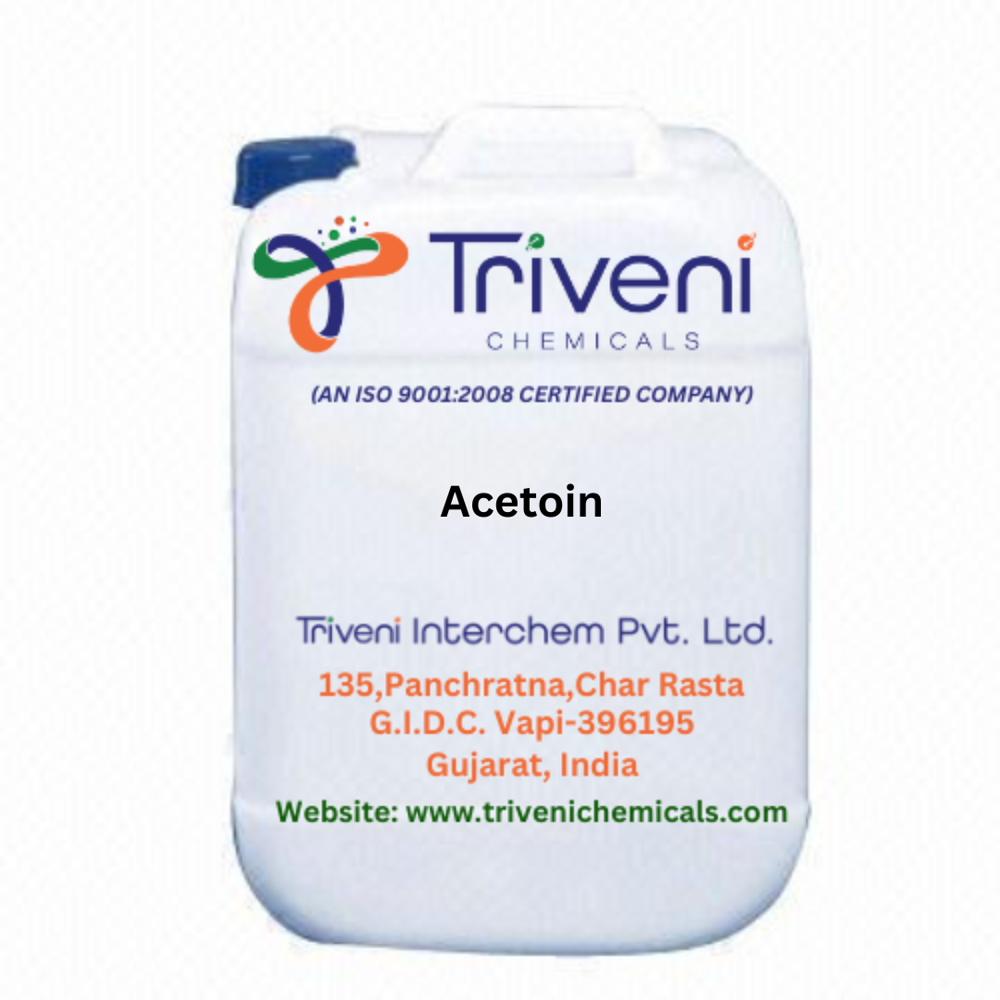
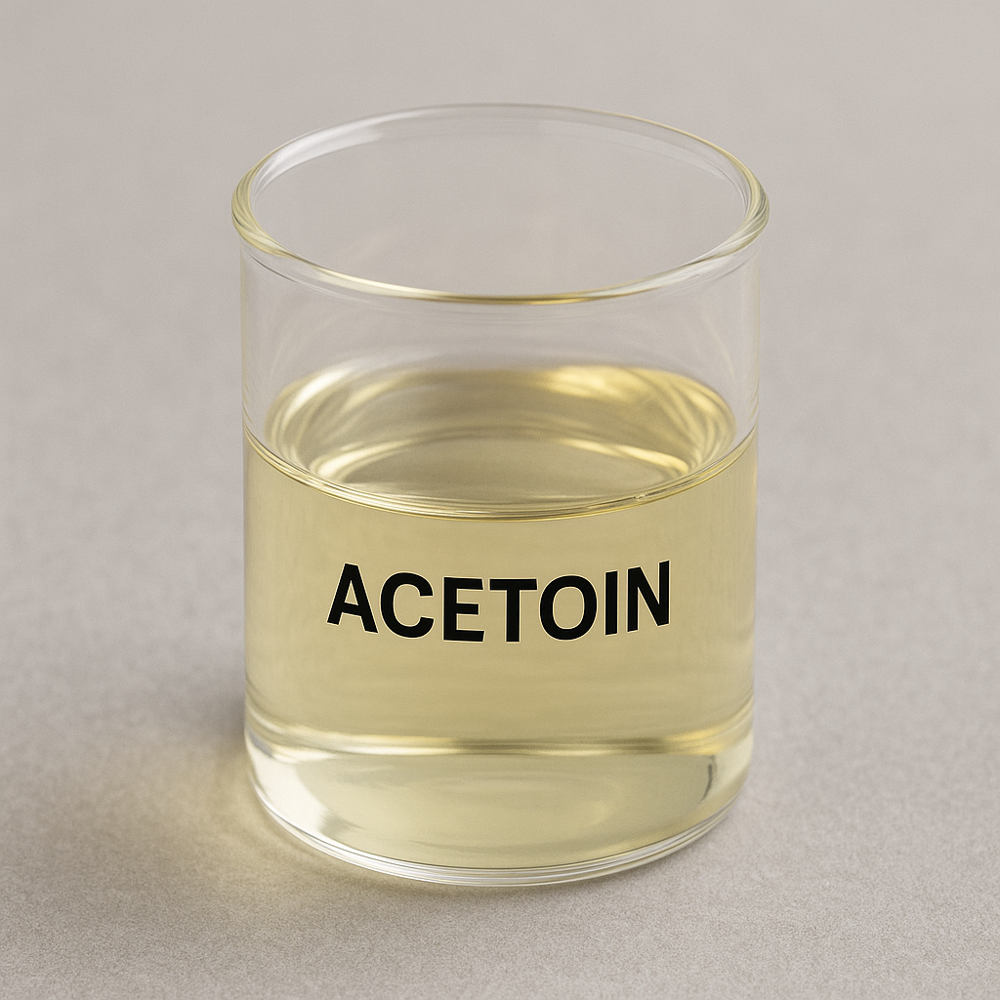
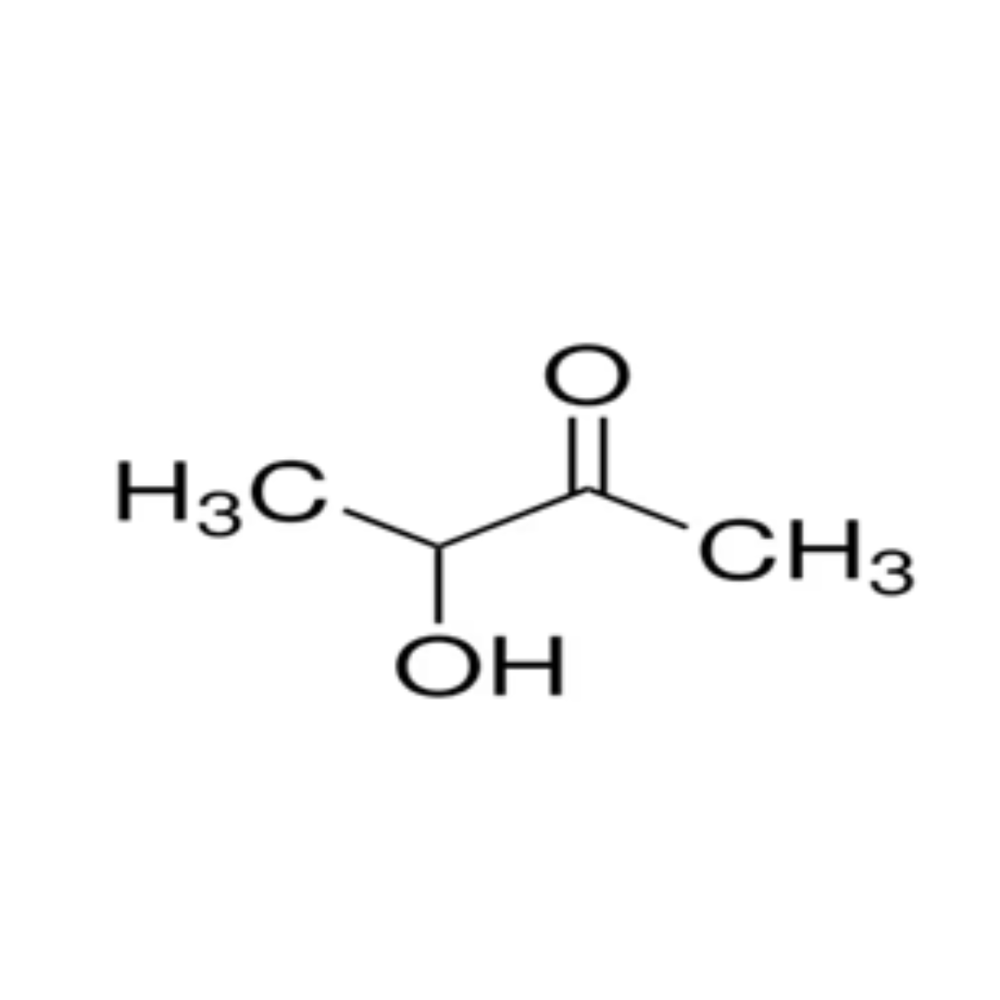

Price:

Price 675.0 INR / Liter
Minimum Order Quantity : 1 Liter
Usage : Industrial use as solvent and intermediate
Structural Formula : CH3CO(CH2)4CH3
Properties : Clear colorless to pale yellow liquid, characteristic odour
Appearance : Clear liquid
Price 6800.0 INR / Kilograms
Minimum Order Quantity : 25 Kilograms
Usage : Flavoring, fragrance, pharmaceuticals, nutraceuticals
Structural Formula : NA
Properties : Ginger Oleoresin is a complex mixture containing gingerols, shogaols, volatile oils, and resins. It is a viscous liquid, insoluble in water but soluble in alcohols, oils, and organic solvents. Density ~0.92 0.95 g/cm . Stable under ambient conditions, combustible, and characterized by a pungent spicy odor. Requires sealed storage and careful handling.
Appearance : Dark brown viscous resin
Price 50.0 INR / Kilograms
Minimum Order Quantity : 25 Kilograms
Usage : It is widely used in food, fermentation media, and biotechnology applications.
Structural Formula : NA
Properties : Yeast Extract is a brown to yellowish, hygroscopic powder or paste with a strong savory, umami aroma. It is highly soluble in water and rich in amino acids, peptides, vitamins, and minerals. It shows good stability.
Appearance : Brownishyellow powder
Price 25000.0 INR / Kilograms
Minimum Order Quantity : 25 Kilograms
Usage : It is used in perfumes, soaps, shampoos, and air fresheners for clean floral fragrance notes.
Structural Formula : C10H16
Properties : Lilybelle is a colorless to pale yellow liquid with a fresh lilyofthevalley, floral, and slightly green odor. It is insoluble in water but soluble in organic solvents. It has moderate volatility and stability.
Appearance : Clear to pale yellow liquid

Thank You!
Thank You for your valuable time. We have received your details and will get back to you shortly.


For an immediate response, please call this
number 08045816834
Price:

 Send Inquiry
 Send Inquiry
 Send Inquiry
 Call Me Free
 English
 Spanish
 French
 German
 Italian
 Chinese (Simplified)
 Japanese
 Korean
 Arabic
 Portuguese