Back to top
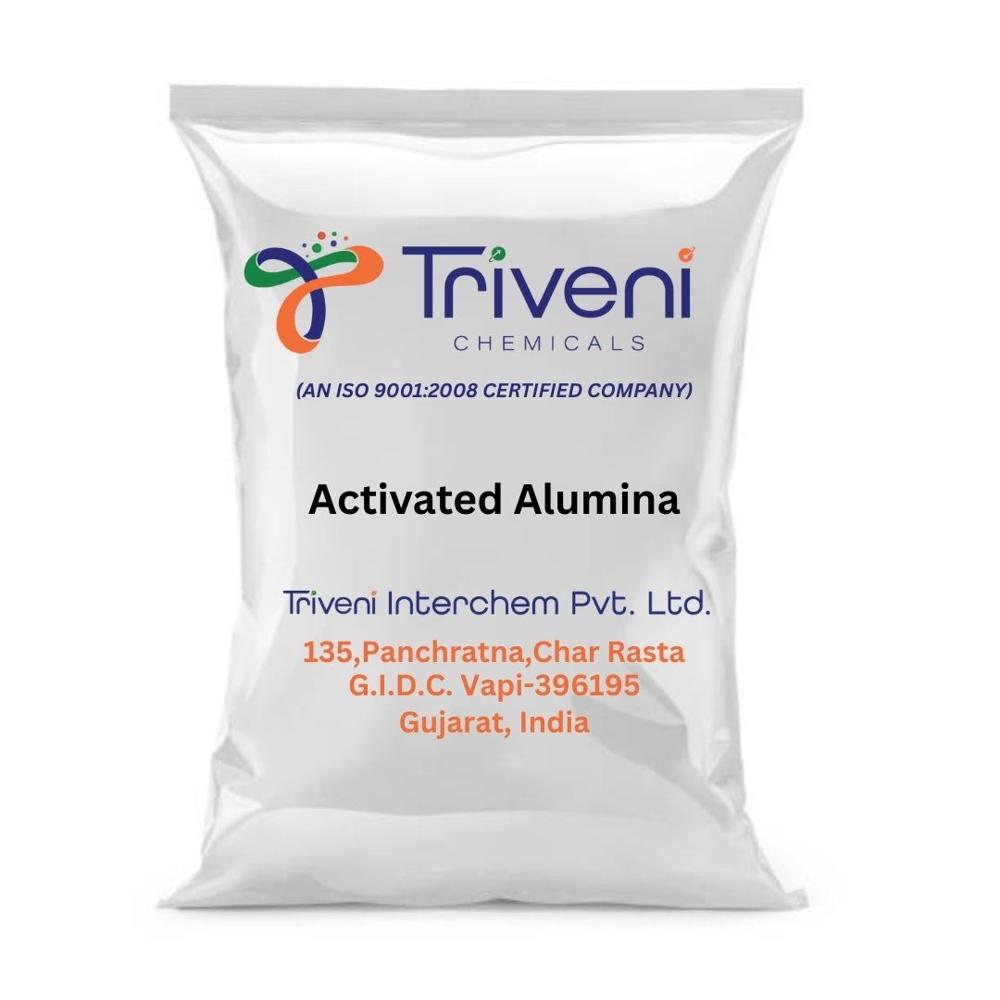
Activated Alumina (101.96 g/mol)

Activated Alumina (101.96 g/mol)

Price 103.0 INR/ Kilograms

MOQ : 1 Kilograms

Activated Alumina (101.96 g/mol) Specification

  • Molecular Weight
  • 101.96 g/mol Grams (g)
  • Usage
  • Desiccant; moisture and gas dehydration; drying of solvents; catalyst support
  • Purity
  • 98-99%
  • Structural Formula
  • NA
  • CAS No
  • NA
  • Physical Form
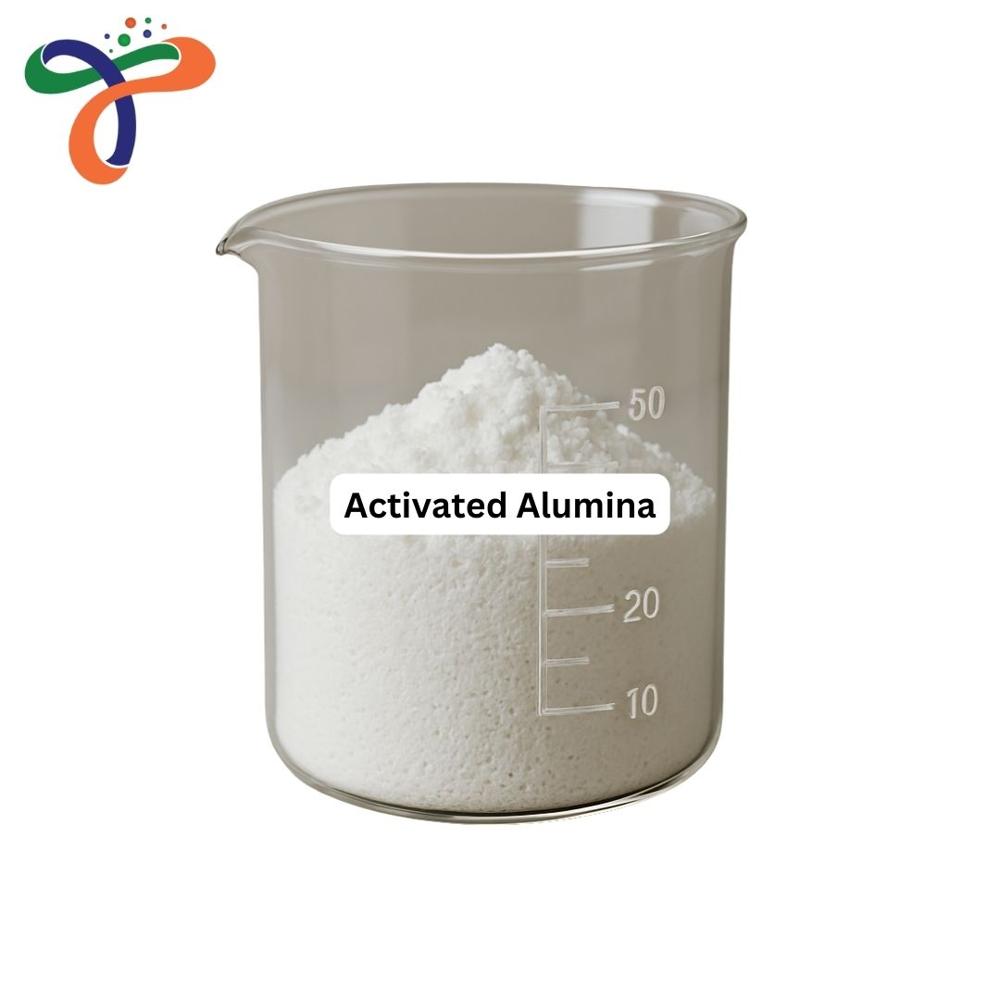
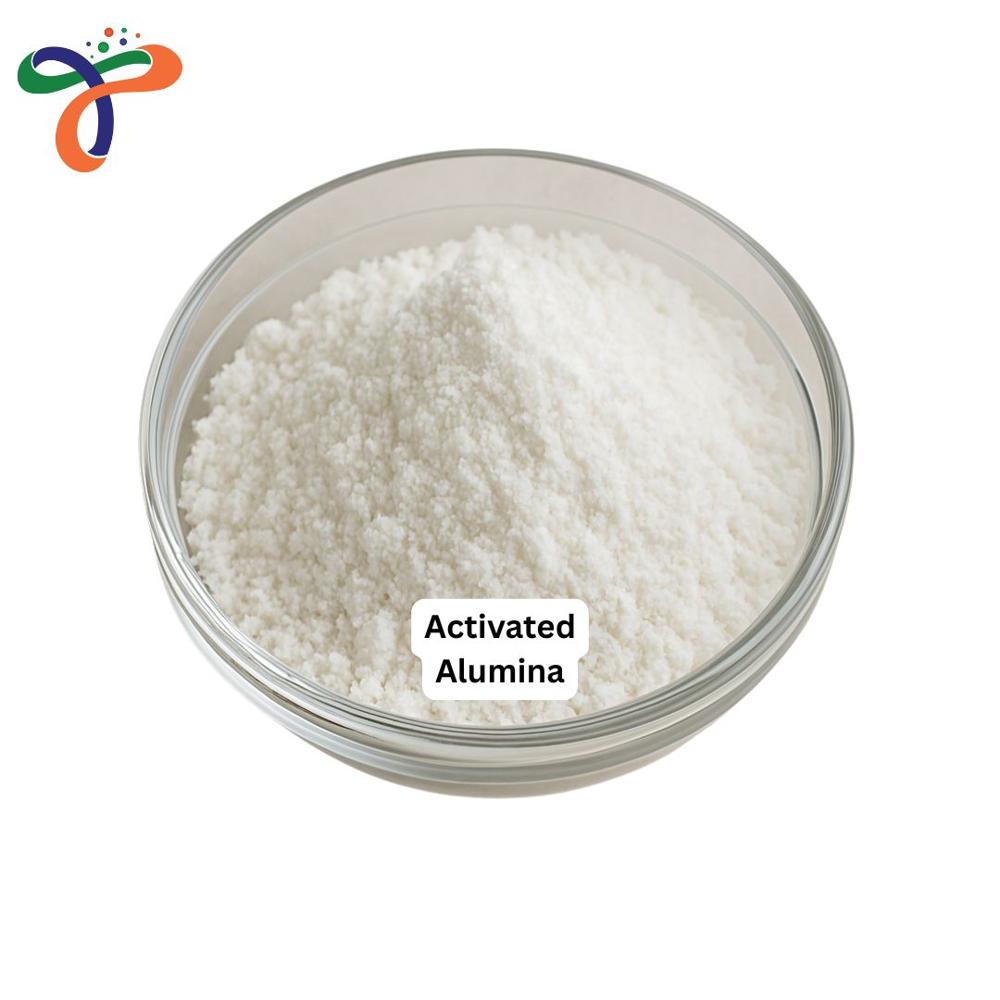
  • Powder
  • Melting Point
  • 2072 C
  • Molecular Formula
  • NA
  • Application
  • Industrial
  • Solubility
  • Insoluble in water
  • Appearance
  • White granular powder
  • Refractive Rate
  • 1.76
  • Properties
  • Activated alumina is a highly porous form of aluminum oxide used as a powerful desiccant to remove water vapor from gases and liquids. Its high surface area makes it essential for air drying, purification in chemical processing, and as a catalyst support in the petrochemical industry to enhance reaction efficiency.
 

Activated Alumina (101.96 g/mol) Trade Information

  • Minimum Order Quantity
  • 1 Kilograms
  • Payment Terms
  • Cash in Advance (CID)
  • Supply Ability
  • 5000 Kilograms Per Month
  • Delivery Time
  • 10 Days
  • Main Domestic Market
  • All India
 

About Activated Alumina (101.96 g/mol)

We are Supplier, Exporter and Contract Manufacturer.
Technical profile of Activated Alumina, a high-purity raw chemical material supplied by Triveni Chemicals for industrial manufacturing and laboratory synthesis.

Industrial Uses & Applications:
Activated Alumina Is A Highly Porous, Granular Form Of Aluminum Oxide Widely Used As An Adsorbent And Desiccant In Industrial Applications. It Is Known For Its High Surface Area, Excellent Thermal Stability, And Strong Affinity For Moisture And Impurities.
Used In Air And Gas Drying, Water Treatment, And Purification Processes, Including The Removal Of Fluoride, Arsenic, And Sulfur Compounds. Its Ability To Be Regenerated Through Heating Makes It Cost-Effective And Reusable.


Superior Moisture Removal Efficiency

Activated alumina's high surface area enables exceptional performance in adsorbing and removing water vapor from diverse gases and liquids. Its unique porous structure offers rapid and extensive drying, making it vital for air dryers, solvent dehydration systems, and industrial gas purification applications.


Catalyst Support in Petrochemical Processes

In the petrochemical industry, activated alumina acts as a sturdy catalyst support due to its chemical stability and thermal resistance. Its porous design enhances catalytic efficiency and lifespan, thereby promoting more effective and sustainable chemical reactions in industrial operations.

FAQ's of Activated Alumina (101.96 g/mol):


Q: How does activated alumina function as a desiccant in industrial applications?

A: Activated alumina operates as a desiccant by adsorbing moisture from gases and liquids with its extensive porous surface area, ensuring effective dehydration and maintaining dry conditions in air and gas processing systems.

Q: What are the main industrial uses of activated alumina?

A: The primary uses of activated alumina include air and gas drying, purification in chemical processes, dehydration of solvents, and serving as a support material for catalysts in the petrochemical industry.

Q: When is activated alumina typically utilized in chemical and petrochemical settings?

A: Activated alumina is employed when precise moisture control and dehydration are necessary, such as during gas drying, solvent purification, and as a catalyst support for improved reaction efficiency in chemical processes.

Q: Where is activated alumina most commonly applied?

A: Activated alumina is commonly applied in air dryers, gas purification plants, solvent drying units, and as a catalyst support media in chemical and petrochemical facilities across industrial sectors.

Q: What is the benefit of using activated alumina over other desiccants?

A: Compared to other desiccants, activated alumina offers high adsorption capacity, enhanced durability, and greater efficiency in moisture removal, particularly in hostile or high-temperature environments.

Q: How is activated alumina maintained or regenerated for continuous usage?

A: Activated alumina can be regenerated by heating, which releases the adsorbed water vapor, allowing the material to be reused multiple times without significant loss of adsorption efficiency.

Tell us about your requirement
product

Price:

Quantity
Select Unit

  • 50
  • 100
  • 200
  • 250
  • 500
  • 1000+
Additional detail
Mobile number

Email

More Products in Industrial Chemicals Category

4-Methylbenzoic Acid (99-94-5)

4-Methylbenzoic Acid (99-94-5)

Price 375.0 INR / Kilograms

Minimum Order Quantity : 25 Kilograms

Solubility : Slightly soluble in water, soluble in alcohol and ether

Usage : Used as a chemical intermediate for laboratory, industrial, and pharmaceutical processes

Structural Formula : C8H8O2

Physical Form : Solid
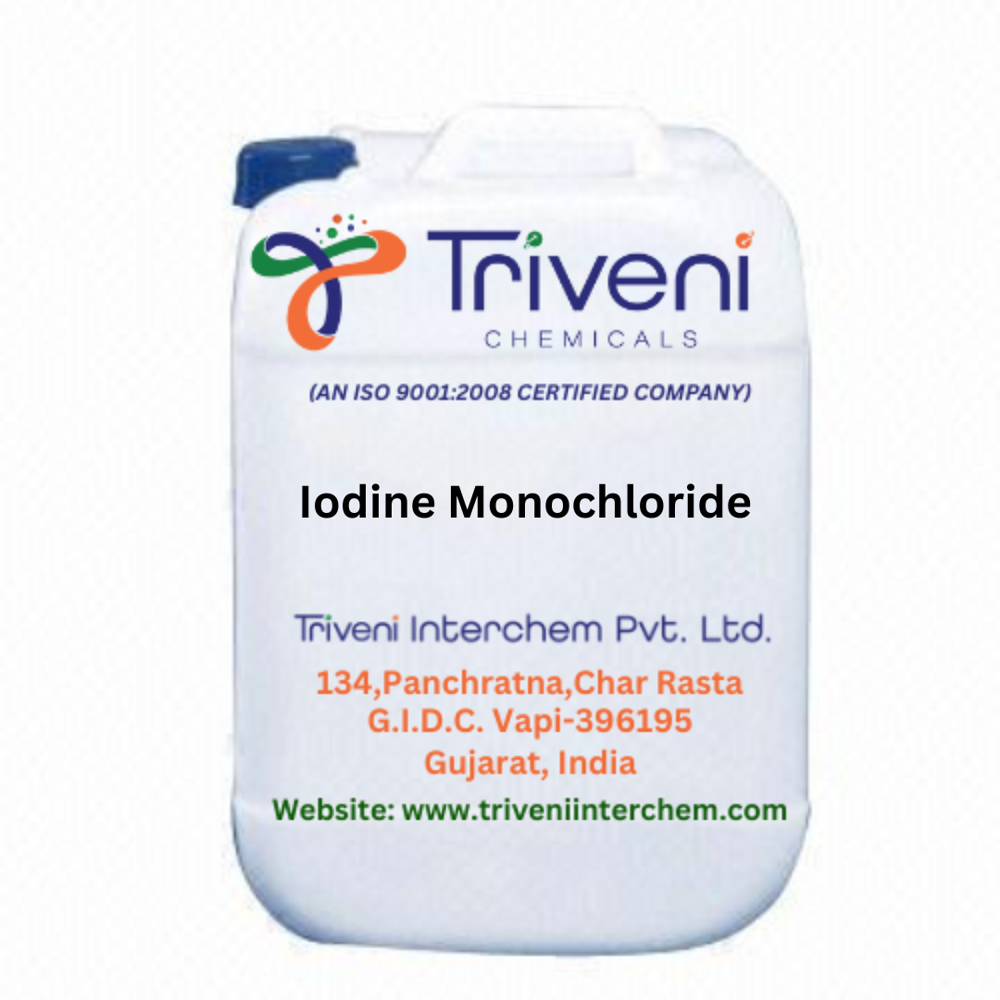
Iodine Monochloride (7790-99-0)

Iodine Monochloride (7790-99-0)

Price 5800.0 INR / Kilograms

Minimum Order Quantity : 25 Kilograms

Solubility : Reacts with water, soluble in organic solvents

Usage : Electrophilic iodinating reagent for organic synthesis; synthesis of iodinecontaining reagents

Structural Formula : ICl

Physical Form : Liquid
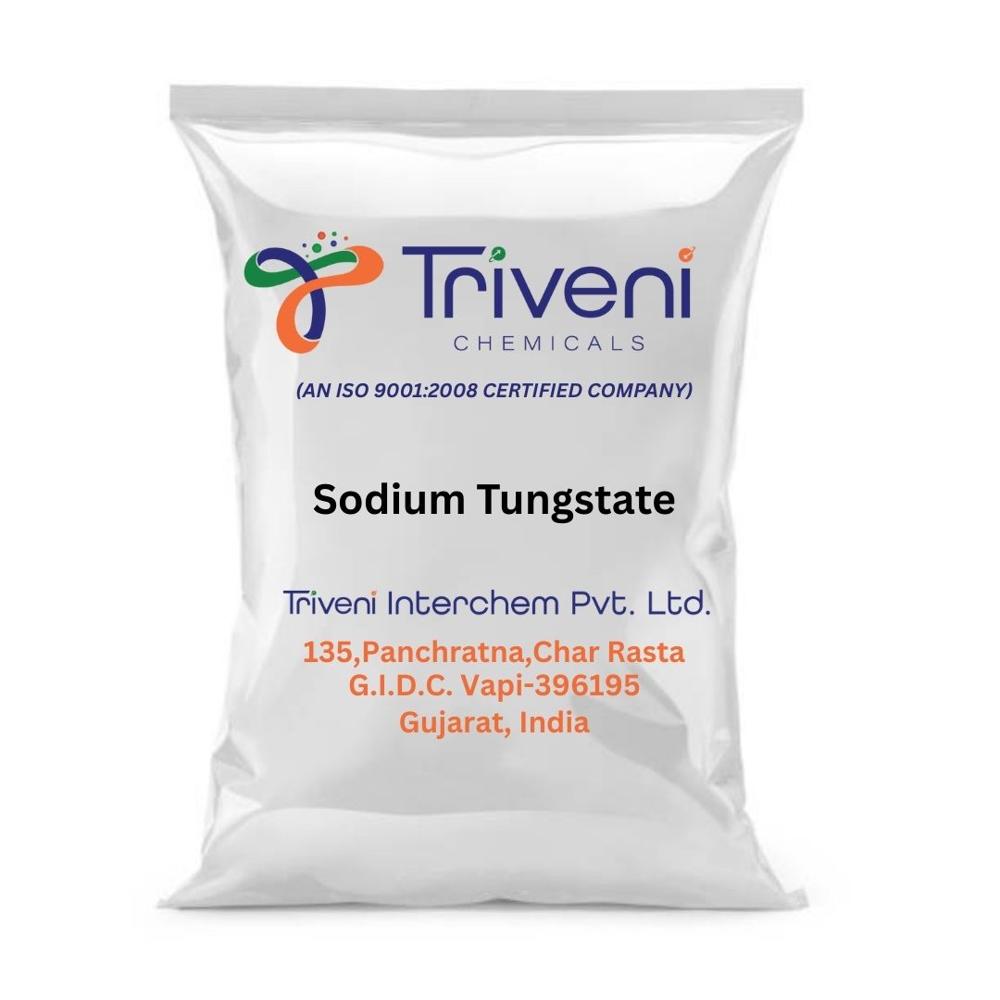
Sodium Tungstate (10213-10-2)

Sodium Tungstate (10213-10-2)

Price 5500.0 INR / Kilograms

Minimum Order Quantity : 25 Kilograms

Solubility : Soluble in water, insoluble in alcohol

Usage : Used in chemical synthesis, laboratory analysis, catalyst precursor, and corrosion inhibitor

Structural Formula : Na2O4W

Physical Form : Powder
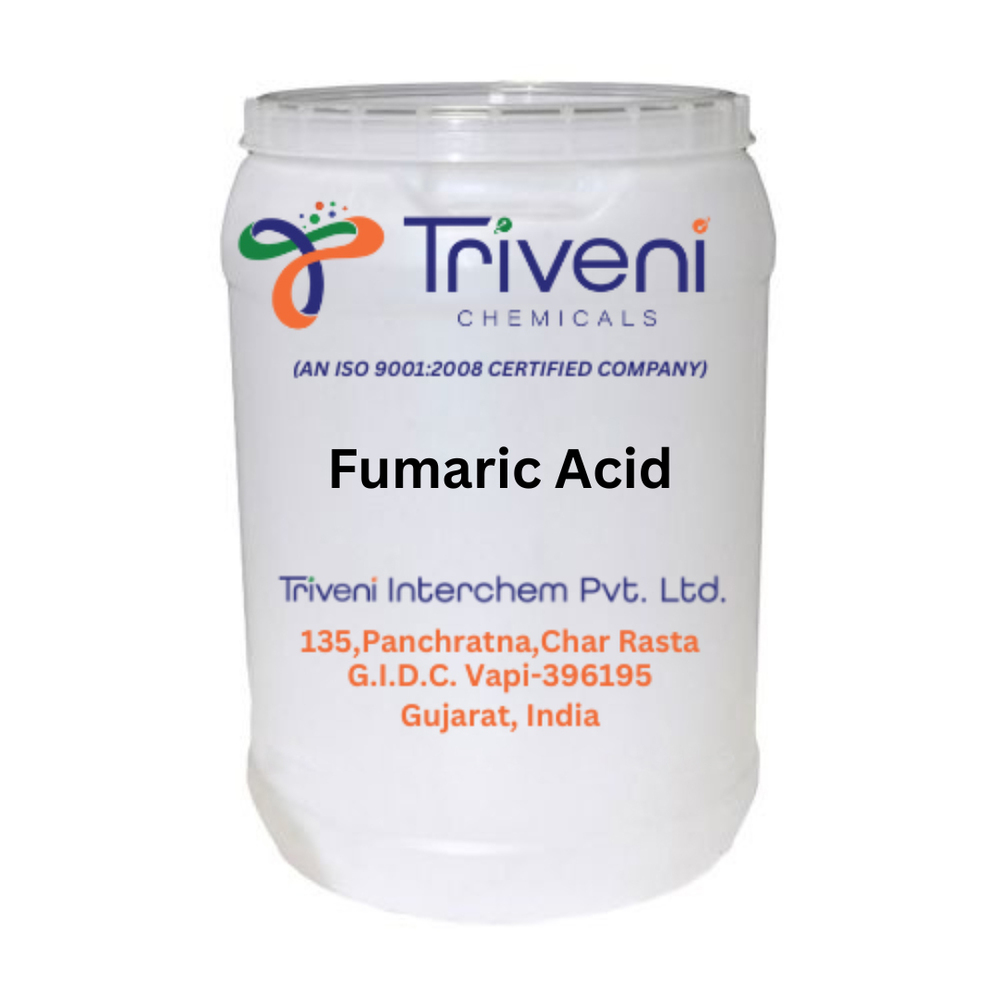
Fumaric Acid (110-17-8)

Fumaric Acid (110-17-8)

Price 180.0 INR / Kilograms

Minimum Order Quantity : 25 Kilograms

Solubility : Soluble in water; 1 g/100 mL

Usage : Food additive (E366); pH regulator; intermediate in the synthesis of fumarate esters and resins; used in polymerization and pharmaceutical synthesis

Structural Formula : C4H4O4

Physical Form : Solid