Back to top
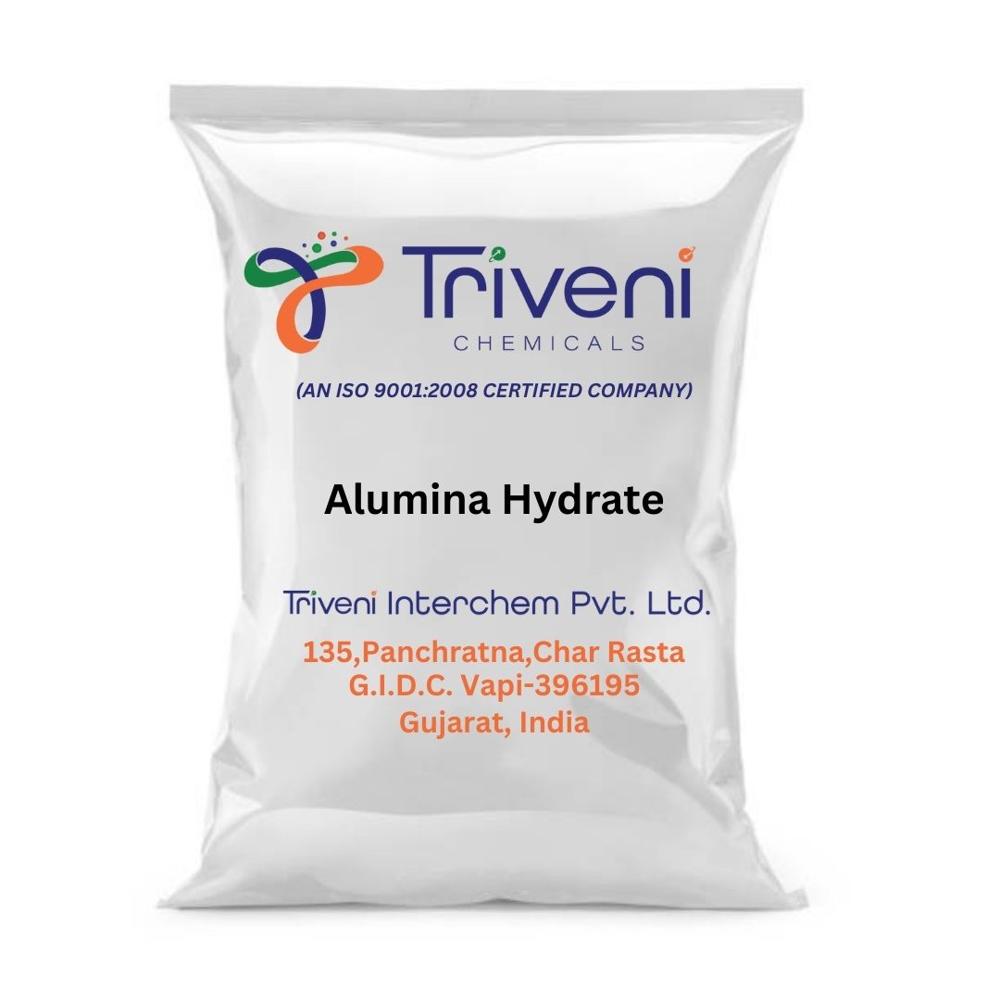
Alumina Hydrate (78.00 g/mol)

Alumina Hydrate (78.00 g/mol)

Price 50.0 INR/ Kilograms

MOQ : 1 Kilograms

Alumina Hydrate (78.00 g/mol) Specification

  • Melting Point
  • 300 C
  • Molecular Weight
  • 78.00 g/mol Grams (g)
  • Refractive Rate
  • 1.53
  • Properties
  • Alumina hydrate is a versatile white powder primarily used as a flame retardant in plastics and rubber due to its heat-absorbing dehydration properties. It is also essential as a precursor for manufacturing aluminum chemicals, glass, and ceramics, and acts as a filler in paints and paper.
  • Physical Form
  • Powder
  • Purity
  • 98 99%
  • Structural Formula
  • NA
  • Appearance
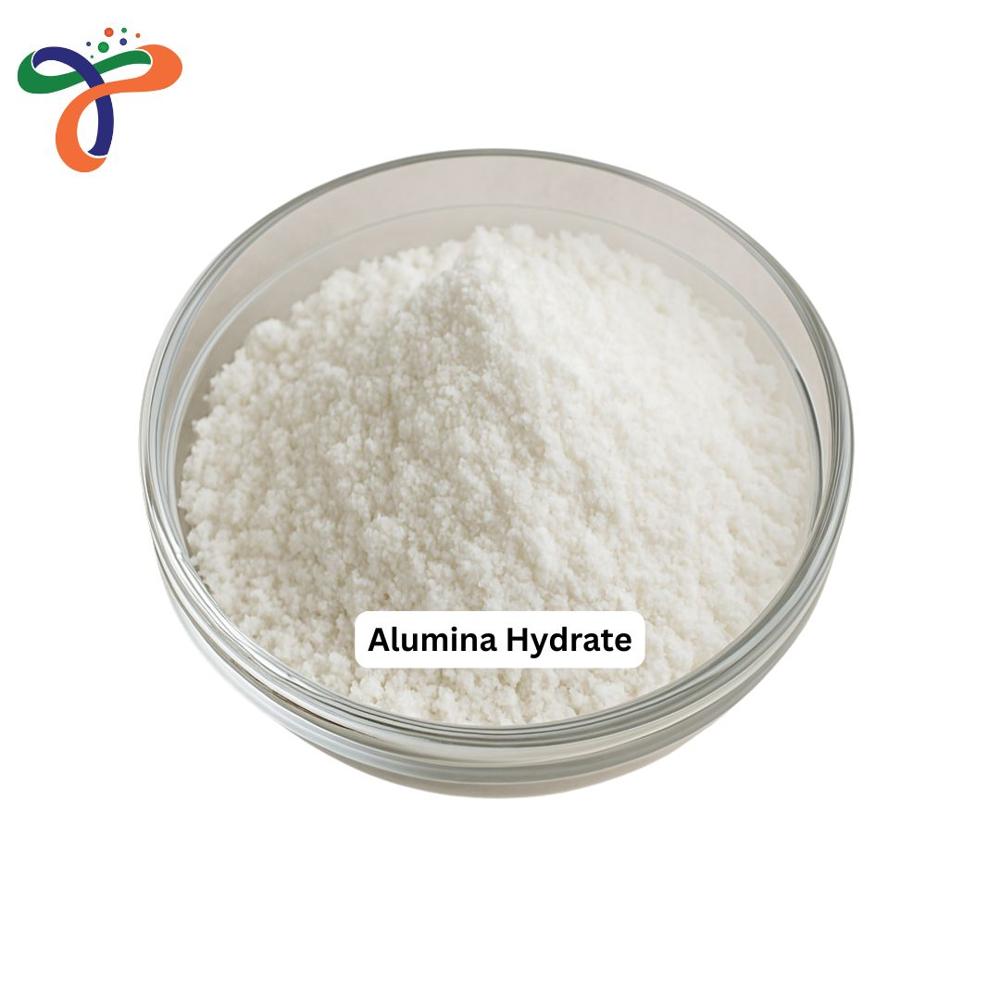
  • White powder
  • Solubility
  • Insoluble in water; sparingly soluble in some solvents
  • Molecular Formula
  • NA
  • Usage
  • Flame-retardant filler for polymers and resins; raw material for ceramics and catalyst supports
  • CAS No
  • NA
  • Application
  • Industrial
 

Alumina Hydrate (78.00 g/mol) Trade Information

  • Minimum Order Quantity
  • 1 Kilograms
  • Payment Terms
  • Cash in Advance (CID)
  • Supply Ability
  • 5000 Kilograms Per Month
  • Delivery Time
  • 10 Days
  • Main Domestic Market
  • All India
 

About Alumina Hydrate (78.00 g/mol)

We are Supplier, Exporter and Contract Manufacturer.
Technical profile of Alumina Hydrate, a high-purity raw chemical material supplied by Triveni Chemicals for industrial manufacturing and laboratory synthesis.

Industrial Uses & Applications:
Alumina Hydrate Is A Fine, White, Odorless Powder Of Aluminum Hydroxide Widely Used In Industrial And Commercial Applications.
It Is Valued For Its High Purity, Controlled Particle Size, And Excellent Chemical Stability. Alumina Hydrate Is Commonly Used As A Flame Retardant Filler In Plastics, Rubber, And Cables, Where It Releases Water When Heated And Helps Suppress Smoke. It Is Also Used In Pharmaceuticals, Water Treatment, Paper, Paints, And Ceramics.


A Reliable Flame Retardant Solution

Alumina hydrate's primary use as a flame-retardant filler makes it indispensable in the manufacturing of plastics and rubber materials. Its unique dehydration properties allow it to absorb heat and release water vapor, effectively suppressing fire spread. Industries favor this material not only for its safety benefits but also for its compatibility with various polymer and resin systems.


Essential Raw Material for Industrial Processes

Besides its flame-retardant role, alumina hydrate acts as a precursor in the synthesis of ceramics, glass, and aluminum chemicals. It is widely used for its stability, high purity, and ability to enhance finished product performance. This material also functions as a functional filler in paints, coatings, and paper, improving opacity and surface qualities needed for high-quality industrial goods.

FAQ's of Alumina Hydrate (78.00 g/mol):


Q: How is alumina hydrate typically applied in industrial settings?

A: Alumina hydrate is incorporated as a powder into polymer, resin, or ceramic formulations during the manufacturing process. It is thoroughly mixed to provide uniform distribution and maximize its flame-retardant or filler properties.

Q: What are the primary benefits of using alumina hydrate as a flame-retardant filler?

A: When exposed to heat, alumina hydrate releases water vapor through an endothermic reaction, absorbing heat and decreasing the temperature, which helps suppress flames, increases fire resistance, and protects underlying materials.

Q: Where is alumina hydrate commonly used in industrial applications?

A: It is widely utilized in the production of plastics, rubber, ceramics, glass, catalyst supports, paints, and paper. Industries dealing with fire safety and material enhancement, such as construction and electrical manufacturing, rely on alumina hydrate.

Q: What is the process for integrating alumina hydrate into ceramics production?

A: During ceramics manufacturing, alumina hydrate is blended with other raw materials and subjected to controlled heating, which helps form stable ceramic phases and enhances durability and resistance to heat.

Q: When should manufacturers consider including alumina hydrate in their formulations?

A: Manufacturers should use alumina hydrate when fire retardancy, higher thermal stability, or enhanced opacity is required in end products such as plastics, paints, paper, or ceramic components.

Q: What advantages does its high purity (98-99%) offer to end users?

A: High purity ensures consistency, reduces impurities in finished products, and enhances performance in applications requiring chemical stability, such as catalyst supports and specialty ceramics.

Tell us about your requirement
product

Price:

Quantity
Select Unit

  • 50
  • 100
  • 200
  • 250
  • 500
  • 1000+
Additional detail
Mobile number

Email

More Products in Industrial Chemicals Category

Sodium 2-Ethylhexanoate (19766-89-3)

Sodium 2-Ethylhexanoate (19766-89-3)

Price 225.0 INR / Kilograms

Minimum Order Quantity : 25 Kilograms

Structural Formula : C8H15NaO2

Purity : >98%

Melting Point : Approximately 230C (decomposes)

Molecular Weight : 166.19 g/mol Grams (g)

Sodium Tungstate (10213-10-2)

Sodium Tungstate (10213-10-2)

Price 5500.0 INR / Kilograms

Minimum Order Quantity : 25 Kilograms

Structural Formula : Na2O4W

Purity : Minimum 99%

Melting Point : 698C (anhydrous)

Molecular Weight : 329.85 g/mol Grams (g)

Ethylene Glycol Monoethyl Ether1

Ethylene Glycol Monoethyl Ether1

Price 145.0 INR / Kilograms

Minimum Order Quantity : 25 Kilograms

Structural Formula : C4H10O2

Purity : 98 99%

Melting Point : 90 C

Molecular Weight : 90.12 g/mol Grams (g)

Allyl Chloride (0107-05-01)

Allyl Chloride (0107-05-01)

Price 147.0 INR / Kilograms

Minimum Order Quantity : 1 Kilograms

Structural Formula : C3H5Cl

Purity : 98 99%

Melting Point : 76 C

Molecular Weight : 76.526 g/mol Grams (g)