
Call us now
08045816834
Call us now
08045816834

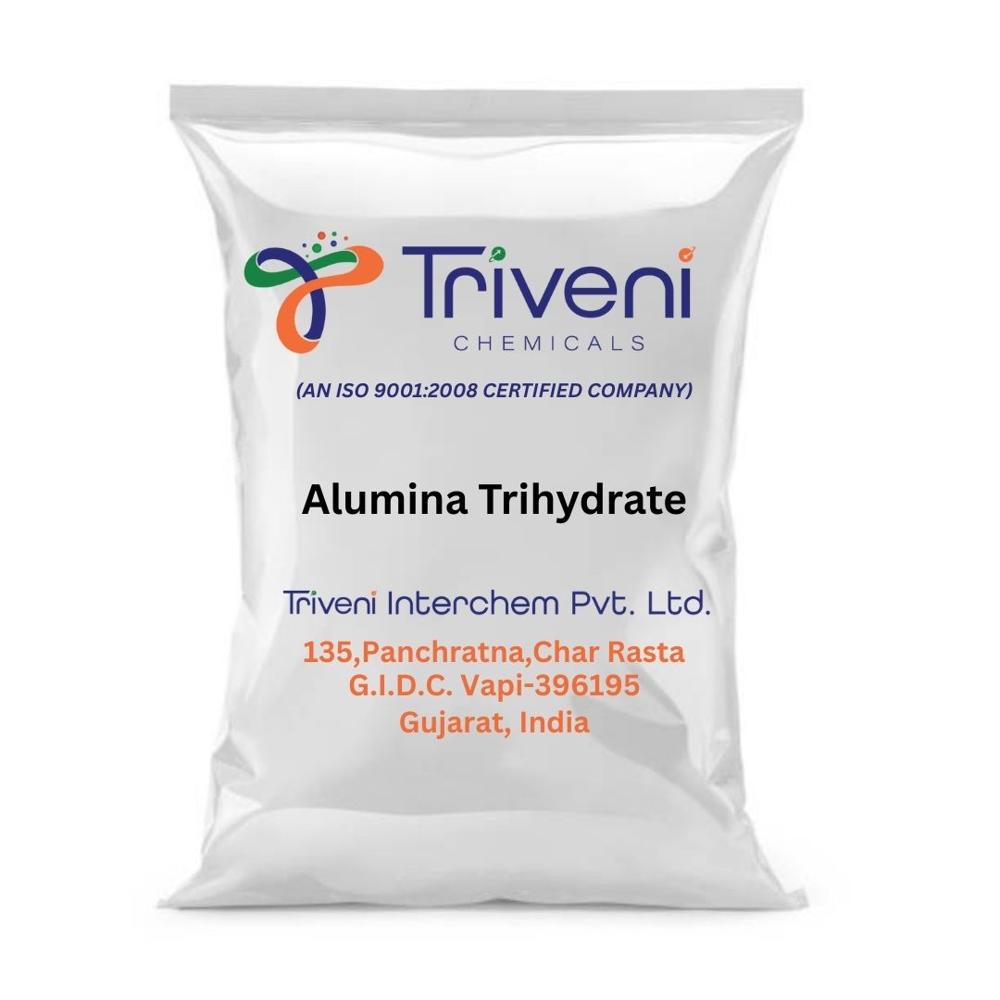
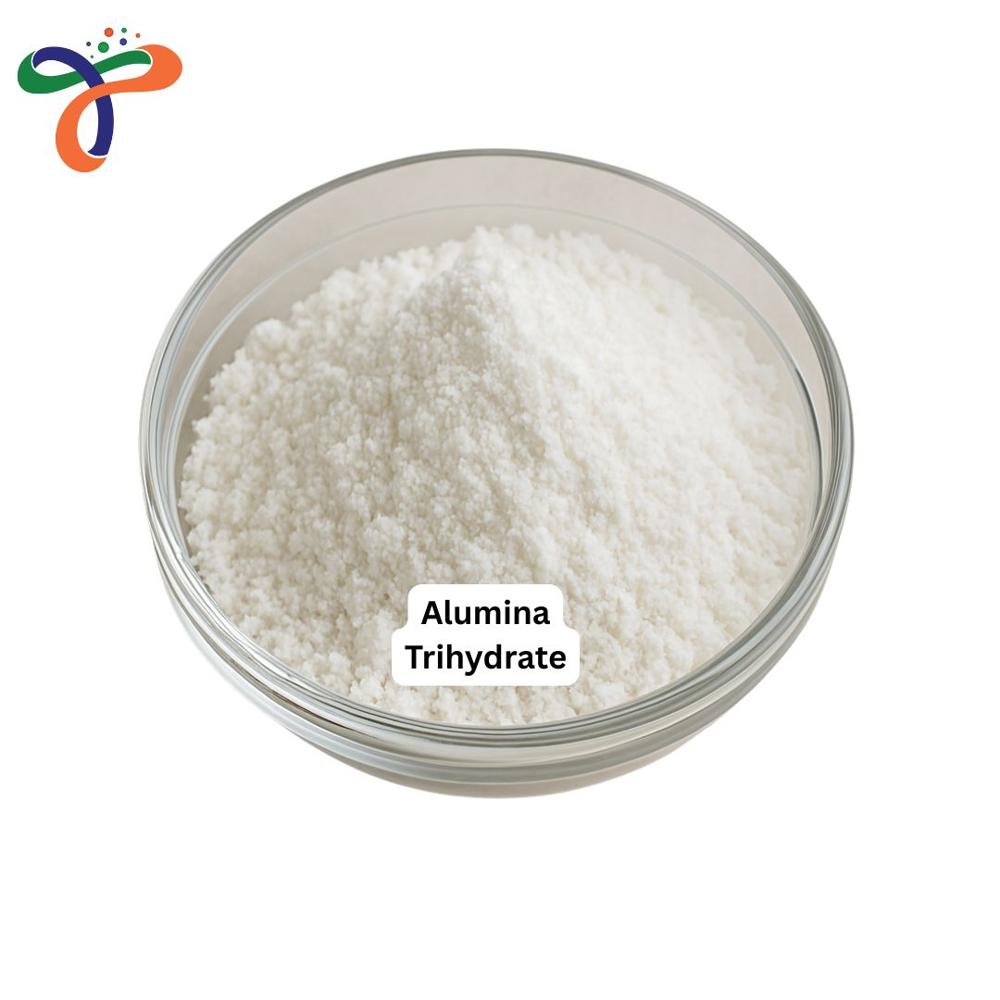
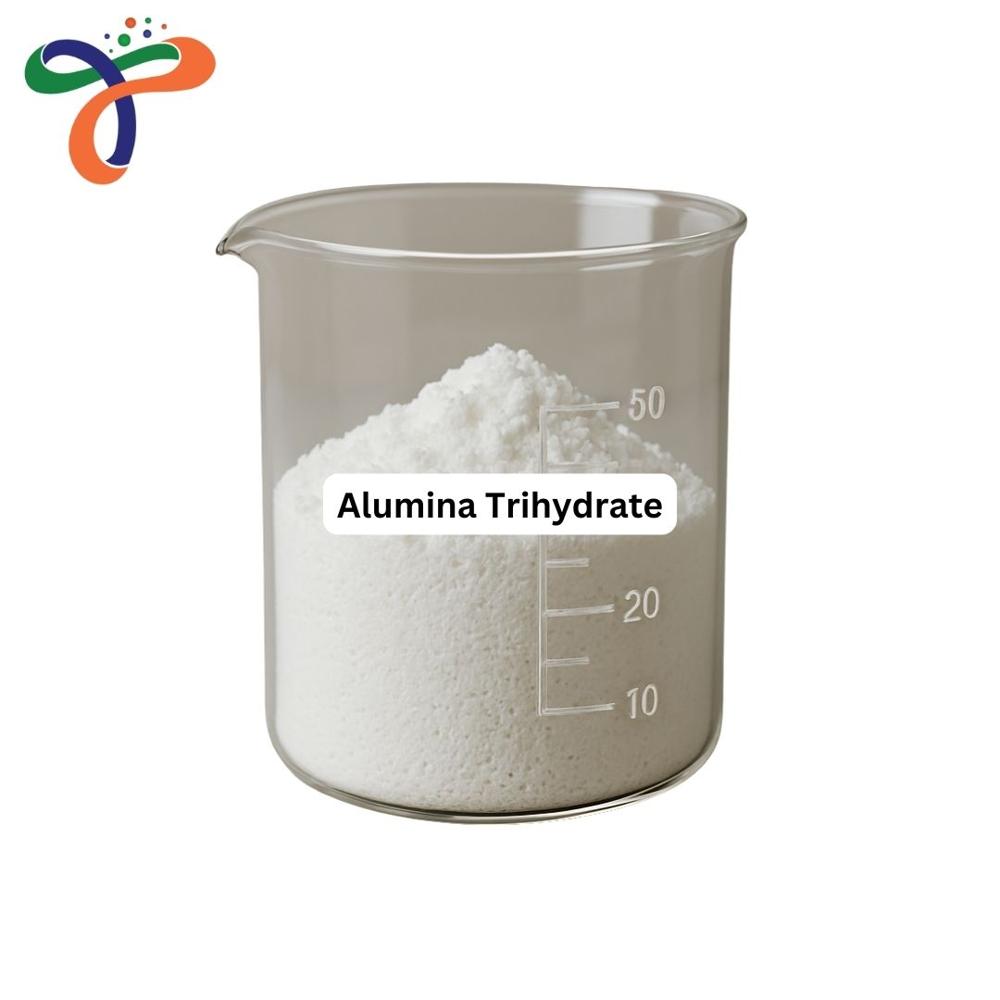

Price:

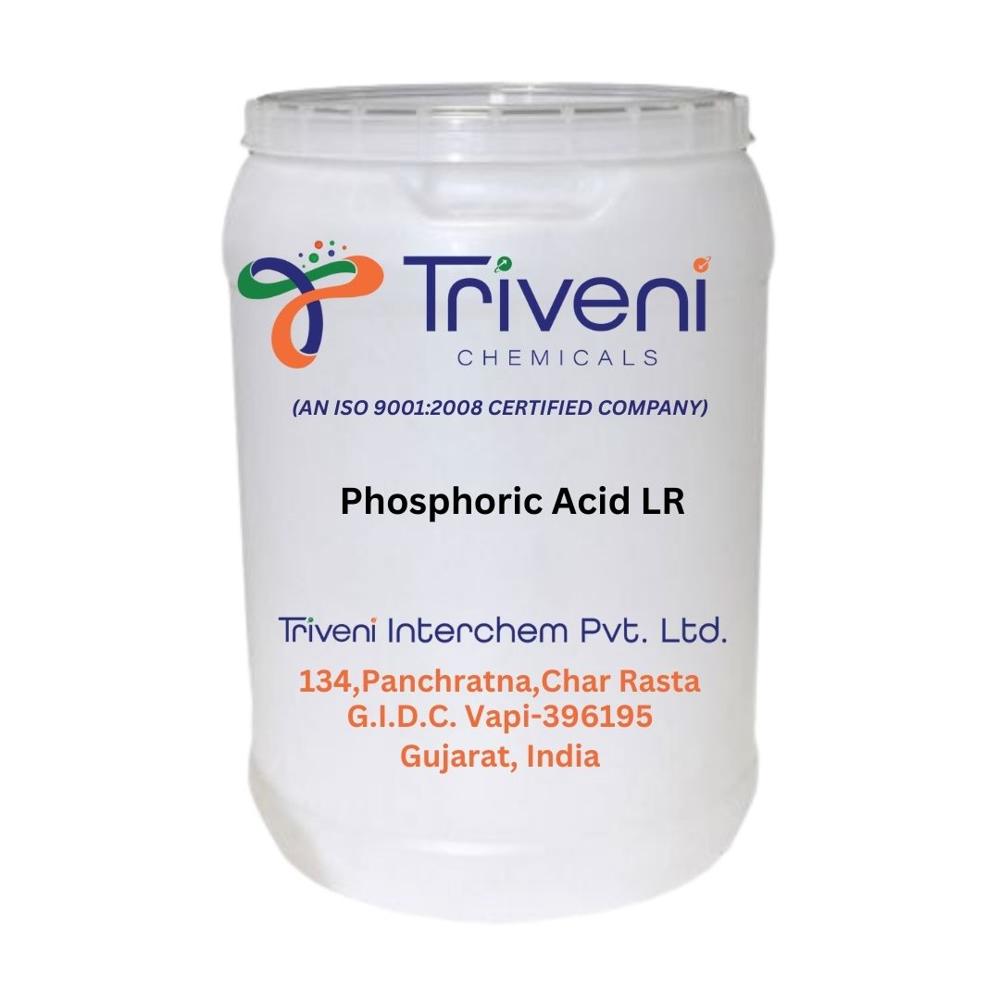
Price 800.0 INR / Kilograms
Minimum Order Quantity : 25 Kilograms
Solubility : Very soluble in water
Properties : Phosphoric Acid LR is a viscous, colorless liquid with molecular weight 98.00 g/mol. Strongly acidic, hygroscopic, and miscible with water. Stable under normal conditions but corrosive to metals and tissue. Non volatile, non flammable, and requires strict handling protocols with acid resistant containers and protective equipment.
Application : Industrial
Appearance : Colorless crystals
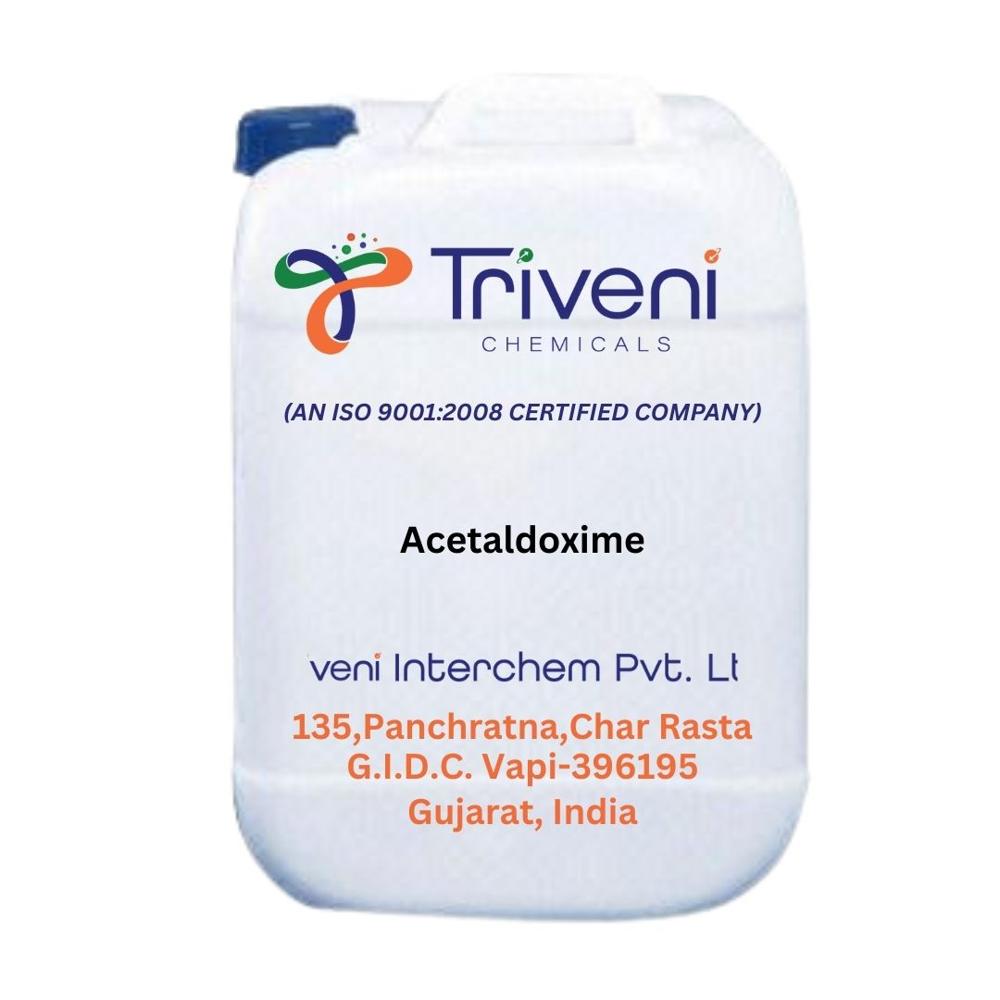
Price 860.0 INR / Kilograms
Minimum Order Quantity : 25 Kilograms
Solubility : Soluble in water and organic solvents
Properties : Colorless to pale yellow liquid, characteristic odor, flammable, stable under normal conditions
Application : Industrial
Appearance : Colorless liquid
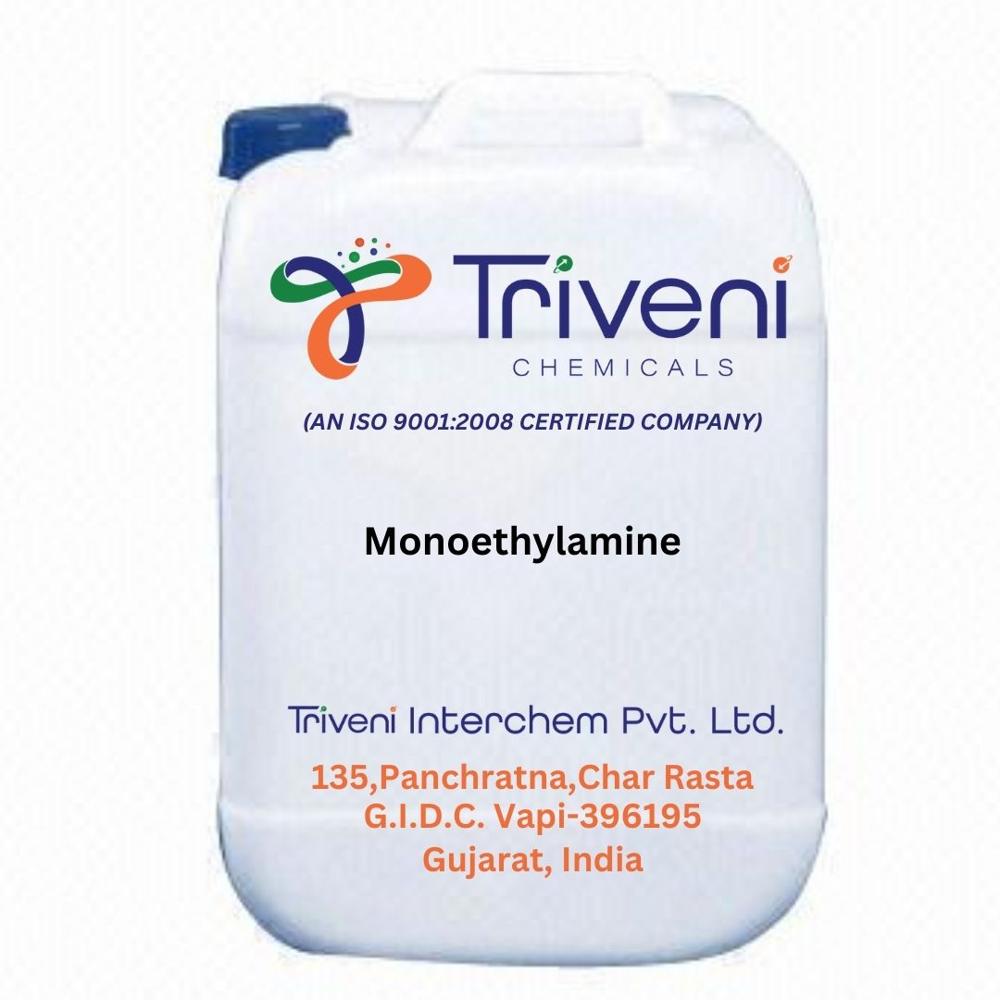
Price 46.0 INR / Kilograms
Minimum Order Quantity : 25 Kilograms
Solubility : Miscible with water
Properties : It is a colorless, flammable liquid with an ammonialike odor. It serves in gas treatment, corrosion inhibition, and manufacturing surfactants, rubber vulcanization, and textile processing.
Application : Industrial
Appearance : Colorless liquid
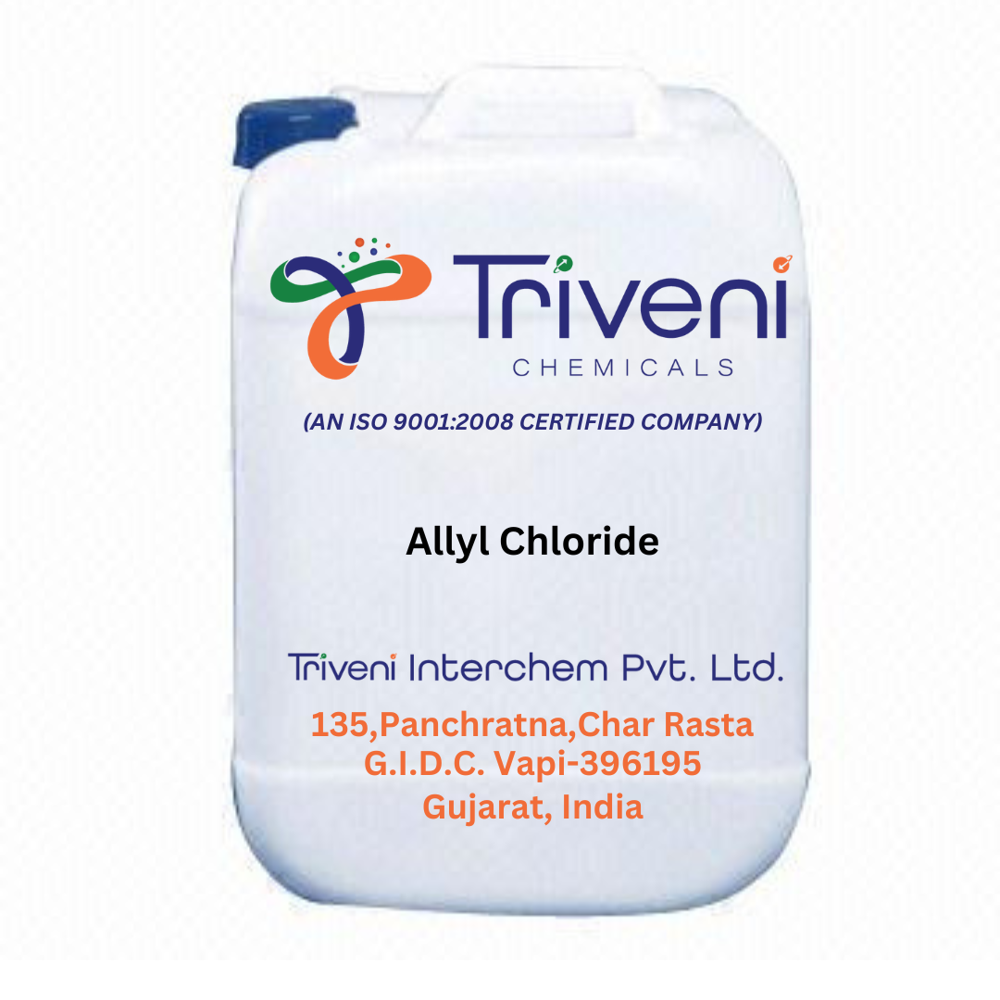
Price 147.0 INR / Kilograms
Minimum Order Quantity : 1 Kilograms
Solubility : Immiscible in water
Properties : Allyl chloride is a colorless, volatile liquid primarily used as an intermediate in the production of epichlorohydrin, which is essential for manufacturing epoxy resins. Due to its toxicity and flammability, it requires specialized handling and containment.
Application : Industrial
Appearance : Colorless liquid

Thank You!
Thank You for your valuable time. We have received your details and will get back to you shortly.


For an immediate response, please call this
number 08045816834
Price:

 Send Inquiry
 Send Inquiry
 Send Inquiry
 Call Me Free
 English
 Spanish
 French
 German
 Italian
 Chinese (Simplified)
 Japanese
 Korean
 Arabic
 Portuguese