Boron Oxide (1303-86-2) About
We are Supplier, Exporter and Contract Manufacturer.
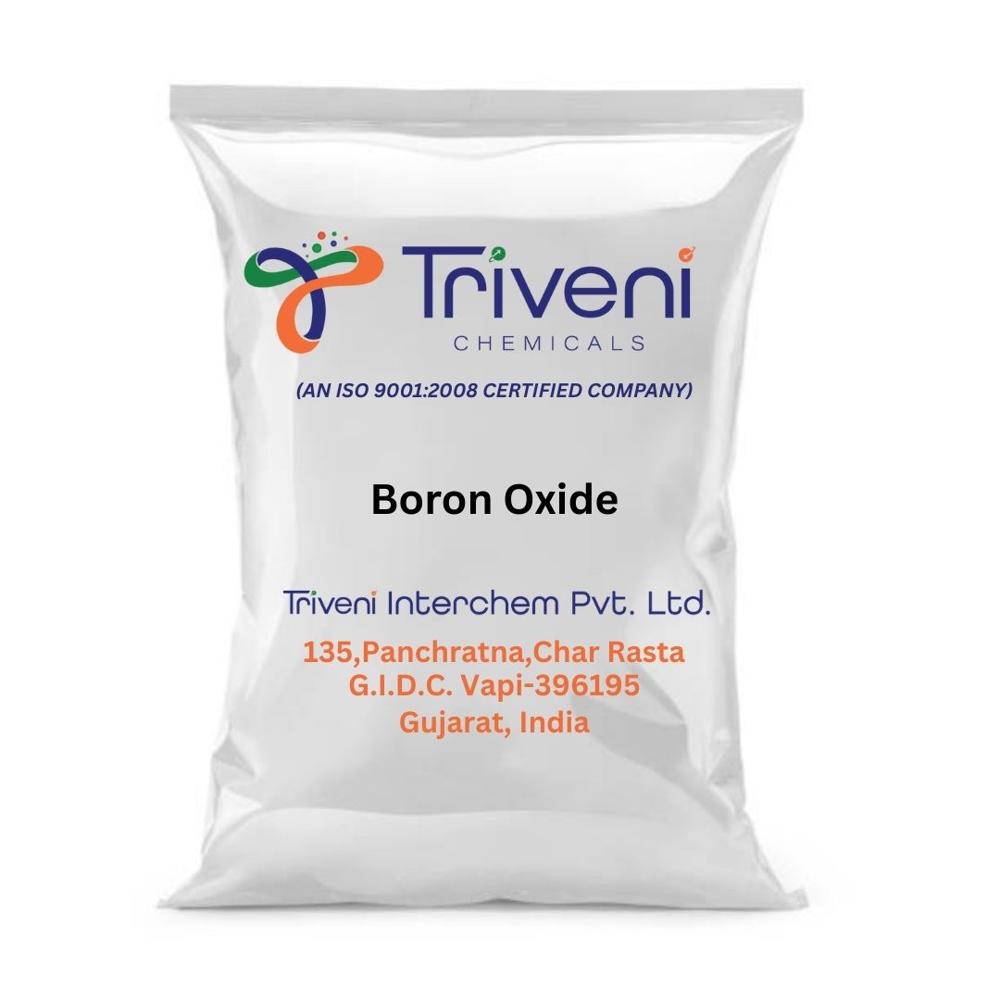
Technical profile of Boron Oxide, a high-purity raw chemical material supplied by Triveni Chemicals for industrial manufacturing and laboratory synthesis.
Technical Specifications:
CAS Number: 1303-86-2
Synonyms: Boric Anhydride, Boric Oxide
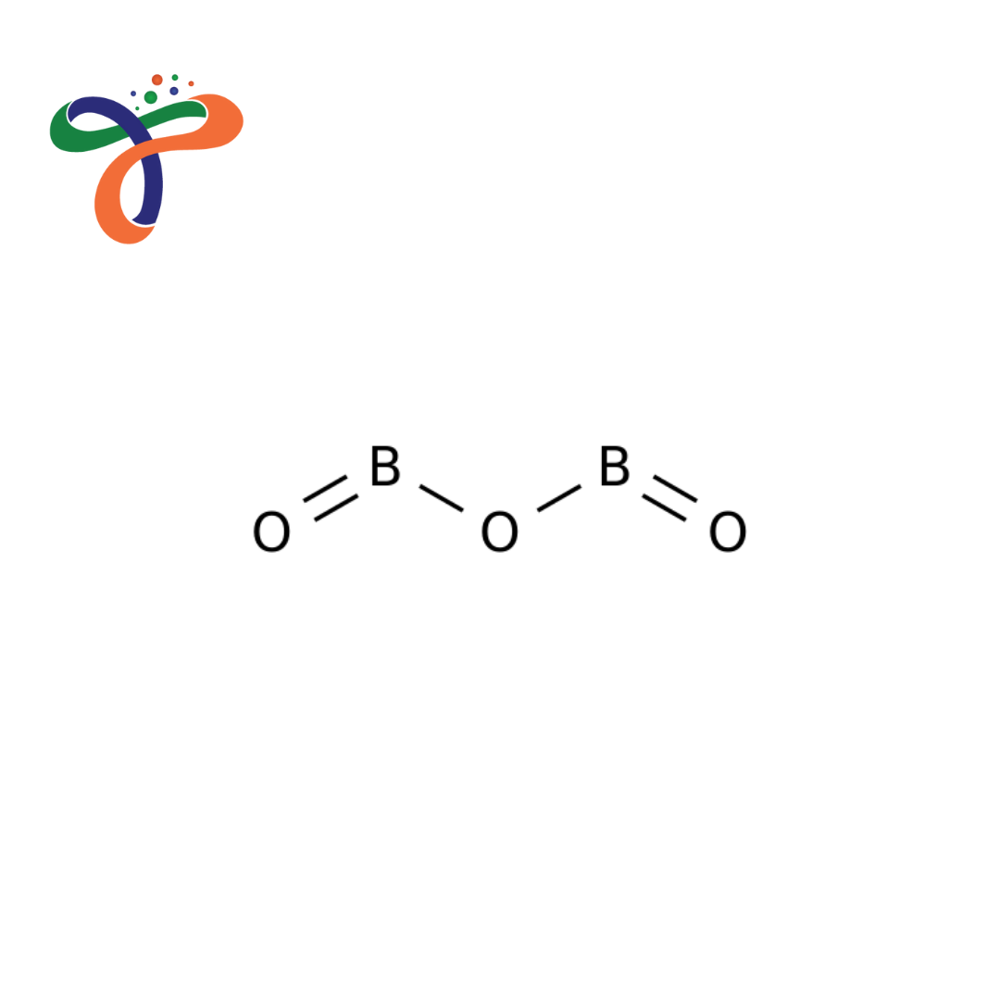
Chemical Formula: B2O3
Industrial Uses & Applications:
Boron Oxide Is An Inorganic Compound Widely Used In Glass, Ceramics, And Specialty Chemical Applications. It Is Valued For Its Excellent Fluxing Properties, High Thermal Stability, And Ability To Improve Chemical Resistance.
Versatile Industrial ApplicationsBoron oxide is integral to multiple industries due to its unique chemical and physical properties. In glassmaking, it enhances durability and heat resistance, making it essential for borosilicate glass and fiberglass. The ceramics industry relies on its fluxing capability for crafting glossy, resilient finishes and glazes, while its thermal stability supports the production of refractory materials.
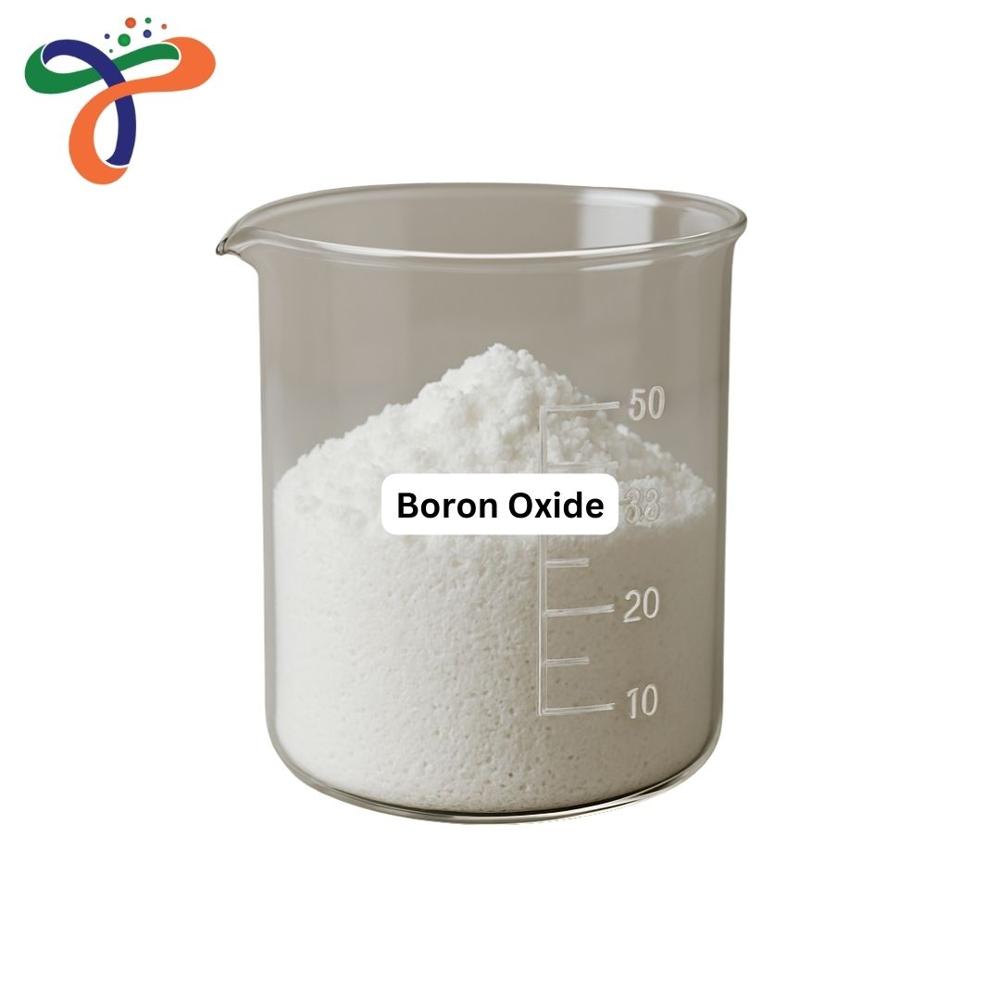
Key Chemical and Physical AttributesCharacterized by its white, powdery form, boron oxide displays a notable refractive index of 1.6 and boasts a relatively low melting point of 450C. Its high purity (99-99.5%) ensures reliable performance in demanding applications. The compound's insolubility in water and solubility in acids make it suitable for specialized chemical processes.
FAQ's of Boron Oxide (1303-86-2):
Q: How is Boron Oxide used in glass and ceramic production?
A: Boron oxide serves as a flux in glass and ceramic manufacturing, lowering the melting temperature and improving the thermal and chemical resistance of the final products. It is particularly important for producing heat-resistant borosilicate glass, fiberglass, enamels, and glossy ceramic glazes.
Q: What benefits does Boron Oxide provide when used as a filler in glazes and enamels?
A: When utilized as a filler, boron oxide enhances the gloss, durability, and chemical stability of glazes and enamels. It contributes to uniform melting and prevents defects, resulting in superior surface finishes and long-lasting products.
Q: Where is Boron Oxide manufactured and supplied from?
A: This high-purity Boron Oxide is manufactured and supplied by specialized chemical producers in India, ensuring compliance with industrial standards and consistent product quality for global and domestic markets.
Q: What makes Boron Oxide essential in refractory materials?
A: Boron oxide's high thermal stability and low melting point make it ideal for use in refractory materials, where it helps withstand extreme heat and harsh operating conditions commonly encountered in furnaces and kilns.
Q: When should Boron Oxide be used in industrial processes?
A: Boron oxide should be introduced during the mixing or fusion steps of glass, ceramic, or refractory material production to optimize melt properties and enhance the structural integrity and performance of the final products.
Q: How is Boron Oxide typically handled and processed?
A: Boron oxide, typically supplied as a white powder, should be stored in sealed containers in a dry area. During handling, personal protective equipment is recommended to prevent inhalation or contact, as the fine powder can be irritant.






 Send Inquiry
 Send Inquiry
 Send Inquiry
 English
 Spanish
 French
 German
 Italian
 Chinese (Simplified)
 Japanese
 Korean
 Arabic
 Portuguese