Butyl Methacrylate (97-88-1) About
We are Supplier, Exporter and Contract Manufacturer.
Technical profile of Butyl Methacrylate, a high-purity raw chemical material supplied by Triveni Chemicals for industrial manufacturing and laboratory synthesis.
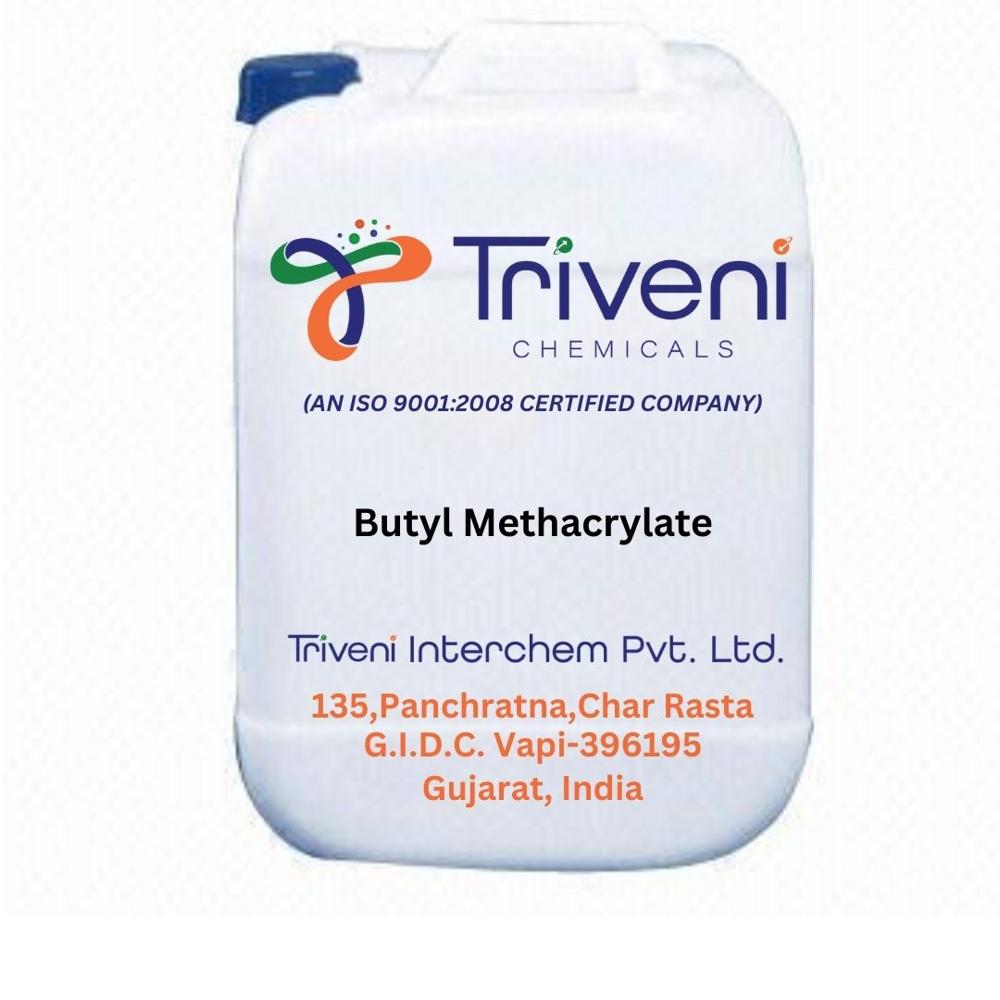
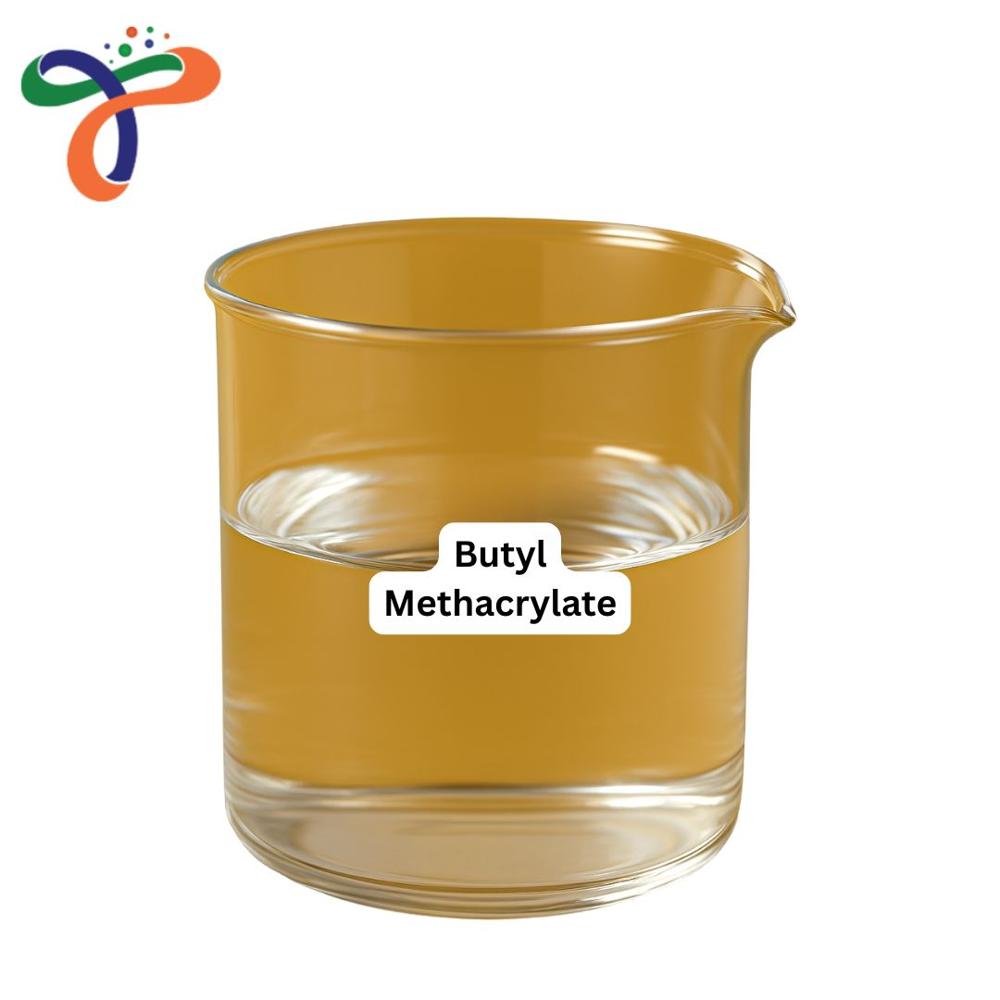
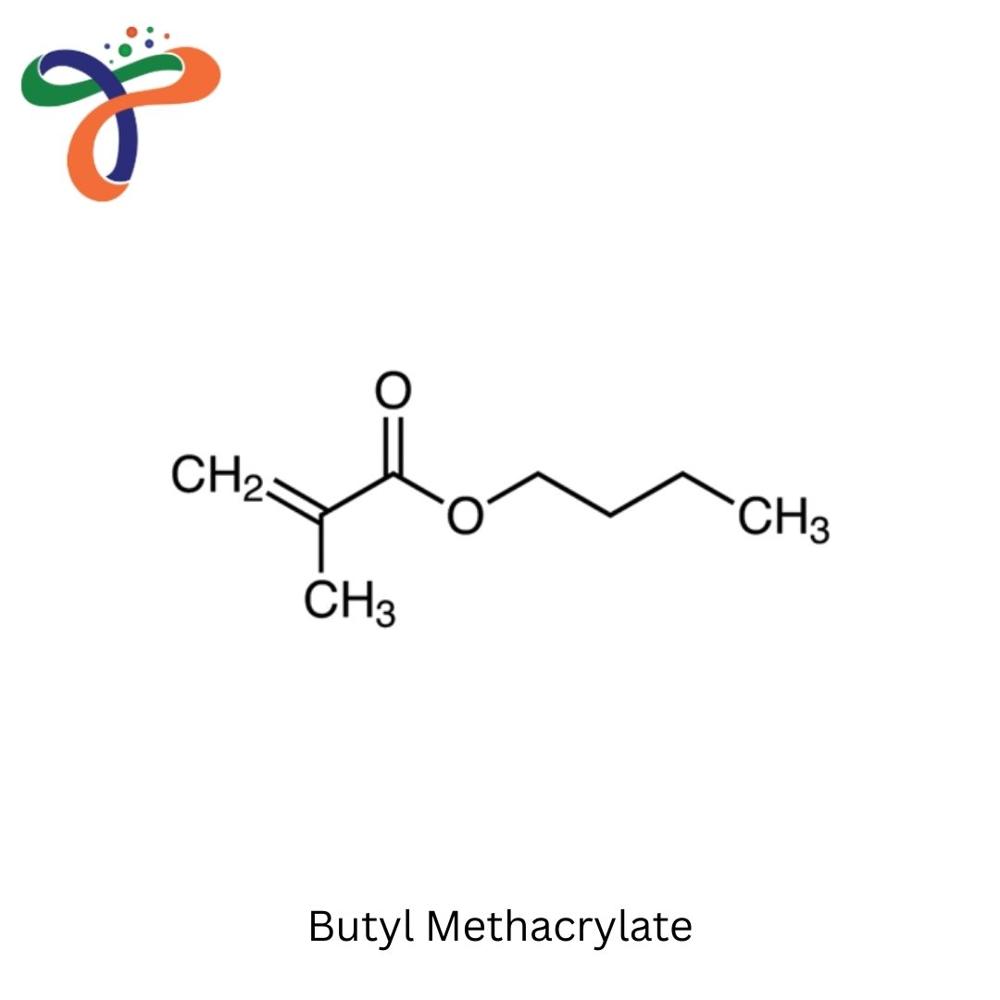
Butyl Methacrylate (BMA) is an acrylic ester monomer with the chemical formula C8H14O2 and molecular weight 156.22 g/mol. It appears as a clear, colorless liquid with a mild ester-like odor. It is slightly soluble in water and miscible with most organic solvents. It is flammable and highly reactive due to its vinyl double bond, and may polymerize if not stabilized.
In terms of uses and applications, Butyl Methacrylate is widely used in the polymer, coatings, and adhesive industries as a key monomer for producing acrylic resins and copolymers. It improves flexibility, impact resistance, and weatherability of polymers. It is commonly used in paints, varnishes, automotive coatings, adhesives, sealants, and plastics. In the textile and paper industries, it is used for surface coatings and finishing agents. Additionally, it finds application in emulsions, plastics modification, and specialty chemical formulations where durable and flexible acrylic materials are required.
Versatile Applications in IndustryButyl Methacrylate is essential in the manufacture of high-performance acrylic polymers and specialty resins. Its compatibility with a variety of organic solvents and resilience to acids and alkalis make it a prime choice in coatings, adhesives, and flexible polymer formulations. Manufacturers and suppliers in India and worldwide prefer it for its ability to enhance product weatherability and chemical resistance.
Safe Storage and HandlingGiven its flammable nature and defined flash point of 49C, Butyl Methacrylate should be handled with caution. Storage in a cool, well-ventilated area, away from sources of heat or ignition, is crucial. Under these conditions, the compound remains stable. Exposure to high temperatures, however, can lead to decomposition. Proper handling ensures the material's long-term integrity and safety.
FAQ's of Butyl Methacrylate (97-88-1):
Q: How is Butyl Methacrylate typically used in industry?
A: Butyl Methacrylate is primarily used as a monomer in the production of acrylic polymers and resins. It also finds applications in the formulation of coatings, adhesives, and various specialty polymers, owing to its flexibility and chemical resistance.
Q: What are the recommended storage conditions for Butyl Methacrylate?
A: It should be stored in a cool, well-ventilated area, away from heat sources and direct sunlight. Keeping it sealed and away from ignition points ensures stability and reduces the risk of fire, given its classification as a flammable liquid.
Q: When does Butyl Methacrylate decompose during processing?
A: Butyl Methacrylate remains stable under recommended conditions but will decompose if exposed to temperatures above 200C. During processing, maintaining temperatures below this threshold ensures product quality and safety.
Q: Where is Butyl Methacrylate most commonly sourced?
A: It is manufactured and supplied by chemical companies worldwide, including prominent suppliers in India, catering to industrial requirements for polymer production and specialty chemicals.
Q: What are the main benefits of using Butyl Methacrylate in polymers and coatings?
A: The primary benefits include excellent chemical resistance, good weatherability, and the ability to form flexible polymers. These attributes enhance the durability and performance of finished products such as coatings and adhesives.
Q: How soluble is Butyl Methacrylate in different solvents?
A: Butyl Methacrylate is insoluble in water but dissolves readily in alcohol, ether, and most organic solvents. This solubility profile makes it adaptable for diverse industrial formulations.






 Send Inquiry
 Send Inquiry
 Send Inquiry
 Call Me Free
 English
 Spanish
 French
 German
 Italian
 Chinese (Simplified)
 Japanese
 Korean
 Arabic
 Portuguese