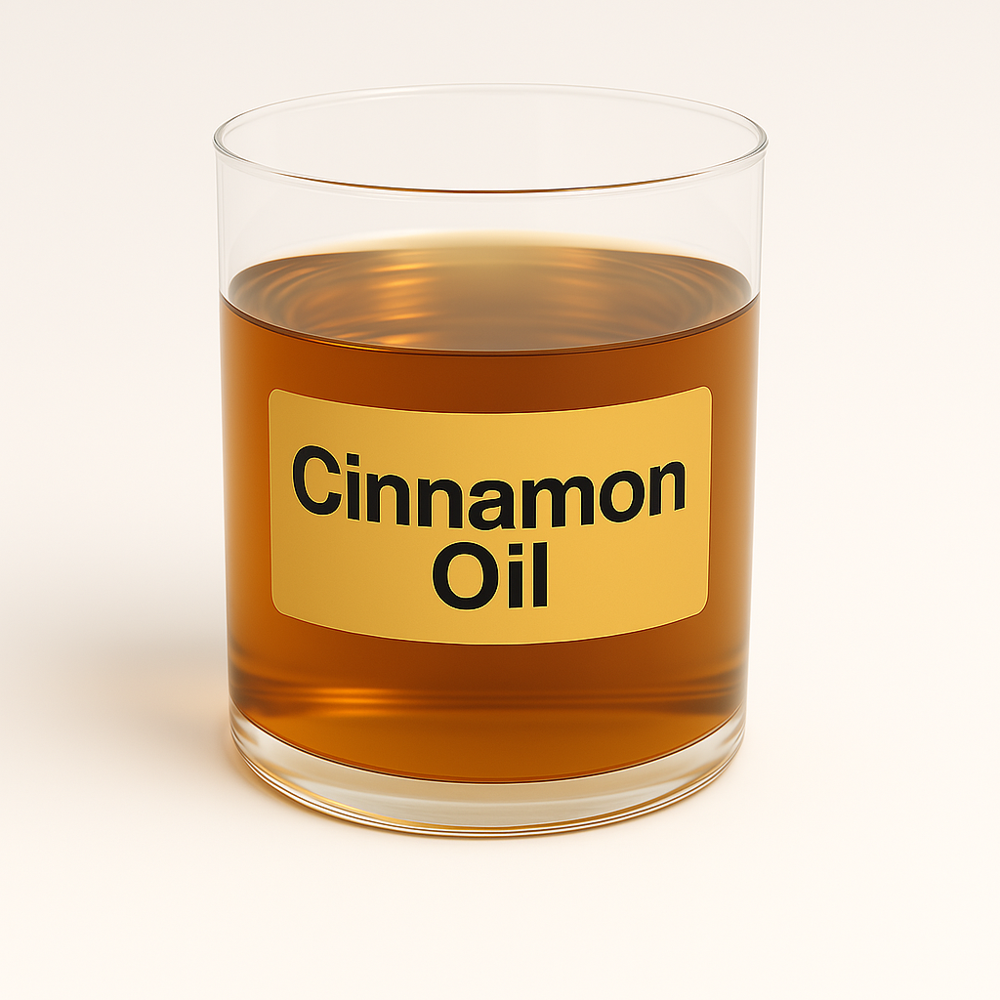
About Cinnamon Oil
Cinnamon Oil is an essential oil derived from the bark and leaves of the
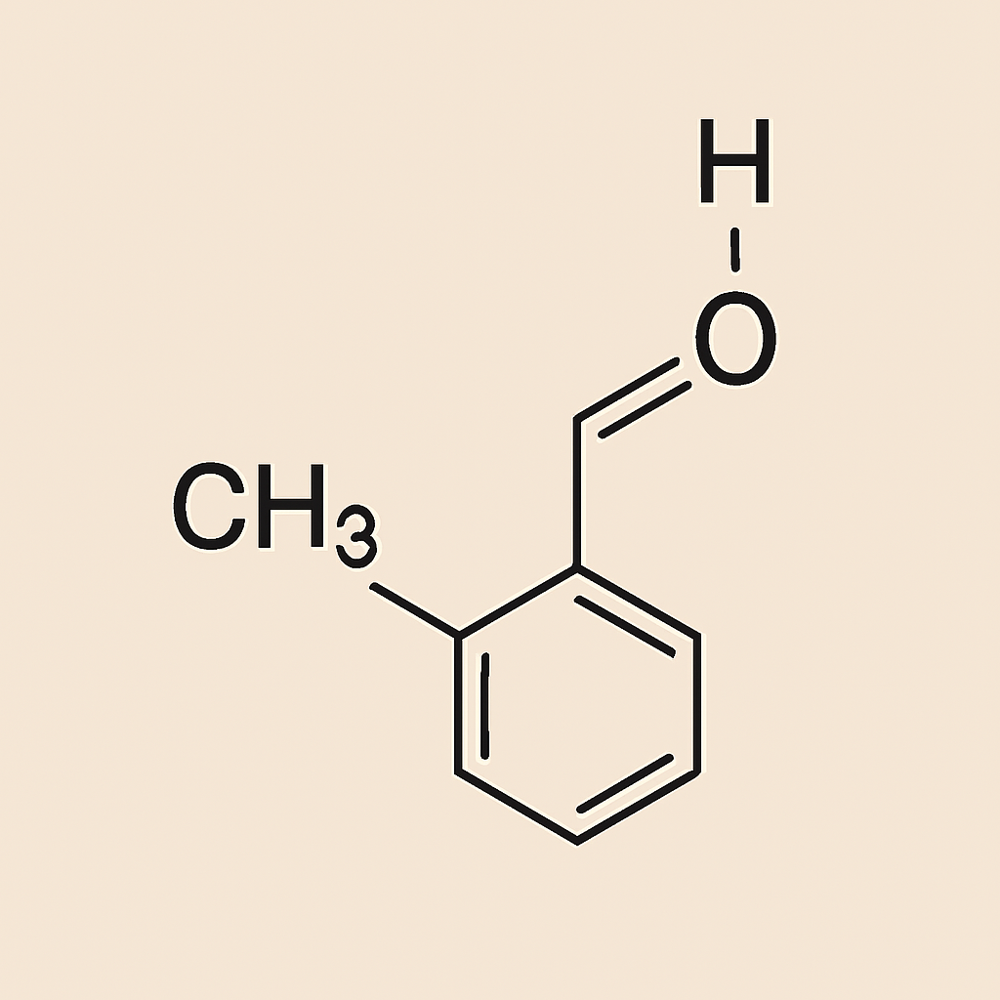
Cinnamomum tree. It is known for its warm, spicy aroma and powerful therapeutic properties. Rich in cinnamaldehyde and eugenol, it exhibits strong antimicrobial, antifungal, and antioxidant activity.
Rich Aromatic Profile & Versatile UsesCinnamon oil's unmistakable warm, spicy aroma makes it a prized ingredient for aromatherapy sessions, food flavoring, and industrial fragrance blends. Its distinct scent uplifts the atmosphere, making it popular in diffusers and personal care products. The oil also plays a critical role in medicinal and holistic practices, helping to promote relaxation and mental well-being.
Bioactive Composition & Potent PropertiesThe high concentration of cinnamaldehyde and eugenol gives cinnamon oil robust antimicrobial, antifungal, and antioxidant capabilities. These attributes make it effective for supporting oral health, managing infections, and protecting surfaces or products from microbial growth. Its fixed oil solubility further enhances formulation options for various industries.
Safe Handling and Manufacturing StandardsProduced and supplied by reputable manufacturers in India, cinnamon oil conforms to strict quality norms, maintaining a purity level of 98.00%. When handling or using the oil, precautions should be observed due to its potent nature, ensuring proper dilution and application consistent with recommended guidelines for aromatherapy, medicinal, and food use.
FAQ's of Cinnamon Oil:
Q: How can cinnamon oil be safely used in aromatherapy to uplift mood and reduce stress?
A: Cinnamon oil may be diffused alone or blended with compatible essential oils. Always dilute it with carrier oils before topical use, as its concentrated form may irritate the skin. Inhalation through gentle diffusion stimulates circulation, relieves stress, and enhances mental alertness, creating a comforting atmosphere.
Q: What are the key bioactive compounds found in cinnamon oil, and why are they important?
A: Cinnamon oil is rich in cinnamaldehyde and eugenol, known for their antimicrobial, antifungal, and antioxidant properties. These compounds support oral health, fight infections, and protect against environmental damage by neutralizing harmful microbes and free radicals.
Q: When is cinnamon oil most beneficial for medicinal applications?
A: Cinnamon oil is particularly beneficial for treating minor infections and supporting oral health due to its antimicrobial properties. It can also be used in topical formulations for fungicidal action, or as an ingredient in natural remedies that promote immune support and general wellness.
Q: Where is cinnamon oil typically sourced and manufactured?
A: Cinnamon oil is derived from the bark or leaves of Cinnamomum species, with India being a prominent manufacturer and supplier. The oil undergoes strict quality control to achieve a high purity level suitable for multiple industries and applications.
Q: What is the process for obtaining cinnamon oil from Cinnamomum species?
A: The oil is extracted via steam distillation of the plant's bark or leaves, concentrating its volatile components. This method preserves the integrity of cinnamaldehyde and eugenol, ensuring that the final product retains its characteristic aroma and bioactivity.
Q: How does cinnamon oil benefit food and industrial applications?
A: In food, cinnamon oil is used for its flavoring and natural preservative qualities, while in industry, it enhances fragrances and serves as a functional antimicrobial component in products like cleaners and cosmetics.








 Send Inquiry


 Send Inquiry
 Send Inquiry
 Call Me Free
 English
 Spanish
 French
 German
 Italian
 Chinese (Simplified)
 Japanese
 Korean
 Arabic
 Portuguese