
Call us now
08045816834
Call us now
08045816834

We Are Supplier, Exporter And Contract Manufacturer.Technical Profile Of D-Carvone, A High-Purity Raw Chemical Material Supplied By Triveni Chemicals For Industrial Manufacturing And Laboratory Synthesis.
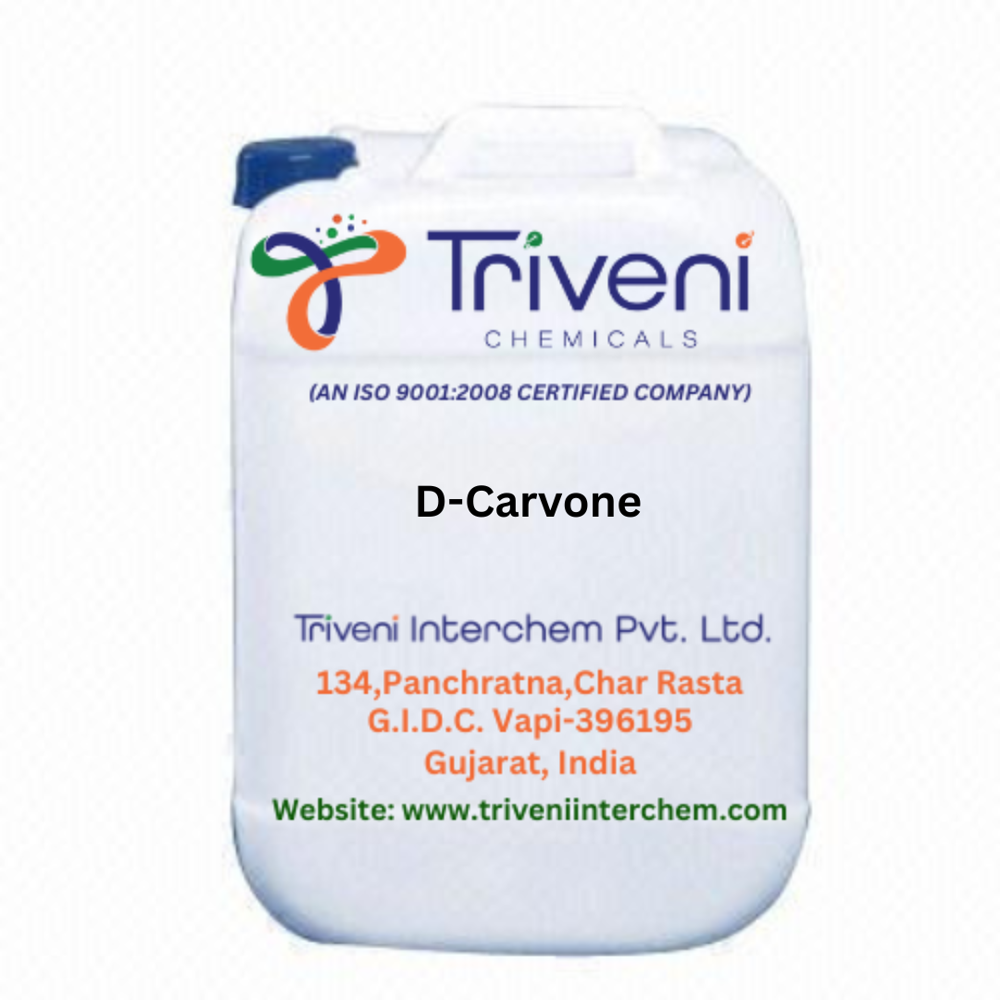
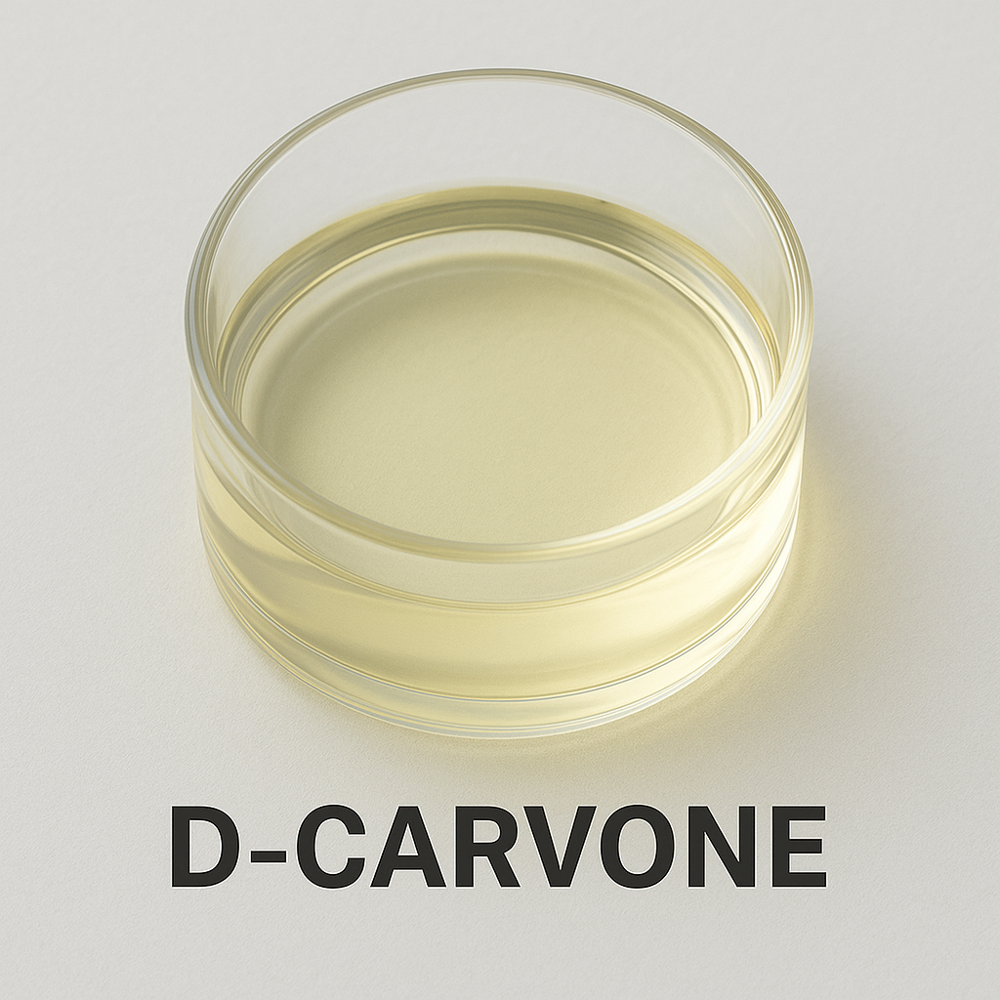
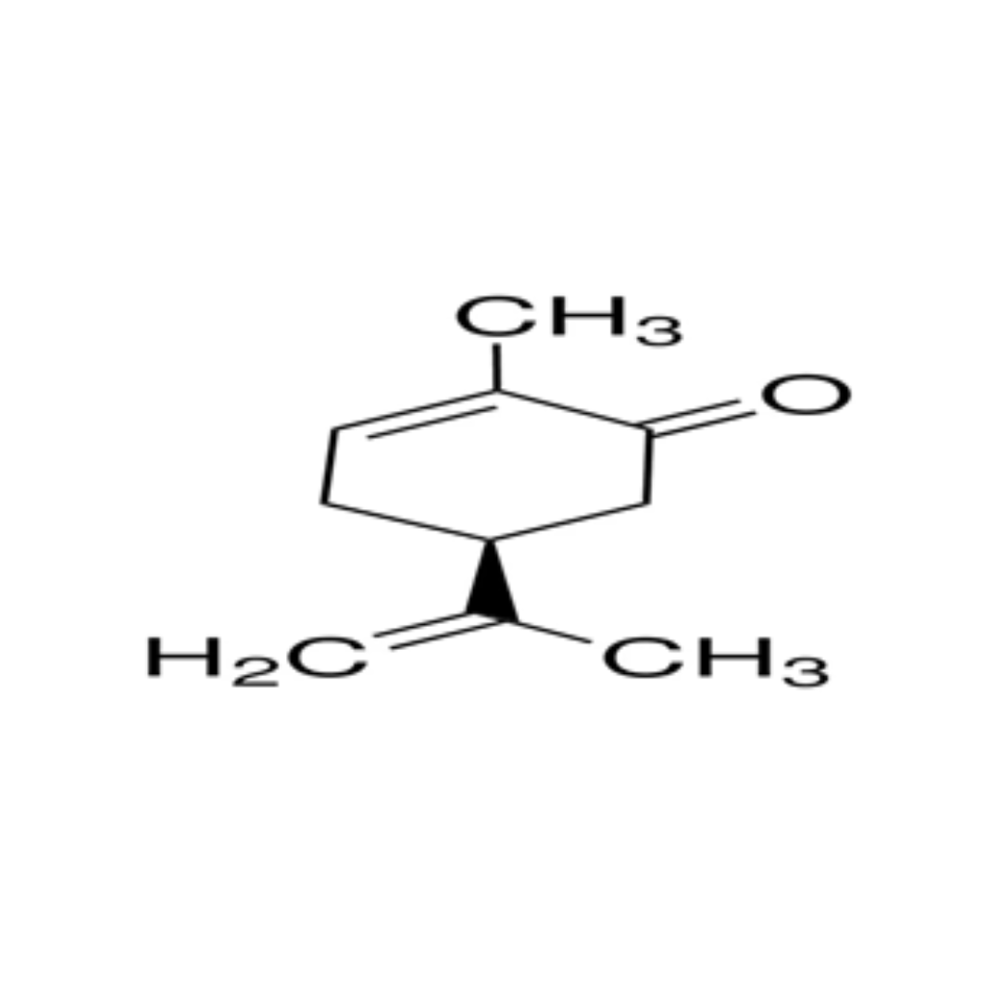

Price:

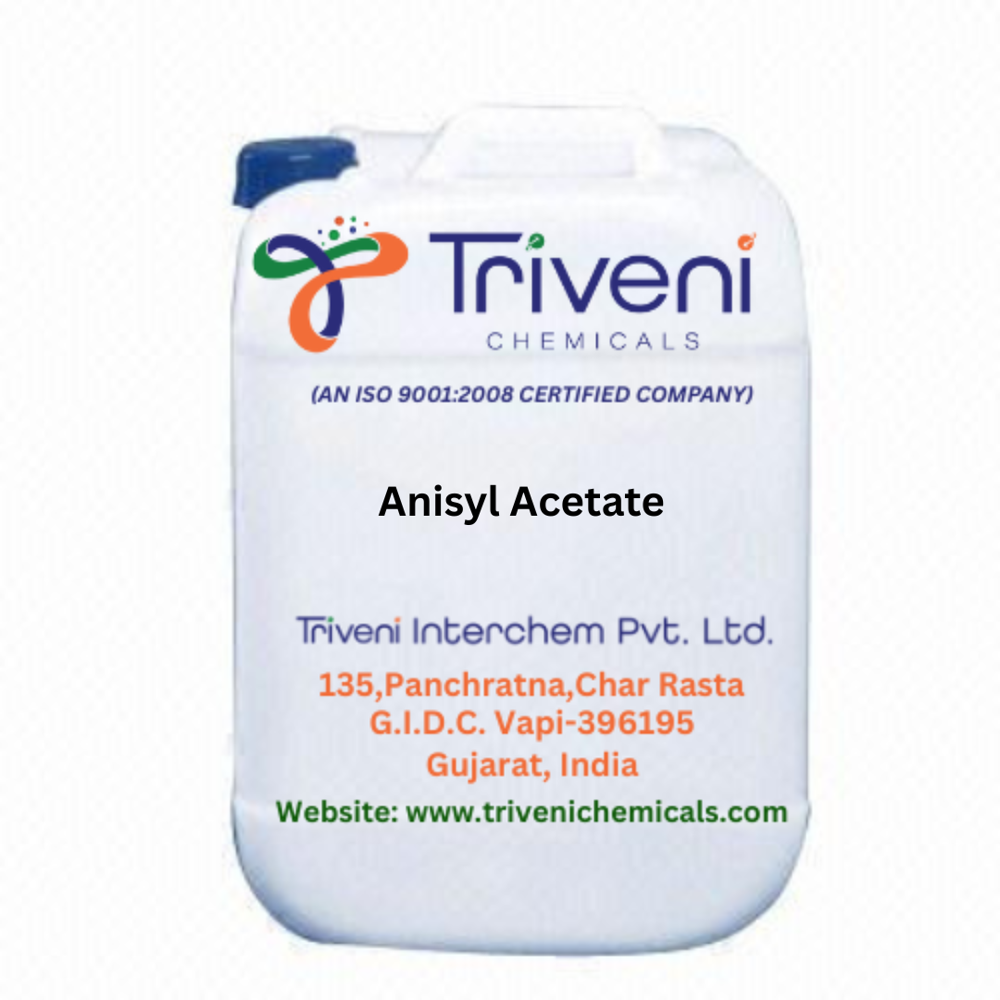
Price 975.0 INR / Kilograms
Minimum Order Quantity : 25 Kilograms
CAS No : 104212
Molecular Weight : 180.20 g/mol Grams (g)
Usage : As a flavoring agent and fragrance in personal care and household products
Physical Form : Liquid
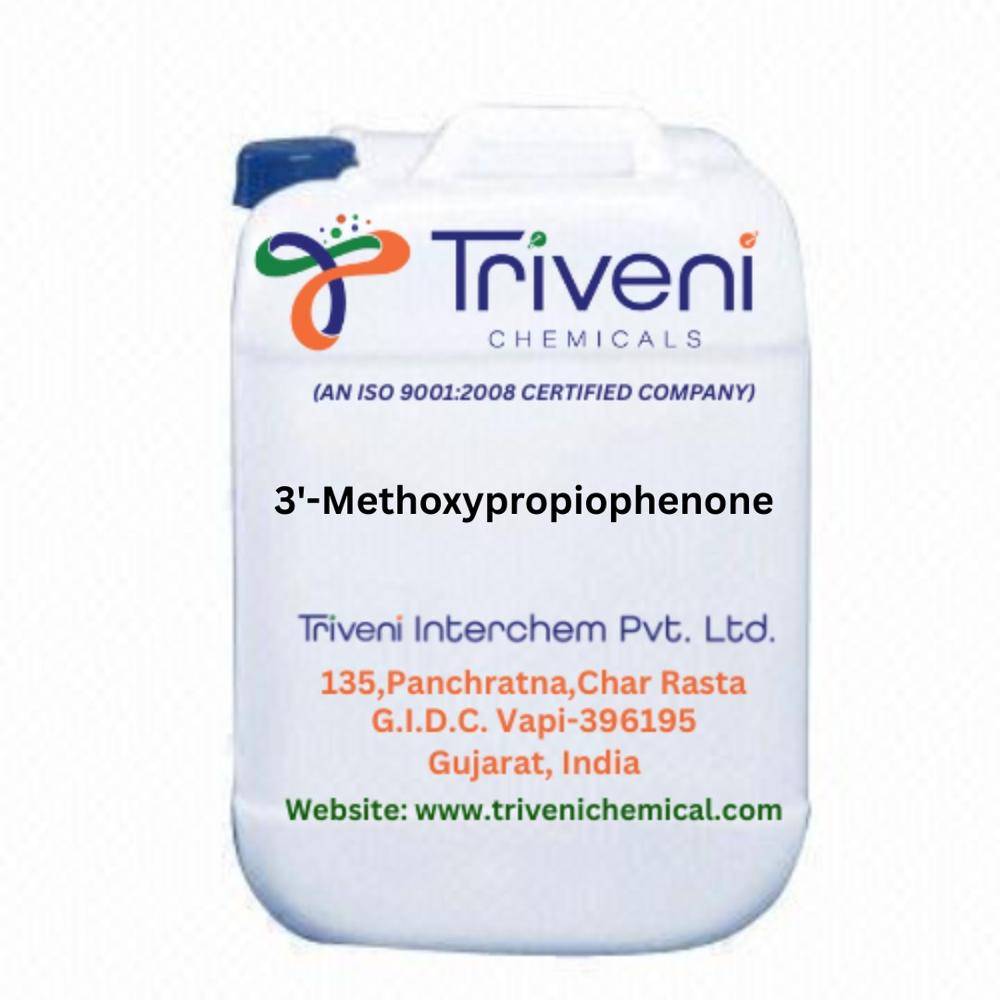
Price 6000.0 INR / Liter
Minimum Order Quantity : 1 Liter
CAS No : 37951498
Molecular Weight : 164.20 g/mol
Usage : Used in preparation of APIs, research, and fine chemicals
Physical Form : Liquid
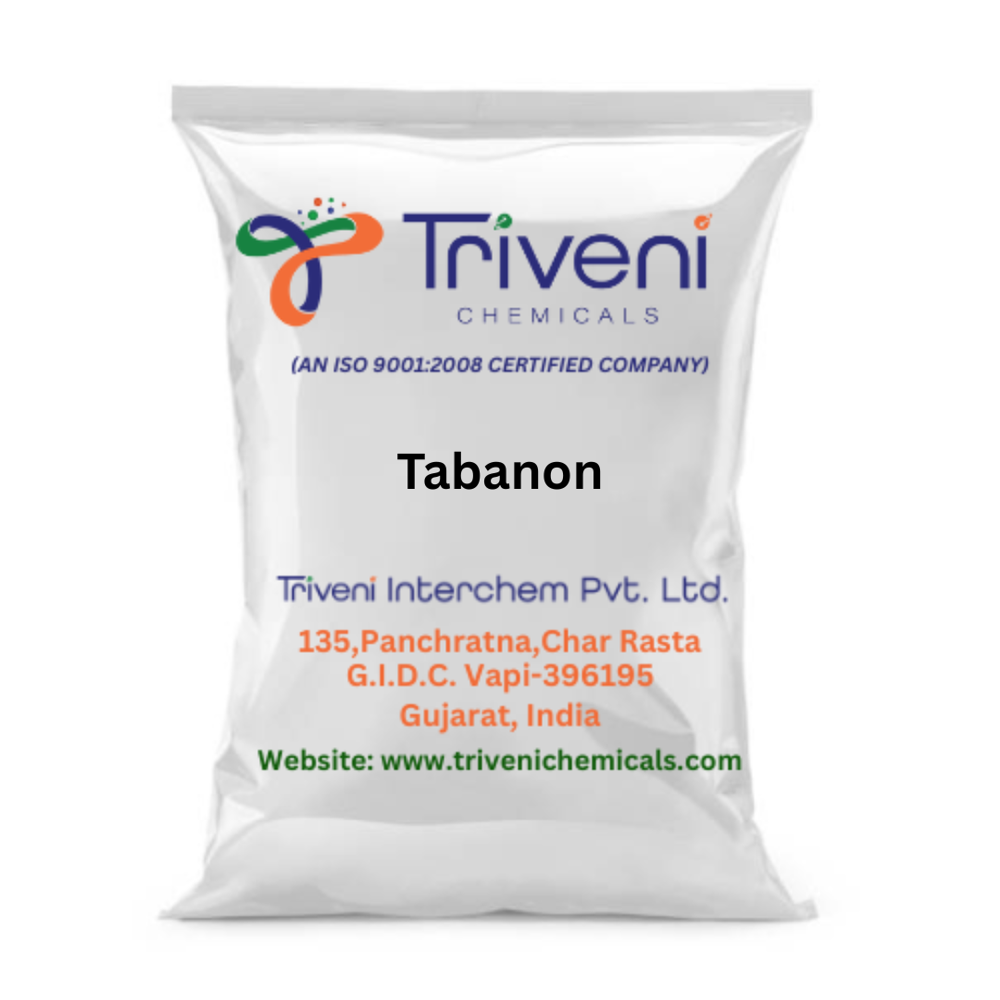
Price 1100.0 INR / Kilograms
Minimum Order Quantity : 25 Kilograms
CAS No : 13215888
Molecular Weight : 190.28 g/mol Grams (g)
Usage : It is primarily used in perfumery as a fixative and fragrance ingredient, and in flavor and aroma chemical formulations.
Physical Form : Liquid
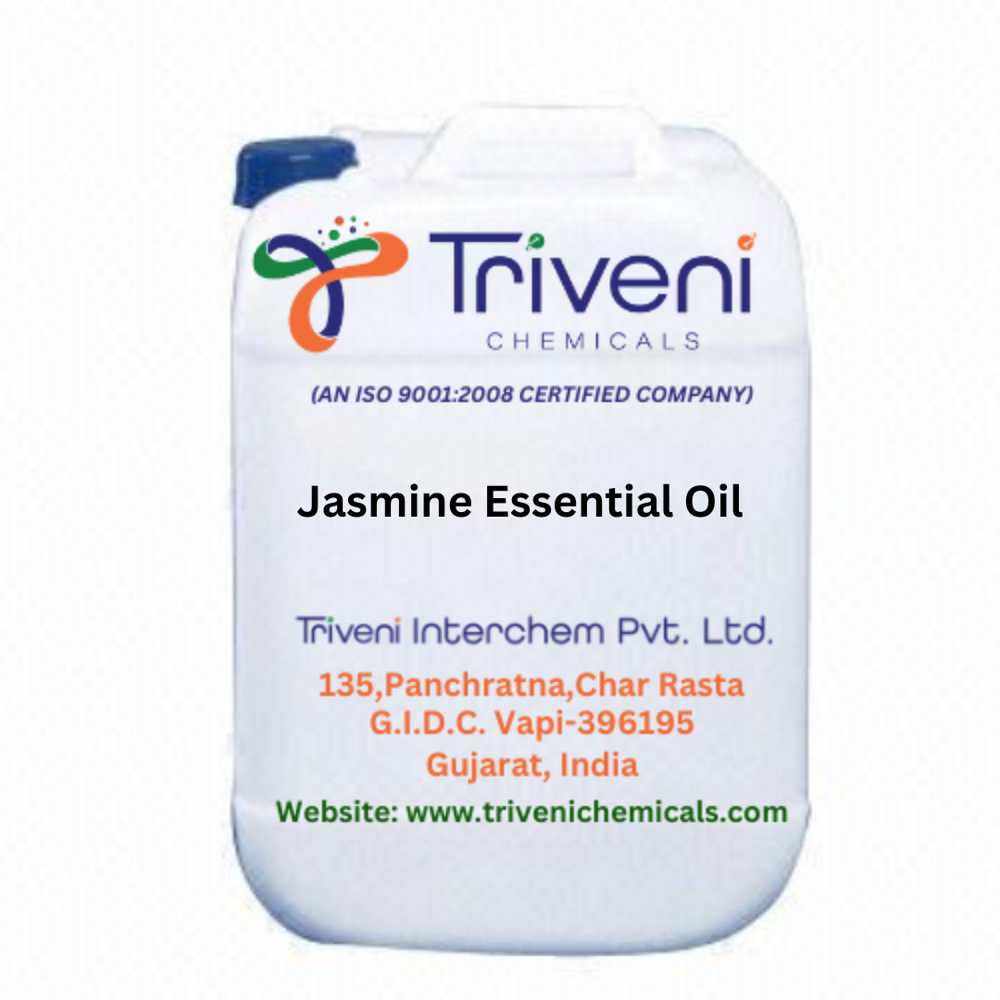
Price 2400.0 INR / Kilograms
Minimum Order Quantity : 25 Kilograms
CAS No : 8022966
Molecular Weight : 136.23 g/mol Grams (g)
Usage : It is used in perfumes, cosmetics, and aromatherapy for its luxurious fragrance and moodenhancing, soothing properties.
Physical Form : Liquid

Thank You!
Thank You for your valuable time. We have received your details and will get back to you shortly.


For an immediate response, please call this
number 08045816834
Price:

 Send Inquiry
 Send Inquiry
 Send Inquiry
 English
 Spanish
 French
 German
 Italian
 Chinese (Simplified)
 Japanese
 Korean
 Arabic
 Portuguese