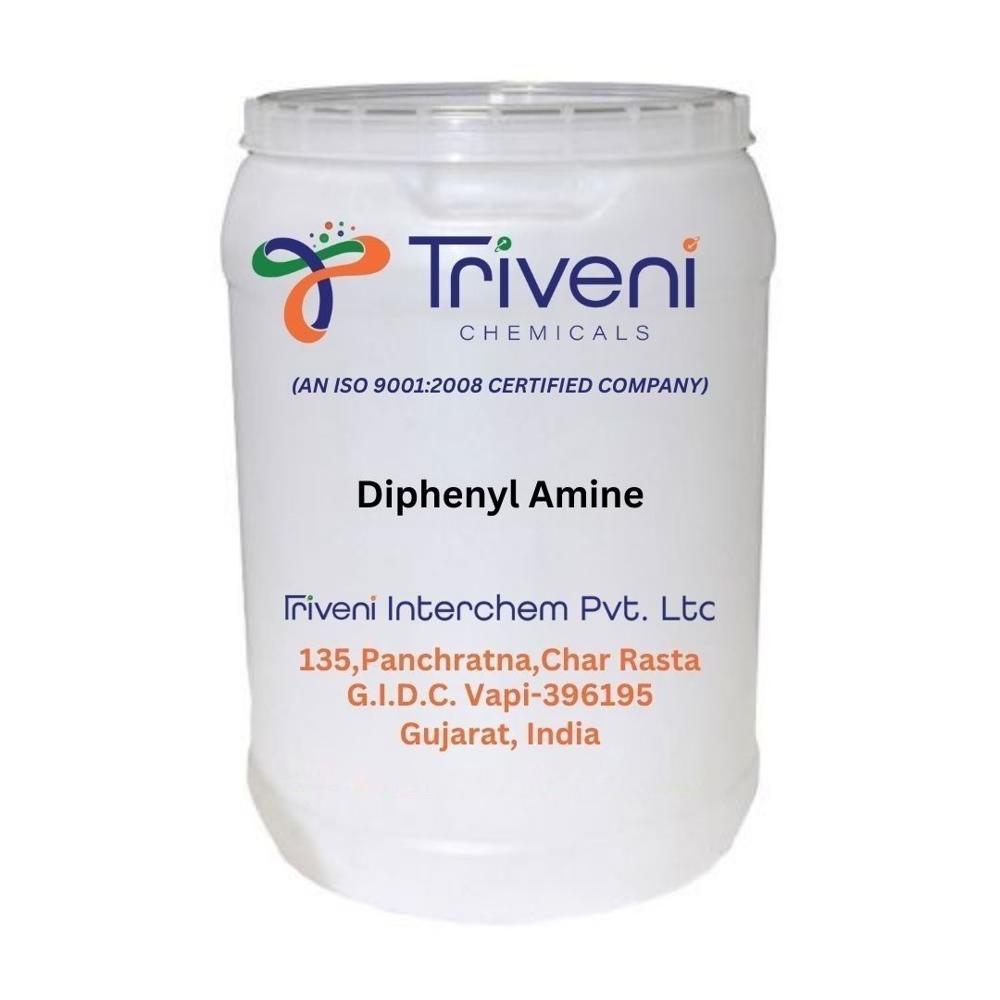
Diphenyl Amine (122-39-4) About
We are Supplier, Exporter and Contract Manufacturer.
Technical profile of Diphenyl Amine, a high-purity raw chemical material supplied by Triveni Chemicals for industrial manufacturing and laboratory synthesis.
Technical Specifications:
CAS Number: 122-39-4
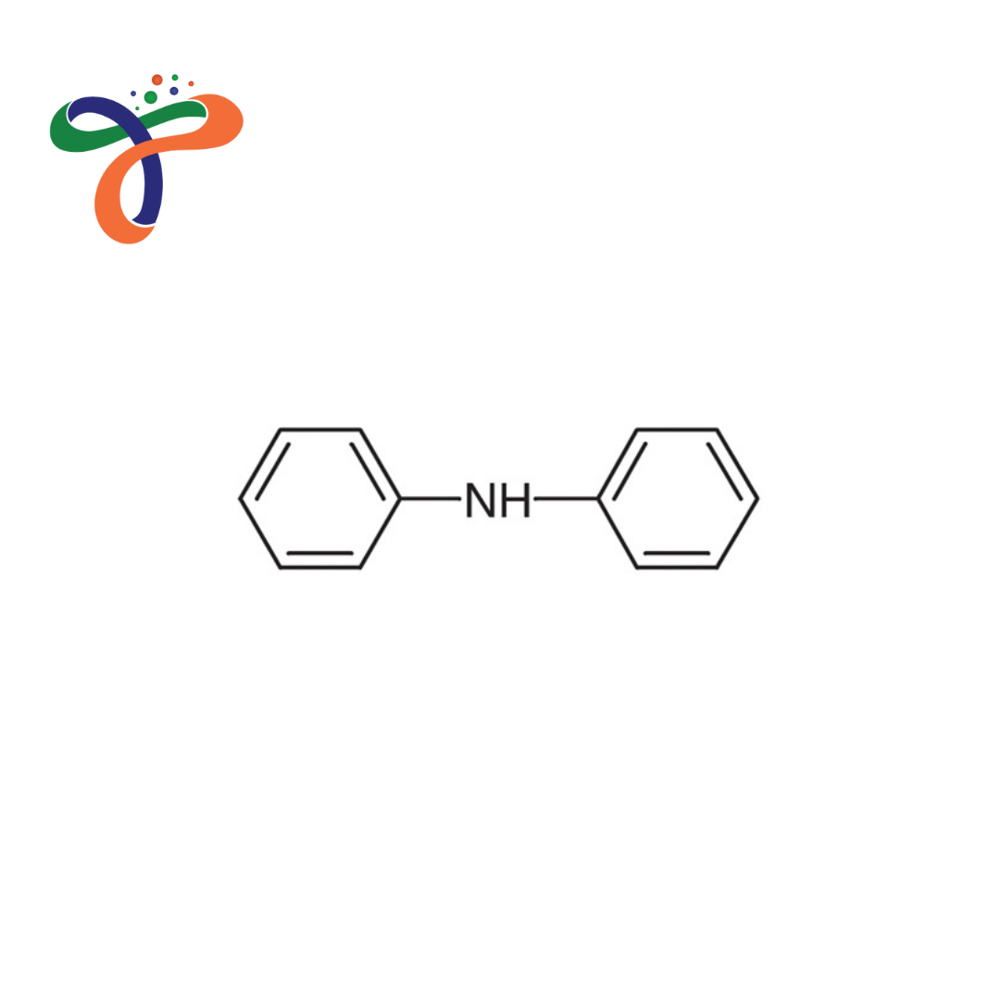
Synonyms: N-Phenylbenzenamine, N,N-Diphenylamine
Chemical Formula: C12H11N
Industrial Uses & Applications:
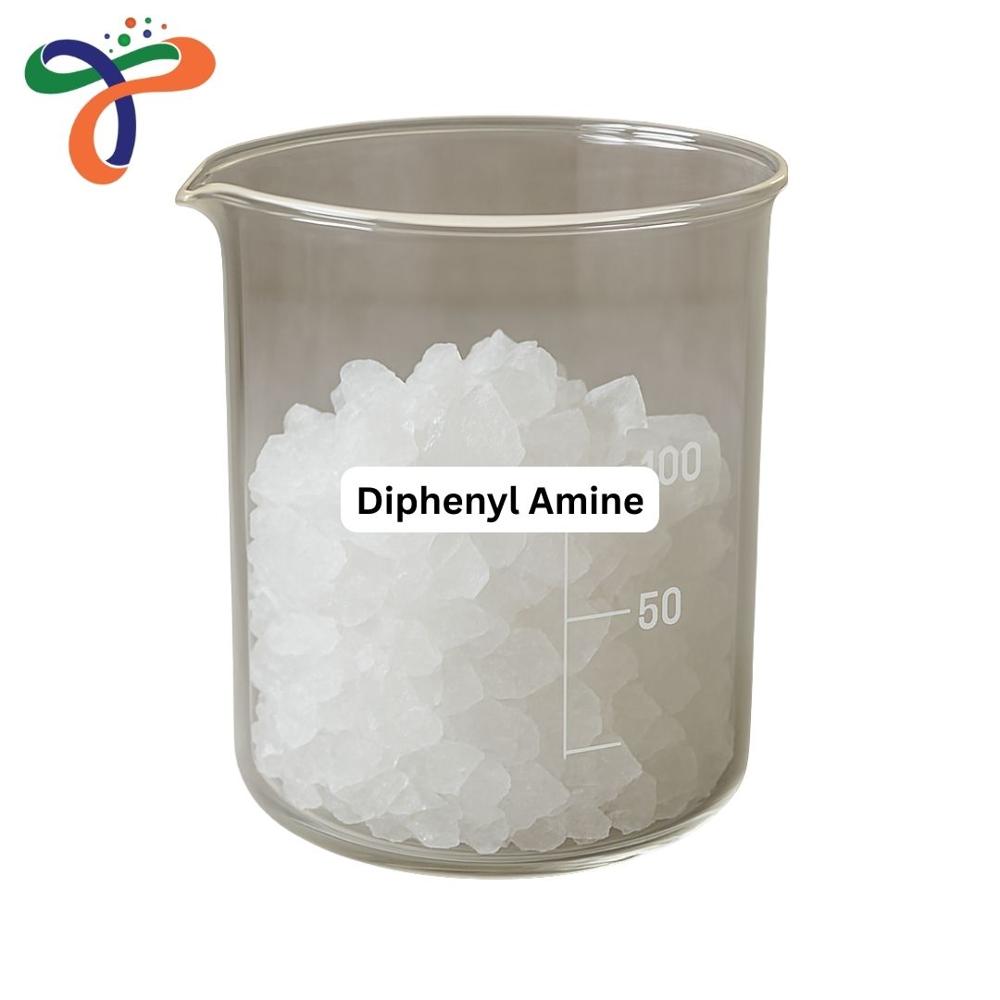
It Appears As A White To Pale Brown Crystalline Solid With A Faint Aromatic Odor And Low Solubility In Water, But Good Solubility In Organic Solvents. Diphenyl Amine Is Widely Used As An Antioxidant And Stabilizer In Rubber, Lubricants, Fuels, And Plastics To Prevent Oxidative Degradation. It Is Also Employed As An Intermediate In The Manufacture Of Dyes, Pharmaceuticals, And Agrochemicals.
Key Properties of Diphenyl AmineDiphenyl Amine is notable for its stability and antioxidative properties, making it invaluable across various industries. As a solid crystalline aromatic amine, it's primarily utilized as a stabilizer for explosives, an antioxidant in rubber and lubricant production, and a chemical intermediate for dyes and pharmaceuticals. Its moderate melting point and solubility profile enable reliable processing and formulation in industrial environments.
Industrial Applications and UsageIn the manufacturing sector, Diphenyl Amine serves several crucial functions. It's incorporated as a stabilizer in explosives to prevent hazardous decomposition, extends the life of rubber and synthetic polymers as an antioxidant, and acts as a precursor in synthesizing high-value chemicals, including specialized dyes and agricultural agents. Its adaptability to different organic solvents adds to its utility in diverse chemical processes.
FAQ's of Diphenyl Amine (122-39-4):
Q: How is Diphenyl Amine typically used in industrial applications?
A: Diphenyl Amine is primarily used as a stabilizer for nitrocellulose-based explosives and propellants. It also functions as an antioxidant in the rubber, lubricant, and plastics industries, and is utilized as an intermediate in the production of dyes and pharmaceuticals.
Q: What are the main benefits of using Diphenyl Amine as an antioxidant?
A: By acting as an efficient antioxidant, Diphenyl Amine helps prevent the degradation of rubber, lubricants, and polymers, thereby prolonging the lifespan and maintaining the performance of these materials in various industrial applications.
Q: Where can Diphenyl Amine be applied beyond industrial manufacturing?
A: Apart from industrial manufacturing, Diphenyl Amine is used in agriculture as a pre-harvest scald inhibitor and in the synthesis of certain pharmaceuticals, making it valuable in both chemical and agrochemical sectors.
Q: When should Diphenyl Amine be added during the production process?
A: Diphenyl Amine is usually introduced during the formulation stage, either as a stabilizer or antioxidant, to integrate seamlessly into rubber mixing, polymer processing, or propellant manufacturing workflows.
Q: How does Diphenyl Amine's solubility property affect its usage?
A: Its slight solubility in water and greater solubility in organic solvents allow Diphenyl Amine to be easily incorporated into formulations where organic media predominate, enhancing its effectiveness in stabilizing or antioxidizing roles.
Q: What physical characteristics aid in the handling of Diphenyl Amine?
A: With a white to off-white crystalline appearance and a melting point of 54C, Diphenyl Amine is easy to handle, measure, and process in solid form, facilitating storage and transportation.







 Send Inquiry
 Send Inquiry
 Send Inquiry
 English
 Spanish
 French
 German
 Italian
 Chinese (Simplified)
 Japanese
 Korean
 Arabic
 Portuguese