Dolomite (16389-88-1) (184.41 g/mol) About
We are Supplier, Exporter and Contract Manufacturer.
Technical profile of Dolomite, a high-purity raw chemical material supplied by Triveni Chemicals for industrial manufacturing and laboratory synthesis.
Technical Specifications:
CAS Number: 16389-88-1
Industrial Uses & Applications:
Dolomite Is A Naturally Occurring Carbonate Mineral Composed Of Calcium Magnesium Carbonate. It Is Widely Used In Construction As An Aggregate And Raw Material For Cement And Glass Manufacturing. Dolomite Is Also Applied As A Flux In Steelmaking To Remove Impurities And Improve Metal Quality.
Industrial Significance of DolomiteDolomite plays a critical role in multiple industries due to its unique chemical and physical properties. It serves as an aggregate in construction and road building, an essential ingredient in refractory bricks for steel furnaces, and an input for magnesium metal production. The mineral's ability to neutralize acidity makes it particularly beneficial as an agricultural soil conditioner. Its widespread use reflects its versatility and reliability in enhancing industrial processes.
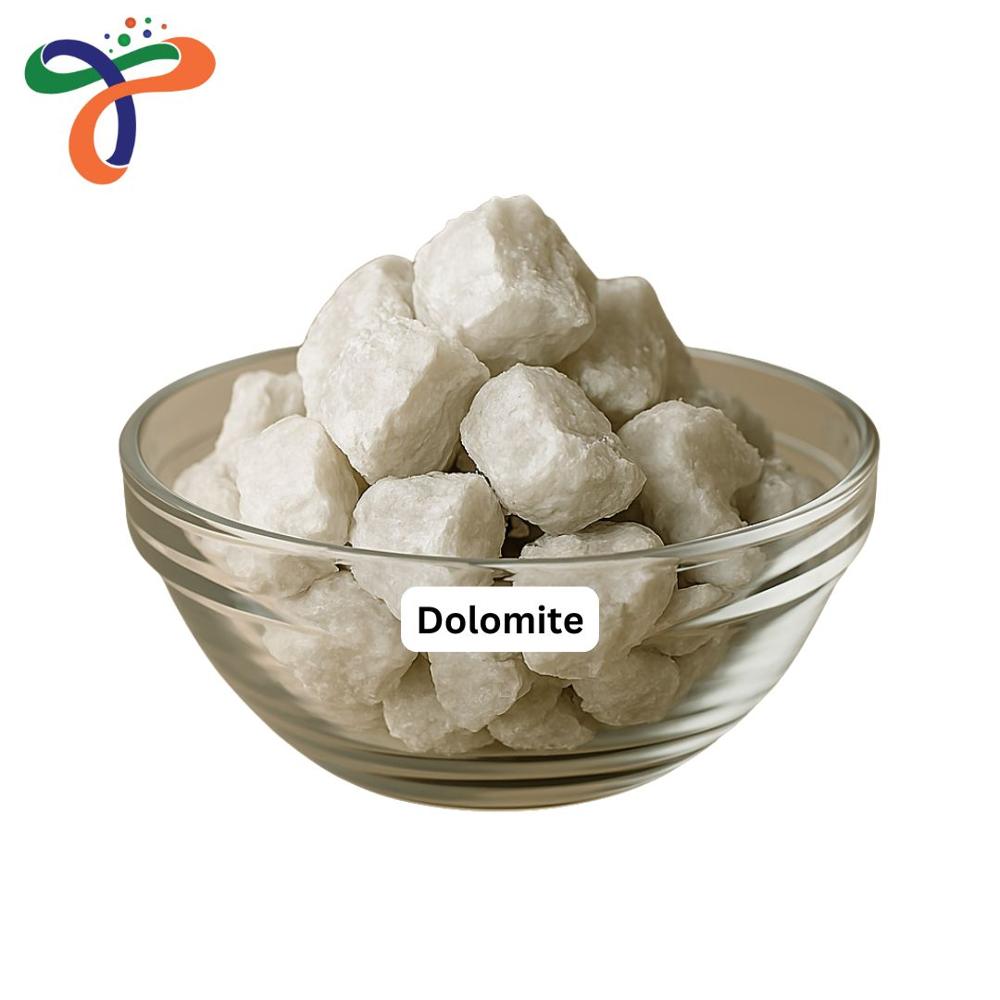
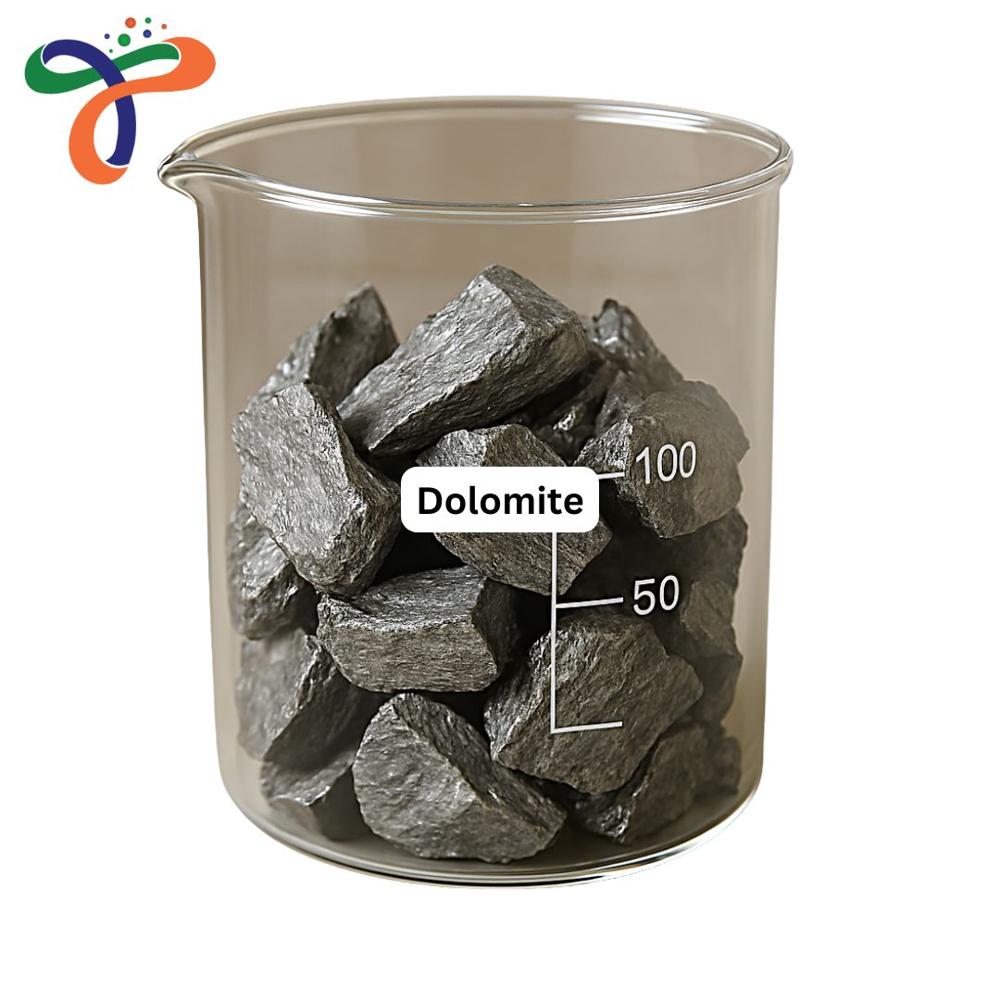
Physical and Chemical PropertiesAppearing as a white to gray crystalline or earthy solid, dolomite is recognized for its high-purity composition (98-99%) and a notable melting point of 2160C. It has a refractive index of 1.65 and is sparingly soluble in water, though it dissolves readily in acids. These characteristics make dolomite suitable for demanding industrial applications requiring stability and effectiveness.
FAQ's of Dolomite (16389-88-1) (184.41 g/mol):
Q: How is dolomite utilized in the construction industry?
A: Dolomite is widely used as an aggregate in construction and road building. Its durability and stability make it an ideal material for concrete, asphalt, and foundational layers, ensuring the longevity and integrity of structures.
Q: What are the main industrial applications of dolomite?
A: Dolomite is used as a source of CaO and MgO in steelmaking, as a flux to remove impurities, in the manufacture of refractory bricks for furnaces, in the production of magnesium metal, and as a filler in ceramics and agricultural soil conditioners.
Q: When should dolomite be applied to soil in agriculture?
A: Dolomite is best applied to agricultural soils before planting crops or during periods of soil preparation to neutralize acidity and improve nutrient availability. Regular application helps maintain optimal soil pH for higher crop yields.
Q: Where is dolomite typically sourced or supplied from?
A: India is a significant supplier and manufacturer of high-purity dolomite, distributing it both domestically and worldwide for industrial applications in construction, steelmaking, and agriculture.
Q: What is the benefit of using dolomite as a flux in steelmaking?
A: Using dolomite as a flux helps remove impurities such as silica and alumina during the steelmaking process. This results in higher-quality steel and enhances the efficiency and lifespan of steel furnaces.
Q: How does dolomite improve agricultural productivity?
A: Dolomite neutralizes soil acidity, supplying essential calcium and magnesium nutrients. This promotes healthier plant growth, increases crop yields, and improves soil structure for long-term agricultural sustainability.







 Send Inquiry
 Send Inquiry
 Send Inquiry
 Call Me Free
 English
 Spanish
 French
 German
 Italian
 Chinese (Simplified)
 Japanese
 Korean
 Arabic
 Portuguese