Epoxidized Soyabean Oil About
We are Supplier, Exporter and Contract Manufacturer.
Technical profile of Epoxidized Soybean Oil, a high-purity raw chemical material supplied by Triveni Chemicals for industrial manufacturing and laboratory synthesis.
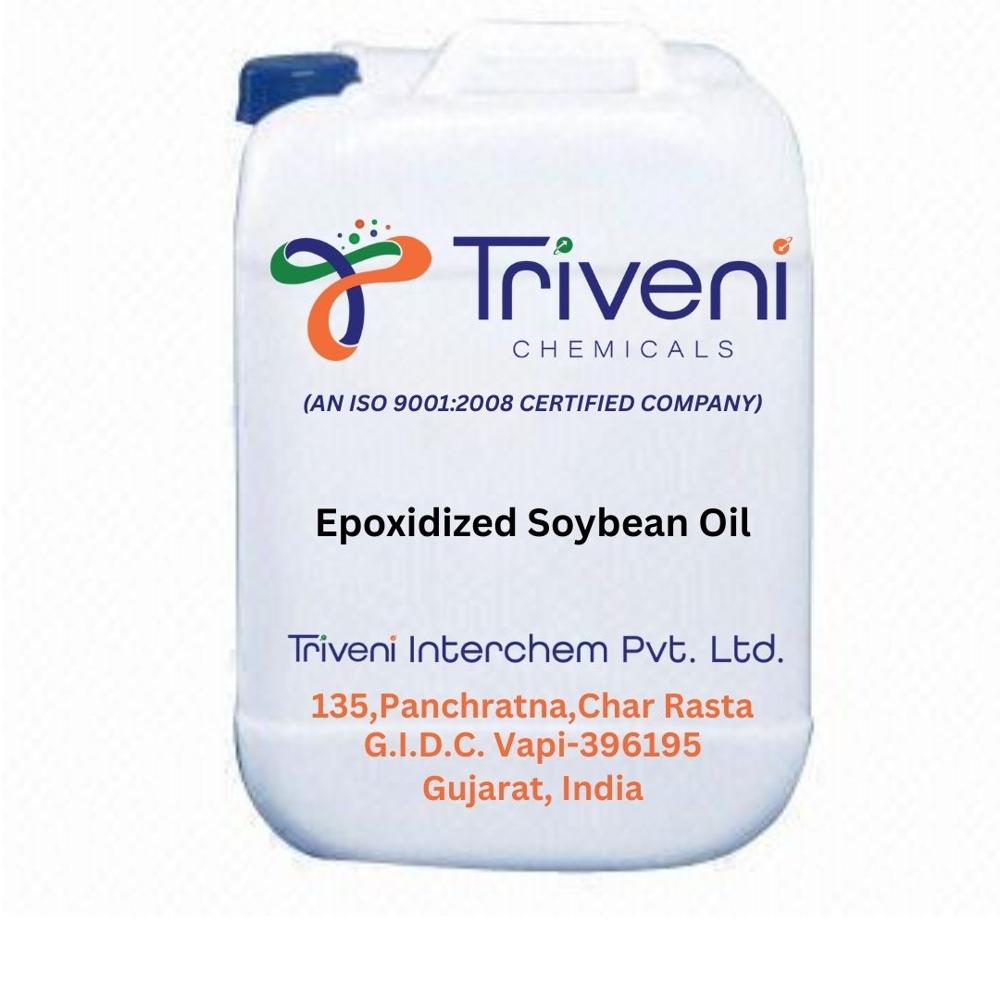
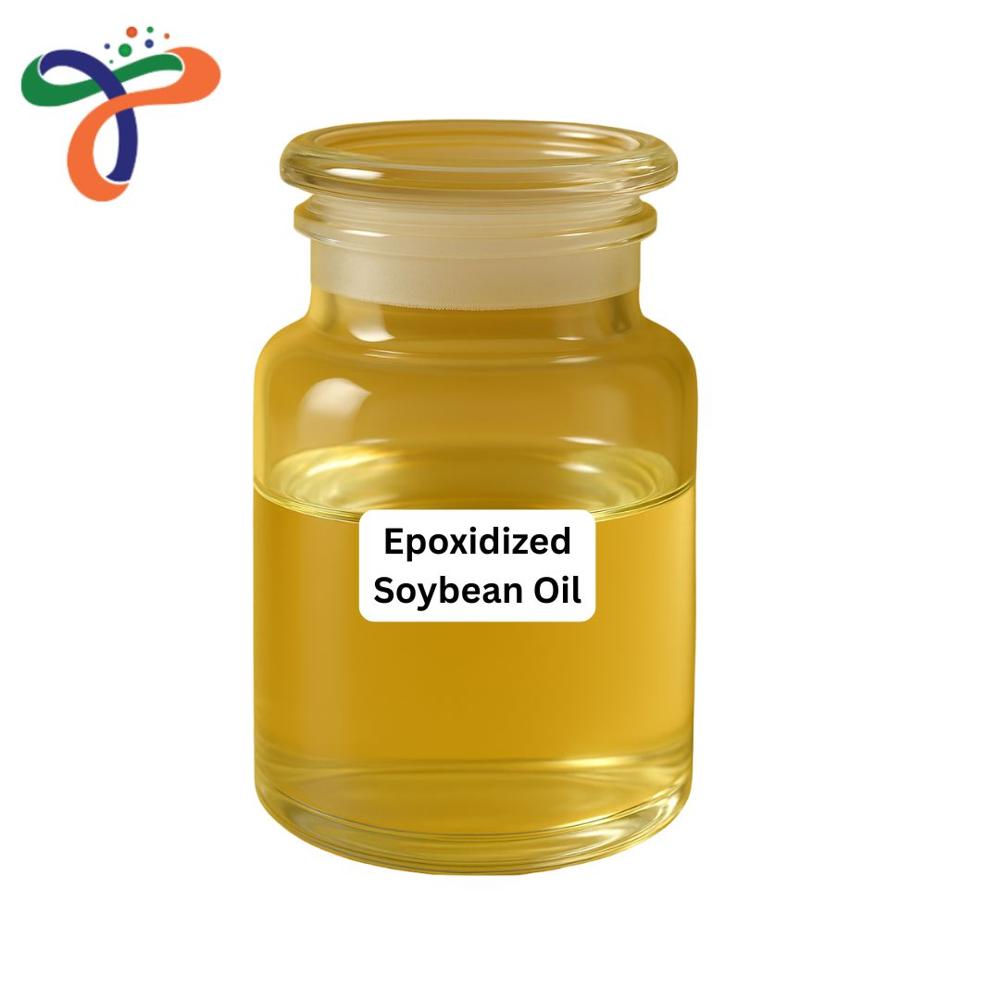
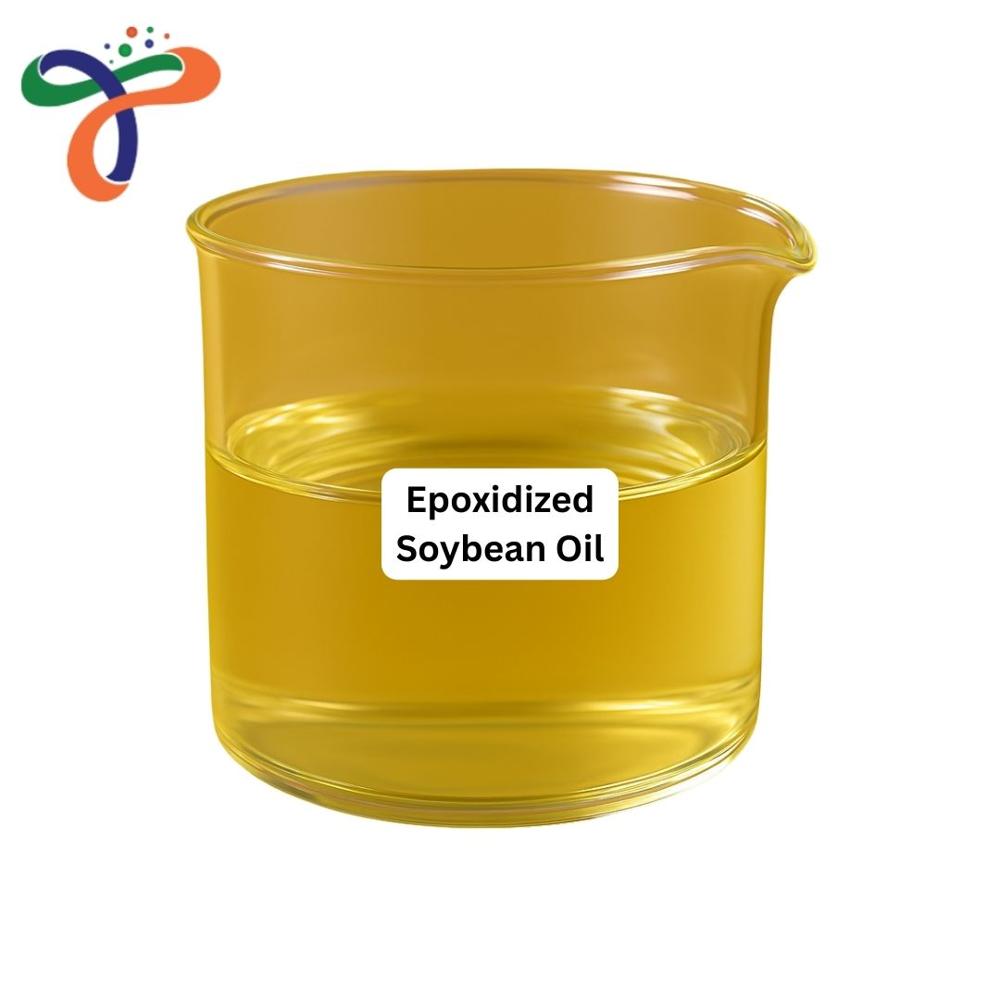
Epoxidized Soybean Oil (ESBO) is a vegetable oil derivative obtained by epoxidation of soybean oil, rich in oxirane oxygen groups. It does not have a single fixed molecular formula due to its mixed triglyceride structure, but it is derived mainly from unsaturated fatty acids converted into epoxide groups. It appears as a pale yellow to golden viscous liquid. It is insoluble in water and soluble in organic solvents. It is stable under normal conditions and acts as a plasticizer and stabilizer.
In terms of uses and applications, Epoxidized Soybean Oil is widely used in the PVC and polymer industry as a secondary plasticizer and heat stabilizer. It improves flexibility, thermal stability, and UV resistance of PVC products. It is commonly used in food packaging films, cables, hoses, flooring, and synthetic leather. In the coatings and inks industry, it enhances durability and performance. It is also used in adhesives, sealants, and rubber formulations. Additionally, it is valued for being a non-toxic, biodegradable, and environmentally friendly additive in industrial applications.
Eco-Friendly Plasticizer and Stabilizer for PVCEpoxidized Soyabean Oil provides a safer, eco-conscious alternative to traditional plasticizers and stabilizers in PVC manufacturing. Its vegetable origin and non-toxic nature make it suitable for food contact plastics, ensuring both product safety and compliance with international regulations.
Versatile Applications Across IndustriesThe unique chemical structure of ESBO allows it to function efficiently in various industrial uses. It is widely adopted in making flexible PVC, industrial coatings, adhesives, sealants, and as a component in lubricants, supporting improved product lifespan and material performance.
Trusted Manufacturing and Supply from IndiaManufacturers and suppliers in India are recognized for delivering high-quality Epoxidized Soyabean Oil. They adhere to strict quality protocols to ensure consistent product quality and meet diverse customer requirements within domestic and global markets.
FAQ's of Epoxidized Soyabean Oil:
Q: How is Epoxidized Soyabean Oil used as a plasticizer and stabilizer in PVC?
A: Epoxidized Soyabean Oil is blended into PVC formulations to enhance flexibility and resist heat-induced degradation. It acts as a secondary plasticizer, improving the mechanical properties and overall stability of the polymer.
Q: What are the primary applications of Epoxidized Soyabean Oil?
A: Its main applications include usage in PVC products, coatings, adhesives, sealants, lubricants, and plastics intended for food contact. Its versatility makes it popular across multiple industries.
Q: When should Epoxidized Soyabean Oil be preferred over other plasticizers?
A: It is ideal when environmental safety, food contact compliance, and non-toxicity are essential. This makes it especially valuable for consumer goods and packaging industries.
Q: Where can I purchase high-quality Epoxidized Soyabean Oil in India?
A: You can source Epoxidized Soyabean Oil from established Indian manufacturers and suppliers known for their strict quality standards and reliable supply chains, catering to both domestic and export markets.
Q: What is the typical color and appearance of Epoxidized Soyabean Oil?
A: The oil ranges from pale yellow to light brown, reflecting its natural origin and manufacturing process. The color does not affect its efficacy as a plasticizer or stabilizer.
Q: How does the production process of Epoxidized Soyabean Oil ensure quality?
A: Manufacturers use controlled epoxidation of soybean oil, closely monitoring reaction conditions to ensure high oxirane content, desired color, and consistent product quality for industrial usage.
Q: What are the key benefits of using Epoxidized Soyabean Oil in food contact plastics?
A: Its non-toxic, bio-based formula ensures product safety and regulatory compliance while improving the flexibility and shelf-life of food-grade plastics.







 Send Inquiry
 Send Inquiry
 Send Inquiry
 Call Me Free
 English
 Spanish
 French
 German
 Italian
 Chinese (Simplified)
 Japanese
 Korean
 Arabic
 Portuguese