Back to top
Fluorspar (7789-75-5) (CaF2)

Fluorspar (7789-75-5) (CaF2)

Price 55.0 INR/ Kilograms

MOQ : 25 Kilograms

Fluorspar (7789-75-5) (CaF2) Specification

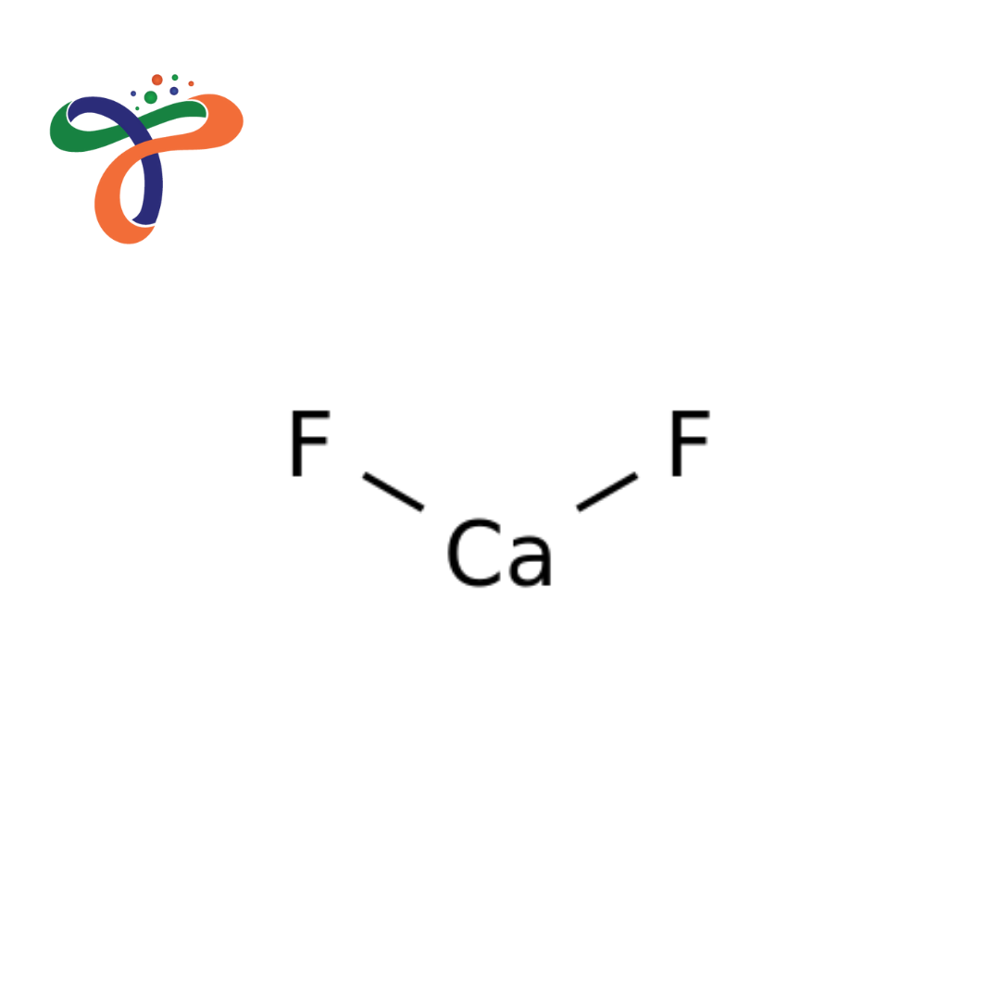
  • Structural Formula
  • CaF2
  • Solubility
  • Insoluble in water
  • Melting Point
  • 1418 C
  • Properties
  • Fluorspar, primarily composed of calcium fluoride is the essential industrial source of fluorine. It is critical in metallurgy as a flux for steel and aluminum smelting, and vital for manufacturing hydrofluoric acid, which serves as a precursor for refrigerants, fluoropolymers like Teflon, and high-octane gasoline production.
  • Refractive Rate
  • 1.433
  • Application
  • Industrial
  • Usage
  • Flux in steelmaking; glass and ceramic production; aluminum smelting; enamel and flux for welding
  • Appearance
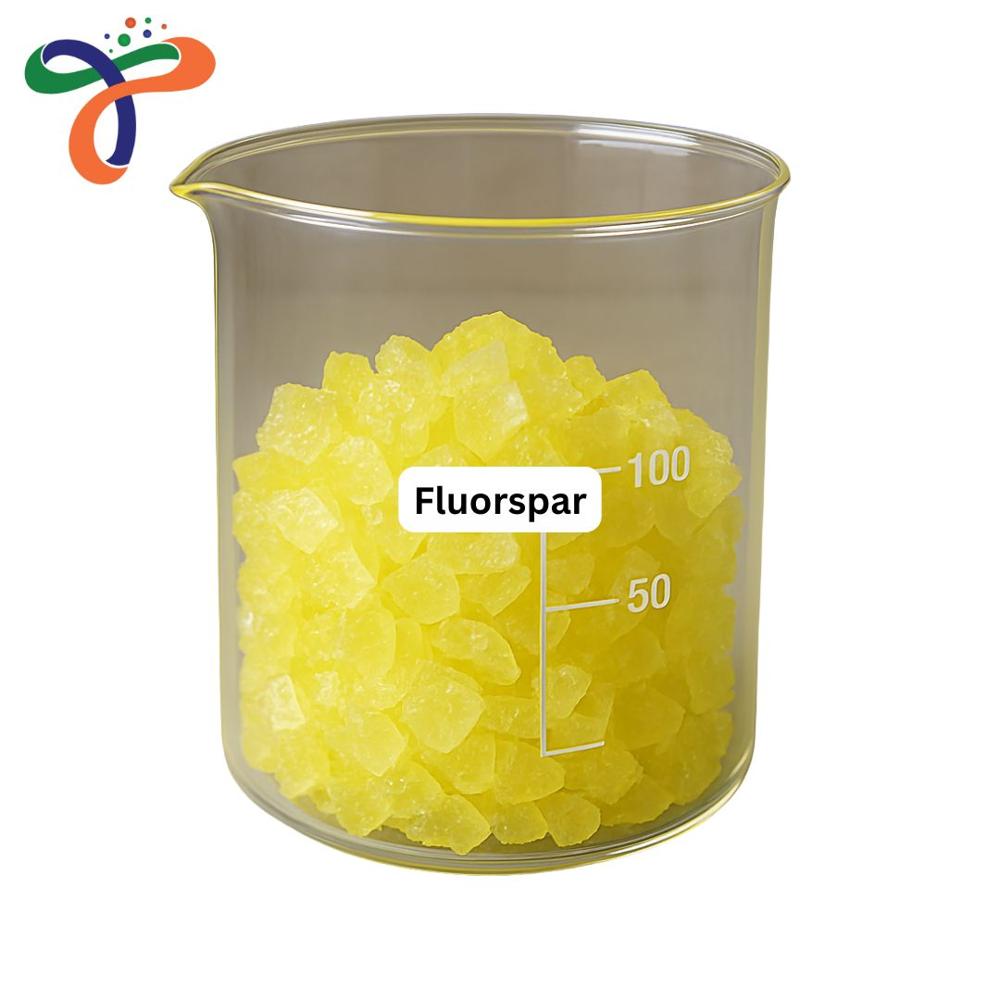
  • Colorless to pale yellow crystals; transparent, vitreous
  • Purity
  • 98 99%
  • Molecular Weight
  • 78.07 g/mol Grams (g)
  • Physical Form
  • Solid
  • Molecular Formula
  • CaF2
  • CAS No
  • 7789-75-5
 

Fluorspar (7789-75-5) (CaF2) Trade Information

  • Minimum Order Quantity
  • 25 Kilograms
  • Payment Terms
  • Cash in Advance (CID)
  • Supply Ability
  • 5000 Kilograms Per Month
  • Delivery Time
  • 10 Days
  • Main Domestic Market
  • All India
 

About Fluorspar (7789-75-5) (CaF2)

We are Supplier, Exporter and Contract Manufacturer.
Technical profile of Fluorspar, a high-purity raw chemical material supplied by Triveni Chemicals for industrial manufacturing and laboratory synthesis.

Technical Specifications:
CAS Number: 7789-75-5
Chemical Formula: CaF2

Industrial Uses & Applications:
Fluorspar, Also Known As Fluorite, Is A Naturally Occurring Mineral Composed Primarily Of Calcium Fluoride. It Is Widely Used As A Flux In Steelmaking And Metallurgy To Lower Melting Points And Improve Slag Fluidity. It Is Used In Glass, Ceramics, Enamels, And Cement Industries.


Key Industrial Roles of Fluorspar

Fluorspar serves as a critical flux in both steel and aluminum industries, significantly enhancing metal processing efficiency. Its role in reducing melting points facilitates smoother smelting and purification. Beyond metallurgy, Fluorspar is integral in glass, ceramic, enamel, and welding applications due to its capacity to impart clarity and durability.


Core Ingredient for Hydrofluoric Acid

Fluorspar stands at the center of hydrofluoric acid production, which is the gateway for diverse downstream chemicals. Hydrofluoric acid is essential for manufacturing refrigerants, specialty polymers such as Teflon, and refinery chemicals used in producing high-octane fuels.


Physical and Chemical Properties

Fluorspar (CaF2) appears as colorless to pale yellow crystals with a shining vitreous luster. It demonstrates impressive purity (98-99%), a refractive index of 1.433, and remains insoluble in water. Its robust melting point ensures stability during industrial processes, making it a trustworthy component for demanding applications.

FAQ's of Fluorspar (7789-75-5) (CaF2):


Q: How is Fluorspar (CaF2) used in steel and aluminum manufacturing processes?

A: Fluorspar is primarily used as a flux in both steel and aluminum production. It lowers the melting temperature, promoting the removal of impurities and enhancing the efficiency and quality of the smelting and refining processes.

Q: What are the main industrial benefits of using Fluorspar?

A: Fluorspar offers several advantages, including improved efficiency in metallurgical smelting, effective removal of impurities, and serving as a precursor for hydrofluoric acid production. This makes it indispensable in steelmaking, aluminum smelting, glass production, and chemical manufacturing.

Q: When is Fluorspar added during glass and ceramic manufacturing?

A: Fluorspar is typically introduced during the preparation phase of the glass or ceramic batch. It acts as a flux, helping reduce the melting point and improving the workability and optical clarity of the final product.

Q: Where is Fluorspar primarily sourced and supplied for industrial use?

A: Fluorspar is mined globally, with India serving as a key manufacturer and supplier for industrial needs, particularly in metallurgy, chemical manufacturing, and materials processing.

Q: What is the process of producing hydrofluoric acid from Fluorspar?

A: Hydrofluoric acid is produced by reacting high-purity Fluorspar (CaF2) with concentrated sulfuric acid under controlled conditions. This process releases hydrofluoric acid gas, which is then collected and purified for use in various chemical applications.

Q: How does the high purity of Fluorspar affect industrial applications?

A: High-purity Fluorspar (98-99%) ensures optimal chemical reactions, minimizes undesirable byproducts, and maintains the quality and safety standards required for sensitive industrial processes, especially in metallurgy and chemical synthesis.

Tell us about your requirement
product

Price:

Quantity
Select Unit

  • 50
  • 100
  • 200
  • 250
  • 500
  • 1000+
Additional detail
Mobile number

Email

More Products in Industrial Chemicals Category

Bromine (7726-95-6) (Br2)

Bromine (7726-95-6) (Br2)

Price 615.0 INR / Kilograms

Minimum Order Quantity : 25 Kilograms

Molecular Weight : 159.808 g/mol Grams (g)

Physical Form : Liquid

Molecular Formula : Br2

Structural Formula : BrBr

Benzotriazole (95-14-7) (C6H5N3)

Benzotriazole (95-14-7) (C6H5N3)

Price 550.0 INR / Kilograms

Minimum Order Quantity : 25 Kilograms

Molecular Weight : 119.13 g/mol Grams (g)

Physical Form : Solid

Molecular Formula : C6H5N3

Structural Formula : C6H5N3

Aluminium Trifluoride  (AlF3)

Aluminium Trifluoride (AlF3)

Price 98.0 INR / Kg

Minimum Order Quantity : 25

Molecular Weight : 83.98 g/mol Grams (g)

Physical Form : Powder

Molecular Formula : AlF3

Structural Formula : F3Al

1-Naphthol (90-15-3) (C10H8O)

1-Naphthol (90-15-3) (C10H8O)

Price 425.0 INR / Kilograms

Minimum Order Quantity : 1 Kilograms

Molecular Weight : 144.17 g/mol Grams (g)

Physical Form : Solid

Molecular Formula : C10H8O

Structural Formula : C10H8O