
Call us now
08045816834
Call us now
08045816834


Price:

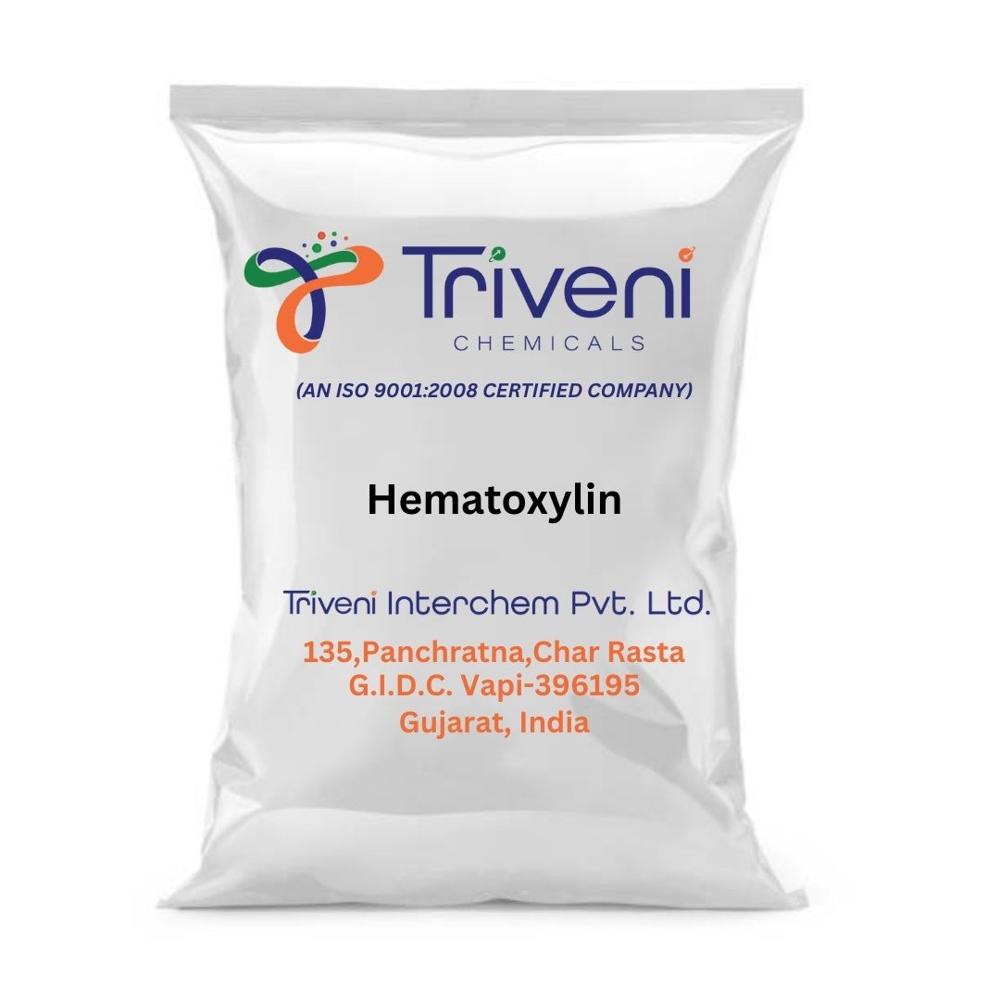
Price 2682.0 INR / Kilograms
Minimum Order Quantity : 25 Kilograms
Solubility : Soluble in water and alcohol; sparingly soluble in nonpolar solvents
Usage : Staining reagent in histology; used in hematoxylineosin staining to stain cell nuclei
Appearance : Purpleblue crystalline powder
Application : Other
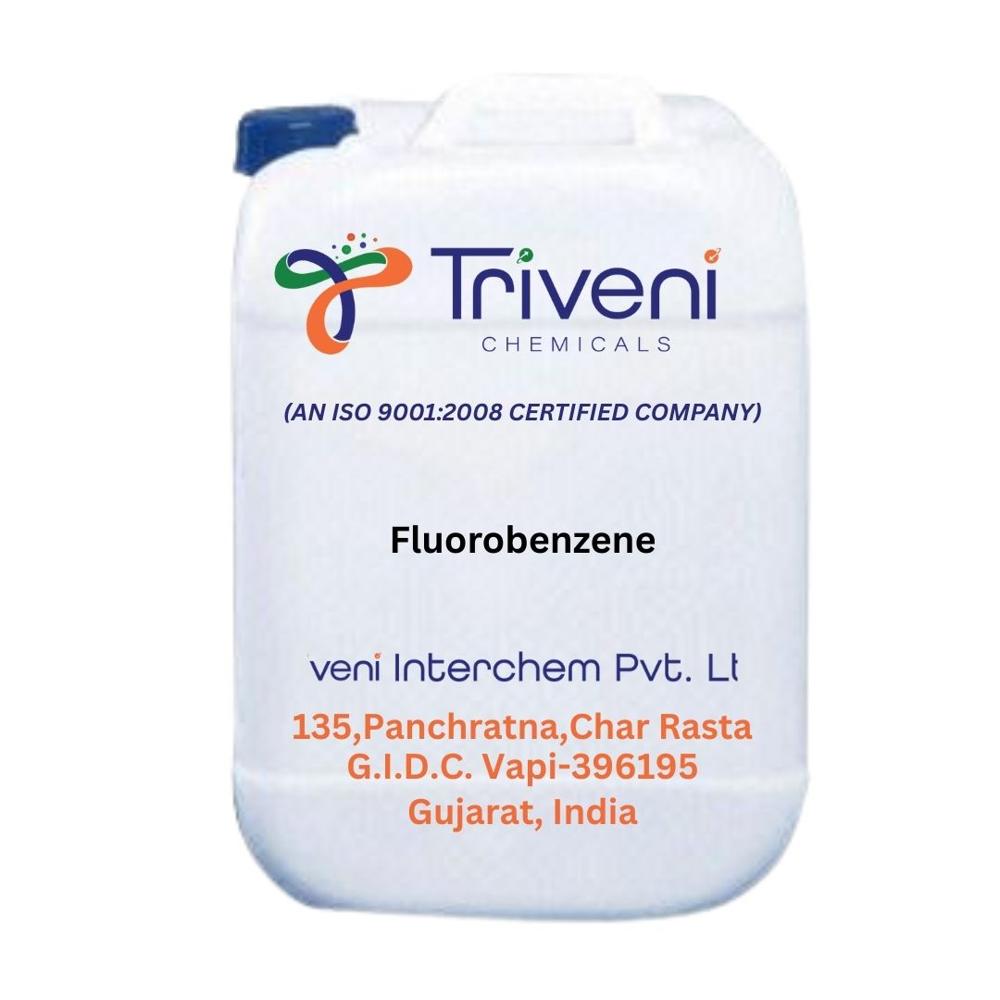
Price 500.0 INR / Kilograms
Minimum Order Quantity : 25 Kilograms
Solubility : Slightly soluble in water; soluble in organic solvents
Usage : Solvent in organic synthesis; precursor for fluorinated aromatic compounds; used in pharmaceutical and agrochemical research
Appearance : Colorless liquid
Application : Industrial
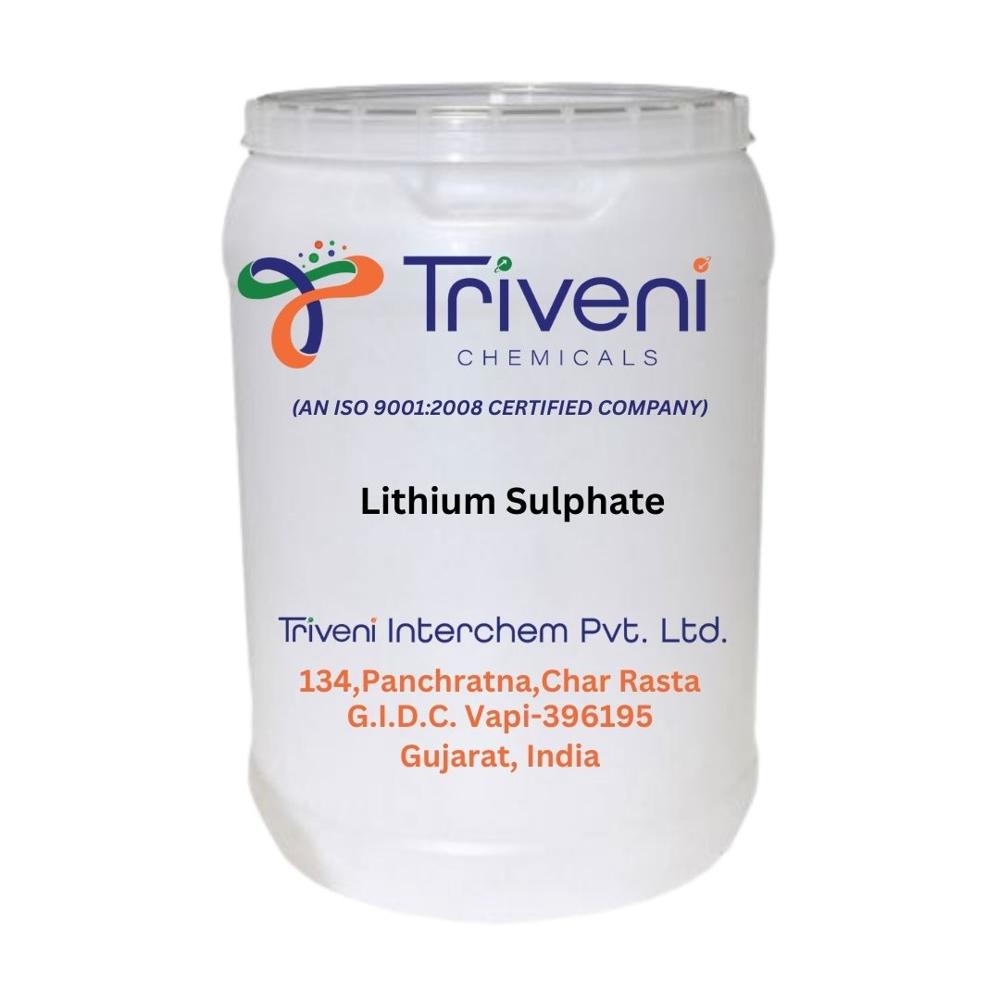
Price 2250.0 INR / Kilograms
Minimum Order Quantity : 25 Kilograms
Solubility : Soluble in water
Usage : Glass and ceramic production; electrolyte research; chemical synthesis
Appearance : White crystalline solid
Application : Industrial
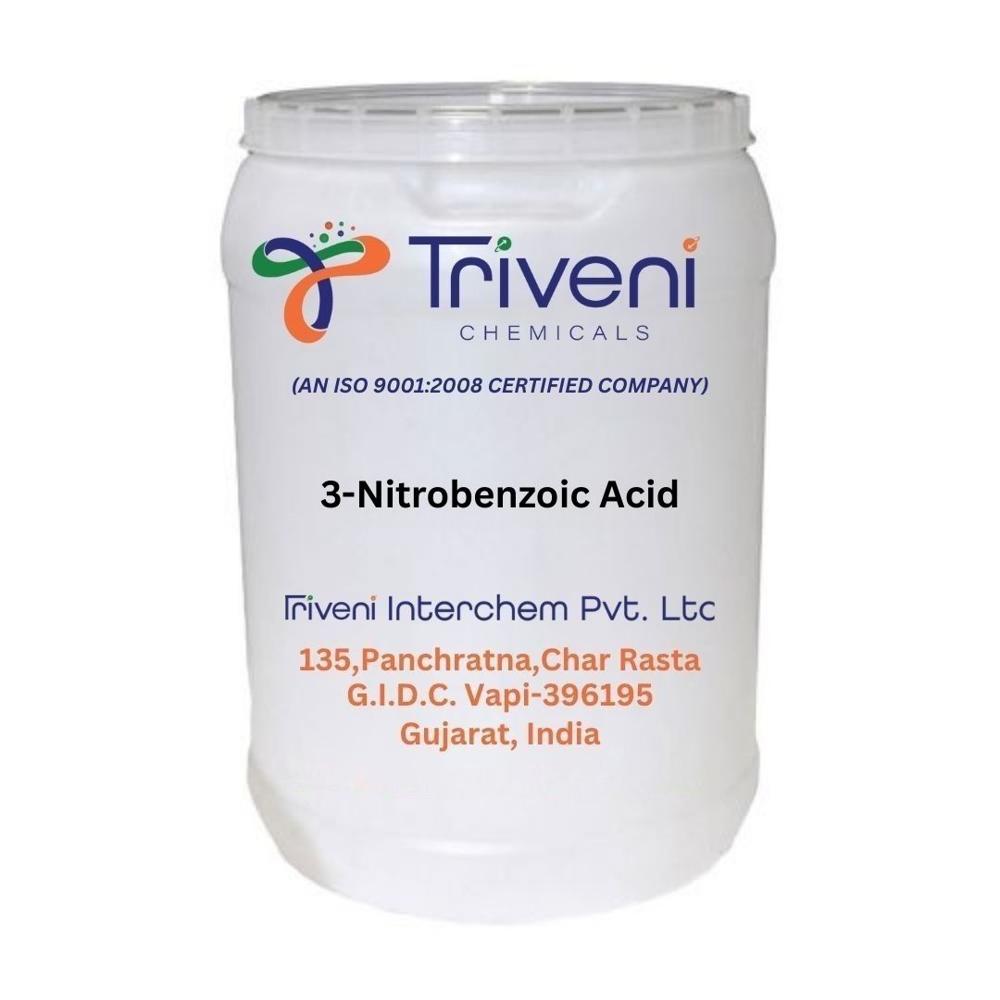
Price 520.0 INR / Kilograms
Minimum Order Quantity : 1 Kilograms
Solubility : Slightly soluble in water; soluble in organic solvents (ethanol, methanol, acetone)
Usage : Intermediary in the synthesis of dyes, agrochemicals, and pharmaceuticals; building block for nitroaromatic compounds
Appearance : White crystalline solid
Application : Industrial

Thank You!
Thank You for your valuable time. We have received your details and will get back to you shortly.


For an immediate response, please call this
number 08045816834
Price:

 Send Inquiry
 Send Inquiry
 Send Inquiry
 English
 Spanish
 French
 German
 Italian
 Chinese (Simplified)
 Japanese
 Korean
 Arabic
 Portuguese