Graphite (7782-42-5) (C) About
We are Supplier, Exporter and Contract Manufacturer.
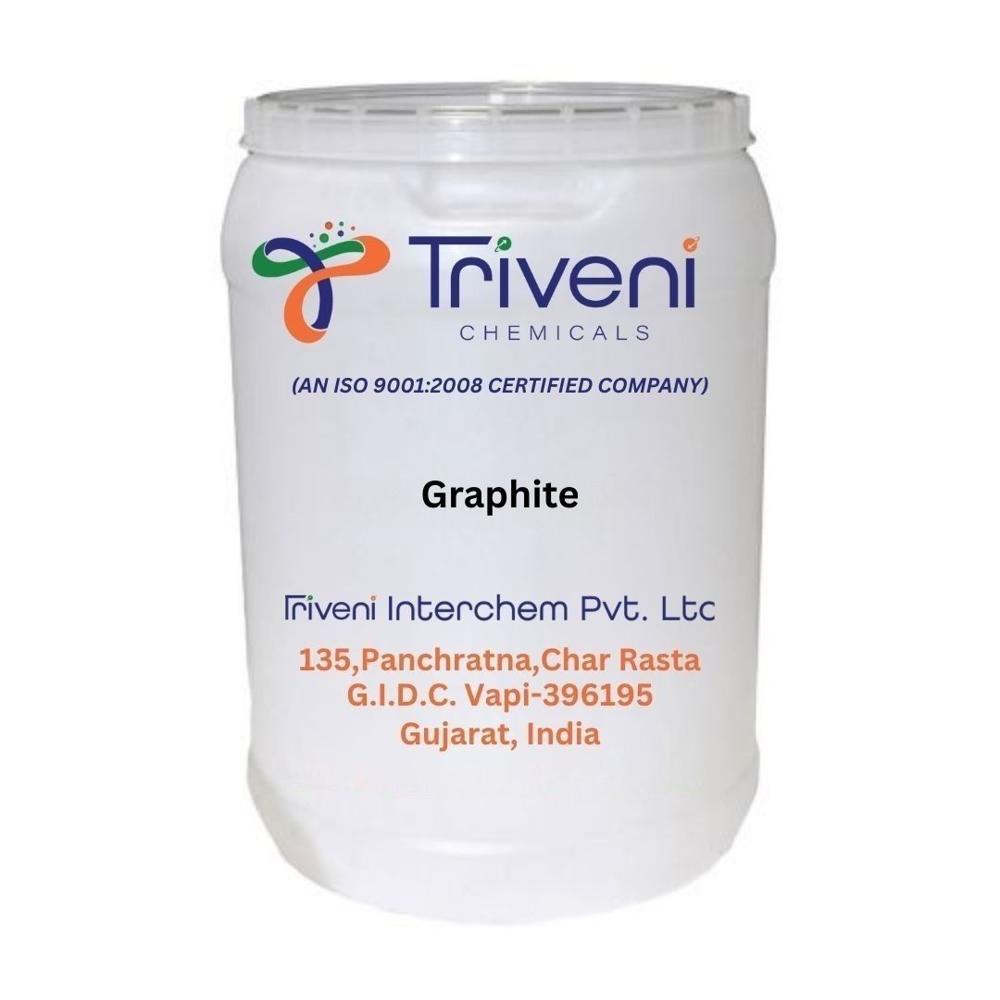
Technical profile of Graphite, a high-purity raw chemical material supplied by Triveni Chemicals for industrial manufacturing and laboratory synthesis.
Technical Specifications:
CAS Number: 7782-42-5
Chemical Formula: C
Industrial Uses & Applications:
Graphite Is A Naturally Occurring Form Of Carbon Known For Its Excellent Electrical And Thermal Conductivity, Lubricating Properties, And Chemical Stability. It Is Widely Used In Electrodes, Batteries, Refractories, Lubricants, And Foundry Applications. Graphite Is Also Applied In Steelmaking, Brake Linings, Pencils, And As A Filler In Plastics, Rubber, And Coatings.
Versatile Industrial ApplicationsGraphite's unique physical and chemical characteristics allow it to serve in several critical industrial roles. It is vital in the production of steel as a carbon raiser, used extensively for manufacturing refractory bricks that withstand high temperatures, and is essential in crafting electrodes for various electrical applications.
Essential Material for Energy and LubricationDue to its excellent conductivity and ability to act as a dry lubricant, graphite is crucial in lithium-ion battery anodes and as a performance lubricant in high-friction machinery. Its high purity and thermal properties make it suitable for use in demanding environments and advanced technology sectors.
FAQ's of Graphite (7782-42-5) (C):
Q: How is graphite (CAS 7782-42-5) commonly used in industries?
A: Graphite is most frequently used in the manufacture of electrodes, refractory bricks, lubricants, and as a key component in pencils. Its application extends to lithium-ion battery anodes and as a carbon additive in steel production.
Q: What makes graphite beneficial for high-temperature industrial processes?
A: Graphite's high melting point (3850C), outstanding thermal conductivity, and chemical stability allow it to maintain structural integrity in extreme thermal environments, making it ideal for refractories, casting, and nuclear uses.
Q: Where is graphite typically supplied from and in which form?
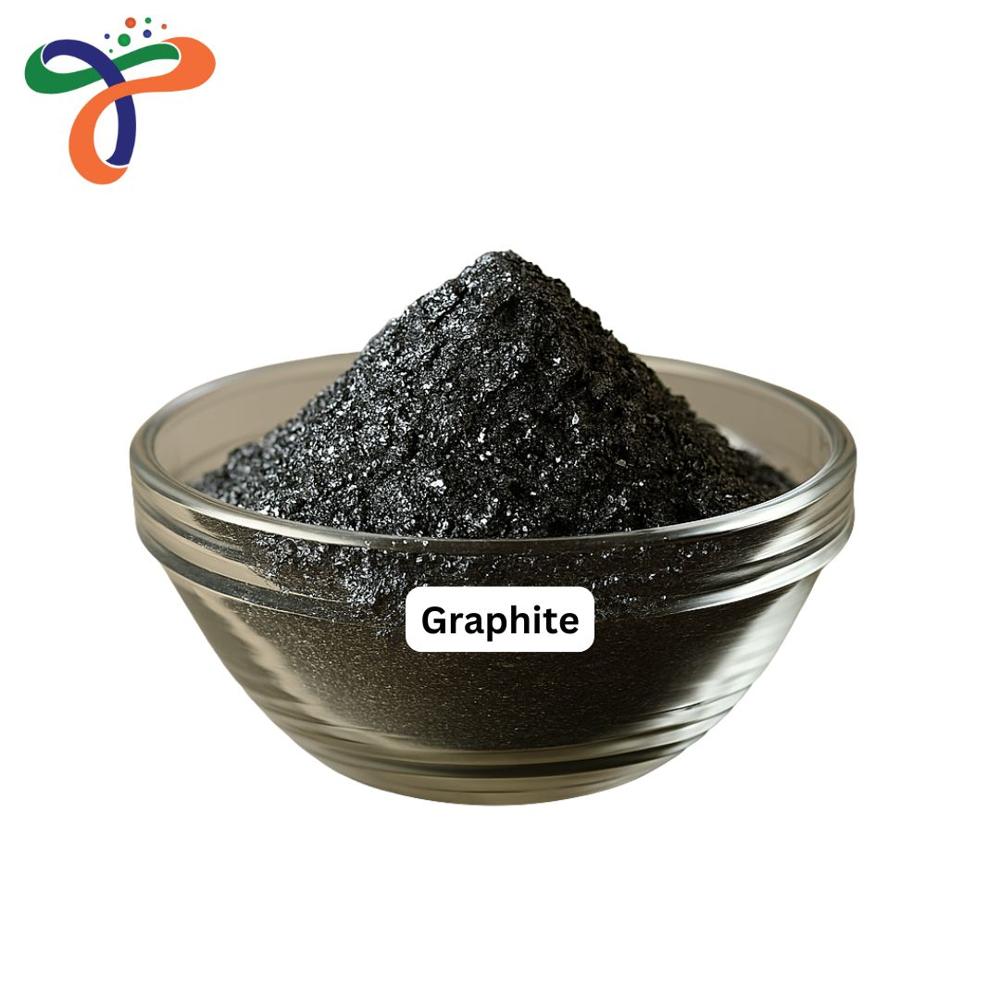
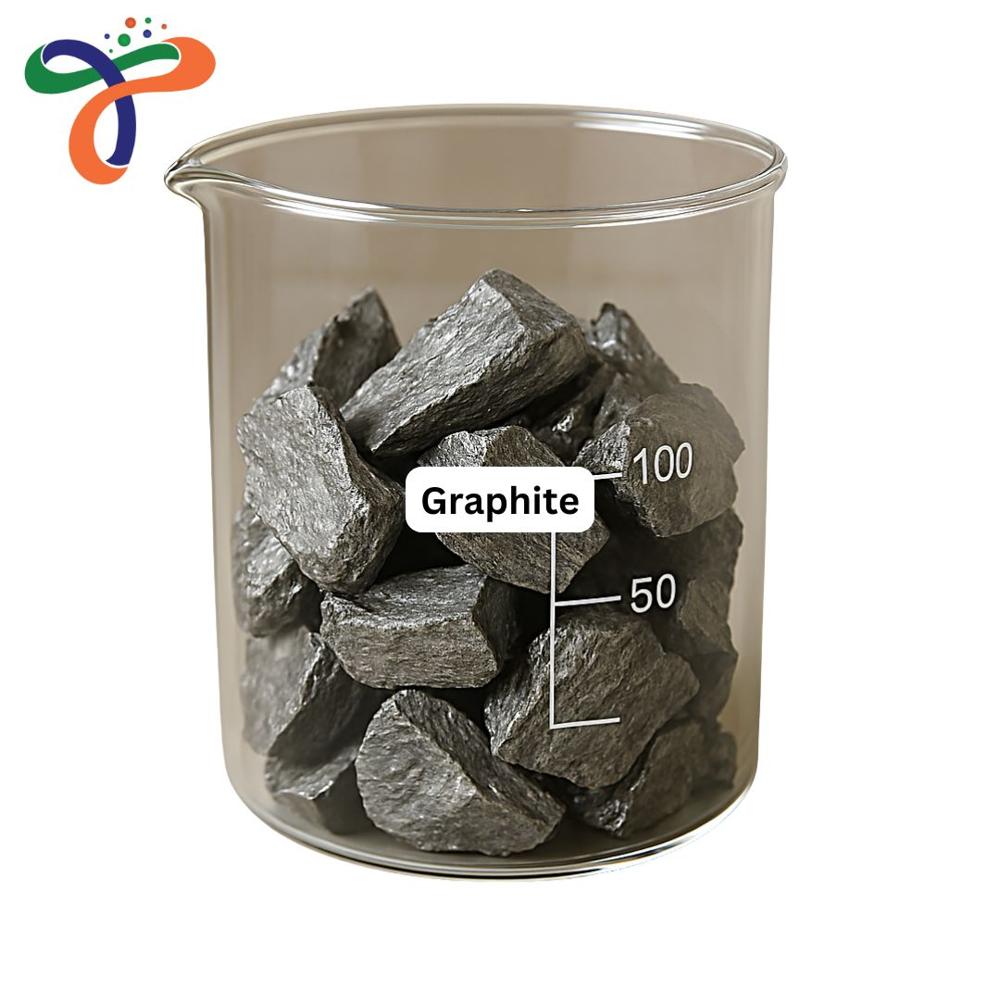
A: Graphite used for industrial purposes is commonly supplied by manufacturers and suppliers in India, and it is delivered as a solid in various forms, including powdered, granular, or block.
Q: When should graphite be selected over other carbon forms?
A: Graphite should be chosen when applications require high electrical or thermal conductivity, such as in electrodes, lubrication without wetting or as a heat-resistant material, thanks to its unique crystallinity and stability among carbon allotropes.
Q: What processes involve graphite as a critical material?
A: Processes such as steelmaking (as a carbon raiser), refractory manufacturing, battery component fabrication, and the production of high-temperature lubricants utilize graphite for its unique physical properties.
Q: How does graphite function as a lubricant?
A: Graphite acts as a dry lubricant due to its layered crystal structure, allowing the layers to slide over each other easily, which reduces friction even at elevated temperatures where liquid lubricants are ineffective.







 Send Inquiry
 Send Inquiry
 Send Inquiry
 English
 Spanish
 French
 German
 Italian
 Chinese (Simplified)
 Japanese
 Korean
 Arabic
 Portuguese