About Homophthalic Anhydride
Homophthalic Anhydride Is Widely Used As An Important Intermediate In Organic And Pharmaceutical Synthesis. It Plays A Key Role In The Preparation Of Heterocyclic Compounds, Active Pharmaceutical Ingredients, And Fine Chemicals.Industrial Applications of Homophthalic AnhydrideHomophthalic Anhydride is essential for synthesizing a variety of heterocyclic compounds found in pharmaceuticals and fine chemicals. Its value stems from its ability to act as a reactive intermediate, streamlining complex organic synthesis processes in research and manufacturing environments.
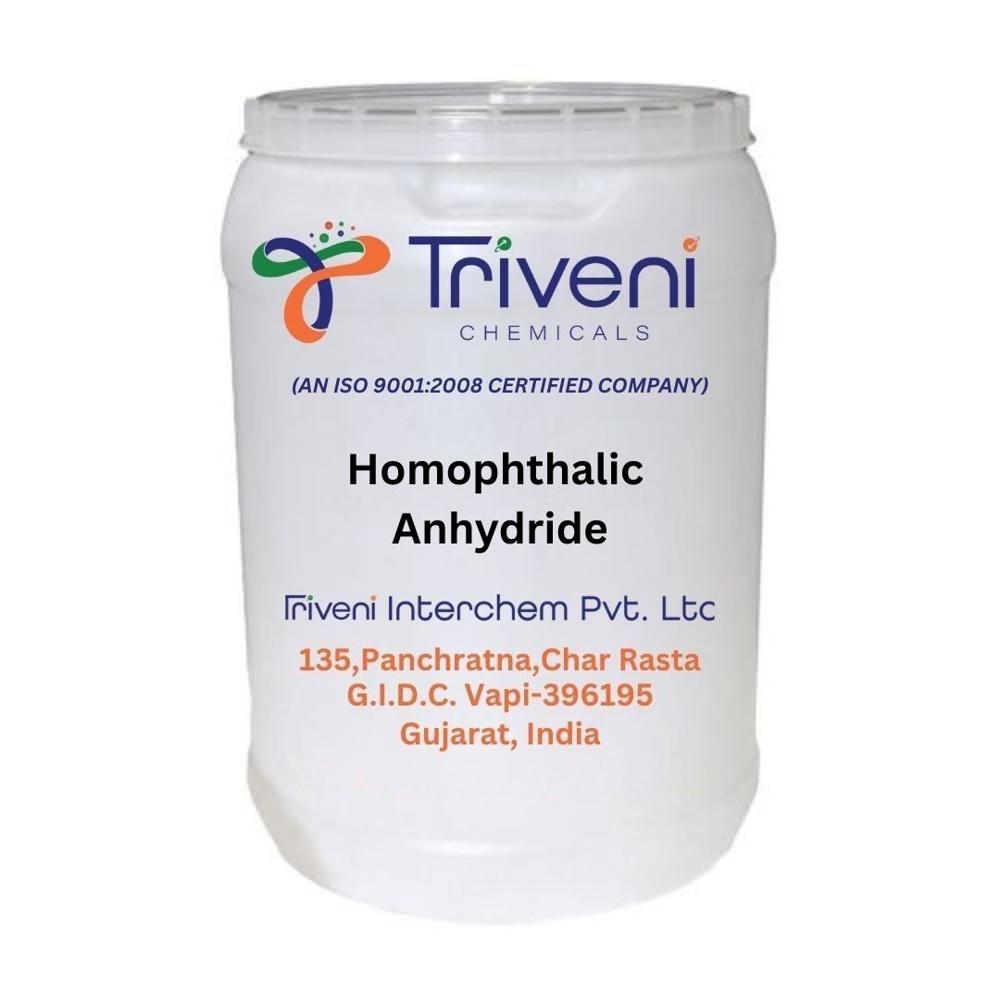
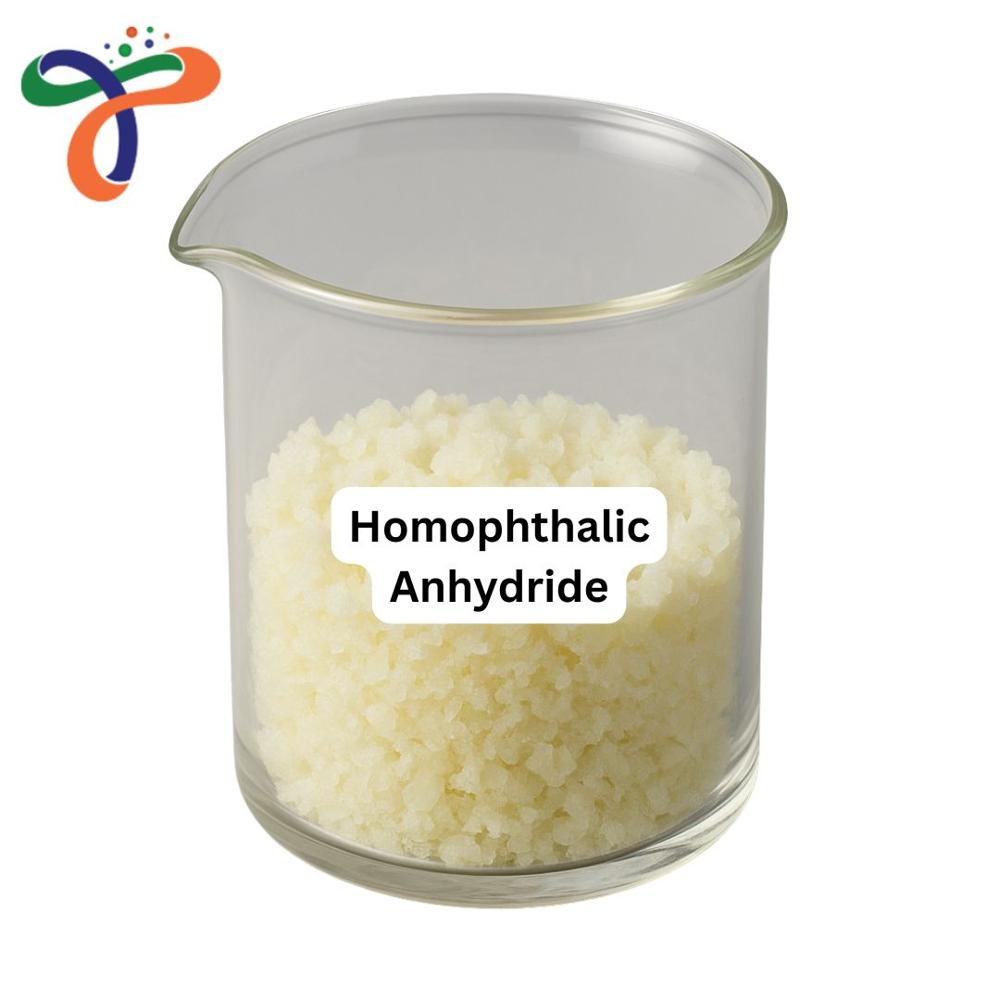
Physical and Chemical CharacteristicsThis compound presents as a slightly yellow solid with a defined melting range of 140-142C. It decomposes in water, which necessitates handling with appropriate care. Homophthalic Anhydride's purity lies between 88% and 90%, underpinning consistent performance as a synthesis intermediate.
FAQ's of Homophthalic Anhydride:
Q: How is Homophthalic Anhydride typically used in industrial applications?
A: Homophthalic Anhydride is widely employed as an intermediate in the synthesis of heterocyclic compounds, active pharmaceutical ingredients, and fine chemicals. Its versatility makes it valuable for both large-scale manufacturing and specialized chemical research.
Q: What benefits does Homophthalic Anhydride offer in pharmaceutical synthesis?
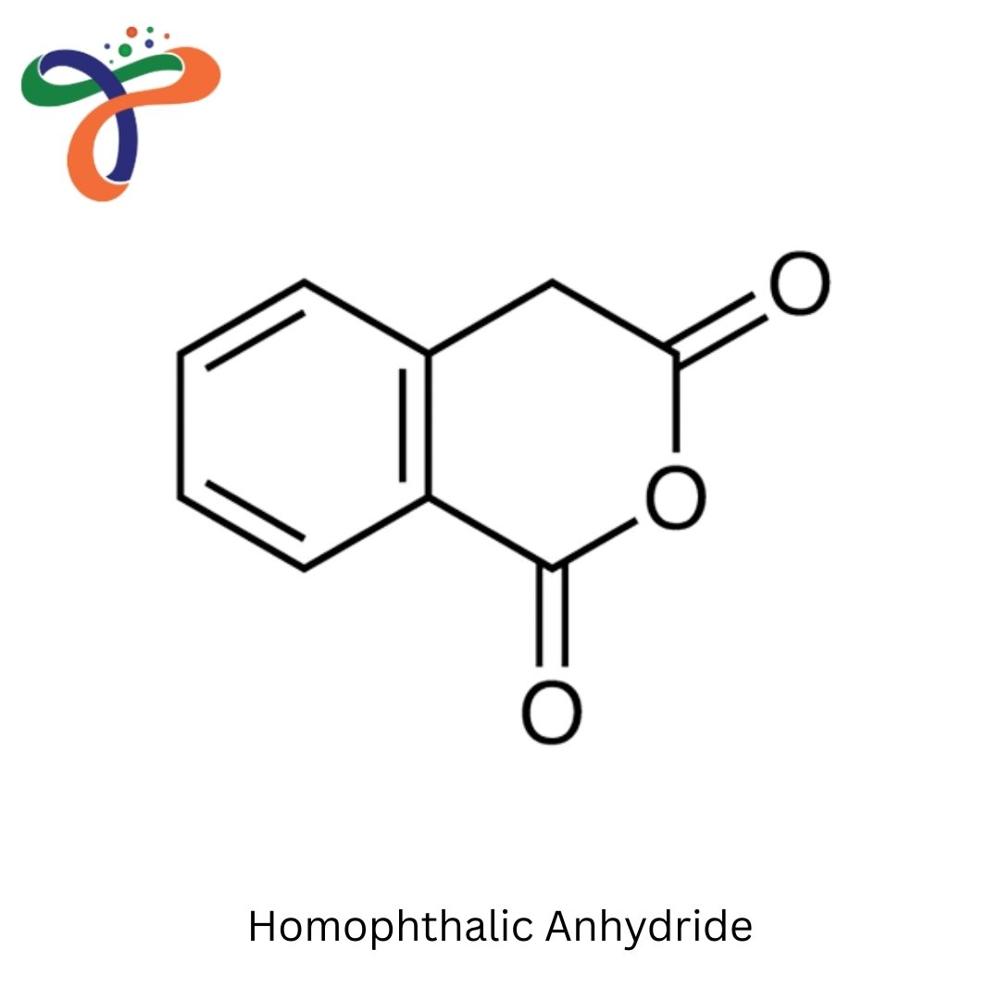
A: In pharmaceutical synthesis, Homophthalic Anhydride enables efficient production of active ingredients and complex organic structures. Its cyclic anhydride form enhances reaction specificity and yields, reducing the number of purification steps required.
Q: When should Homophthalic Anhydride be handled with caution?
A: Handling Homophthalic Anhydride requires caution when it is exposed to water, as it decomposes upon contact. It should also be processed in a controlled environment to prevent contamination and ensure the purity needed for industrial and pharmaceutical applications.
Q: Where is Homophthalic Anhydride commonly manufactured and supplied?
A: Homophthalic Anhydride is frequently produced and supplied by chemical manufacturers in India, where it is available for both domestic and international markets under strict quality control measures.
Q: What is the process for incorporating Homophthalic Anhydride into organic synthesis?
A: In organic synthesis, Homophthalic Anhydride is introduced as a reagent or intermediate, undergoing specific chemical reactions to form targeted molecular structures like heterocycles. Its reactivity with various functional groups facilitates complex construction in laboratory and industrial settings.
Q: What does the appearance and purity of Homophthalic Anhydride indicate?
A: Homophthalic Anhydride is usually a slightly yellow solid with purity levels between 88% and 90%. These properties ensure optimal reactivity and product consistency, making the compound suitable for demanding industrial processes.








 Send Inquiry
 Send Inquiry
 Send Inquiry
 English
 Spanish
 French
 German
 Italian
 Chinese (Simplified)
 Japanese
 Korean
 Arabic
 Portuguese