
Call us now
08045816834
Call us now
08045816834

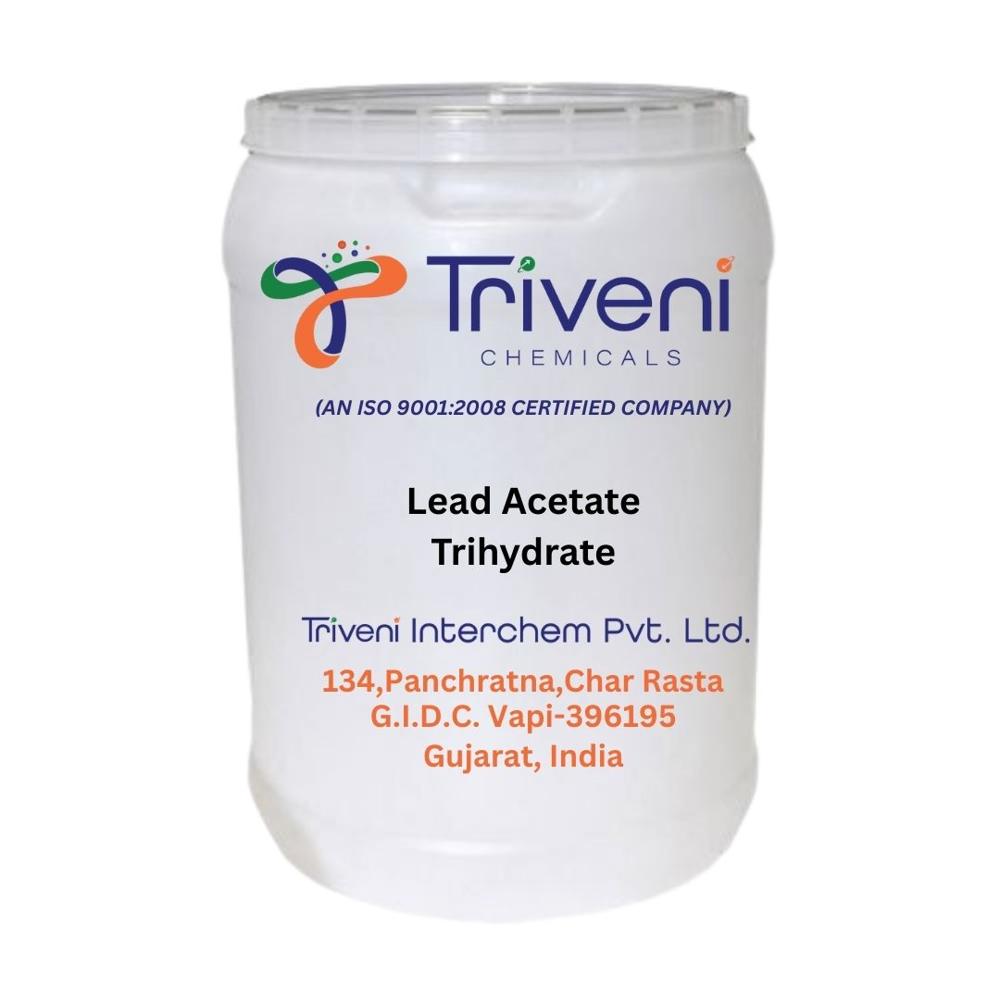
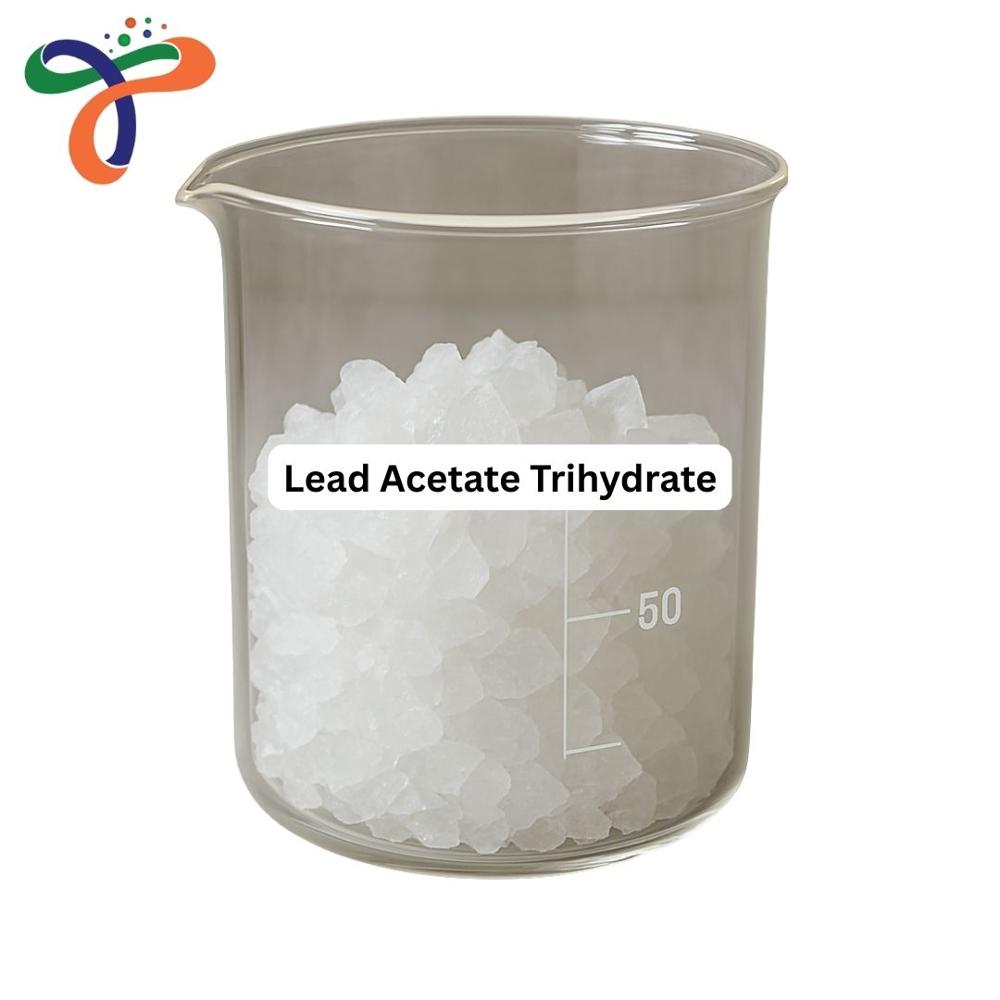
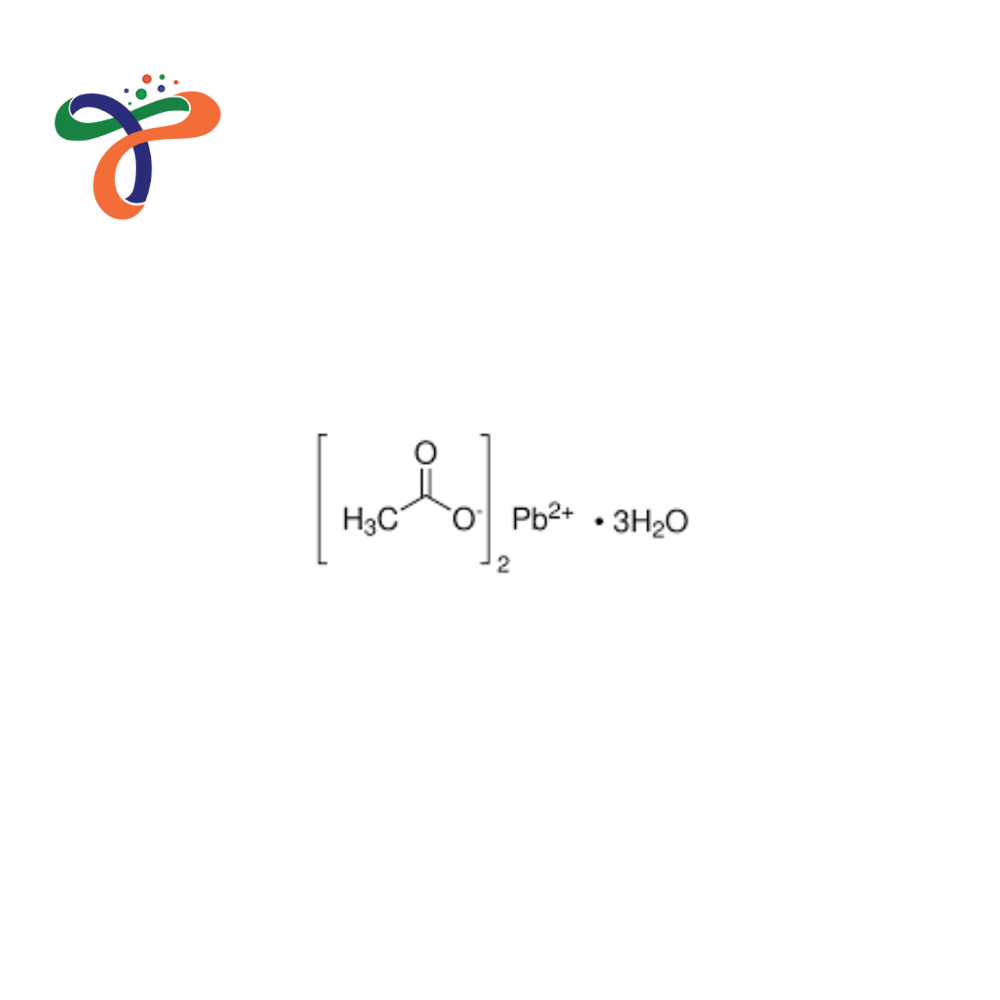

Price:

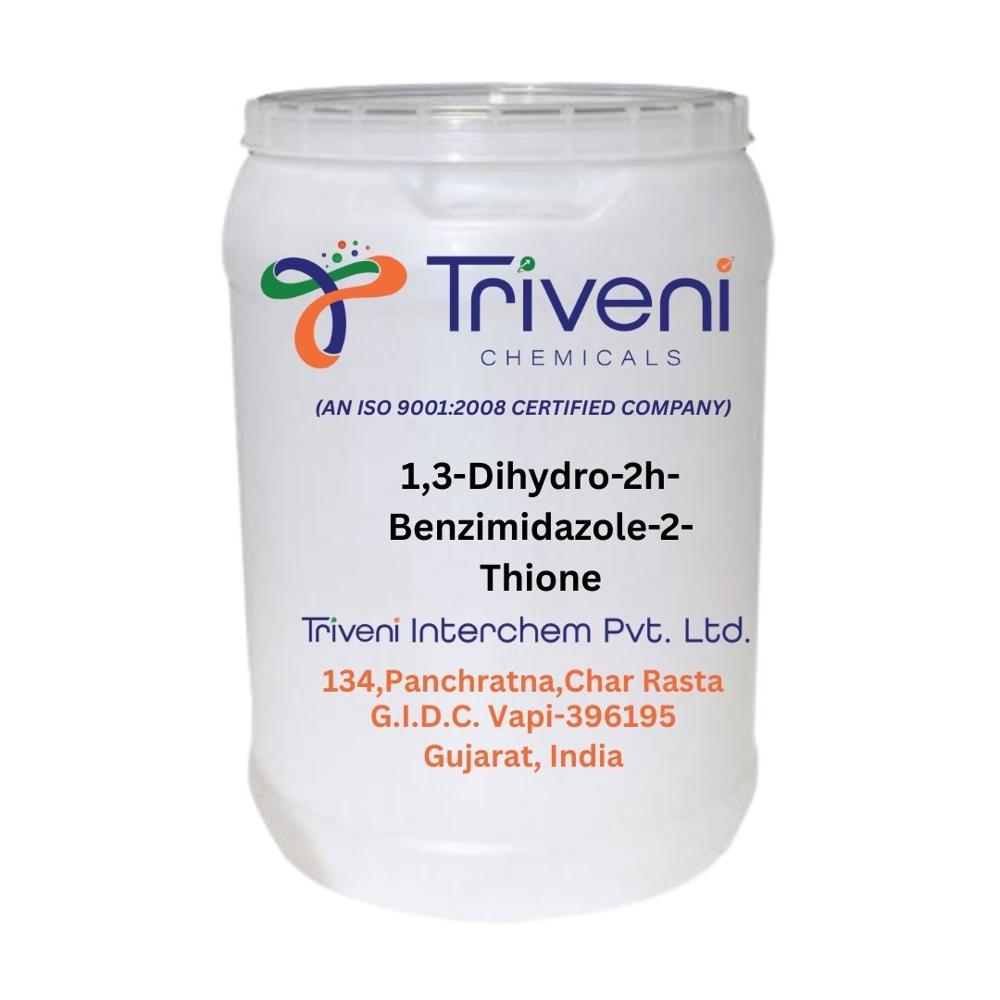
Price 1800.0 INR / Kilograms
Minimum Order Quantity : 25 Kilograms
Usage : Intermediary in organic synthesis; used in pharmaceutical research and material science.
Properties : It exhibits strong nucleophilic and chelating properties, making it useful in corrosion inhibitors, agrochemicals, and polymer stabilizers. It is chemically stable under normal conditions but should be handled with care due to potential toxicity.
Melting Point : 170 C
CAS No : 583391
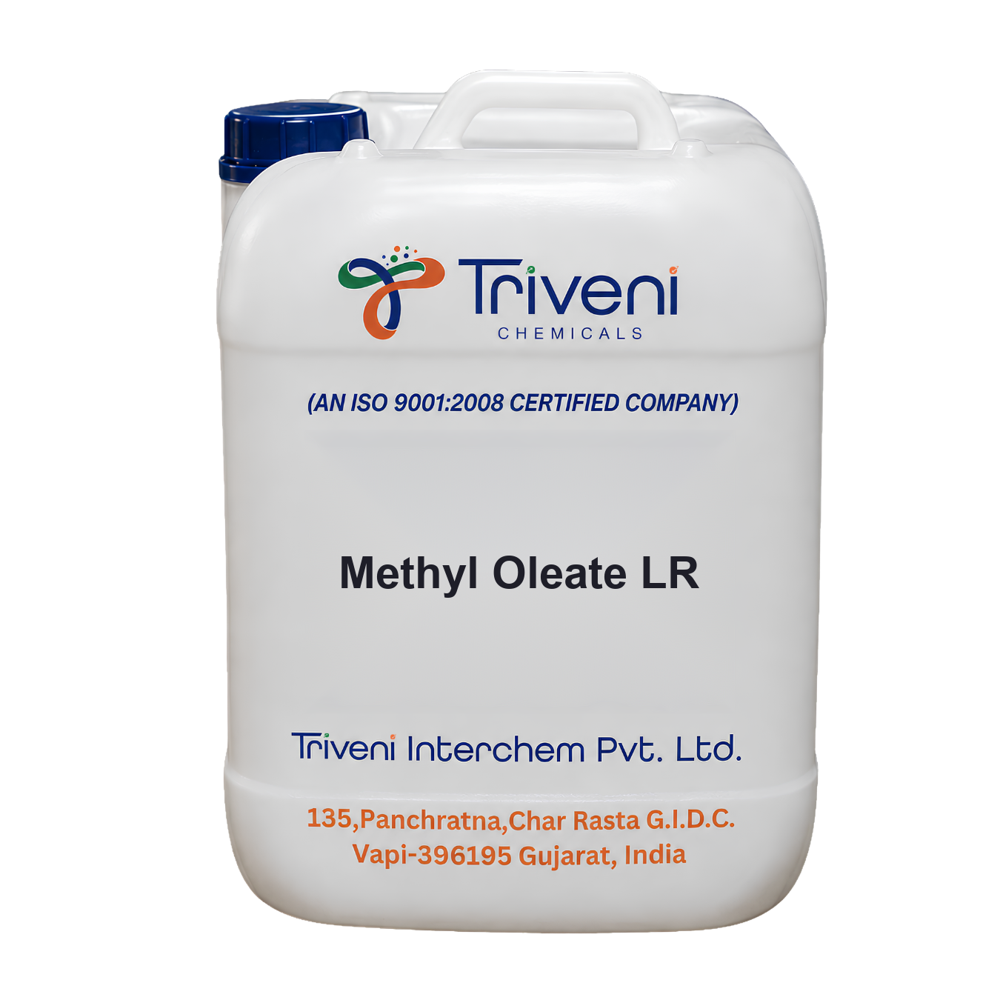
Price 2700.0 INR / Kilograms
Minimum Order Quantity : 25 Kilograms
Usage : Used in research, production of detergents, lubricants, and plasticizers
Properties : Clear, colorless to pale yellow liquid, stable under normal conditions; noncorrosive
Melting Point : 20 C
CAS No : 112629
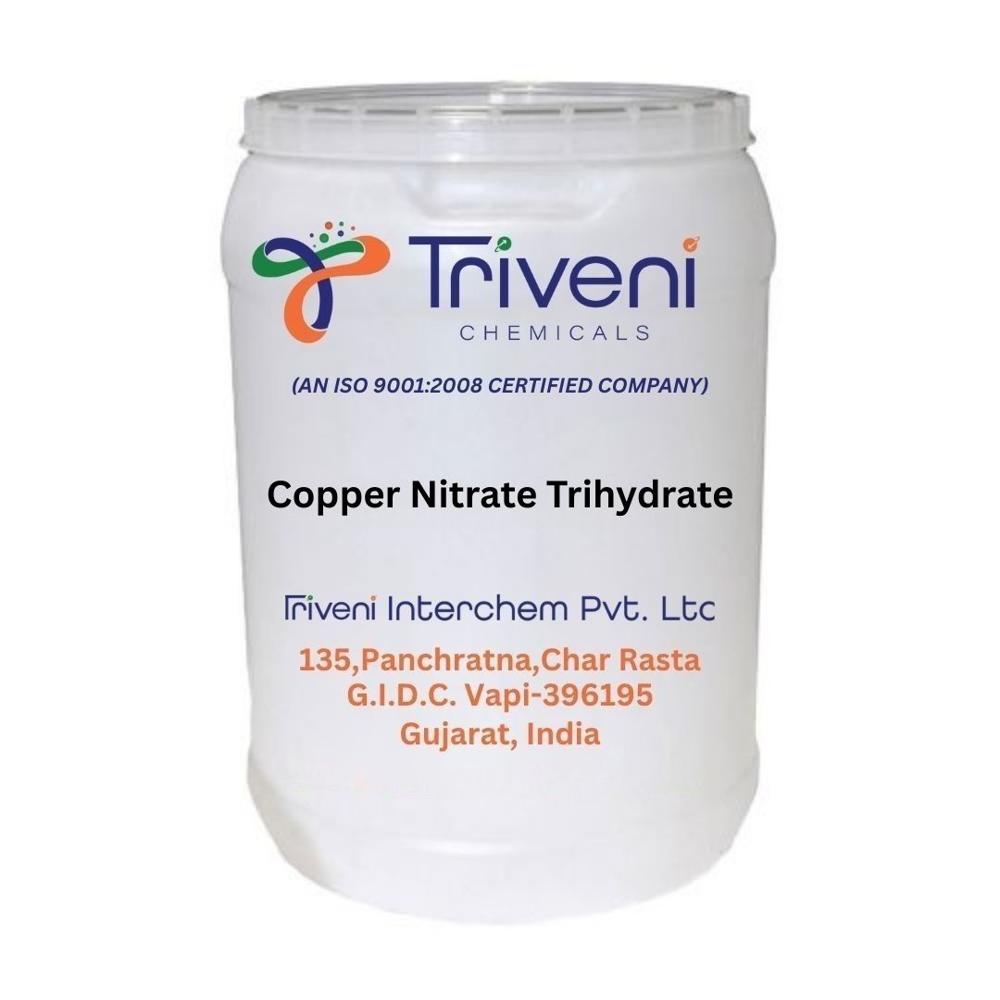
Price 300.0 INR / Kilograms
Minimum Order Quantity : 1 Kilograms
Usage : Laboratory reagent; oxidizing agent; catalyst precursor; copper electroplating
Properties : Copper nitrate trihydrate is a bright blue crystalline solid primarily used as an oxidizing agent and a catalyst in organic synthesis. It is essential in the metal finishing industry for electroplating, as a mordant in textile dyeing, and as a precursor for copperbased pigments.
Melting Point : 110 C
CAS No : 10031433
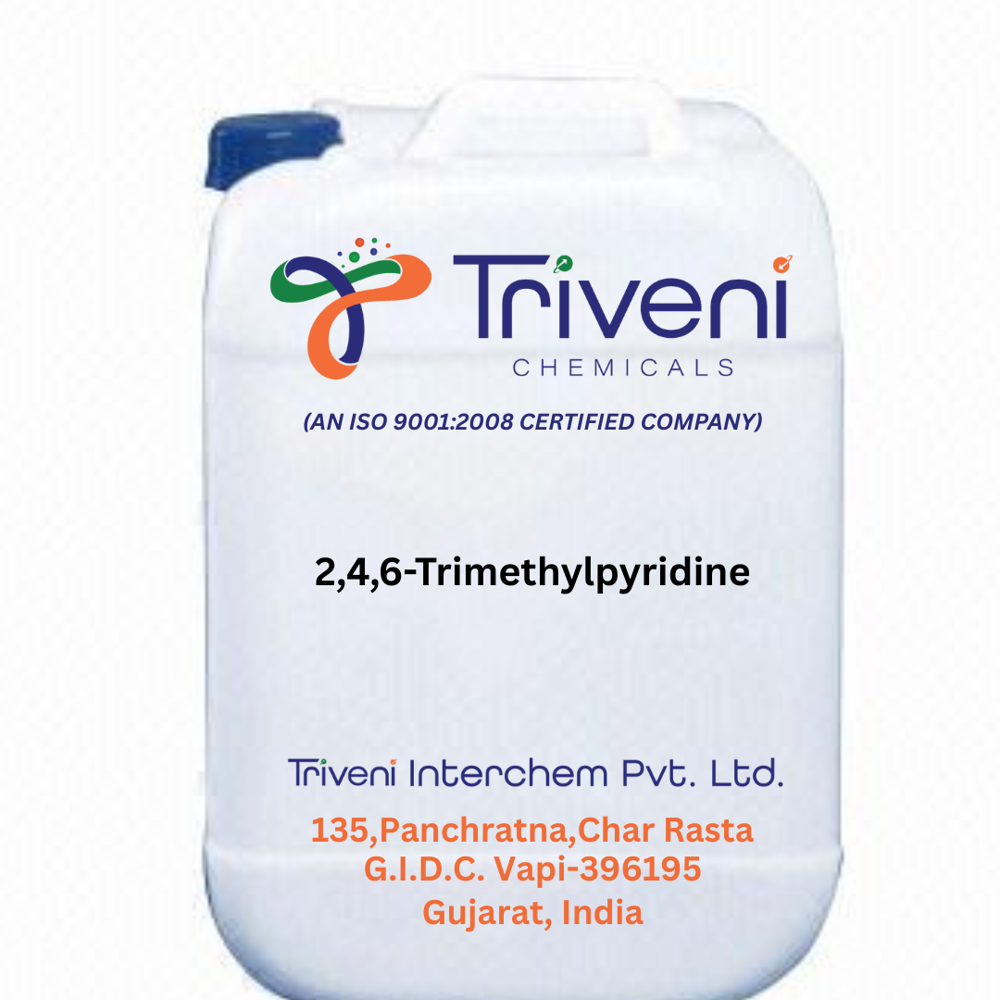
Price 1000.0 INR / Kilograms
Minimum Order Quantity : 1 Kilograms
Usage : Solvent and base in organic synthesis
Properties : 2,4,6Trimethylpyridine, also known as collidine, is a colorless to pale yellow liquid with a characteristic amine odor. Additionally, it serves as a specialized solvent and an intermediate in the production of pharmaceuticals and dyes.
Melting Point : 22 C
CAS No : 108758

Thank You!
Thank You for your valuable time. We have received your details and will get back to you shortly.


For an immediate response, please call this
number 08045816834
Price:

 Send Inquiry
 Send Inquiry
 Send Inquiry
 English
 Spanish
 French
 German
 Italian
 Chinese (Simplified)
 Japanese
 Korean
 Arabic
 Portuguese