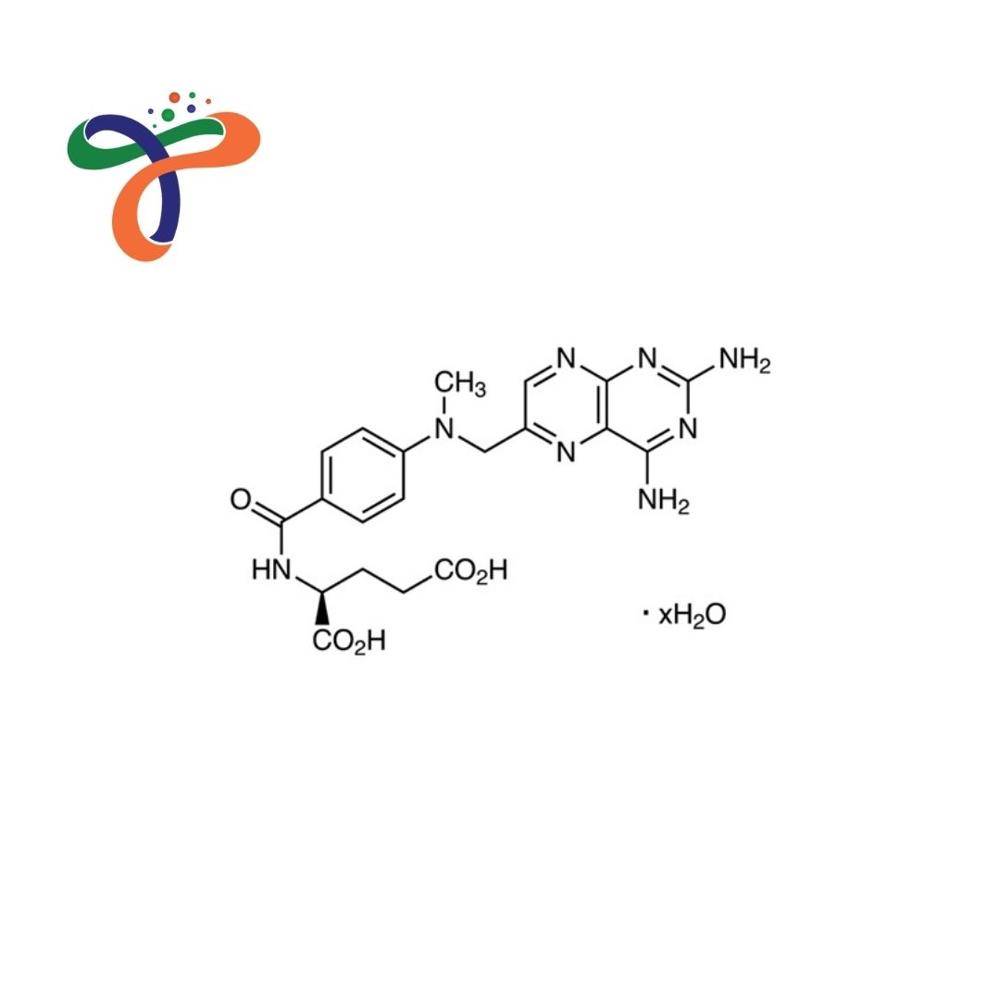
Methotrexate (59-05-2) (C20H22N8O5) About
We are Supplier, Exporter and Contract Manufacturer.
Technical profile of Methotrexate, a high-purity raw chemical material supplied by Triveni Chemicals for industrial manufacturing and laboratory synthesis.
Technical Specifications:
CAS Number: 59-05-2
Synonyms: 4-Amino-5-chloro-N-[2-(diethylamino)ethyl]-2-methoxybenzamide
Chemical Formula: C20H22N8O5
Industrial Uses & Applications:
Methotrexate Is A Disease-Modifying Antirheumatic Drug Dmard And Antimetabolite Widely Used In The Treatment Of Cancer And Autoimmune Disorders. It Works By Inhibiting Dihydrofolate Reductase, Thereby Interfering With Dna Synthesis, Cell Replication, And Immune Cell Activity. Methotrexate Is Commonly Prescribed For Rheumatoid Arthritis, Psoriasis, And Certain Cancers Such As Leukemia.
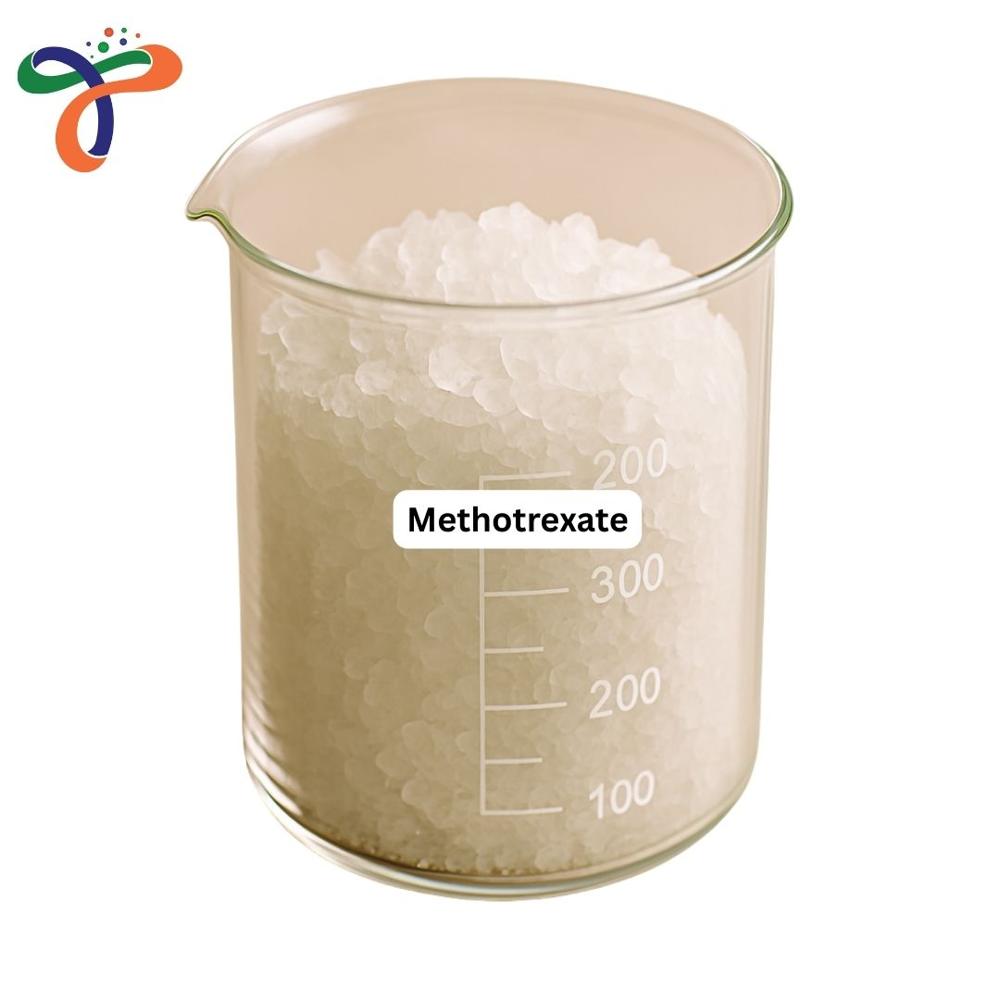
Exceptional Chemical Purity and Quality ControlMethotrexate is rigorously manufactured and tested to comply with international pharmacopeia standards (USP/BP/EP). With a purity of 98-99% and total impurities not exceeding 1.0%, each batch undergoes stringent quality control. The product maintains extremely low lead and heavy metal content (NMT 0.001%), ensuring suitability for pharmaceutical and research requirements. Its white crystalline, solid form represents both visual purity and compound stability.
Safe Handling and Long-Term StorageMethotrexate should be stored between 2-8C in tightly sealed HDPE containers or as specified by customer needs. This temperature range ensures the preservation of its chemical integrity for up to three years from the date of manufacture. Proper storage minimizes moisture uptake (NMT 2.0%) and prevents degradation, ensuring reliable potency throughout its shelf life.
Applications and Pharmaceutical SignificanceAs an antineoplastic antifolate, Methotrexate is primarily used in chemotherapy for the treatment of various cancers by inhibiting cellular DNA synthesis via dihydrofolate reductase inhibition. It is also applied in research settings to study cell proliferation and folate metabolism. Its reliable assay (NLT 98%) and controlled impurity profile make it a trusted active pharmaceutical ingredient worldwide.
FAQ's of Methotrexate (59-05-2) (C20H22N8O5):
Q: How should Methotrexate be stored to maintain its stability and efficacy?
A: Methotrexate should be stored at a recommended temperature range of 2-8C in sealed HDPE containers or as per specific customer requirements. This cold storage preserves its potency, minimizes moisture absorption, and extends its shelf life up to three years from the date of manufacture.
Q: What is the main pharmaceutical use of Methotrexate?
A: Methotrexate is primarily utilized as an antineoplastic antifolate chemotherapy agent. It works by inhibiting dihydrofolate reductase, thereby preventing DNA synthesis and cell proliferation, which is crucial in the treatment of various cancers and autoimmune conditions.
Q: When does the shelf life of Methotrexate expire?
A: The shelf life of Methotrexate is three years from the date of manufacture, provided it is stored according to the recommended conditions, helping ensure consistent quality and activity during this period.
Q: Where is Methotrexate manufactured and packaged?
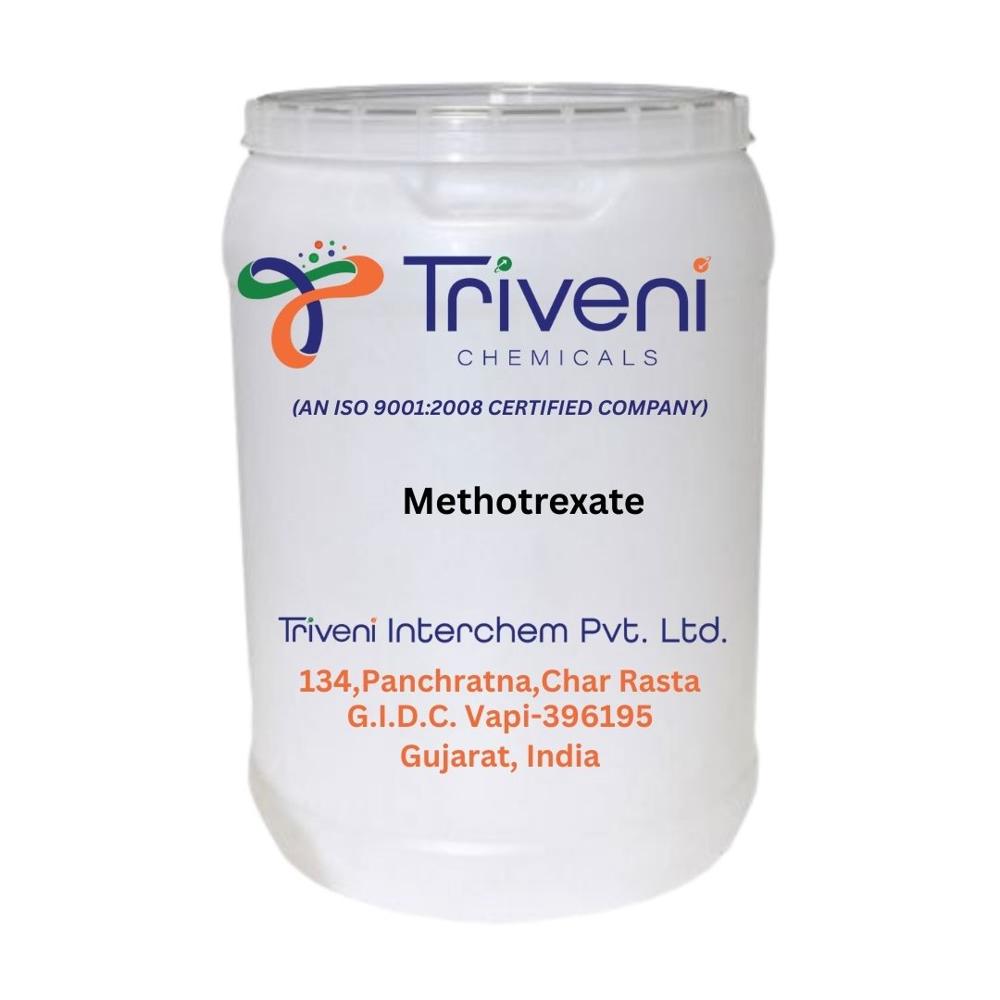
A: Methotrexate is produced and supplied from India, adhering to strict quality standards. It is packed in high-density polyethylene (HDPE) containers or other packaging solutions as required by the customer, ensuring safe transit and storage.
Q: What processes are involved in verifying the purity and safety of Methotrexate?
A: Every batch of Methotrexate undergoes comprehensive quality control measures, including compliance with USP, BP, and EP guidelines. Tests for total impurity (NMT 1.0%), heavy metal and lead content (NMT 0.001%), moisture, residue on ignition, and loss on drying are conducted to guarantee safety and medicinal quality.
Q: Which benefits distinguish Methotrexate for pharmaceutical applications?
A: Methotrexate stands out for its high purity (98-99%), compliance with global pharmacopeia, minimal impurities, and consistent assay levels (NLT 98%). These factors ensure reliable performance in therapeutic and research settings, supporting effective cancer treatment and scientific studies.
Q: How is Methotrexate typically identified and what is its appearance?
A: Methotrexate is characterized as a white crystalline powder, verified by methods that comply with USP, BP, and EP identification criteria. Its visual and chemical features assist in confirming authenticity and purity for end users.








 Send Inquiry
 Send Inquiry
 Send Inquiry
 English
 Spanish
 French
 German
 Italian
 Chinese (Simplified)
 Japanese
 Korean
 Arabic
 Portuguese