Back to top
Methyl Silicate (681-84-5)

Methyl Silicate (681-84-5)

Price 51183.0 INR/ Kilograms

MOQ : 25 Kilograms

Methyl Silicate (681-84-5) Specification

  • Poisonous
  • CAS No
  • 681-84-5
  • HS Code
  • 29420090
  • Purity
  • 99% min
  • Taste
  • Other
  • Molecular Formula
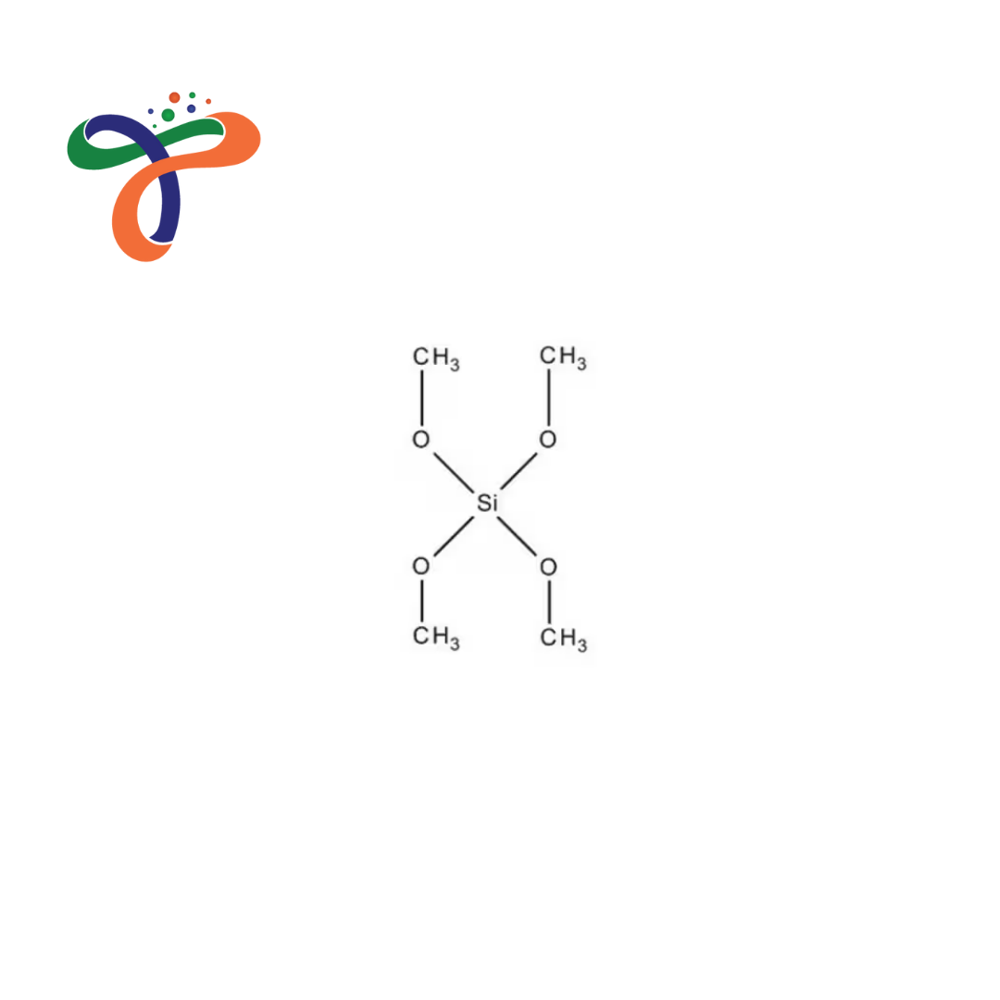
  • C4H12O4Si
  • Physical Form
  • Liquid
  • Grade
  • Industrial Grade
  • Structural Formula
  • C4H12O4Si
  • Density
  • 1.032 Gram per cubic centimeter(g/cm3)
  • Ingredients
  • Methyl Silicate (Tetra Methyl Ortho Silicate)
  • Melting Point
  • -2 C
  • Molecular Weight
  • 152.23 g/mol Grams (g)
  • Appearance
  • Clear liquid
  • Shelf Life
  • 12 months in original unopened packaging Months
  • Solubility
  • Reacts with water, soluble in alcohols and ether
  • Application
  • Industrial
  • Storage
  • Other
  • EINECS No
  • 211-656-4
  • Refractive Rate
  • 1.3692 (20 C)
  • Usage
  • For industrial use; handle with care in well-ventilated areas, avoid contact with water during storage
  • Properties
  • Methyl silicate is a highly reactive organosilicon compound primarily used as a crosslinking agent in silicone rubber and a binder in precision investment casting. Its ability to hydrolyze in the presence of moisture forms a silica network, making it essential for producing high-strength refractory coatings.
  • Shape
  • other
  • Product Type
  • Industrial Chemical
  • Smell
  • Other
  • Ph Level
  • Not applicable (not an aqueous solution)
  • Flash Point
  • 47 C (Closed cup)
  • Transport Information
  • Transport as per ADR/RID/IMDG/IATA regulations
  • Stability
  • Stable under recommended storage conditions
  • Boiling Point
  • 121 C
  • UN Number
  • UN 1992
  • Incompatibilities
  • Strong acids, strong bases, oxidizers, moisture
  • Vapor Pressure
  • 14 mm Hg at 20 C
  • Packaging
  • Available in HDPE drums, steel drums, IBC tanks
  • Hazard Class
  • Class 3 (Flammable Liquid)
  • Autoignition Temperature
  • 237 C
 

Methyl Silicate (681-84-5) Trade Information

  • Minimum Order Quantity
  • 25 Kilograms
  • Payment Terms
  • Cash in Advance (CID)
  • Supply Ability
  • 5000 Kilograms Per Month
  • Delivery Time
  • 10 Days
  • Main Domestic Market
  • All India
 

About Methyl Silicate (681-84-5)

We are Supplier, Exporter and Contract Manufacturer.
Technical profile of Methyl Silicate, a high-purity raw chemical material supplied by Triveni Chemicals for industrial manufacturing and laboratory synthesis.

Technical Specifications:
CAS Number: 681-84-5
Synonyms: Tetramethoxysilane, Tetramethyl orthosilicate
Chemical Formula: C4H12O4Si

Industrial Uses & Applications:
Methyl Silicate Is A Clear, Colorless Liquid With A Mild Alcoholic Odor, Commonly Supplied As A Mixture Of Methyl Orthosilicate Oligomers. It Is Widely Used As A Binder, Crosslinking Agent, And Precursor In Foundry Molds, Refractory Coatings, Ceramics, And Sol Gel Processes.


Exceptional Crosslinking and Binding Properties

Methyl Silicate's primary value lies in its powerful crosslinking capabilities, especially for silicone rubber and investment casting applications. When exposed to moisture, it hydrolyzes to create a resilient silica network, which greatly enhances the strength and stability of refractory coatings. This reactivity enables manufacturers to achieve higher product quality and reliability in demanding environments.


Safe Handling, Storage, and Transport

To ensure safety, Methyl Silicate must be handled in well-ventilated areas and stored in original, unopened containers away from moisture, acids, bases, and oxidizers. As a Class 3 flammable liquid (UN 1992), it requires compliance with ADR/RID/IMDG/IATA transport regulations. Its packaging in sturdy HDPE drums, steel drums, or IBC tanks helps maintain stability and safety during storage and distribution.

FAQ's of Methyl Silicate (681-84-5):


Q: How should Methyl Silicate (681-84-5) be handled for industrial applications?

A: Methyl Silicate must be handled in well-ventilated areas with protective equipment to avoid inhalation and contact with skin or eyes. Avoid any contact with water during handling or storage, as the product reacts with moisture, releasing potentially hazardous substances and modifying its chemical structure.

Q: What are the main industrial uses and benefits of Methyl Silicate?

A: Methyl Silicate is primarily used as a crosslinking agent in manufacturing silicone rubber and as a binder in precision investment casting. Its hydrolysis in moisture forms a sturdy silica network, making it essential for producing high-strength and durable refractory coatings.

Q: When is it necessary to avoid exposure to certain substances while using Methyl Silicate?

A: It is crucial to avoid exposing Methyl Silicate to strong acids, strong bases, oxidizers, and moisture at all times, as these can initiate hazardous reactions, degrade the product, and compromise safety.

Q: Where should Methyl Silicate be stored for optimal shelf life and safety?

A: Store Methyl Silicate in its original, unopened HDPE drums, steel drums, or IBC tanks in a cool, dry, and well-ventilated location, away from incompatible substances and sources of ignition. Proper storage preserves stability and ensures a shelf life of 12 months.

Q: What is the process for transporting Methyl Silicate safely?

A: Transport Methyl Silicate as a Class 3 flammable liquid under UN number 1992, strictly complying with ADR/RID/IMDG/IATA regulations. Ensure containers are sealed and upright to prevent leaks and spills during transit.

Q: What precautions should be taken regarding the solubility and reactivity of Methyl Silicate?

A: Since Methyl Silicate reacts rapidly with water, forming methanol and silica, all contact with moisture must be prevented during storage or use. The compound is soluble in alcohols and ethers, which can be factored into solvent selection for processes.

Tell us about your requirement
product

Price:

Quantity
Select Unit

  • 50
  • 100
  • 200
  • 250
  • 500
  • 1000+
Additional detail
Mobile number

Email

More Products in Industrial Chemicals Category

Lead Fluoborate (13814-96-5)

Lead Fluoborate (13814-96-5)

Price 130.0 INR / Kilograms

Minimum Order Quantity : 25 Kilograms

Appearance : White crystalline powder

Molecular Weight : 381.82 g/mol

Melting Point : 200 C

Properties : Highly soluble in water, strong oxidizing agent, toxic

Diethyl Sulfate (64-67-5)

Diethyl Sulfate (64-67-5)

Price 128.0 INR / Kilograms

Minimum Order Quantity : 25 Kilograms

Appearance : Colorless to pale yellow liquid

Molecular Weight : 154.20 g/mol Grams (g)

Melting Point : 40 C

Properties : Diethyl Sulfate (C H O S) is a colorless oily liquid with molecular weight 154.18 g/mol. Insoluble in water, soluble in organic solvents, and highly reactive as an alkylating agent. It decomposes in moisture, releasing ethanol and sulfuric acid. Extremely toxic, corrosive, and carcinogenic, requiring strict protective handling and storage under controlled conditions.

Zinc Carbonate (5263-02-05)

Zinc Carbonate (5263-02-05)

Price 186.0 INR / Kilograms

Minimum Order Quantity : 25 Kilograms

Appearance : White powder

Molecular Weight : 125.39 g/mol Grams (g)

Melting Point : 200 C

Properties : Zinc Carbonate Is A Versatile Compound With Various Industrial Applications. In The Pharmaceutical Industry, It Is Used As An Antiseptic And Astringent In Topical Ointments, Creams, And Lotions, Helping To Treat Skin Conditions Like Acne And Rashes. Zinc Carbonate Also Plays A Role In The Rubber Industry, Where It Acts As An Activator In The Vulcanization Process, Improving Rubber's Elasticity And Durability.

Iron Oxide (1309-37-1)

Iron Oxide (1309-37-1)

Price 16.0 INR / Kilograms

Minimum Order Quantity : 1 Kilograms

Appearance : Reddishbrown powder

Molecular Weight : 159.69 g/mol Grams (g)

Melting Point : 1565 C

Properties : Iron oxide refers to a group of chemical compounds comprising iron and oxygen. These are primary pigments in paints, ceramics, and construction materials. Magnetite (Fe3O4) is crucial in magnetic recording media, while hematite serves as the primary ore for industrial iron and steel production.