Methylene Diphenyl Diisocyanate About
We are Supplier, Exporter and Contract Manufacturer.
Technical profile of Methylene Diphenyl Diisocyanate, a high-purity raw chemical material supplied by Triveni Chemicals for industrial manufacturing and laboratory synthesis.
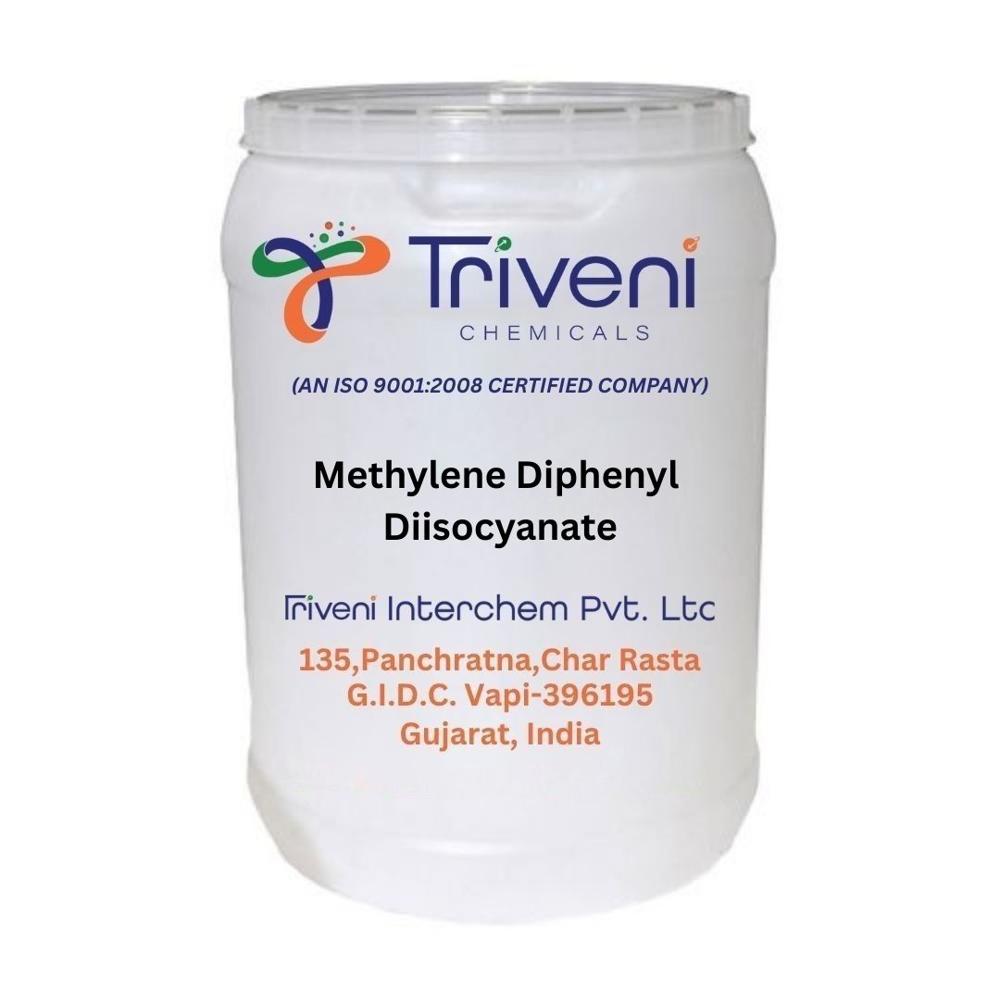
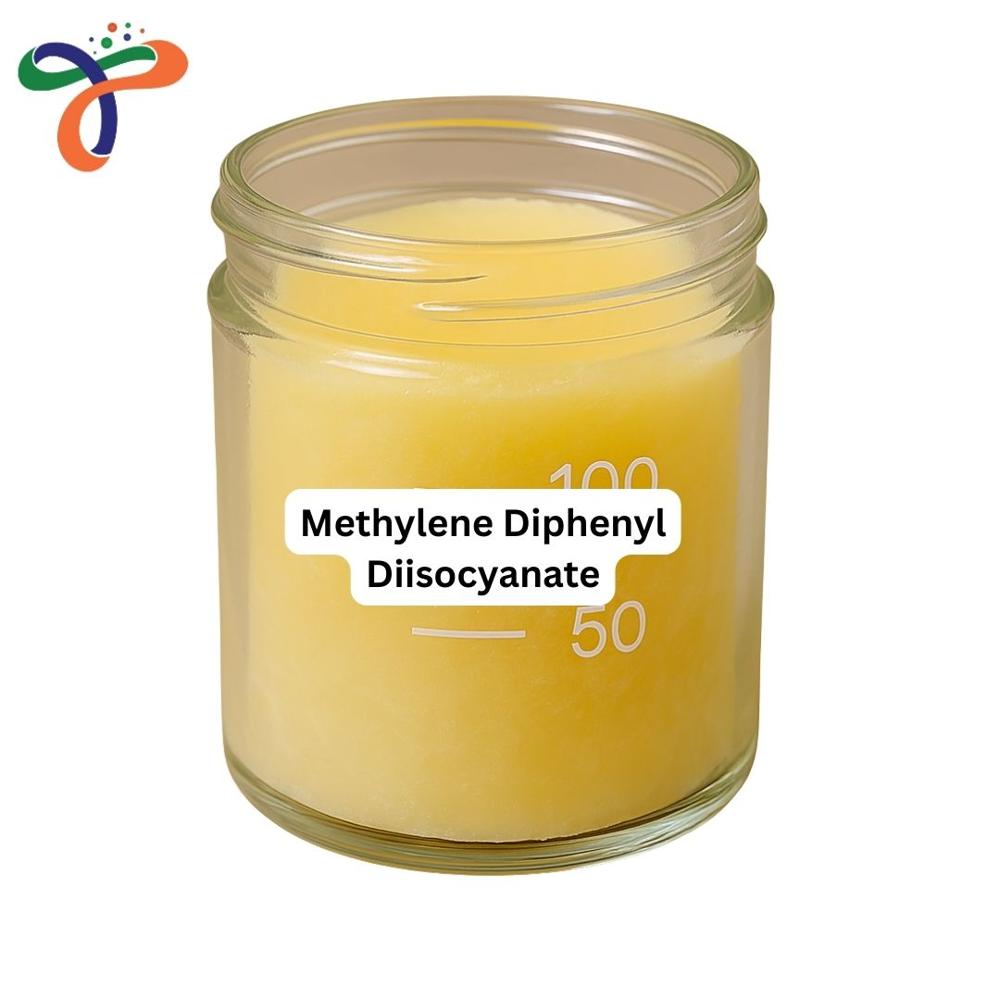
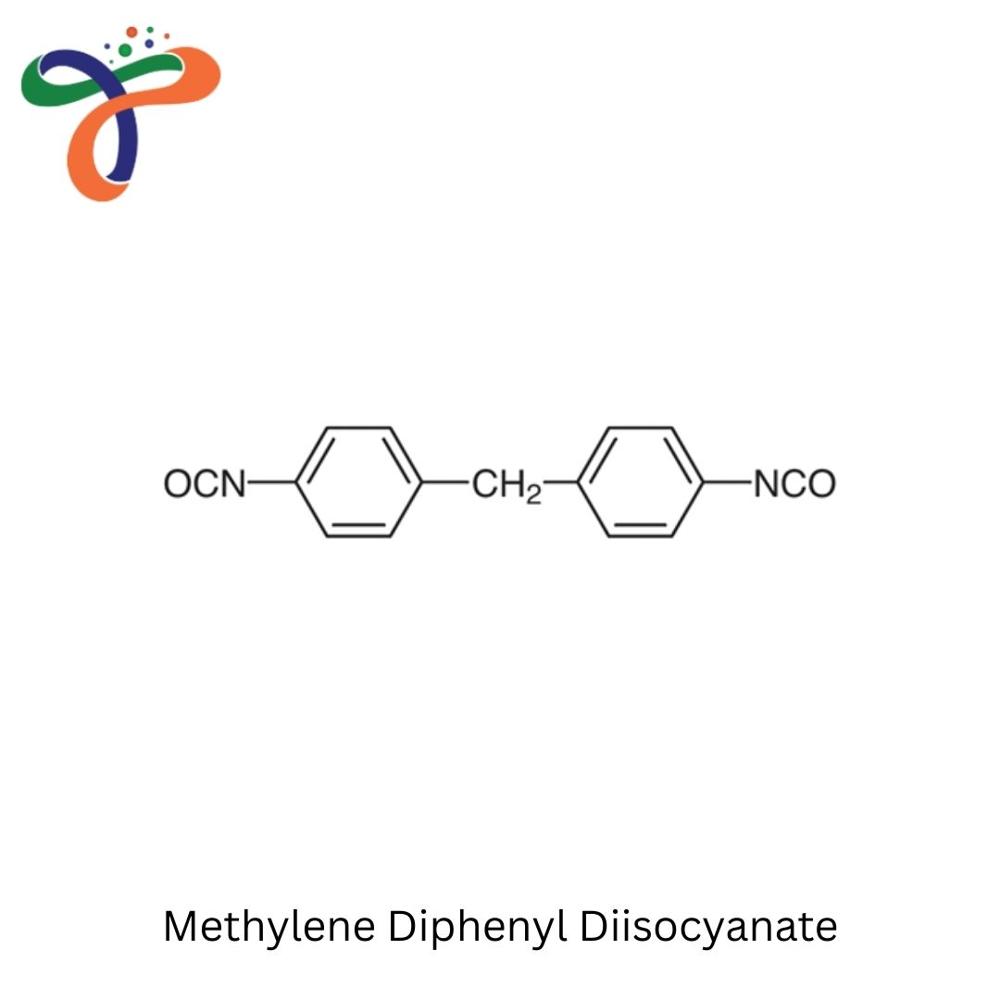
Methylene Diphenyl Diisocyanate (MDI) is an aromatic diisocyanate compound with the chemical formula C15H10N2O2 and molecular weight 250.16 g/mol. It appears as a pale yellow to brown liquid or solid (depending on isomer and temperature). It is moisture-sensitive, reacts with water releasing carbon dioxide, and is toxic and irritating. It should be handled under dry, controlled conditions.
In terms of uses and applications, MDI is widely used in the polyurethane industry as a key raw material. It reacts with polyols to produce rigid and flexible polyurethane foams. These foams are used in insulation panels, refrigerators, construction materials, automotive interiors, and cushioning products. It is also used in coatings, adhesives, sealants, and elastomers due to its strong mechanical and chemical resistance properties. In addition, MDI is applied in industrial binders, spray foams, and specialty polymer systems. Its versatility makes it one of the most important isocyanates in modern polymer chemistry.
Essential Ingredient for PolyurethanesMDI serves as the backbone in the synthesis of polyurethane products. Its reactive properties foster the creation of rigid and flexible foams, widely used for insulation, cushioning, and packaging. Manufacturers rely on MDI for the uniform quality and durability it imparts to polyurethane-based solutions.
Diverse Industrial ApplicationsFrom coatings and adhesives to high-performance foams, MDI's versatility supports a wide variety of applications. It is especially valued in the construction, automotive, footwear, and furniture industries for its strength, resilience, and reliability in end products.
FAQ's of Methylene Diphenyl Diisocyanate:
Q: How is Methylene Diphenyl Diisocyanate (MDI) typically used in manufacturing?
A: MDI is primarily utilized as a precursor in the production of polyurethanes, which are then further processed to create coatings, adhesives, and rigid or flexible foams for different industrial applications.
Q: What are the main benefits of using MDI-based materials?
A: MDI-based materials offer exceptional mechanical strength, thermal insulation, and resistance to wear. These qualities make them ideal for applications that demand durability and longevity, such as construction panels and automotive parts.
Q: When should MDI be selected over other isocyanates?
A: MDI is often chosen when a balance of rigidity, flexibility, and ease of handling is required in end applications. It is preferred in polyurethane formulations where enhanced efficiency and safety in processing are important.
Q: Where is MDI commonly manufactured and supplied in India?
A: MDI is manufactured and distributed by several reputable chemical companies throughout India. Leading suppliers ensure consistent quality and compliance with international standards to serve both domestic and global markets.
Q: What is the typical process for using MDI in production settings?
A: Manufacturers blend MDI with polyols and other additives to initiate chemical reactions that form polyurethane. The process is tailored to suit the desired product, whether it's a coating, adhesive, or foam.
Q: How does the color of MDI indicate its quality or application suitability?
A: MDI typically ranges from white to light yellow in color. Color consistency is indicative of purity and quality, ensuring the final polyurethane products perform reliably in their intended applications.






 Send Inquiry
 Send Inquiry
 Send Inquiry
 English
 Spanish
 French
 German
 Italian
 Chinese (Simplified)
 Japanese
 Korean
 Arabic
 Portuguese