Pine Tar (8011-48-1) About
We are Supplier, Exporter and Contract Manufacturer.
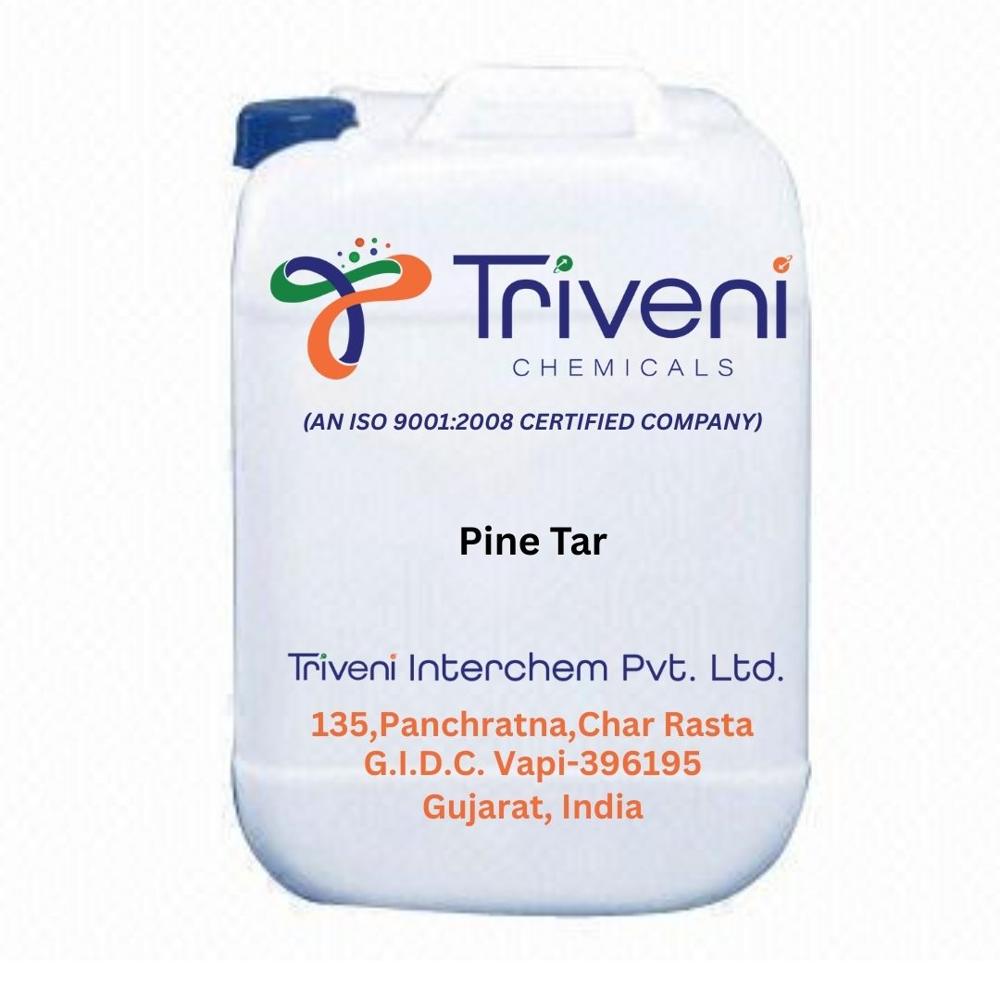
Technical profile of Pine Tar, a high-purity raw chemical material supplied by Triveni Chemicals for industrial manufacturing and laboratory synthesis.
Technical Specifications:
CAS Number: 8011-48-1
Industrial Uses & Applications:
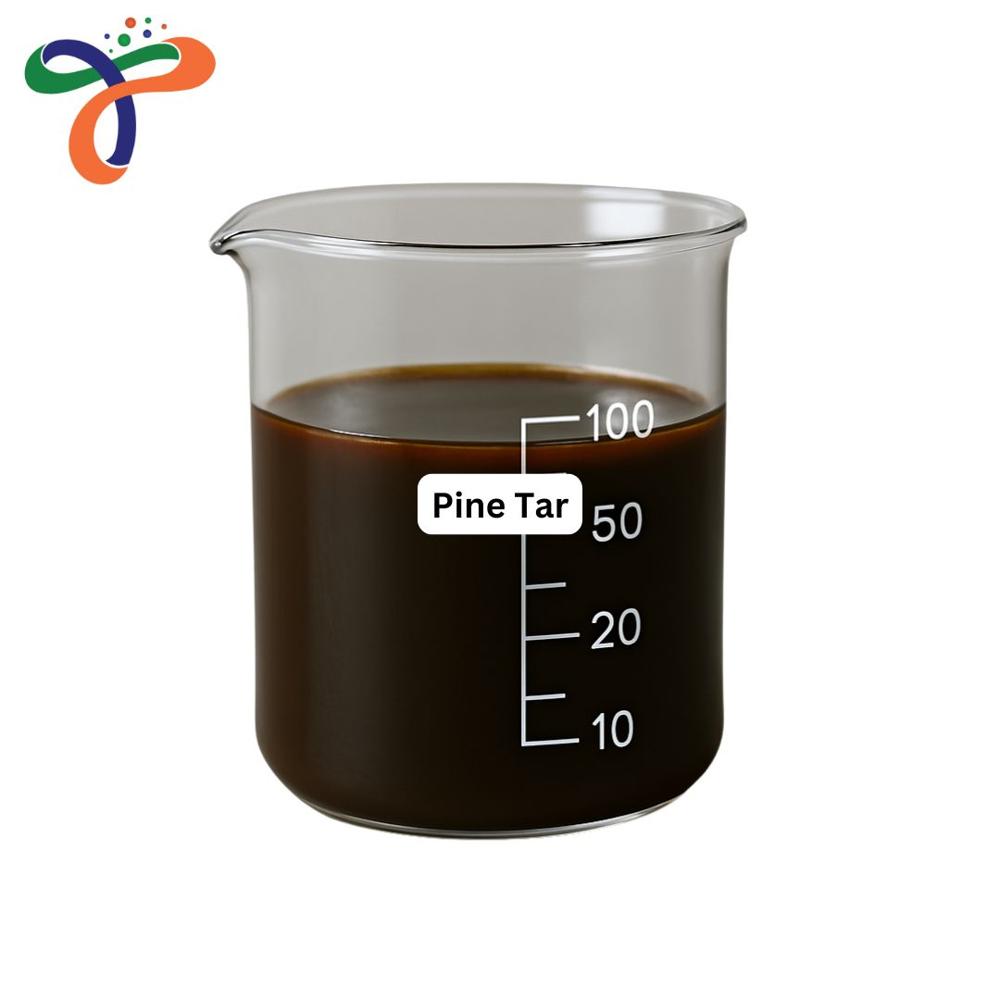
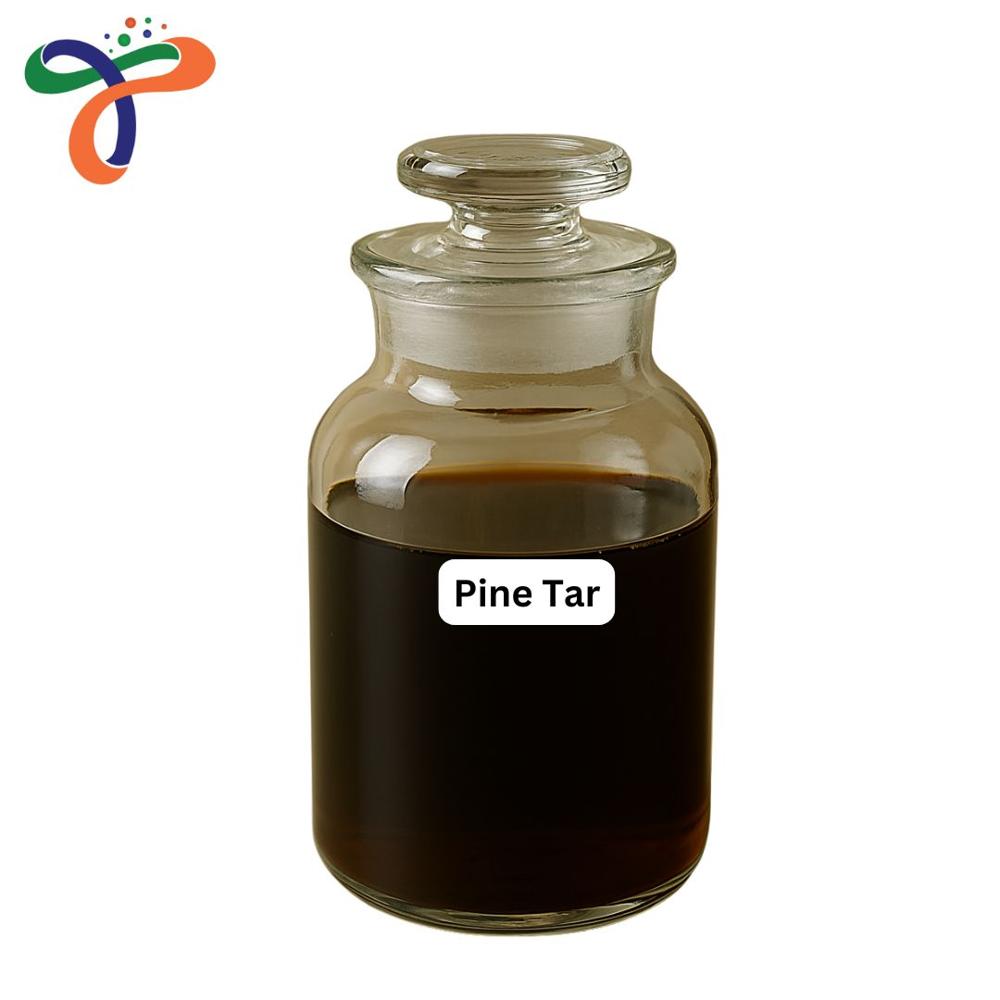
Pine Tar Is A Dark Brown To Black, Viscous Liquid Obtained From The Destructive Distillation Of Pine Wood. Pine Tar Is Traditionally Used In Wood Preservation, Waterproofing, Rope And Timber Treatment, Veterinary Applications, And Certain Medicinal And Cosmetic Formulations. It Is A Complex Mixture Of Phenols, Hydrocarbons, Resins, And Organic Acids, Which Give It Antiseptic And Preservative Properties.
Highly Effective Wood PreservativePine tar is extensively employed for protecting wooden structures exposed to the elements, such as fences, decks, and marine equipment. Its viscous nature enables it to penetrate wood fibers, providing long-lasting protection against rot, insects, and environmental damage. This makes it an ideal natural alternative to synthetic preservatives, especially in outdoor and maritime settings.
Versatile Industrial and Medicinal UsesBeyond wood preservation, pine tar is widely used in the production of soaps, shampoos, and topical veterinary products. Its antiseptic properties make it a popular choice in dermatological formulations and animal care. Industrially, it finds use in roofing applications and as a component in specialized coatings, offering durable and reliable performance.
FAQ's of Pine Tar (8011-48-1):
Q: How is pine tar produced for industrial applications?
A: Pine tar is produced through destructive distillation, which involves heating pine wood in the absence of oxygen. This process breaks down the wood and collects the sticky, viscous liquid that is pine tar, making it suitable for various industrial uses.
Q: What are the main benefits of using pine tar as a wood preservative?
A: Pine tar provides natural protection to wood by preventing rot, deterring insects, and enhancing durability. Its deep penetration into wood fibers ensures long-lasting defense against weather and biological threats, making it ideal for outdoor wooden structures.
Q: When should pine tar be applied for maximum effectiveness?
A: Pine tar should be applied to clean and dry wood, ideally during moderate weather conditions to allow proper absorption. Reapplication every few years may be necessary, especially for outdoor or marine structures exposed to harsh environments.
Q: Where can pine tar be used aside from wood preservation?
A: Beyond wood preservation, pine tar is utilized in manufacturing roofing materials, marine sealants, and medicinal soaps or shampoos. It is also used in veterinary medicine as an additive due to its soothing and antiseptic properties.
Q: What is the process for using pine tar in roofing and marine applications?
A: In roofing, pine tar is blended with other materials to form waterproof coatings. For marine uses, it is applied directly onto wooden surfaces to seal and protect them against water damage and fungal growth, thereby extending the lifespan of boats and docks.
Q: Is pine tar safe for use in dermatological and veterinary products?
A: Yes, pine tar is included in certain soaps, shampoos, and veterinary medicines due to its mild antiseptic and soothing qualities. However, formulations are designed to ensure safe concentrations appropriate for human and animal use.







 Send Inquiry
 Send Inquiry
 Send Inquiry
 English
 Spanish
 French
 German
 Italian
 Chinese (Simplified)
 Japanese
 Korean
 Arabic
 Portuguese