Polyphosphoric Acid (8017-16-1) About
We are Supplier, Exporter and Contract Manufacturer.
Technical profile of Polyphosphoric Acid, a high-purity raw chemical material supplied by Triveni Chemicals for industrial manufacturing and laboratory synthesis.
Technical Specifications:
CAS Number: 8017-16-1
Industrial Uses & Applications:
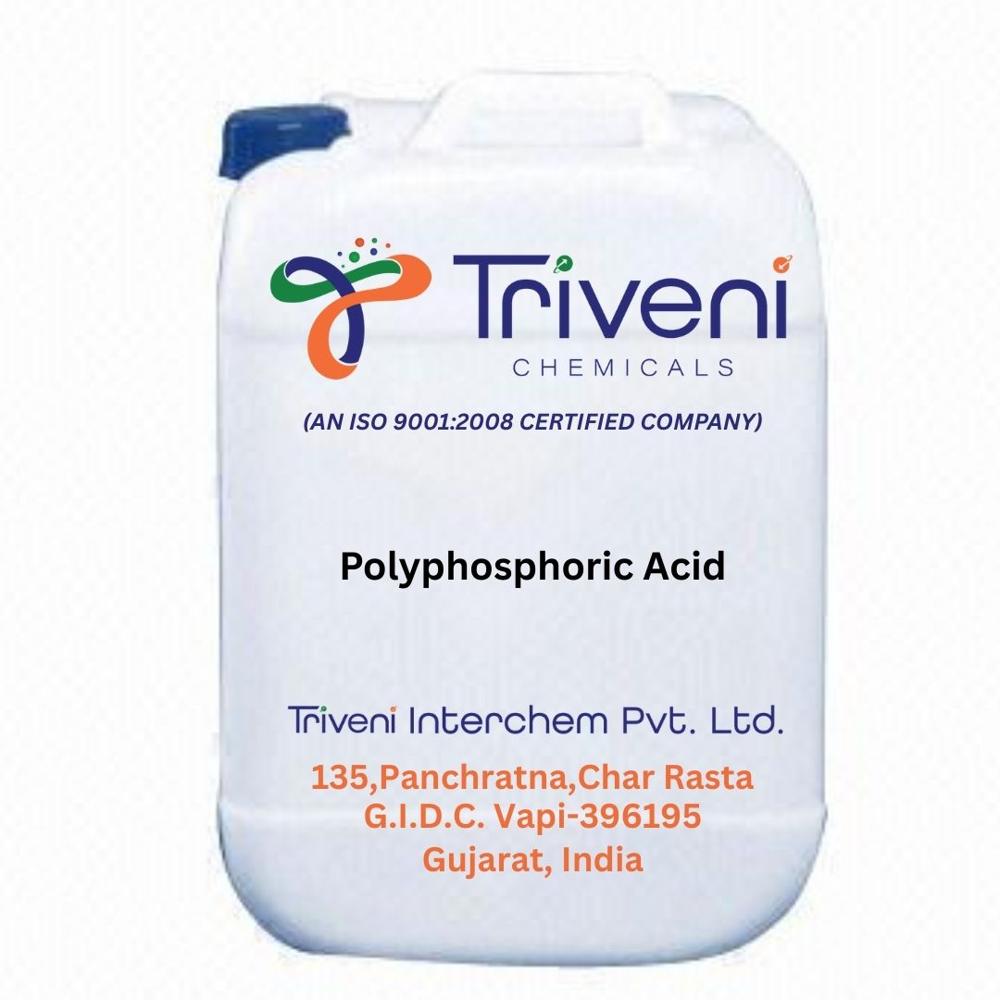
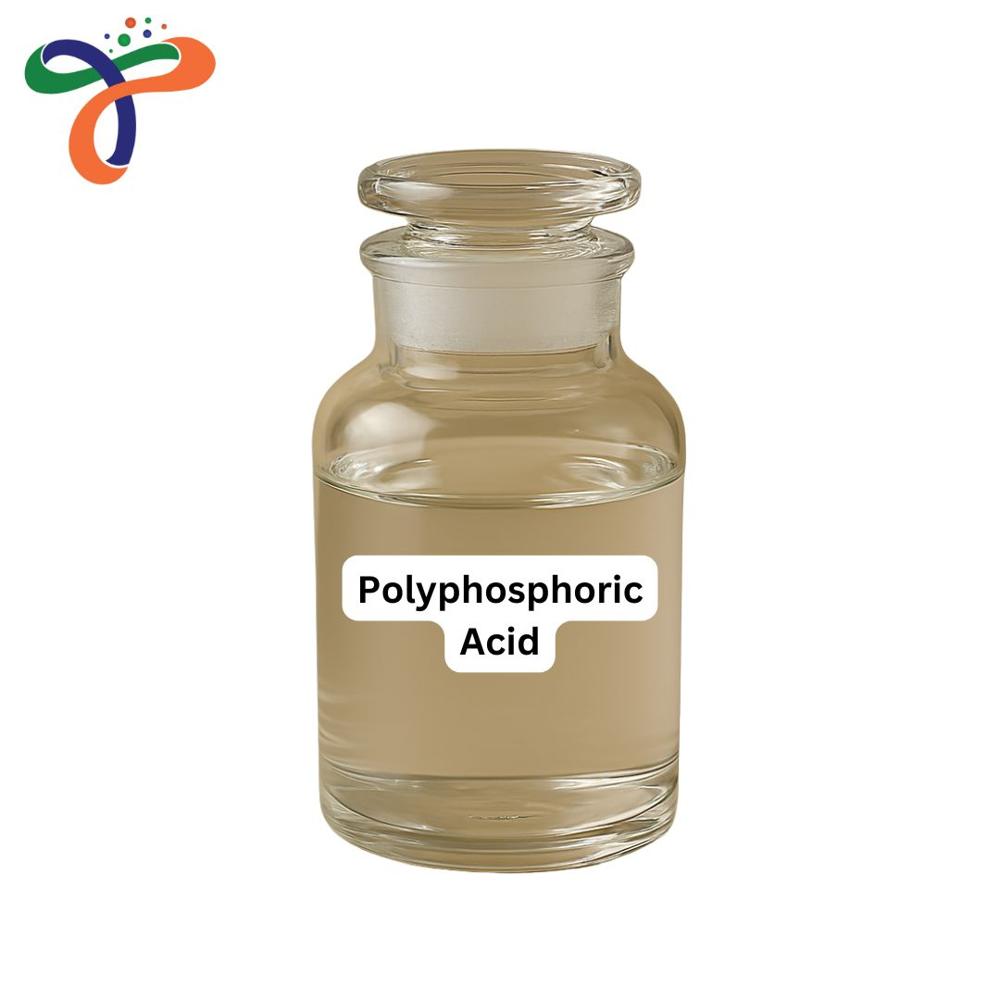
Polyphosphoric Acid Is A Clear To Pale Yellow, Highly Viscous Liquid Or Semi Solid Composed Of Linear Chains Of Condensed Phosphoric Acids. It Is Widely Used As A Strong Acid Catalyst And Dehydrating Agent In Organic Synthesis, Pharmaceuticals, Agrochemicals, And Specialty Chemical Manufacturing. It Exhibits High Acidity And Excellent Water Binding Capacity, Making It Effective In Cyclization, Acylation, And Condensation Reactions.
Versatile Industrial CatalystPolyphosphoric acid's strong dehydrating properties make it a crucial catalyst in esterification, dehydration, and cyclization reactions. Industries depend on its reliability for the efficient synthesis of performance polymers, pharmaceuticals, and specialty chemicals. Its effectiveness in both laboratory and large-scale manufacturing environments enhances productivity and enables advanced product development.
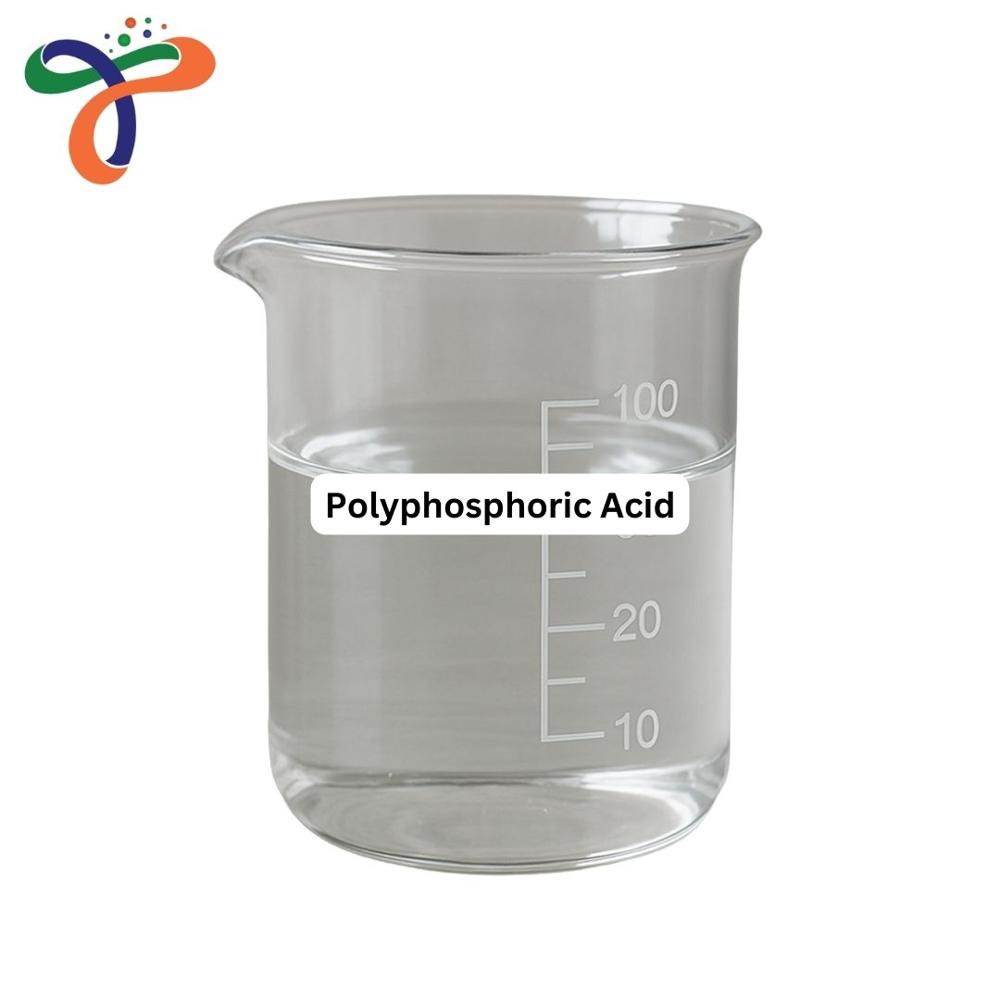
Physical Properties and HandlingThis acid appears as a colorless, viscous liquid with a melting point of -20C, refractive rate of 1.46, and high water solubility, forming clear aqueous solutions. Its handling requires proper care due to its corrosive and reactive nature. Industrial facilities rely on precise storage and safety protocols to ensure controlled use and prolong the product's shelf life.
FAQ's of Polyphosphoric Acid (8017-16-1):
Q: How is polyphosphoric acid typically used in industrial processes?
A: Polyphosphoric acid is widely used as a catalyst and dehydrating agent in industrial reactions, particularly in esterification, cyclization, and dehydration processes. It also plays a significant role as an intermediate in polymer synthesis and as a key reagent in pharmaceuticals and surfactant production.
Q: What are the benefits of using polyphosphoric acid in synthesis applications?
A: The main benefits include its strong dehydrating ability, high reactivity, and effectiveness as a catalyst. These properties accelerate reaction rates, improve product yields, and support the manufacture of advanced materials, especially high-performance polymers and specialty chemicals.
Q: When should polyphosphoric acid be chosen over other acids for catalysis?
A: Polyphosphoric acid should be selected when strong dehydration or cyclization is required, or when conventional acids are less effective. Its unique physical and chemical properties make it suitable for demanding industrial and laboratory applications where enhanced efficiency is needed.
Q: Where is polyphosphoric acid commonly manufactured and supplied?
A: Polyphosphoric acid is produced and supplied by various manufacturers in India and globally. Its industrial grade is readily available from chemical suppliers for use in large-scale production facilities and research laboratories.
Q: What precautions are necessary when handling polyphosphoric acid in its liquid form?
A: Due to its highly viscous and corrosive nature, users should employ protective equipment such as gloves, goggles, and chemical-resistant clothing. Proper ventilation and storage in corrosion-proof containers are essential to ensure safe handling and avoid hazardous reactions.
Q: Can polyphosphoric acid be dissolved in water, and what is the result?
A: Yes, polyphosphoric acid is water soluble and forms clear aqueous solutions upon mixing, which is advantageous in various chemical and industrial processes requiring solution-based reactions or dilutions.







 Send Inquiry
 Send Inquiry
 Send Inquiry
 Call Me Free
 English
 Spanish
 French
 German
 Italian
 Chinese (Simplified)
 Japanese
 Korean
 Arabic
 Portuguese