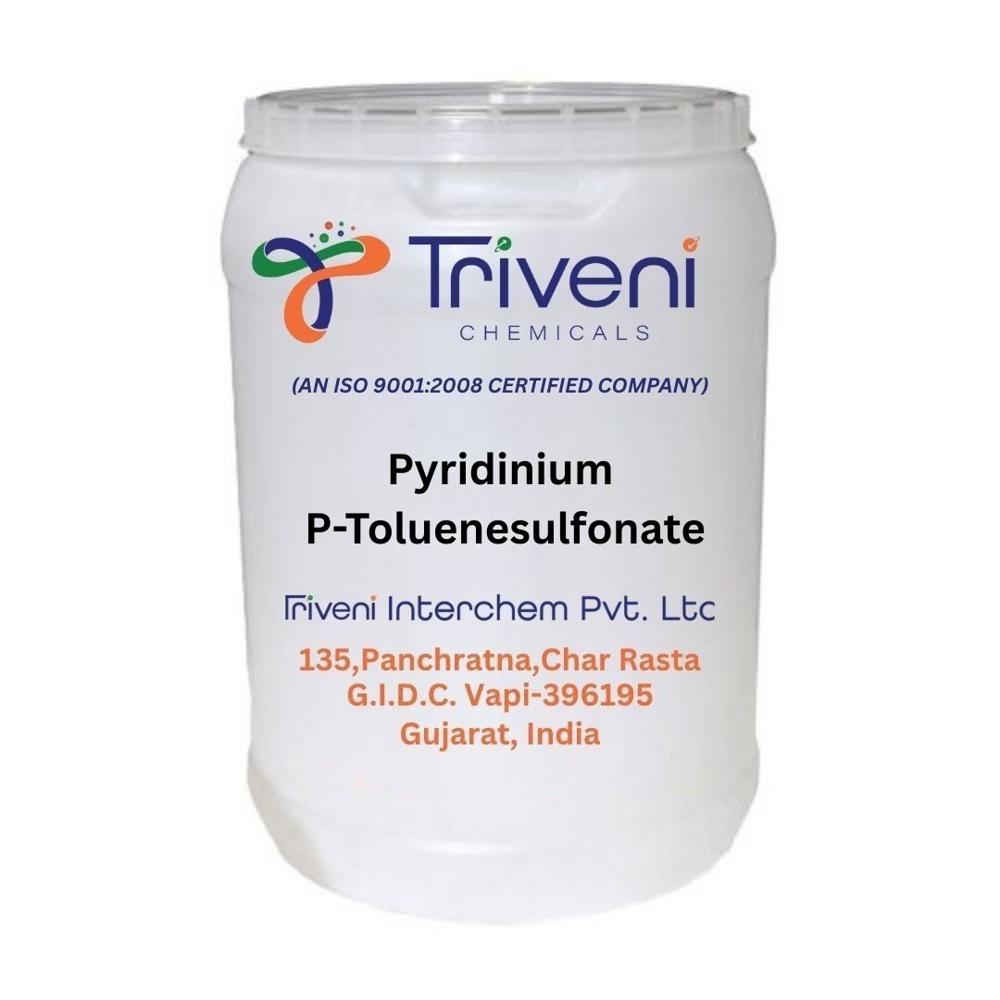
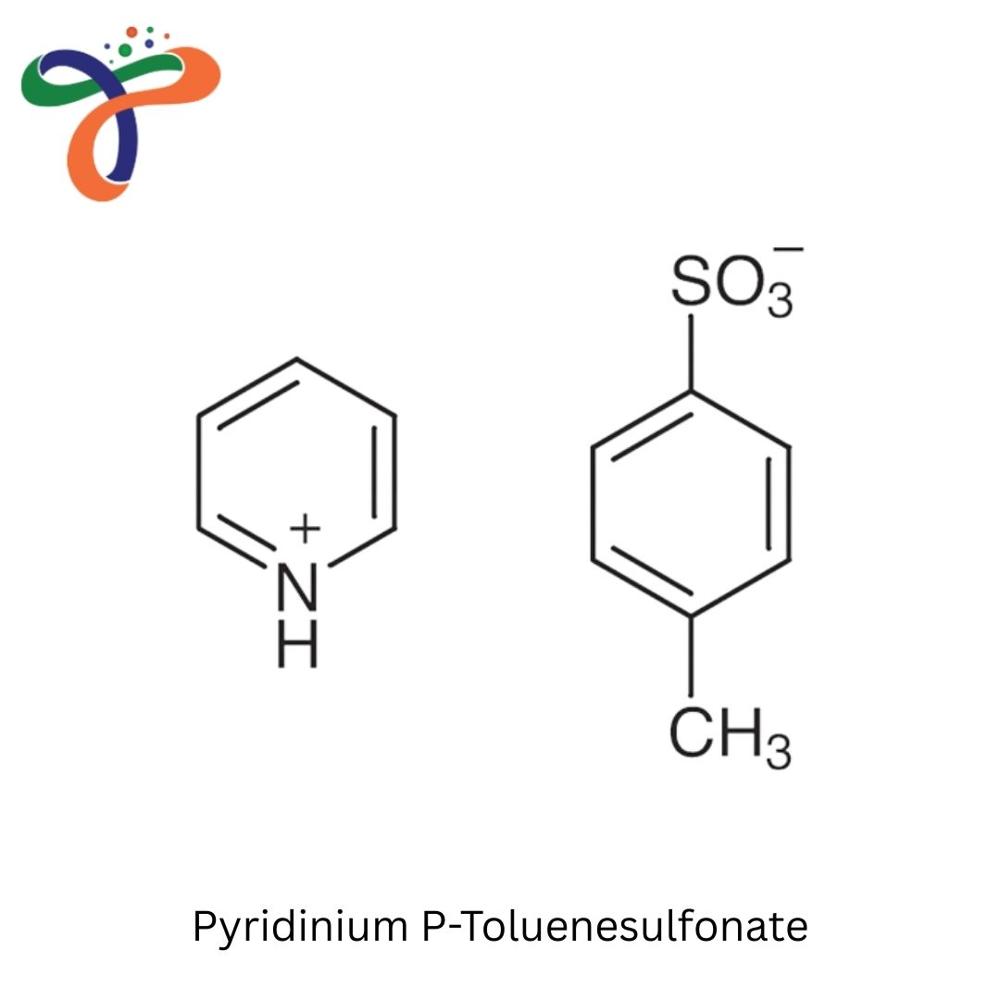
About Pyridinium P-Toluenesulfonate (24057-28-1) (C12H13NO3S)
Pyridinium P-Toluenesulfonate (PPTS) Is A Mild Organic Acid Widely Used As A Catalyst In Organic Synthesis. It Is Commonly Employed For Esterification, Acetalization, And Transesterification Reactions Due To Its Stability And Non-Oxidizing Nature.Mild and Efficient Acid CatalystPyridinium p-Toluenesulfonate excels as a gentle, yet potent, acid catalyst for organic synthesis. Its application in esterification, acetalization, and transesterification reactions helps yield high-quality products. Due to its non-oxidizing nature, it minimizes side reactions and maintains compound integrity throughout the process.
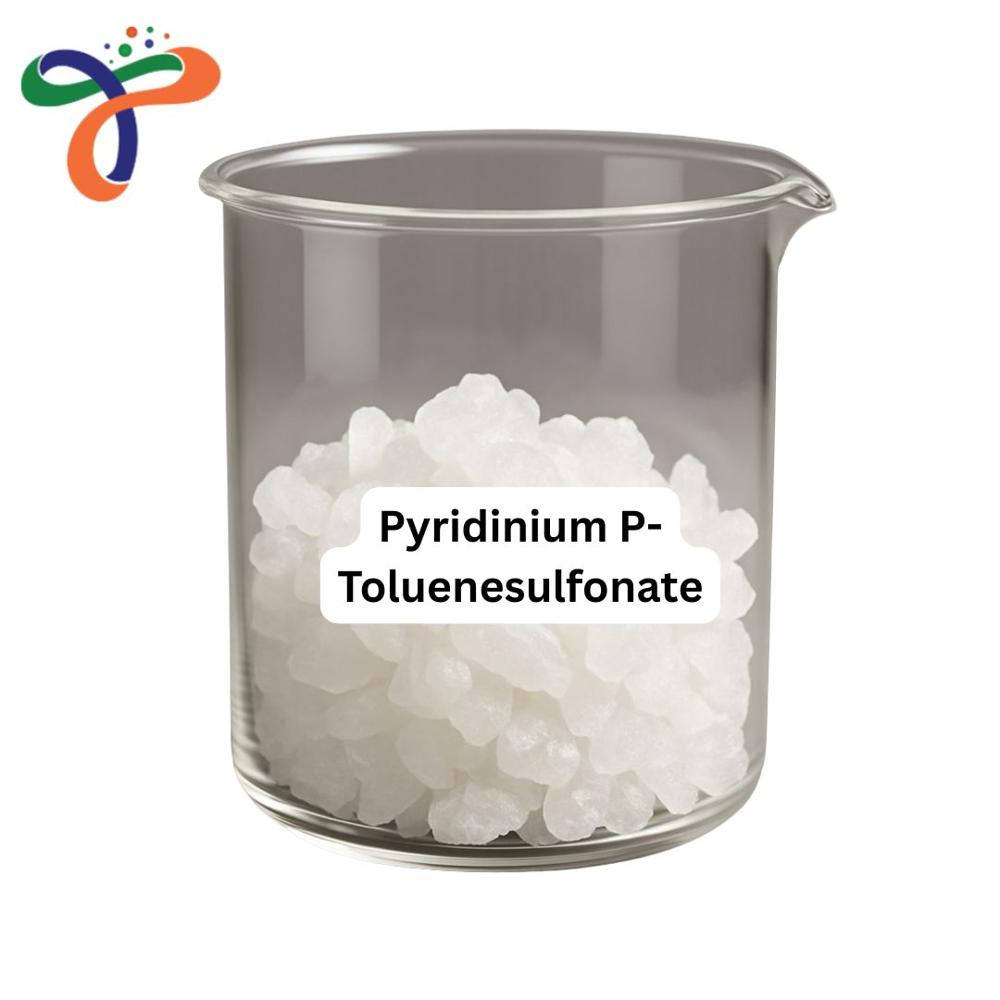
Physical and Chemical PropertiesPPTS is a solid with a white crystalline appearance and a melting point of 117-120C. Its molecular weight is 251.30 g/mol, and the chemical structure is C12H13NO3S. The compound dissolves readily in water and alcohols, adding versatility to its practical usage in various industrial applications.
Industrial Applications and BenefitsManufacturers rely on PPTS for its stability and performance as an acid catalyst, especially in large-scale synthesis. Its mild acidity makes it preferable over stronger acids, reducing the risk of oxidation and by-product formation, thereby improving efficiency and safety across industrial processes.
FAQ's of Pyridinium P-Toluenesulfonate:
Q: How is Pyridinium p-Toluenesulfonate used in organic synthesis?
A: Pyridinium p-Toluenesulfonate acts as a mild acid catalyst in organic synthesis, facilitating esterification, acetalization, and transesterification reactions without causing oxidation of sensitive substrates.
Q: What benefits does PPTS provide compared to stronger acid catalysts?
A: PPTS offers mild, stable catalytic activity, reducing unwanted side reactions and oxidation. This makes it safer and more selective for precise industrial applications than harsher, volatile acids.
Q: When should PPTS be added to a reaction mixture?
A: PPTS is usually introduced at the beginning of the reaction to catalyze the process from the start, ensuring consistent progress and optimal product yield in synthesis operations.
Q: Where is PPTS commonly supplied and manufactured?
A: This compound is widely produced and supplied by manufacturers in India, serving diverse industrial clients involved in chemical and pharmaceutical synthesis.
Q: What is the typical process of using PPTS in esterification reactions?
A: In esterification, PPTS is added to the reactants; its acid properties activate substrates, accelerating the conversion of carboxylic acids and alcohols into esters efficiently and safely.
Q: How does the solubility of PPTS affect its industrial application?
A: PPTS's solubility in water and alcohols enhances its versatility, allowing seamless integration into various reaction media and ensuring uniform catalytic activity throughout the process.







 Send Inquiry
 Send Inquiry
 Send Inquiry
 Call Me Free
 English
 Spanish
 French
 German
 Italian
 Chinese (Simplified)
 Japanese
 Korean
 Arabic
 Portuguese