Sodium Acid Pyrophosphate About
Product Overview:
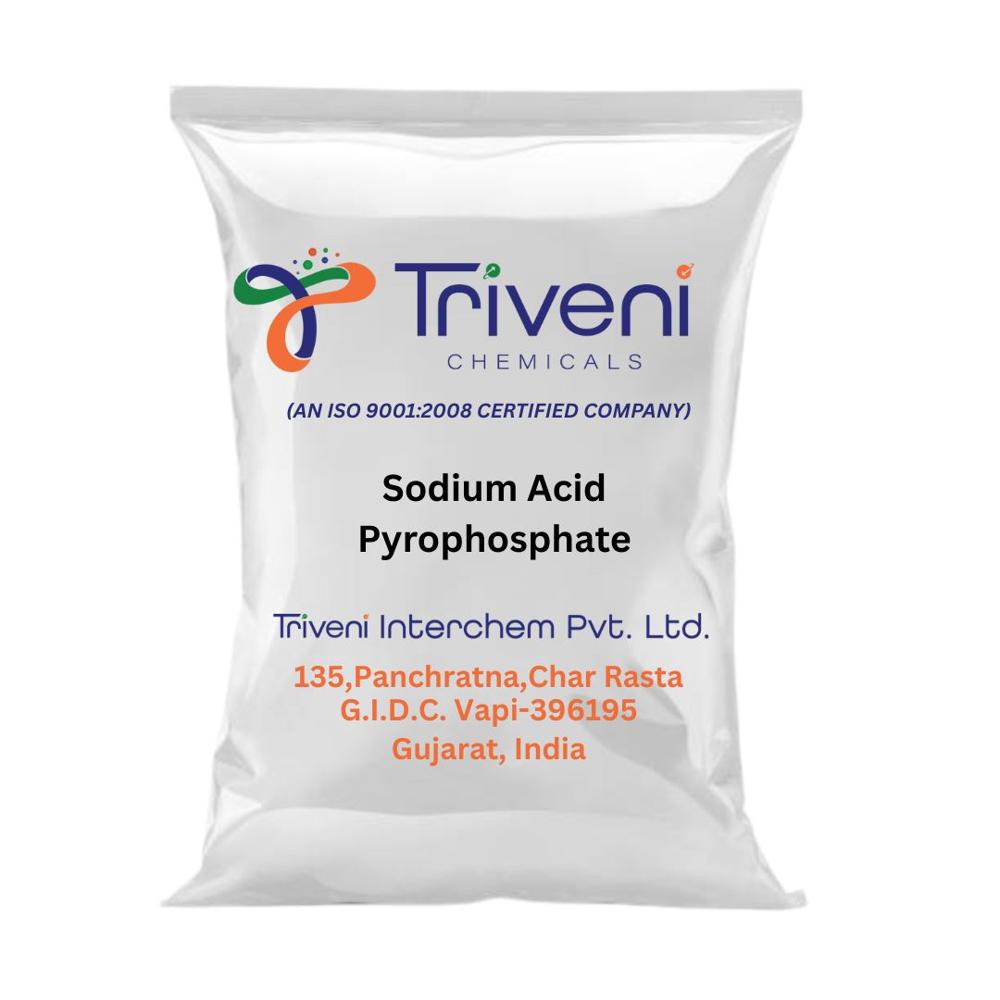
Technical profile of Sodium Acid Pyrophosphate, a high-purity raw chemical material supplied by Triveni Chemicals for industrial manufacturing and laboratory synthesis.
Technical Specifications:
CAS Number: 7758-16-9
Synonyms: Sodium Pyrophosphate Dibasic
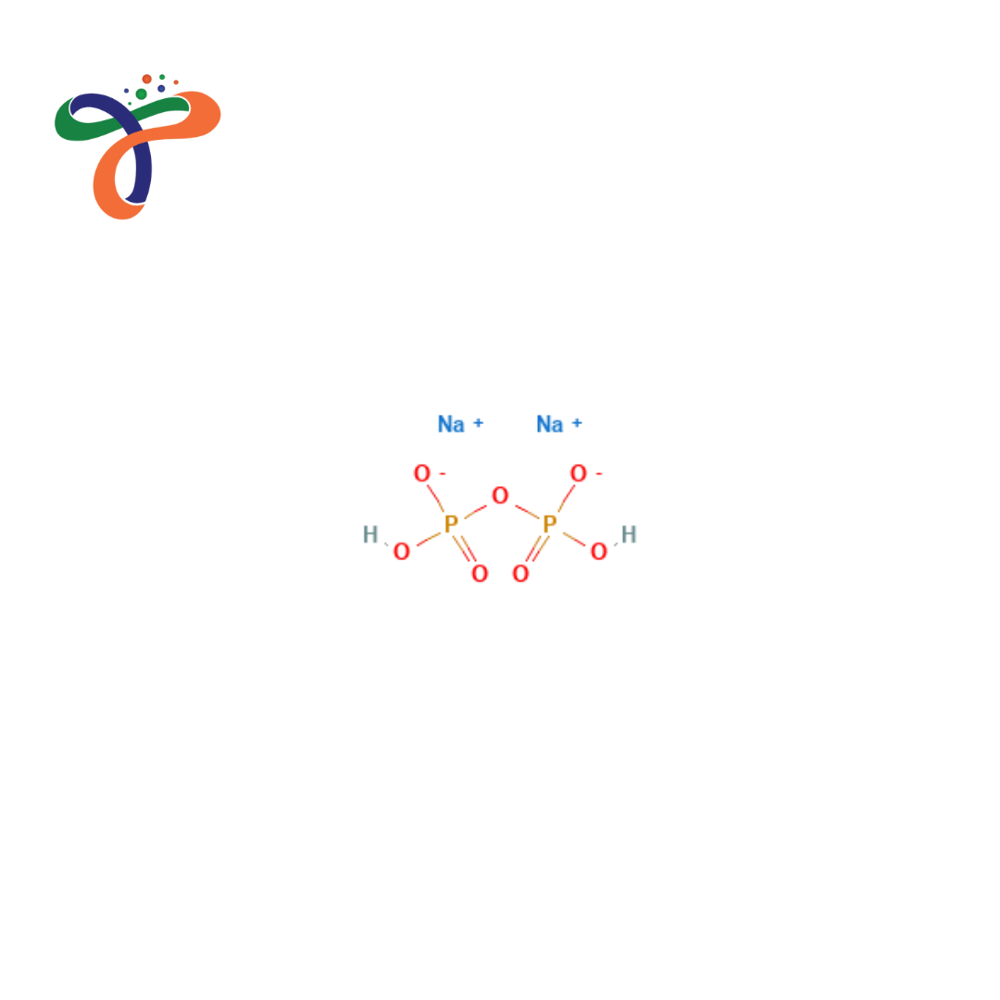
Chemical Formula: Na2H2P2O7
Industrial Uses & Applications:
Sodium Acid Pyrophosphate Sapp Is An Inorganic Phosphate Widely Used In Food, Pharmaceutical, And Industrial Applications. It Is Valued For Its Controlled Leavening Action, Buffering Capacity, And Good Water Solubility. In The Food Industry, Sodium Acid Pyrophosphate Is Commonly Used As A Leavening Agent In Bakery Products, Frozen Doughs.
Versatile Applications of Sodium Acid PyrophosphateSodium Acid Pyrophosphate is chiefly used in the food industry as a leavening and buffering agent, enhancing the texture and consistency of bakery products. Beyond baking, it stabilizes processed foods and is instrumental in seafood and potato processing. Industrially, SAPP is effective in water treatment, detergents, and chemical synthesis, making it a multifunctional compound for diverse sectors.
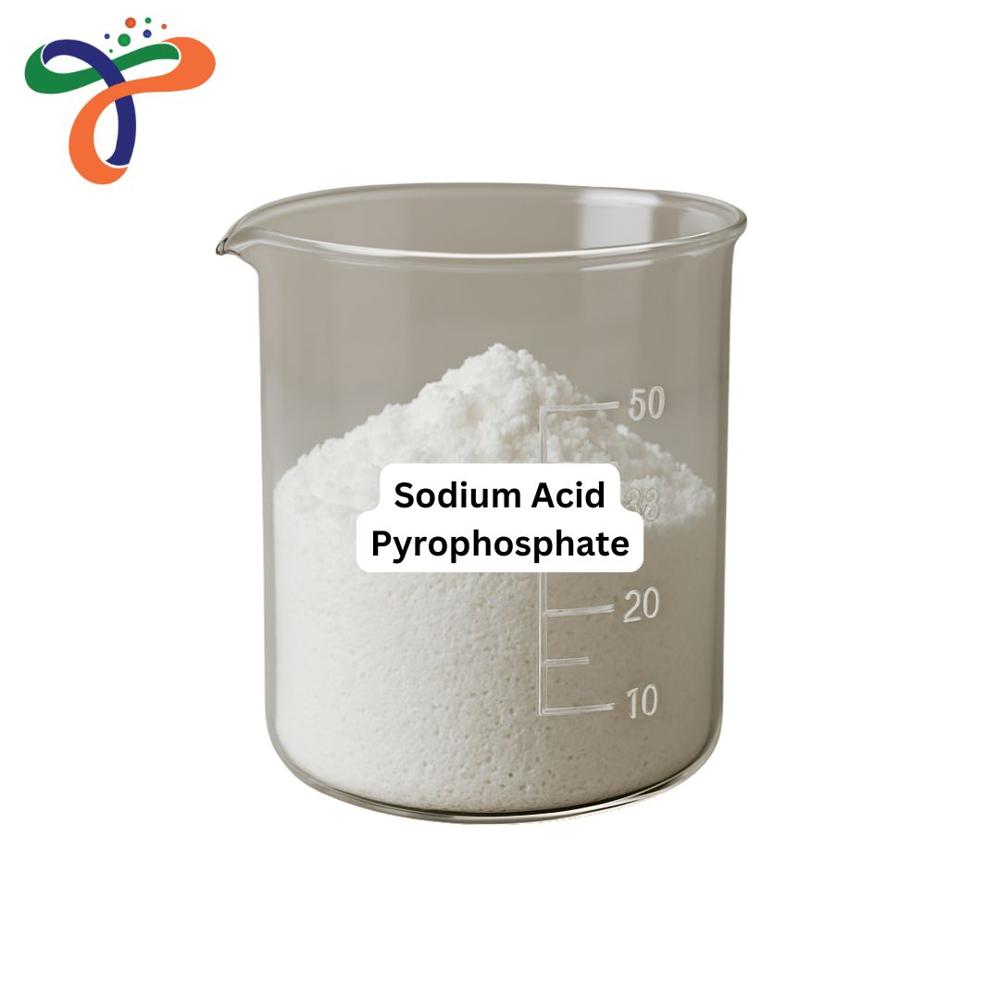
Key Physical and Chemical PropertiesThis compound presents as a white crystalline powder, boasting a high purity (96-98%) and excellent water solubility. Its molecular formula is Na2H2P2O7, with a melting point of 170C and refractive rate of 1.52. These attributes underpin its effectiveness in both food processing and industrial applications, contributing to consistent product performance.
FAQ's of Sodium Acid Pyrophosphate:
Q: How is Sodium Acid Pyrophosphate used in baking processes?
A: Sodium Acid Pyrophosphate acts as a leavening agent in baking. It reacts with baking soda to release carbon dioxide when heated, making dough rise and resulting in light, airy baked goods.
Q: What benefits does Sodium Acid Pyrophosphate offer in food processing?
A: It functions as an acidity regulator, buffering agent, and stabilizer, helping control pH levels and maintain the texture and shelf life of processed foods like baked goods, seafood, and potato products.
Q: When is it appropriate to use Sodium Acid Pyrophosphate as a stabilizer?
A: Sodium Acid Pyrophosphate is commonly used as a stabilizer in products that require texture retention, such as canned potatoes, seafood, and ready-to-cook processed foods. It helps prevent changes in consistency during storage and preparation.
Q: Where is Sodium Acid Pyrophosphate manufactured and supplied from?
A: This compound is widely manufactured and supplied in India, serving both domestic and international markets for food and industrial applications.
Q: What is the process of incorporating Sodium Acid Pyrophosphate in industrial applications?
A: In industrial settings, SAPP is blended into water treatment formulations, detergents, or chemical mixtures, leveraging its solubility and buffering capability to achieve targeted chemical reactions and product stability.
Q: How does the solubility profile of Sodium Acid Pyrophosphate affect its use?
A: SAPP is soluble in water but insoluble in organic solvents, making it ideal for applications where rapid dissolution in aqueous systems is needed, such as in baking mixes, processed foods, and water treatment.







 Send Inquiry
 Send Inquiry
 Send Inquiry
 Call Me Free
 English
 Spanish
 French
 German
 Italian
 Chinese (Simplified)
 Japanese
 Korean
 Arabic
 Portuguese