Sodium Bisulphate Anhydrous About
We are Supplier, Exporter and Contract Manufacturer.
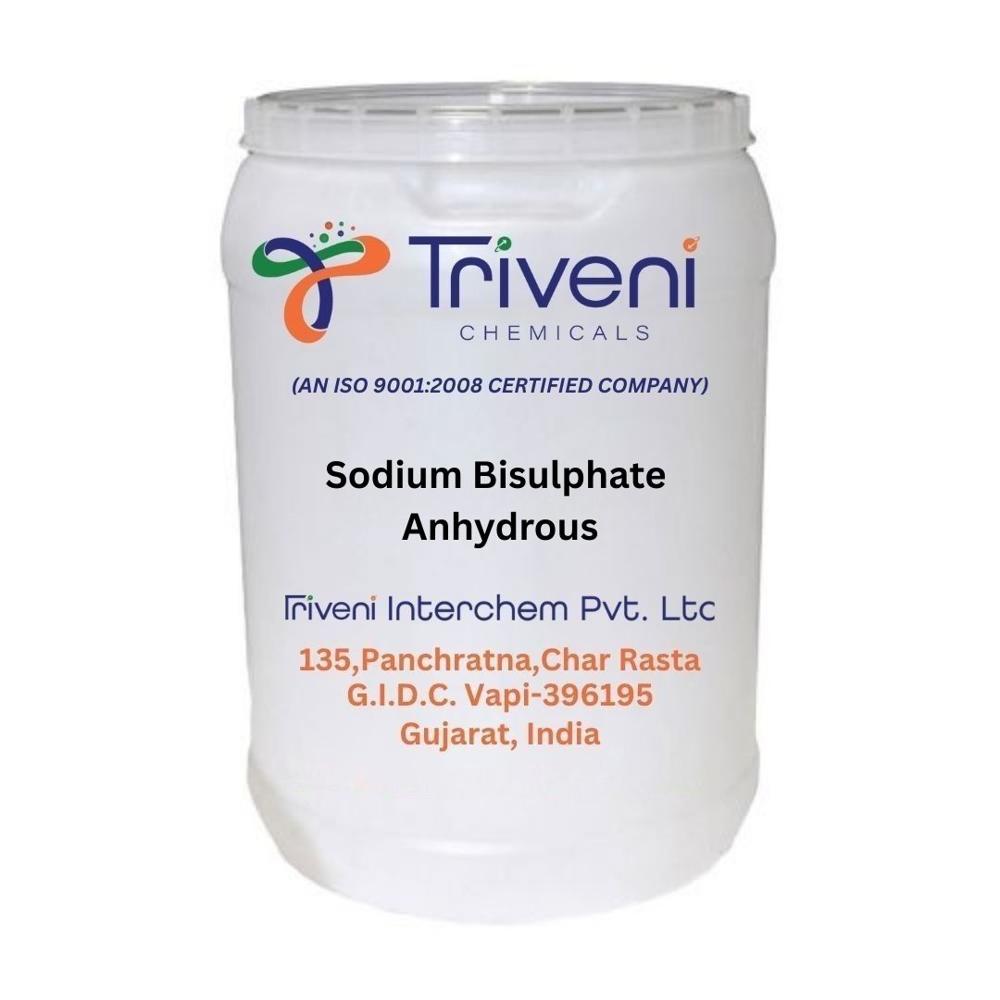
Technical profile of Sodium Bisulphate Anhydrous, a high-purity raw chemical material supplied by Triveni Chemicals for industrial manufacturing and laboratory synthesis.
Technical Specifications:
CAS Number: 7681-38-1
Synonyms: Sodium Hydrogen Sulfate Anhydrous, Sodium Acid Sulfate
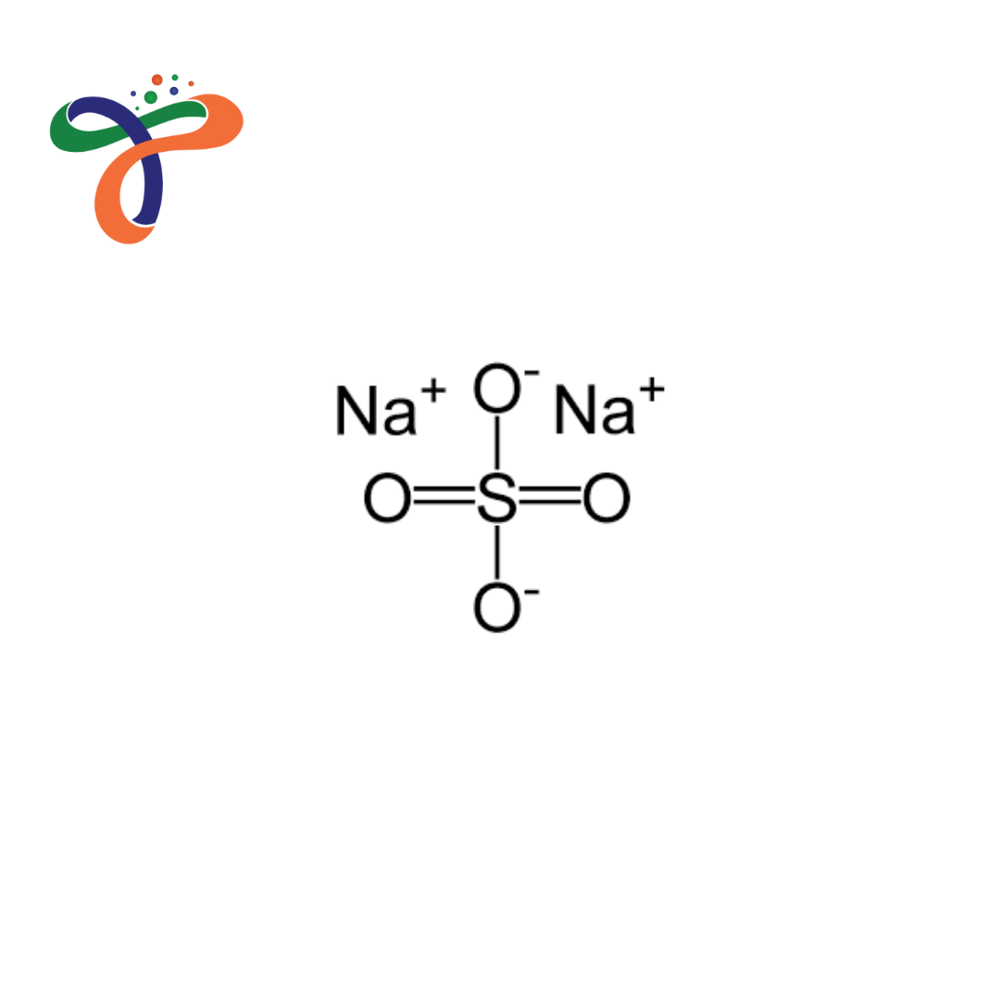
Chemical Formula: NaHSO4
Industrial Uses & Applications:
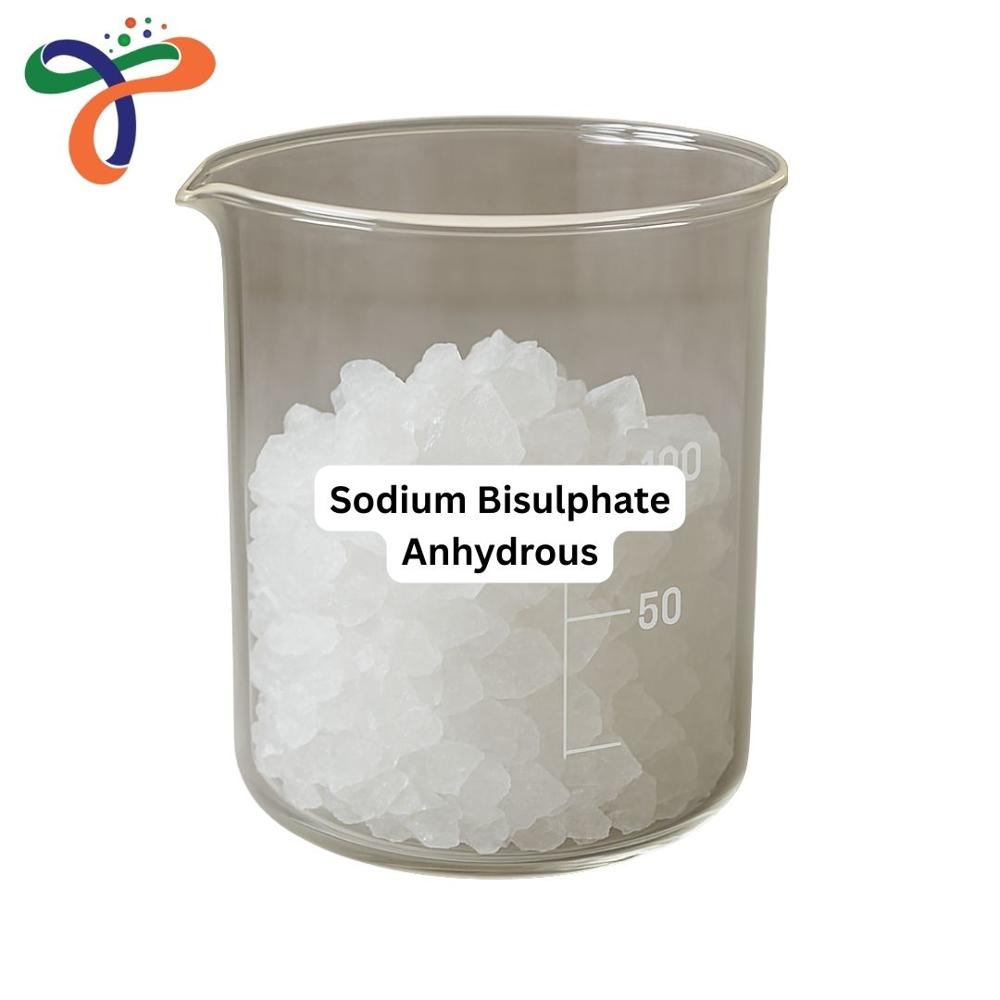
It Appears As A White, Free-Flowing Crystalline Powder And Is Highly Soluble In Water, Producing An Acidic Solution. The Anhydrous Form Contains No Water Of Crystallization, Making It Suitable For Applications Requiring Controlled Moisture Levels. It Is Also Employed In Chemical Synthesis, Textile Processing, And Laboratory Applications.
Key Features and CompositionSodium Bisulphate Anhydrous stands out for its solid, white powder form and impressive purity levels of 98-99%. Its molecular formula is NaHSO4, and it exhibits a refractive rate of 1.5. The substance is highly soluble in water, allowing for rapid integration in industrial applications. Distinguished by its technical-grade quality, sodium bisulphate provides both efficiency and safety in pH control and chemical processes.
Industrial Applications and VersatilityThis compound is primarily utilized in industrial contexts such as pH adjustment in swimming pools and water treatment facilities. The solid form of sodium bisulphate makes it suitable for metal finishing and as an ingredient in various cleaning compounds. Its action as a buffering agent helps maintain chemical balance in manufacturing processes, assuring stability and reliability for end-use systems.
Usage Advantages and Safety BenefitsSodium Bisulphate Anhydrous offers significant handling advantages over traditional liquid acids due to its dry, stable nature. It reduces risk in storage and transport and provides ease of dosing for precise pH control. The product minimizes hazards in chemical manufacturing environments, making processes safer while retaining its strong acidic properties for effective results.
FAQ's of Sodium Bisulphate Anhydrous:
Q: How is sodium bisulphate anhydrous typically used in industrial applications?
A: Sodium bisulphate anhydrous is primarily used as a pH adjuster in swimming pools and industrial water treatment. It also serves as a cleaning agent, buffering agent, and a safer alternative to liquid acids in metal finishing and various chemical manufacturing processes.
Q: What are the benefits of using sodium bisulphate anhydrous over liquid acids?
A: Unlike liquid acids, sodium bisulphate anhydrous is a dry, solid powder, making it easier and safer to transport, store, and handle. Its solid form reduces spill risks, improves dosing accuracy, and minimizes workplace hazards during industrial processes.
Q: When should sodium bisulphate anhydrous be added to a process for optimal pH adjustment?
A: It should be introduced during the mixing or treatment stage, or whenever you need to lower the pH to a specific range. Its high solubility ensures quick dissolution and effective pH control, especially in swimming pools, water treatment facilities, or chemical manufacturing.
Q: Where is sodium bisulphate anhydrous manufactured and supplied from?
A: This product is manufactured and supplied in India, catering to industrial markets that require reliable technical-grade acidifiers and pH control agents.
Q: What is the process for applying sodium bisulphate anhydrous in water treatment?
A: Typically, the solid sodium bisulphate is measured and directly added to the water system. It dissolves rapidly, releasing hydrogen ions to lower the pH for more balanced and safe water, while its action can be monitored through standard pH testing protocols.
Q: How does sodium bisulphate anhydrous benefit cleaning and metal finishing operations?
A: Its acidic nature makes it effective in removing scale, stains, and contaminants, preparing surfaces for further treatment. In metal finishing, it offers safer acidification, supporting effective cleaning and surface preparation without the handling risks of strong liquid acids.






 Send Inquiry
 Send Inquiry
 Send Inquiry
 Call Me Free
 English
 Spanish
 French
 German
 Italian
 Chinese (Simplified)
 Japanese
 Korean
 Arabic
 Portuguese