Sodium Hydride (7646-69-7) About
We are Supplier, Exporter and Contract Manufacturer.
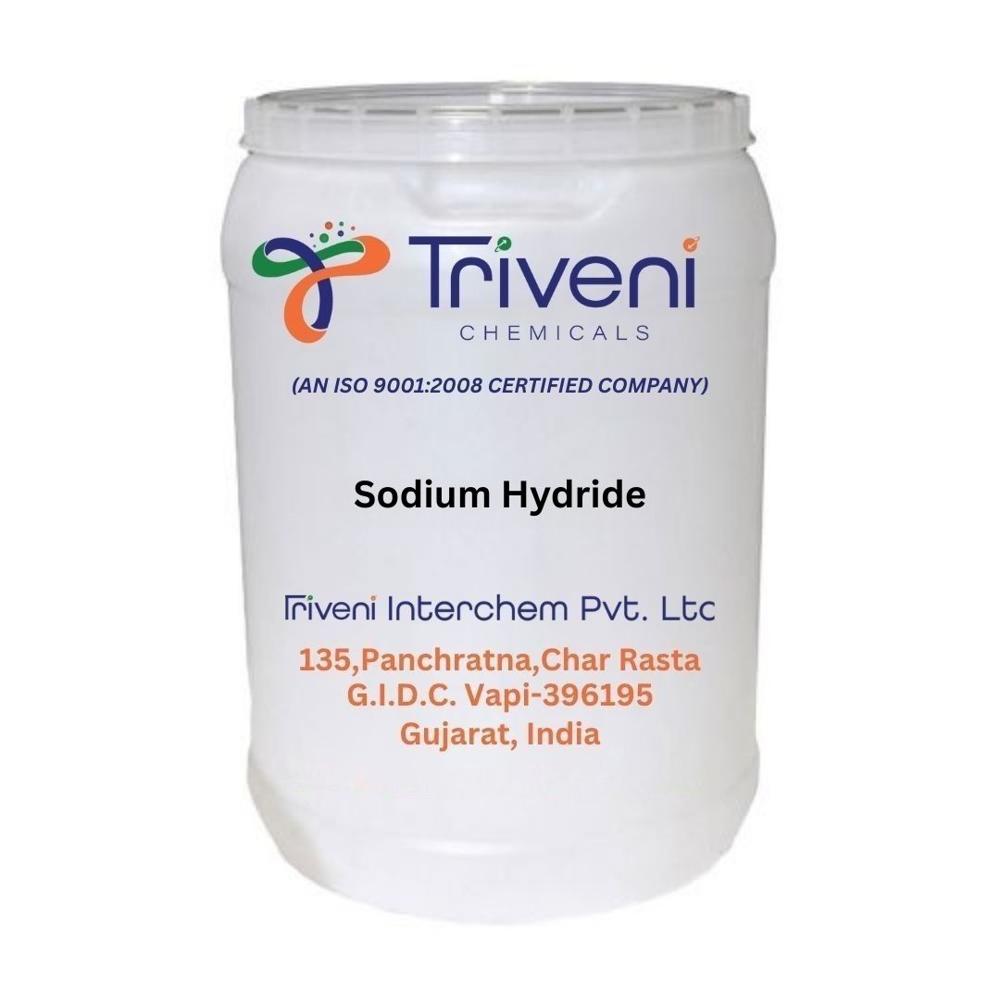
Technical profile of Sodium Hydride, a high-purity raw chemical material supplied by Triveni Chemicals for industrial manufacturing and laboratory synthesis.
Technical Specifications:
CAS Number: 7646-69-7
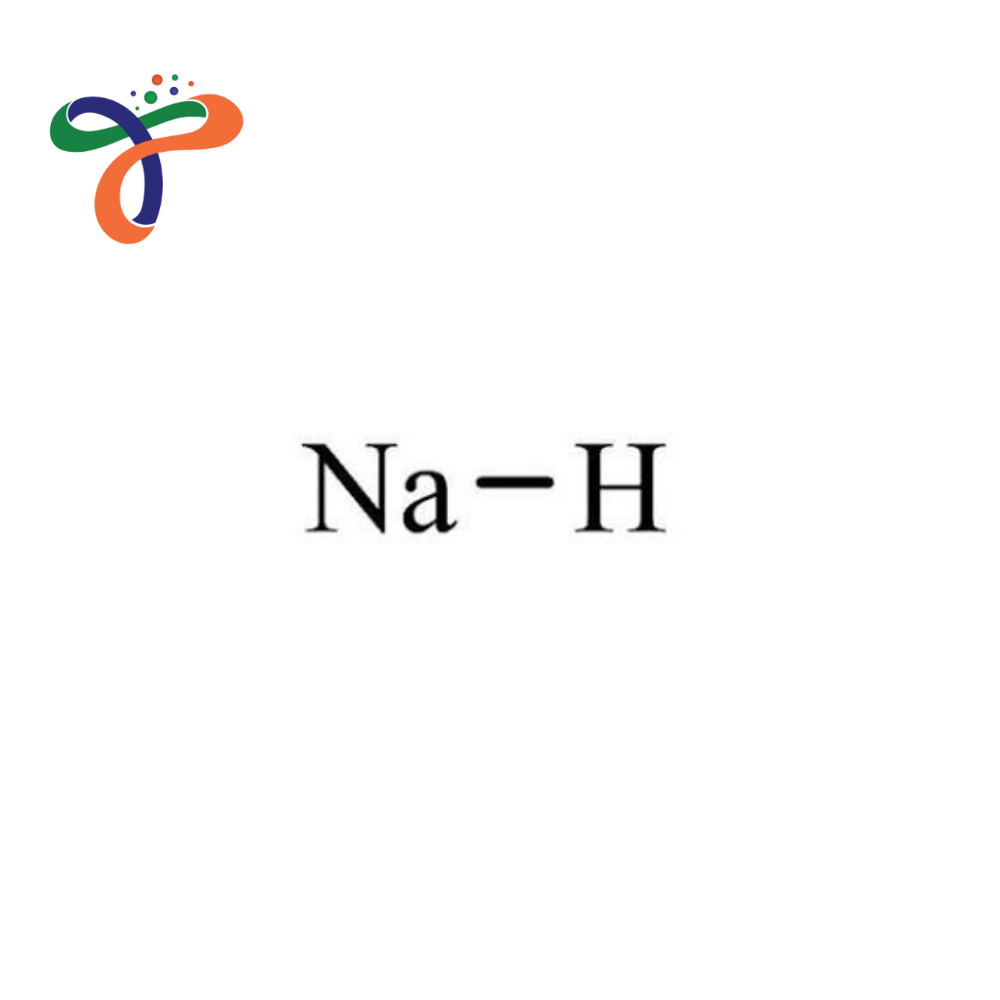
Chemical Formula: HNa
Industrial Uses & Applications:
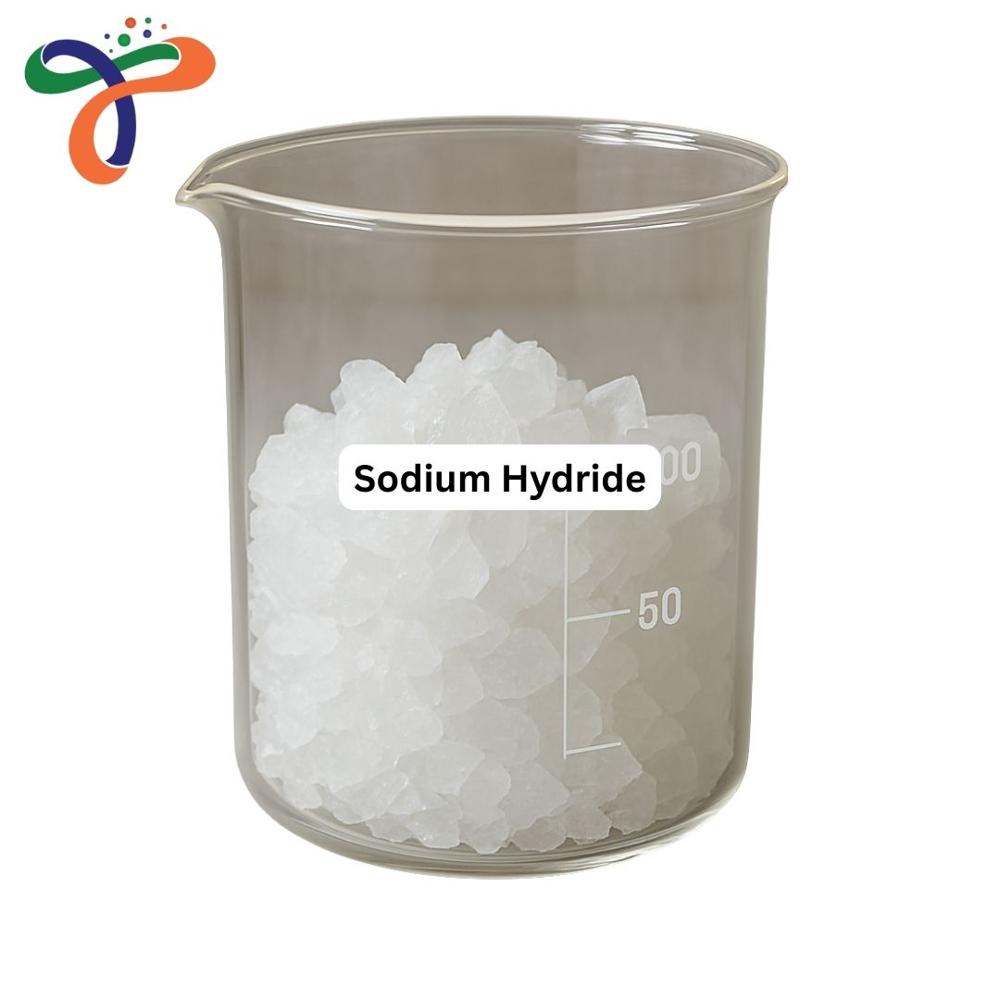
Sodium Hydride Is An Inorganic Compound With The Chemical Formula Nah, Supplied As A White crystalline solid, Often Dispersed In Mineral Oil To Reduce Reactivity. It Is A Strong Base And Powerful Reducing Agent, Reacting Vigorously With Water And Protic Solvents To Release Hydrogen Gas. Sodium Hydride Is Widely Used In Organic Synthesis For Deprotonation Reactions, Formation Of Alkoxides.
Powerful Reagent for Organic SynthesisSodium hydride serves as a cornerstone reagent in modern organic chemistry. Its robust deprotonating power allows chemists to efficiently convert weak acids into their conjugate bases, facilitating vital reactions such as alkylations and condensations. This property makes sodium hydride an essential choice for researchers and industry professionals requiring reliable, reproducible results in synthetic applications.
Safe Handling and StorageDue to its rapid and exothermic reaction with water, sodium hydride demands careful handling under an inert atmosphere, such as nitrogen or argon. Proper storage in airtight containers prevents accidental contact with moisture, ensuring operator safety while preserving the compound's reactivity and integrity for industrial scale or laboratory use.
FAQ's of Sodium Hydride (7646-69-7):
Q: How should sodium hydride be safely handled and stored?
A: Sodium hydride is extremely sensitive to moisture and reacts violently with water, producing sodium hydroxide and hydrogen gas. It should always be handled in a dry, inert atmosphere such as nitrogen or argon, and stored in tightly sealed containers to prevent moisture contact.
Q: What is the primary usage of sodium hydride in industrial and laboratory settings?
A: The main application of sodium hydride is as a strong base and reducing agent in organic synthesis. It is frequently used for deprotonating weak acids, facilitating hydride transfer reactions, and serving as a precursor to sodium metal.
Q: When should sodium hydride be chosen over other bases or reducing agents?
A: Sodium hydride is preferred when strong, non-nucleophilic base conditions are required, especially for reactions involving sensitive or weakly acidic substrates. Its high reactivity makes it suitable for scenarios where complete deprotonation is critical.
Q: Where can sodium hydride be sourced in India?
A: Sodium hydride is available from various chemical manufacturers and suppliers throughout India. Ensure that you procure it from reputable industrial vendors who can guarantee its purity and provide appropriate safety data.
Q: What benefits does sodium hydride offer in organic synthesis processes?
A: Sodium hydride provides efficient, high-yield deprotonation and reduction reactions, contributing to cleaner product profiles and simplified downstream processing. Its potency as a base enhances selectivity and reaction speed, ultimately improving productivity in synthetic routes.
Q: What is the process for reacting sodium hydride with water?
A: When sodium hydride comes into contact with water, it reacts exothermically to form sodium hydroxide and hydrogen gas. This reaction is vigorous and can be hazardous, underscoring the necessity for strict moisture control during handling and usage.







 Send Inquiry
 Send Inquiry
 Send Inquiry
 English
 Spanish
 French
 German
 Italian
 Chinese (Simplified)
 Japanese
 Korean
 Arabic
 Portuguese