Sodium Isopropylxanthate (140-93-2) About
We are Supplier, Exporter and Contract Manufacturer.
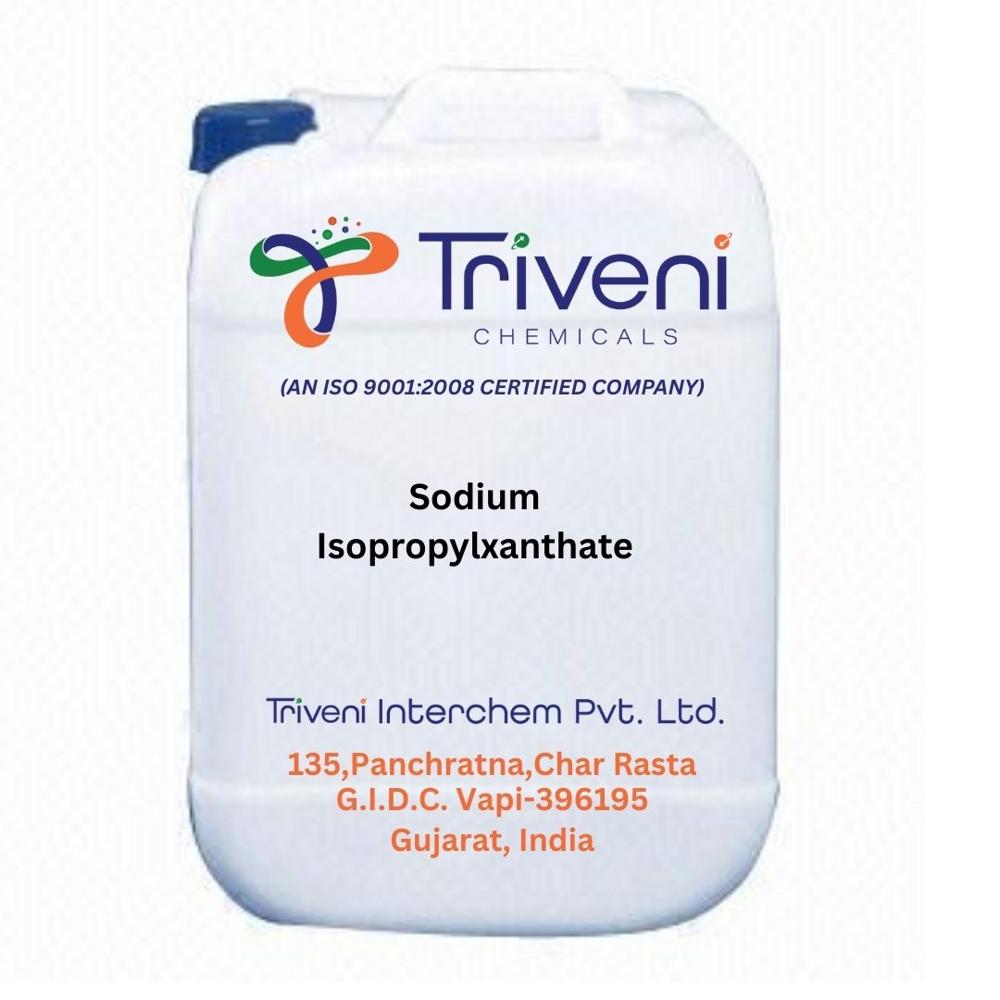
Technical profile of Sodium Isopropylxanthate, a high-purity raw chemical material supplied by Triveni Chemicals for industrial manufacturing and laboratory synthesis.
Technical Specifications:
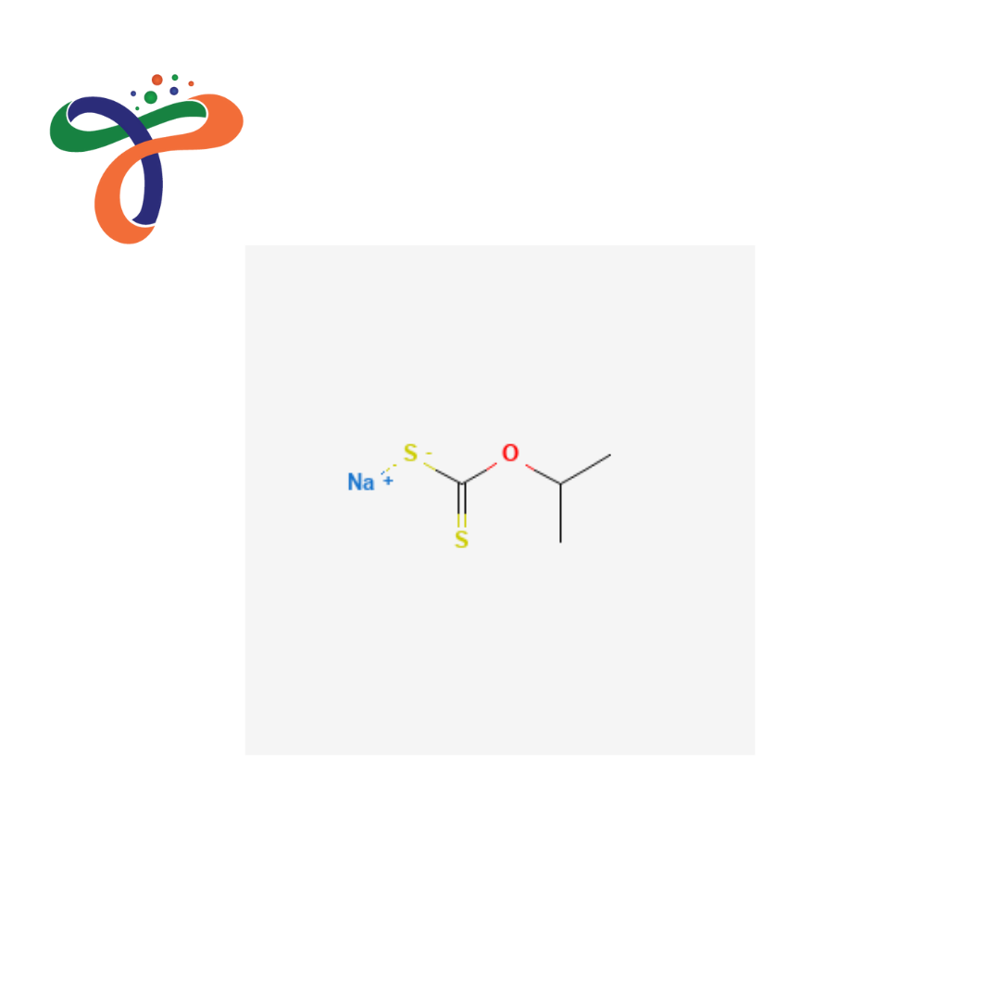
CAS Number: 140-93-2
Chemical Formula: C4H7NaOS2
Industrial Uses & Applications:
It Is Widely Used As A Flotation Reagent In The Mining Industry For The Selective Separation Of Sulfide Ores, Particularly Copper, Lead, And Zinc Minerals. It Is A Xanthate Salt Derived From Isopropyl Alcohol And Carbon Disulfide, Giving It Strong Collector Properties. Sodium Isopropyl Xanthate Is Soluble In Water And Decomposes In Acidic Conditions.
Powerful Collector in Mineral BeneficiationSodium Isopropylxanthate is renowned for its performance as a collector reagent in the beneficiation of sulfide minerals. By selectively adhering to mineral surfaces, it enhances their recovery by flotation, ensuring higher yields from copper, lead, and zinc ore processing. Its high selectivity contributes to improved efficiency and reduced operational costs.
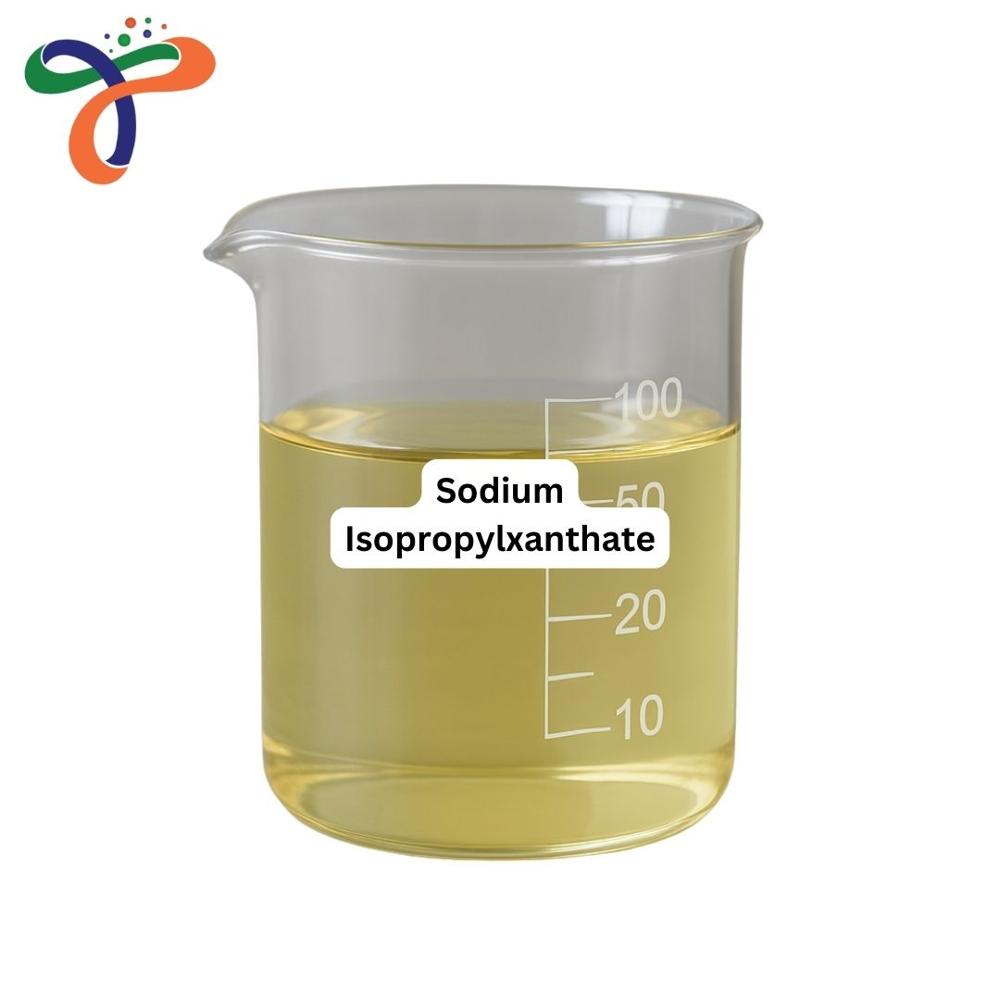
Physical and Chemical PropertiesThis compound is supplied as a pale yellow liquid with a notable melting point of -10C. It offers strong solubility in water and alcohol while remaining insoluble in nonpolar solvents. With a refractive index of 1.435, its stability and usability in industrial applications are reliable, making it a preferred choice among manufacturers and suppliers in India.
FAQ's of Sodium Isopropylxanthate (140-93-2):
Q: How is Sodium Isopropylxanthate used in sulfide ore processing?
A: Sodium Isopropylxanthate acts as a collector reagent in the froth flotation process of sulfide ores. It selectively binds to mineral particles, making them hydrophobic so they can attach to air bubbles and be separated from non-valuable material during mineral beneficiation.
Q: What is the main benefit of using Sodium Isopropylxanthate as a flotation reagent?
A: The main benefit is its high selectivity for sulfide minerals, which leads to efficient and cost-effective extraction of valuable metals like copper, lead, and zinc from complex ores, resulting in improved recovery rates.
Q: When should Sodium Isopropylxanthate be introduced during mineral processing?
A: It should be added at the flotation stage after the ore has been ground into a slurry to ensure optimal interaction with the sulfide mineral surfaces, maximizing the reagent's collecting action and separation efficiency.
Q: Where is Sodium Isopropylxanthate typically used?
A: It is widely utilized in mineral processing plants and mining facilities, particularly within industries focusing on the extraction of copper, lead, and zinc from ore deposits.
Q: What is the typical solubility profile of Sodium Isopropylxanthate?
A: This reagent is highly soluble in water and alcohol, which allows for easy dispersion in flotation slurries, but it is insoluble in nonpolar solvents, minimizing losses or unwanted reactions during processing.
Q: How does the appearance of Sodium Isopropylxanthate help in its identification?
A: It appears as a pale yellow liquid, a distinctive characteristic that assists operators in identifying and handling the reagent properly in industrial applications.







 Send Inquiry
 Send Inquiry
 Send Inquiry
 English
 Spanish
 French
 German
 Italian
 Chinese (Simplified)
 Japanese
 Korean
 Arabic
 Portuguese