

Call us now
08045816834
Call us now
08045816834

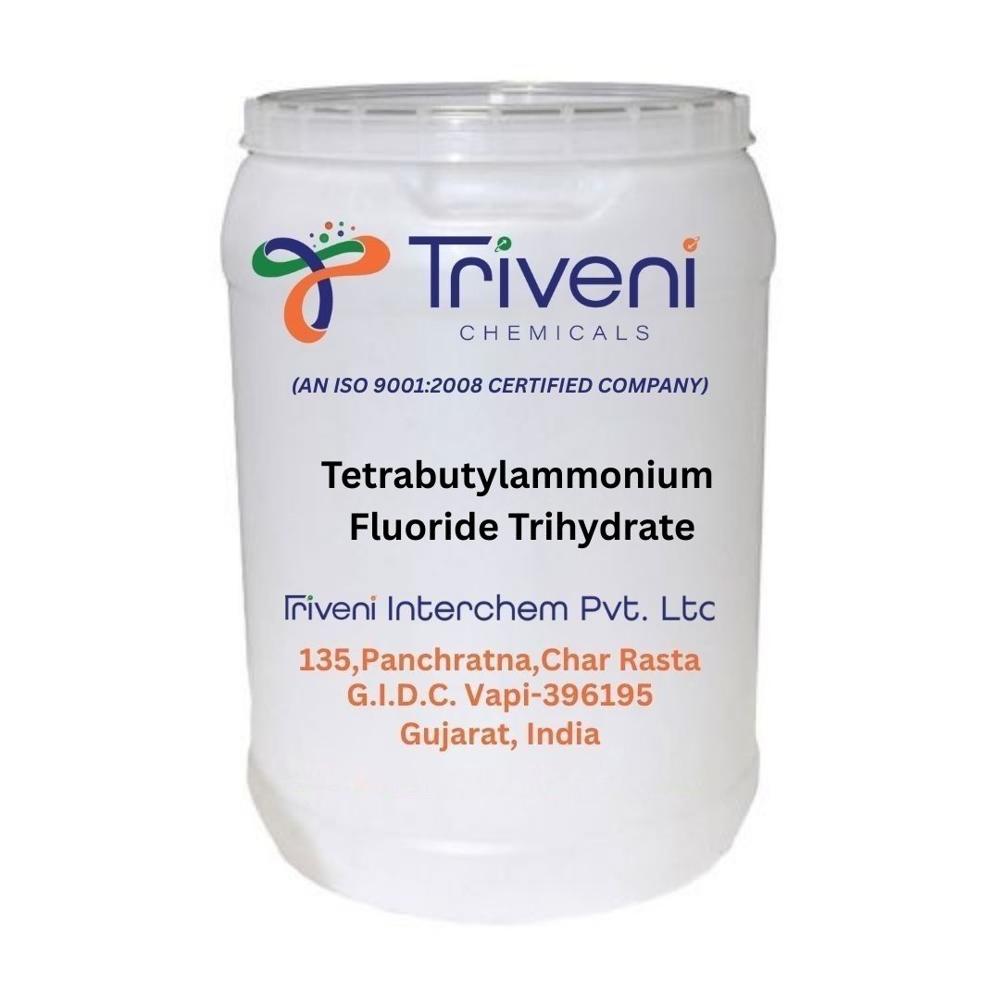
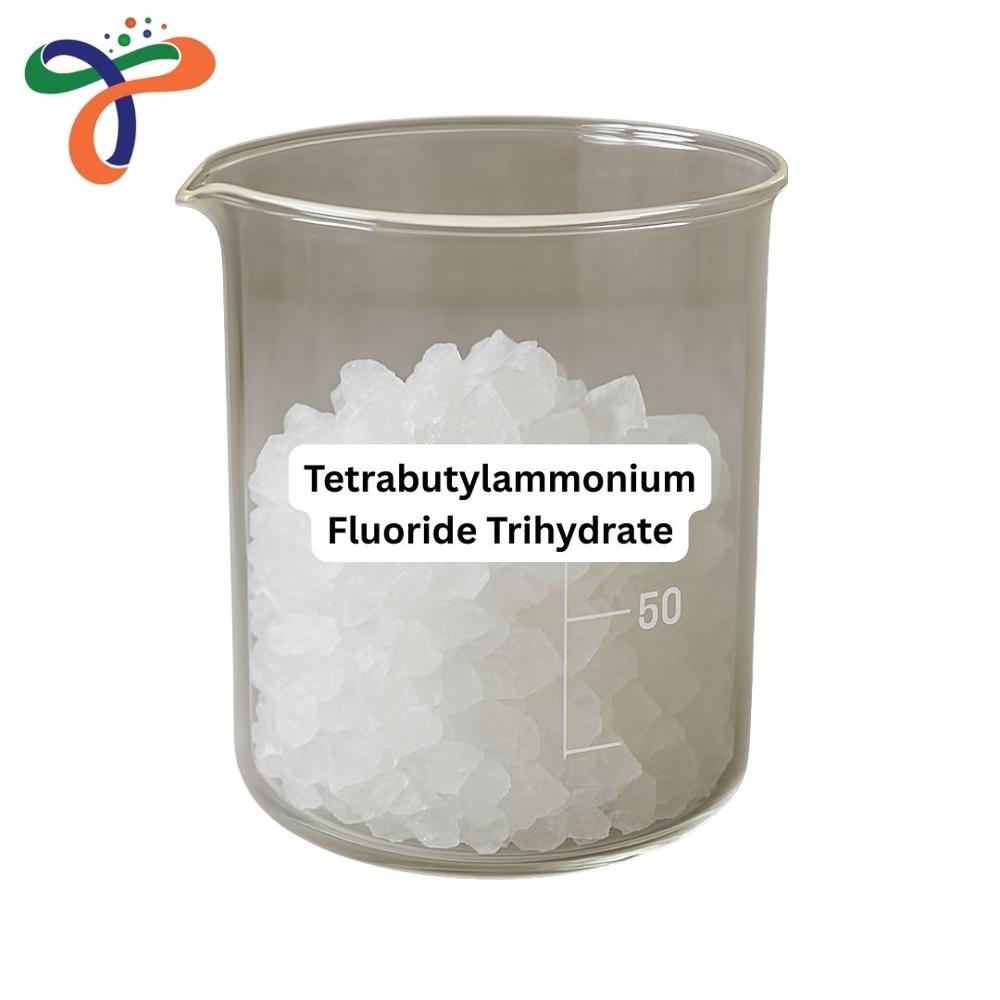
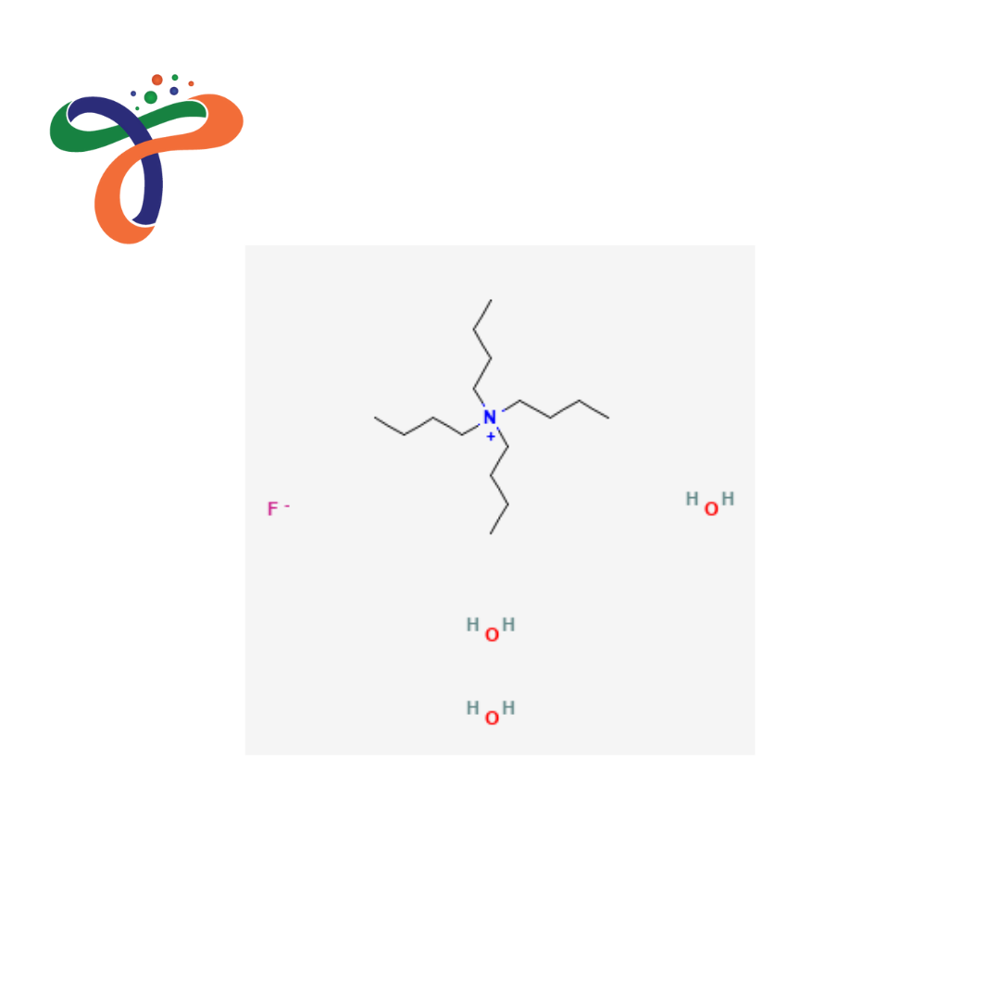

Price:

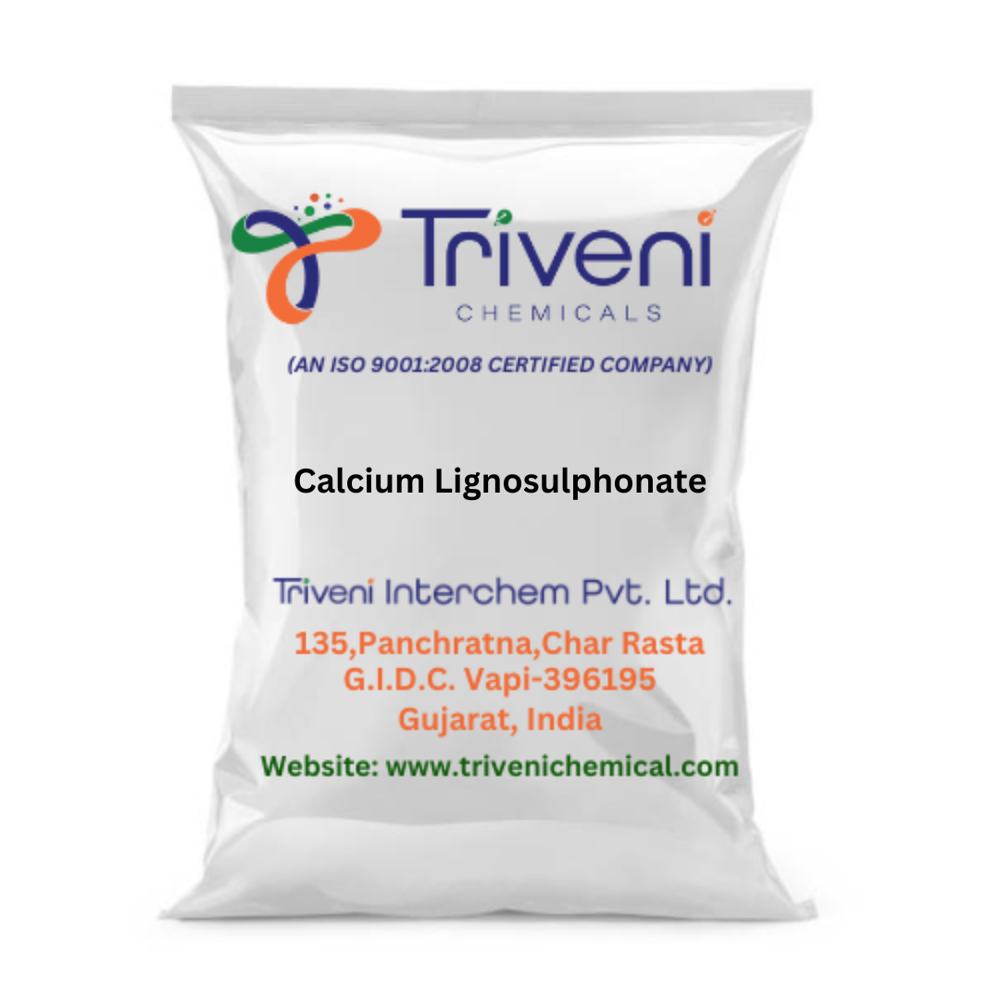
Price 95.0 INR / Kg
Minimum Order Quantity : 25
Structural Formula : C20H24CaO10S2
Molecular Formula : C20H24CaO10S2
Usage : Binder and dispersant in concrete and cement, adhesive additive, pigment suspension, paper and textile chemistry
Appearance : Offwhite to light brown powder
Price 45.0 INR / Kilograms
Minimum Order Quantity : 25 Kilograms
Usage : Catalysis, ion exchange, adsorption, and drying applications in petrochemical, environmental, and industrial processes
Appearance : White to offwhite crystalline solid
Price 57000.0 INR / Kilograms
Minimum Order Quantity : 25 Kilograms
Structural Formula : C5H10Si
Molecular Formula : C5H10Si
Usage : It is widely used in pharmaceuticals, material science, and fine chemical synthesis.
Appearance : Clear colorless liquid
Price 145.0 INR / Kilograms
Minimum Order Quantity : 25 Kilograms
Structural Formula : C8H16ClN
Molecular Formula : C8H16ClN
Usage : Polymerizable cationic monomer used for flocculation/coagulation in water treatment and for synthesis of cationic polymers; also used in paper coatings and personal care products as a quaternary ammonium monomer.
Appearance : Colorless to pale yellow viscous liquid

Thank You!
Thank You for your valuable time. We have received your details and will get back to you shortly.


For an immediate response, please call this
number 08045816834
Price:

 Send Inquiry
 Send Inquiry
 Send Inquiry
 English
 Spanish
 French
 German
 Italian
 Chinese (Simplified)
 Japanese
 Korean
 Arabic
 Portuguese