Back to top
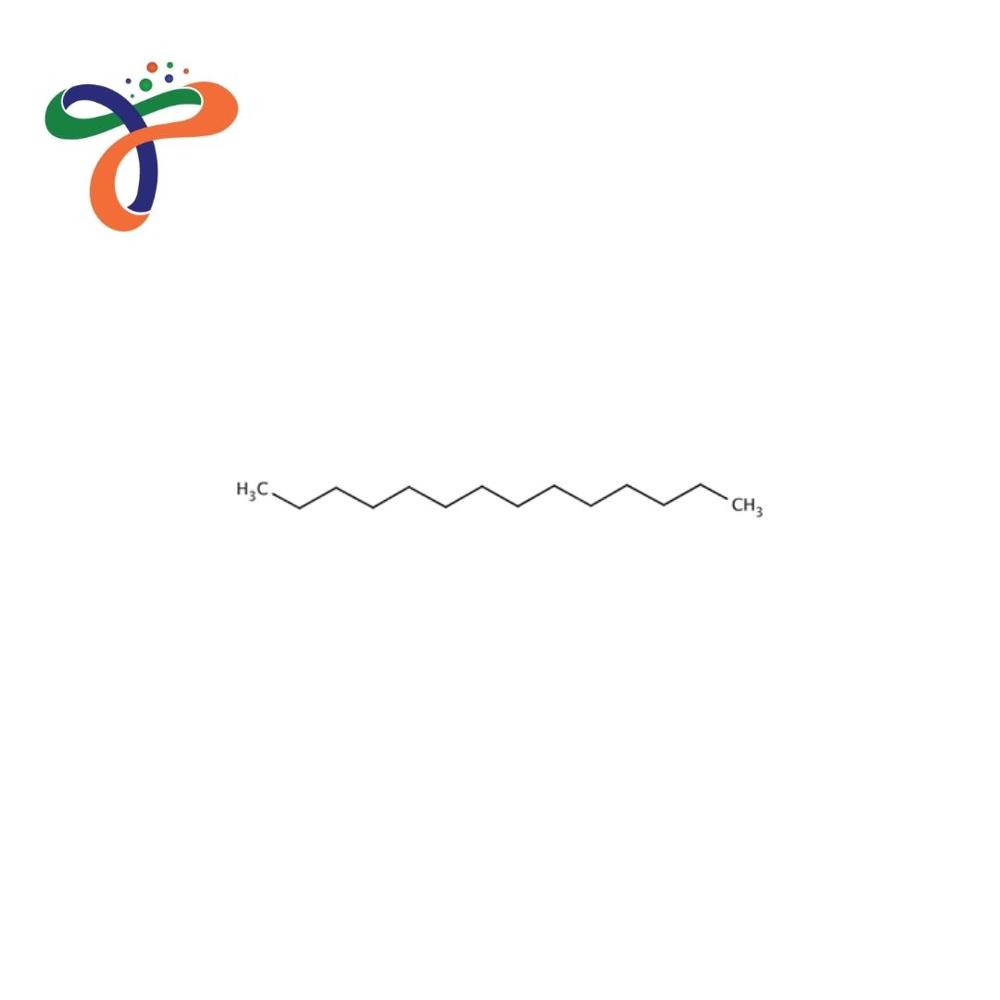
Tetradecane (629-59-4) (C14H30)

Tetradecane (629-59-4) (C14H30)

Price 990.0 INR/ Kilograms

MOQ : 25 Kilograms

Tetradecane (629-59-4) (C14H30) Specification

  • EINECS No
  • 211-096-0
  • Molecular Formula
  • C14H30
  • Application
  • Other
  • Product Type
  • Hydrocarbon
  • Storage
  • Other
  • Usage
  • It is mainly used as a solvent, reference standard, and in research, petroleum studies, and chemical calibration applications.
  • CAS No
  • 629-59-4
  • Properties
  • Tetradecane is a straight-chain alkane hydrocarbon with 14 carbon atoms. It appears as a colorless, oily liquid, insoluble in water but soluble in organic solvents, and stable under normal conditions.
  • Refractive Rate
  • 1.42
  • Taste
  • Other
  • Shape
  • other
  • Density
  • 0.762 Gram per cubic centimeter(g/cm3)
  • Smell
  • Other
  • Solubility
  • Insoluble in water; soluble in nonpolar solvents (benzene, toluene, xylene)
  • Physical Form
  • Liquid
  • Molecular Weight
  • 198.40 g/mol Grams (g)
  • HS Code
  • 2901.19.90
  • Melting Point
  • -9 C
  • Shelf Life
  • 24 months from date of manufacture if stored properly Months
  • Poisonous
  • Ph Level
  • Neutral
  • Grade
  • Industrial Grade
  • Purity
  • 98 99%
  • Structural Formula
  • C14H30
  • Appearance
  • Clear, colorless liquid
  • Ingredients
  • Pure Tetradecane C14H30
  • Viscosity
  • 2.56 cP at 25C
  • Flash Point
  • 110C (closed cup)
  • Boiling Point
  • 253C
  • Transport Information
  • Not regulated as a hazardous material
  • Precautionary Statements
  • Use with adequate ventilation; avoid inhalation and contact with skin and eyes
  • Hazard Statements
  • May cause eye, skin, and respiratory irritation
  • Autoignition Temperature
  • 210C
  • Packaging Size
  • Available in 1L, 5L, and 20L containers
  • Stability
  • Stable under recommended storage conditions
  • Vapor Pressure
  • 0.16 mmHg at 25C


Tetradecane (629-59-4) (C14H30) About

We are Supplier, Exporter and Contract Manufacturer.
Technical profile of Tetradecane, a high-purity raw chemical material supplied by Triveni Chemicals for industrial manufacturing and laboratory synthesis.

Discover our Featured Tetradecane (C14H30, CAS No: 629-59-4), offered at a Grand Discount! This pure, colorless, and odorless hydrocarbon is an industrial and laboratory-grade masterpiece, ideal for solvent applications, organic synthesis, and calibration standards. Boasting a soaring purity of >99% and unmatched stability under recommended storage, it's available in sale packages of 1L, 5L, and 20L. With a boiling point of 253C and neutral pH, this tasteless liquid is both versatile and reliable for research, provided with clear safety and handling instructions.

Versatile Utility & Distinguished Features of Tetradecane

Tetradecane (629-59-4) stands out for its soaring application versatility-serving as a solvent, reference material, calibration standard, and organic synthesis intermediate. With its pure, non-polar, and volatile form, this clear, colorless masterpiece ensures exceptional performance in laboratory and industrial settings. Its stable liquid nature, low viscosity, and neutral pH make it a preferred material for chemical synthesis, equipment calibration, and research. Each container guarantees the highest material features and user confidence.


Expansive Markets & Swift Sample Availability

Tetradecane enjoys a strong presence in both the main domestic and premium export markets, with demand soaring in India and overseas locations. Samples are readily available for quick dispatch, ensuring immediate project initiation. Our express shipping and premium packaging enable hassle-free, secure delivery worldwide, making this product a staple choice for researchers and industrial users alike. Experience the swift, reliable service that sets us apart in the specialty chemicals sector.


FAQ's of Tetradecane (629-59-4) (C14H30):


Q: How can Tetradecane (629-59-4) be safely stored and handled?

A: Tetradecane should be stored in a cool, dry, and well-ventilated area, away from ignition sources. Use adequate ventilation during handling, and avoid inhalation or contact with skin and eyes. Following these precautionary steps preserves product quality and user safety.

Q: What are the main industrial and laboratory applications for Tetradecane?

A: Tetradecane is widely used as a reference material, solvent, calibration standard, organic synthesis intermediate, and for research purposes in laboratories and industrial processes. Its high purity and chemical stability support a variety of analytical and production needs.

Q: When can I expect my Tetradecane order to be shipped?

A: Orders are eligible for express shipping with quick dispatch upon confirmation. Samples and bulk orders are promptly processed to ensure rapid delivery, meeting urgent laboratory or industrial project timelines.

Q: Where is Tetradecane primarily exported and supplied from?

A: Tetradecane is supplied domestically within India and exported to premium global markets. Our established logistics network guarantees efficient distribution both locally and internationally.

Q: What are the benefits of using Tetradecane in chemical synthesis?

A: Tetradecane's high purity, non-polarity, and chemical stability make it beneficial for precise chemical syntheses, reliable calibration, and consistent experimental outcomes. Its versatile solvent properties enhance its value in diverse applications.

Tell us about your requirement
product

Price:

Quantity
Select Unit

  • 50
  • 100
  • 200
  • 250
  • 500
  • 1000+
Additional detail
Mobile number

Email

More Products in Industrial Chemicals Category

N-Propyl Acetate (109-60-4)

N-Propyl Acetate (109-60-4)

Price 100.0 INR / Kilograms

Minimum Order Quantity : 25 Kilograms

Molecular Weight : 102.13 g/mol Grams (g)

Melting Point : 78 C

Solubility : Slightly soluble in water; miscible with most organic solvents

Properties : Propyl Acetate Is A Colorless Organic Compound Widely Used As A Solvent In Various Industries. It Is Commonly Used In The Paint And Coatings Industry For Dissolving Resins, Lacquers, And Inks Due To Its Pleasant Odor And Fast Evaporation Rate. In The Printing Industry, It Is Used In Flexographic And Gravure Inks.
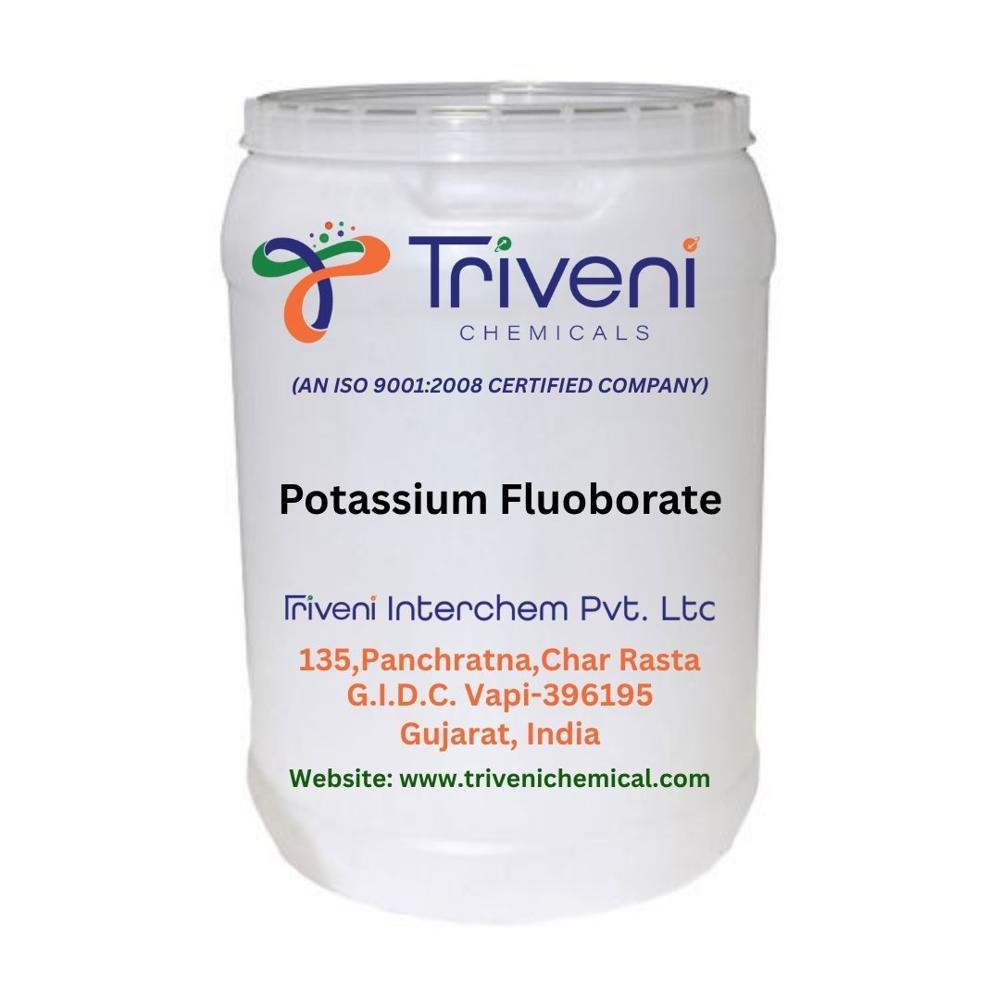
Potassium Fluoborate (14075-53-7)

Potassium Fluoborate (14075-53-7)

Price 237.0 INR / Kilograms

Minimum Order Quantity : 25 Kilograms

Molecular Weight : 125.90 g/mol Grams (g)

Melting Point : 395 C

Solubility : Soluble in water; insoluble in nonpolar solvents

Properties : Potassium Fluoborate is a white, crystalline, odorless salt with good thermal stability. Commonly used in electroplating, metal refining, and welding fluxes, it also serves as a source of boron and fluorine in various industrial applications.
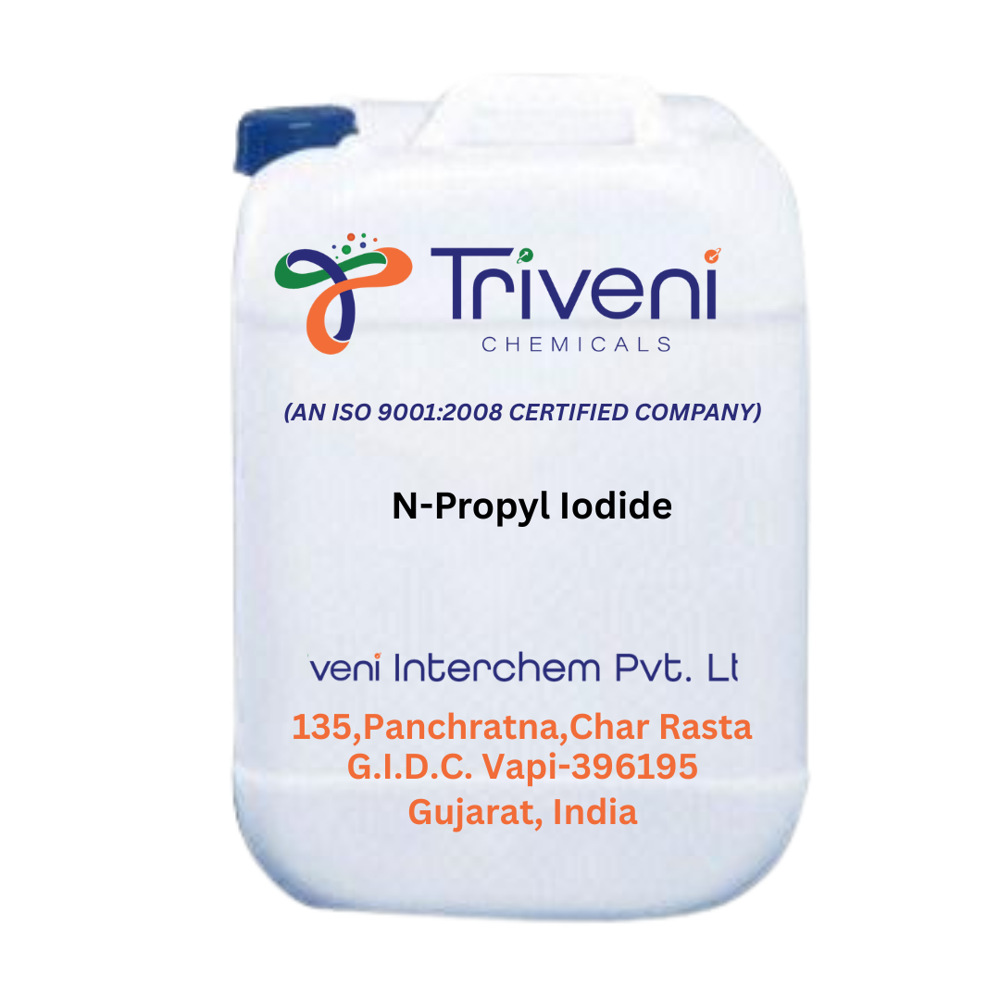
N-Propyl Iodide (0107-08-04)

N-Propyl Iodide (0107-08-04)

Price 12233.0 INR / Kilograms

Minimum Order Quantity : 25 Kilograms

Molecular Weight : 169.993 g/mol Grams (g)

Melting Point : 90 C

Solubility : Slightly soluble in water; soluble in organic solvents

Properties : N Propyl Iodide (C3H7I) is a volatile liquid with molecular weight 168.00 g/mol. It is flammable, slightly soluble in water, and highly soluble in organic solvents such as alcohols, ethers, and chloroform. Stable under ambient conditions but reactive in nucleophilic substitution reactions. Requires protective handling due to irritant and toxic properties.
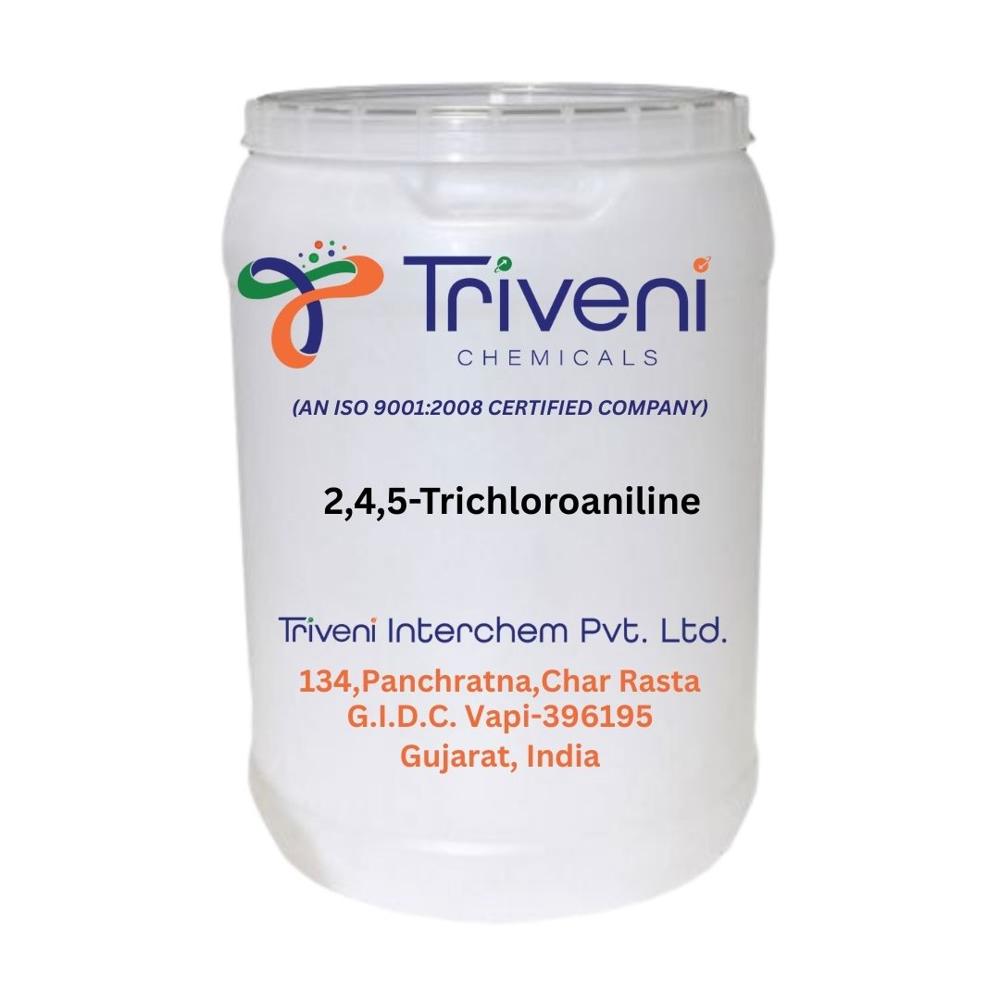
2,4,5-Trichloroaniline (636-30-6) (C6H4Cl3N)

2,4,5-Trichloroaniline (636-30-6) (C6H4Cl3N)

Price 11000.0 INR / Kilograms

Minimum Order Quantity : 25 Kilograms

Molecular Weight : 196.46 g/mol Grams (g)

Melting Point : 56 C

Solubility : Slightly soluble in water; soluble in organic solvents such as acetone, ethyl acetate, and chloroform.

Properties : 2,4,5 Trichloroaniline (C H Cl N) is a crystalline solid with molecular weight 196.46 g/mol. It is sparingly soluble in water, soluble in ethanol and acetone, and stable under normal conditions. Reactive in substitution reactions, it is toxic, irritant, and environmentally hazardous, requiring strict handling protocols and protective equipment.