Back to top
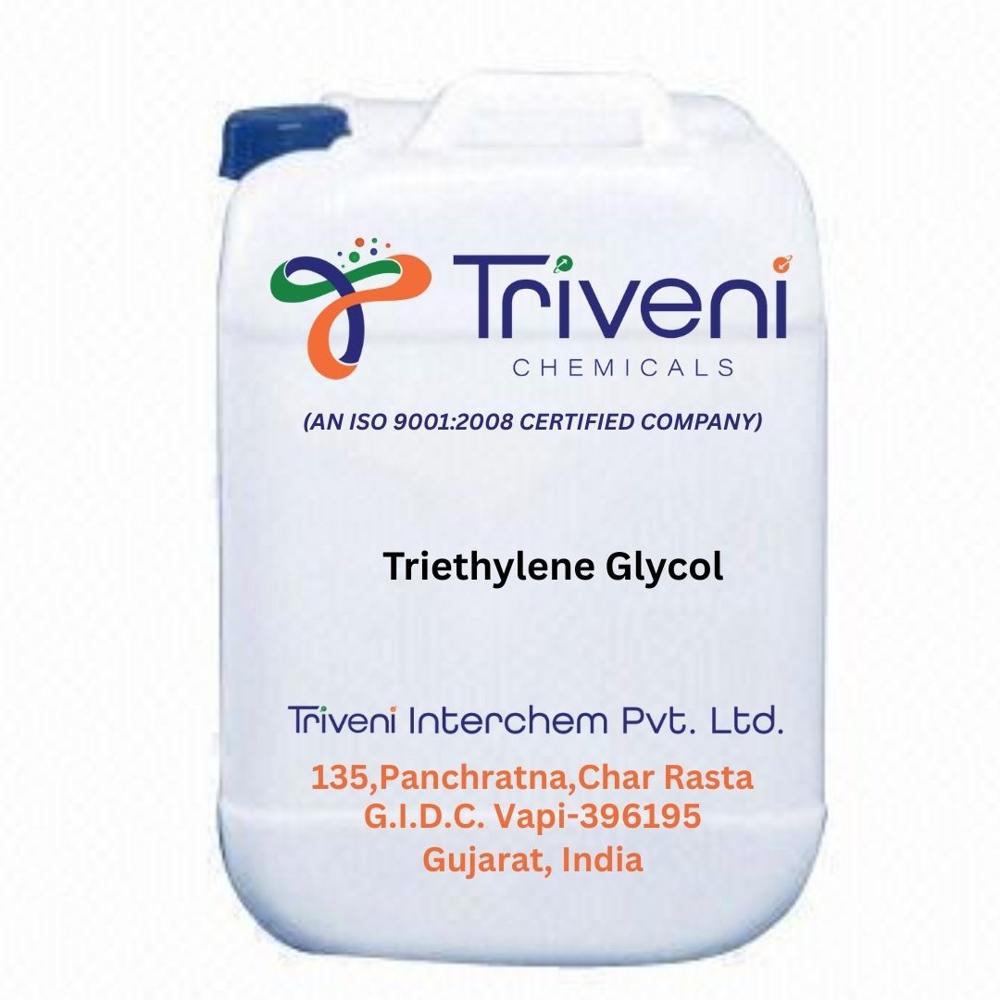
Triethylene Glycol (112-27-6)

Triethylene Glycol (112-27-6)

Price 115.0 INR/ Kilograms

MOQ : 25 Kilograms

Triethylene Glycol (112-27-6) Specification

  • Usage
  • Solvent; humectant; plasticizer; heat transfer fluid
  • Molecular Formula
  • C6H14O4
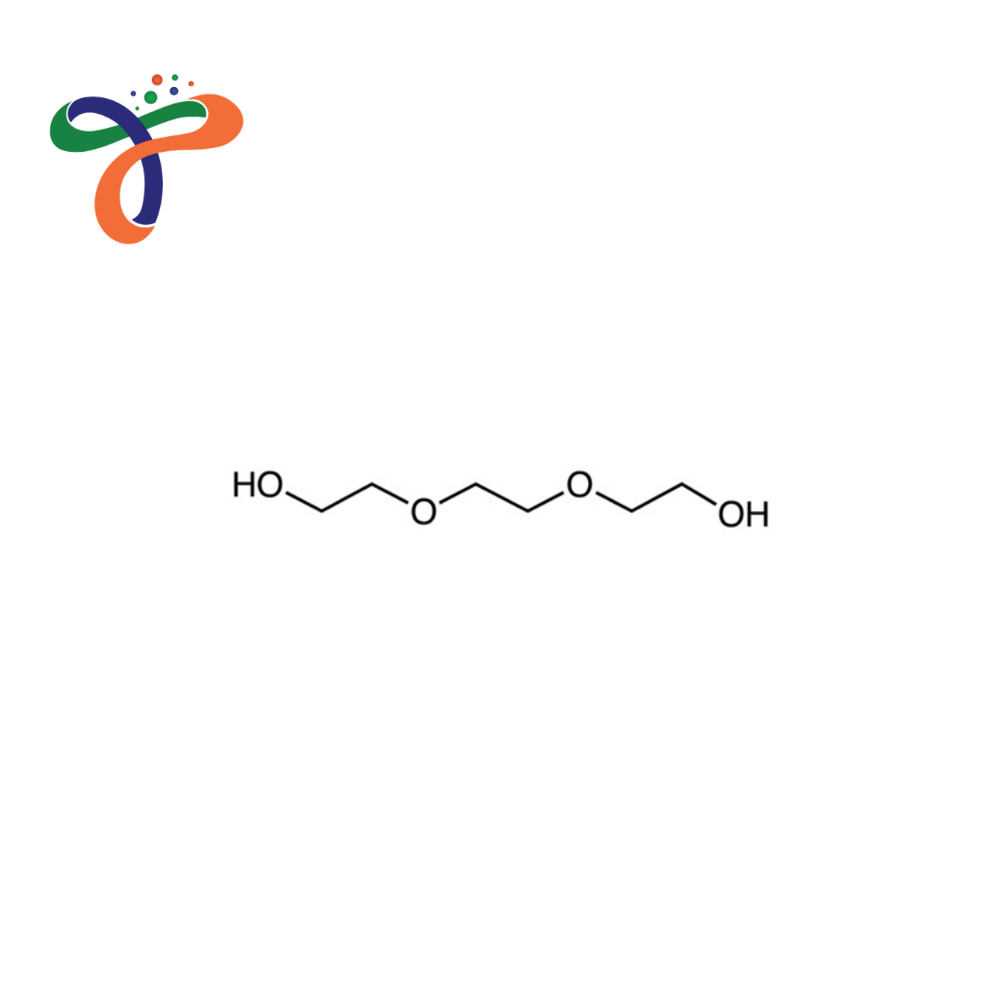
  • Structural Formula
  • C6H14O4
  • Application
  • Industrial
  • Appearance
  • Colorless, viscous liquid
  • Physical Form
  • Liquid
  • Melting Point
  • -7 C
  • CAS No
  • 112-27-6
  • Purity
  • 99 99.9%
  • Solubility
  • Miscible with water
  • Refractive Rate
  • 1.47
  • Properties
  • Triethylene glycol is a colorless, odorless, viscous liquid primarily used as a dehydrating agent for natural gas and as a plasticizer for vinyl polymers. Its high hygroscopicity and thermal stability make it essential for removing water vapor from industrial gas streams and stabilizing specialty chemical formulations.
  • Molecular Weight
  • 150.17 g/mol Grams (g)
 

Triethylene Glycol (112-27-6) Trade Information

  • Minimum Order Quantity
  • 25 Kilograms
  • Payment Terms
  • Cash in Advance (CID)
  • Supply Ability
  • 5000 Kilograms Per Month
  • Delivery Time
  • 10 Days
  • Main Domestic Market
  • All India
 

About Triethylene Glycol (112-27-6)

We are Supplier, Exporter and Contract Manufacturer.
Technical profile of Triethylene Glycol, a high-purity raw chemical material supplied by Triveni Chemicals for industrial manufacturing and laboratory synthesis.

Technical Specifications:
CAS Number: 112-27-6
Chemical Formula: C6H14O4

Industrial Uses & Applications:
It Is Widely Used As A Plasticizer, Solvent, And Humectant In Applications Such As Resins, Inks, Coatings, Natural Gas Dehydration, And Air Sanitization Systems. Triethylene Glycol Is Also Used In The Manufacture Of Polyester Resins And As A Heat Transfer Fluid. It Is A Polyhydric Alcohol With Good Solvency And Complete Miscibility With Water.


Exceptional Hygroscopic and Thermal Properties

Triethylene glycol's standout features lie in its excellent water absorption (hygroscopicity) and thermal stability. These attributes make it indispensable for removing water from industrial gas streams, particularly in the natural gas sector. Its reliable performance ensures consistent operations even under rigorous thermal conditions.


Versatile Industrial Applications

This compound is used widely as a solvent, humectant, plasticizer, and heat transfer fluid. Its compatibility with numerous polymers and ability to stabilize formulations mark its importance in the plastics and chemical industries. Triethylene glycol is also valued for its consistent behavior in both high- and low-temperature environments.

FAQ's of Triethylene Glycol (112-27-6):


Q: How is triethylene glycol typically used in industrial processes?

A: Triethylene glycol is principally used as a dehydrating agent for natural gas, helping remove water vapor to prevent pipeline corrosion and hydrate formation. Additionally, its roles as a solvent and plasticizer benefit vinyl polymers and specialty chemical products.

Q: What are the main benefits of using triethylene glycol in industrial settings?

A: The key advantages include its superior hygroscopicity and thermal stability, which enable efficient water removal and process reliability. Its compatibility with water and diverse chemicals expands its utility as a solvent and stabilizer in chemical formulations.

Q: When should triethylene glycol be selected over other solvents or plasticizers?

A: Triethylene glycol is ideal when high water absorption, low volatility, and stability at elevated temperatures are required. Its application is favored in processes involving moisture control and extended thermal exposure, such as in gas drying.

Q: Where can triethylene glycol be sourced and what purity grades are available?

A: Triethylene glycol, with a purity range of 99-99.9%, is readily available through manufacturers and suppliers in India. It is distributed for industrial applications such as solvents, plasticizers, and heat transfer fluids.

Q: What physical form and appearance does triethylene glycol have?

A: This compound appears as a colorless, viscous liquid that is odorless and fully miscible in water. These properties facilitate easy handling and integration into various industrial processes.

Q: Is triethylene glycol suitable for specialty chemical formulations?

A: Yes, due to its chemical stability and miscibility with water, triethylene glycol is widely utilized in specialty chemical formulations to enhance product stability and manage moisture content effectively.

Q: How is triethylene glycol processed during industrial applications?

A: During use, triethylene glycol is introduced into gas streams or chemical mixtures where it absorbs water vapor. It can then be regenerated for repeated use, maximizing efficiency and reducing operational costs.

Tell us about your requirement
product

Price:

Quantity
Select Unit

  • 50
  • 100
  • 200
  • 250
  • 500
  • 1000+
Additional detail
Mobile number

Email

More Products in Industrial Chemicals Category

N-Butyl Bromide (109-65-9)

N-Butyl Bromide (109-65-9)

Price 325.0 INR / Kilograms

Minimum Order Quantity : 25 Kilograms

Application : Other

Properties : NButyl Bromide is a colorless, flammable liquid with a mild, etherlike odor. Commonly used as a solvent, intermediate in chemical synthesis, and in pharmaceuticals, it is toxic and requires careful handling due to flammability and potential health hazards.

Physical Form : Liquid

Structural Formula : C4H9Br

Lignin (94113-57-2) (C18H13N3Na2O8S2)

Lignin (94113-57-2) (C18H13N3Na2O8S2)

Price 90.0 INR / Kilograms

Minimum Order Quantity : 25 Kilograms

Application : Other

Properties : Lignin Is A Natural Polymer Found In Plant Cell Walls And Is Widely Used In Various Industries Due To Its Binding And Dispersing Properties. In The Construction Industry, It Is Used As A Concrete Admixture To Improve Strength And Workability.

Physical Form : Solid

Structural Formula : C18H13N3Na2O8S2

Potassium Titanate (12030-97-6)

Potassium Titanate (12030-97-6)

Price 170.0 INR / Kilograms

Minimum Order Quantity : 1 Kilograms

Application : Industrial

Properties : Potassium titanate is a crystalline material primarily used as a highperformance friction material additive in automotive brake pads to enhance wear resistance and thermal stability. It is also essential in manufacturing specialized ceramics, electrical insulators, and as a filler in plastics to improve mechanical strength and durability.

Physical Form : Powder

Structural Formula : NA

Pyrophyllite (Al2Si4O10(OH)2) (360.31 g/mol)

Pyrophyllite (Al2Si4O10(OH)2) (360.31 g/mol)

Price 12.5 INR / Kilograms

Minimum Order Quantity : 25 Kilograms

Application : Industrial

Properties : Pyrophyllite is a soft, platy phyllosilicate mineral characterized by its high chemical resistance and excellent thermal stability. It is widely used as a refractory material in steel ladles, a filler in ceramics and rubber, and as an essential ingredient in highperformance insulating coatings and specialty glass.

Physical Form : Powder

Structural Formula : Al2Si4O10(OH)2