Back to top
Triisopropyl Phosphite (116-17-6)

Triisopropyl Phosphite (116-17-6)

Price 600.0 INR/ Kilograms

MOQ : 25 Kilograms

Triisopropyl Phosphite (116-17-6) Specification

  • Properties
  • Triisopropyl phosphite is a versatile organophosphorus reagent primarily used in the Michaelis-Arbuzov reaction to synthesize organophosphonates. Its bulky isopropyl groups provide unique steric control, making it an essential building block for producing specialized flame retardants, plasticizers, and intermediates in the synthesis of complex pharmaceutical molecules.
  • Solubility
  • Slightly soluble in water; soluble in organic solvents
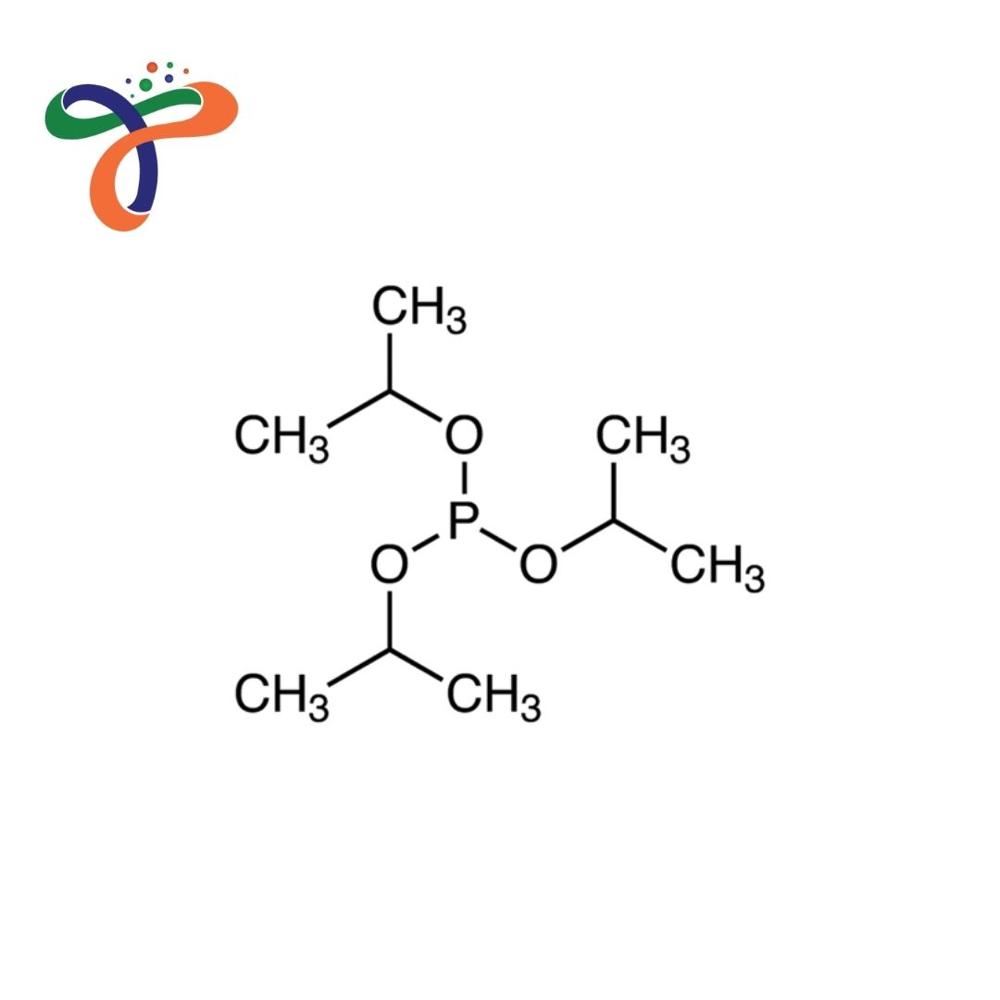
  • Structural Formula
  • C9H21O3P
  • Refractive Rate
  • 1.47
  • Application
  • Industrial
  • CAS No
  • 116-17-6
  • Melting Point
  • -60 C
  • Usage
  • Stabilizer for PVC and other polymers; radical scavenger in polymer processing
  • Appearance
  • Colorless liquid
  • Physical Form
  • Liquid
  • Purity
  • 98 99%
  • Molecular Formula
  • C9H21O3P
  • Molecular Weight
  • 208.24 g/mol Grams (g)


About Triisopropyl Phosphite (116-17-6)

We are Supplier, Exporter and Contract Manufacturer.
Technical profile of Triisopropyl Phosphite, a high-purity raw chemical material supplied by Triveni Chemicals for industrial manufacturing and laboratory synthesis.

Technical Specifications:
CAS Number: 116-17-6
Chemical Formula: C9H21O3P

Industrial Uses & Applications:
It Is Widely Used As An Intermediate And Reagent In Organic Synthesis, Particularly In The Manufacture Of Phosphonates, Pharmaceuticals, Agrochemicals, Antioxidants, And Stabilizers. It Is An Organophosphorus Compound That Readily Participates In Esterification And Oxidation Reactions. It Is Flammable And May Cause Irritation To The Skin, Eyes, And Respiratory Tract.


Versatile Applications in Polymer and Chemical Industries

Triisopropyl Phosphite is instrumental in stabilizing polymers like PVC, preventing unwanted degradation during manufacturing. Its radical scavenging properties ensure reliable processing of various plastics and resins. Furthermore, its capacity to participate in advanced organic syntheses, especially in producing flame retardants and pharmaceutical intermediates, showcases its versatility across multiple industrial sectors.


Superior Steric Protection for Specialized Synthesis

The unique structure of Triisopropyl Phosphite, featuring bulky isopropyl groups, offers enhanced steric hindrance. This property is particularly advantageous for controlling reactions in which selectivity is crucial, such as the Michaelis-Arbuzov reaction. As a result, manufacturers leverage it to develop complex, high-performance chemical products.

FAQ's of Triisopropyl Phosphite (116-17-6):


Q: How is Triisopropyl Phosphite typically used in industrial applications?

A: Triisopropyl Phosphite serves as a stabilizer for PVC and other polymers, as well as a radical scavenger during polymer processing. It prevents polymer degradation under heat and stress, ensuring material longevity and improved product quality.

Q: What benefits does Triisopropyl Phosphite offer in polymer processing?

A: The compound acts as an effective radical scavenger, minimizing polymer chain degradation and extending the lifespan of the final product. Its stabilizing effect helps maintain the physical and chemical integrity of plastics during and after manufacturing.

Q: Where is Triisopropyl Phosphite predominantly manufactured and supplied from?

A: Triisopropyl Phosphite is primarily manufactured and supplied by chemical producers in India, serving industrial clients and polymer manufacturers both domestically and globally.

Q: What is the process for synthesizing Triisopropyl Phosphite-based organophosphonates?

A: Triisopropyl Phosphite participates in the Michaelis-Arbuzov reaction, where it reacts with alkyl halides to form organophosphonate compounds utilized in flame retardants, plasticizers, and pharmaceutical syntheses.

Q: When should manufacturers consider using Triisopropyl Phosphite over other phosphites?

A: Manufacturers should opt for Triisopropyl Phosphite when steric control is necessary for targeted reactions, or when stabilizing sensitive polymers and advanced materials that require greater resistance against degradation.

Q: What are the solubility characteristics and handling recommendations for this chemical?

A: Triisopropyl Phosphite is slightly soluble in water but dissolves efficiently in most organic solvents. It should be stored in airtight containers, away from moisture, and handled with care to maintain its purity and prevent hydrolysis.

Tell us about your requirement
product

Price:

Quantity
Select Unit

  • 50
  • 100
  • 200
  • 250
  • 500
  • 1000+
Additional detail
Mobile number

Email

More Products in Industrial Chemicals Category

Propionic Anhydride

Propionic Anhydride

Price 235.0 INR / Kilograms

Minimum Order Quantity : 1 Kilograms

Solubility : Decomposes in water; soluble in most organic solvents

Purity : 99%

Application : Other , Used in pharmaceutical synthesis, agrochemicals, and as a propionylating agent in organic synthesis.

Physical Form : Liquid

Tetramethylammonium Hydroxide (75-59-2)

Tetramethylammonium Hydroxide (75-59-2)

Price 450.0 INR / Kilograms

Minimum Order Quantity : 25 Kilograms

Solubility : Soluble in water

Purity : 98 99%

Application : Industrial

Physical Form : Solid

Aluminium Hydroxide Trihydrate

Aluminium Hydroxide Trihydrate

Price 48.0 INR / Kilograms

Minimum Order Quantity : 1 Kilograms

Solubility : Practically insoluble in water; soluble in acids and bases.

Purity : 98 99%

Application : Industrial

Physical Form : Powder

Guanidine Hydrochloride

Guanidine Hydrochloride

Minimum Order Quantity : 100 Kilograms

Solubility : Insoluble in water

Purity : 97%

Application : Industrial

Physical Form : Powder