
Call us now
08045816834
Call us now
08045816834


Price:

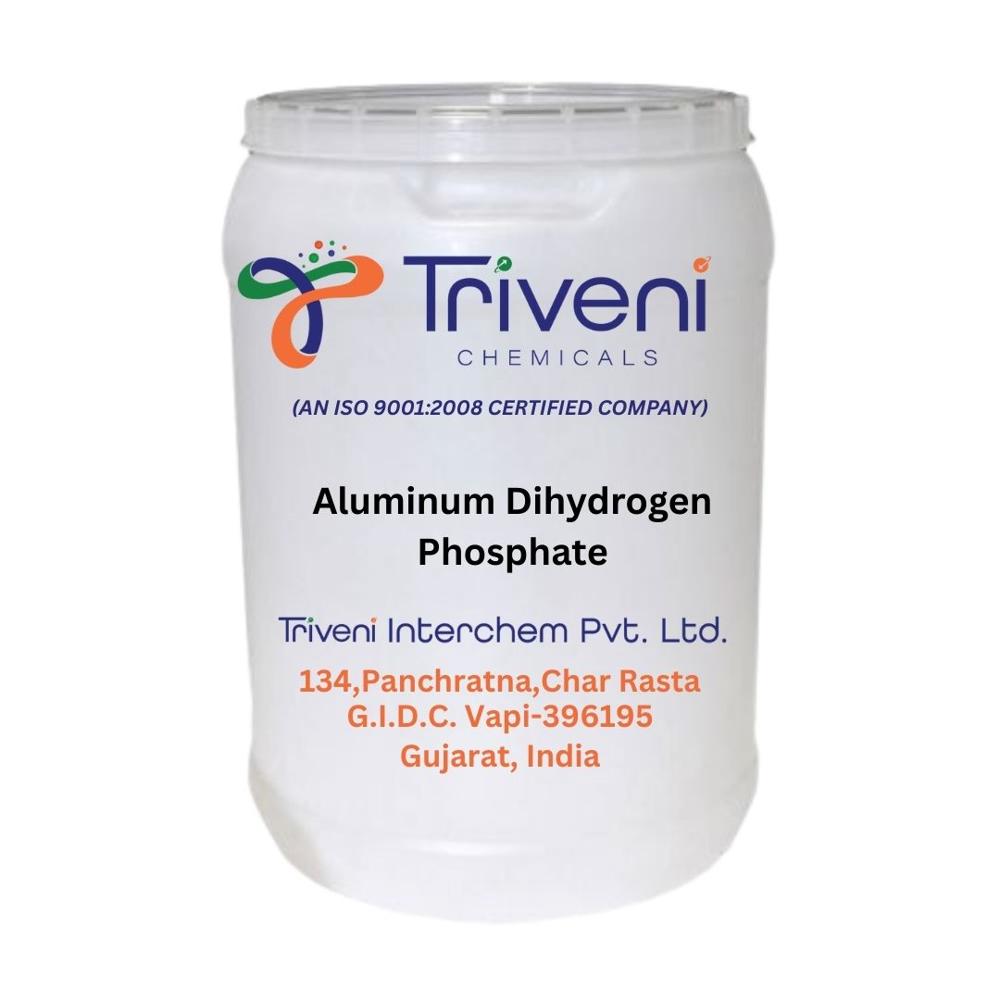
Price 228.0 INR / Kilograms
Minimum Order Quantity : 25 Kilograms
Purity : 98 99%
Physical Form : Solid
Molecular Weight : 317.94 g/mol Grams (g)
Properties : It is an inorganic compound used as a binder and refractory material. It appears as a crystalline solid, highly soluble in water, and stable under normal conditions. It offers excellent heat resistance.
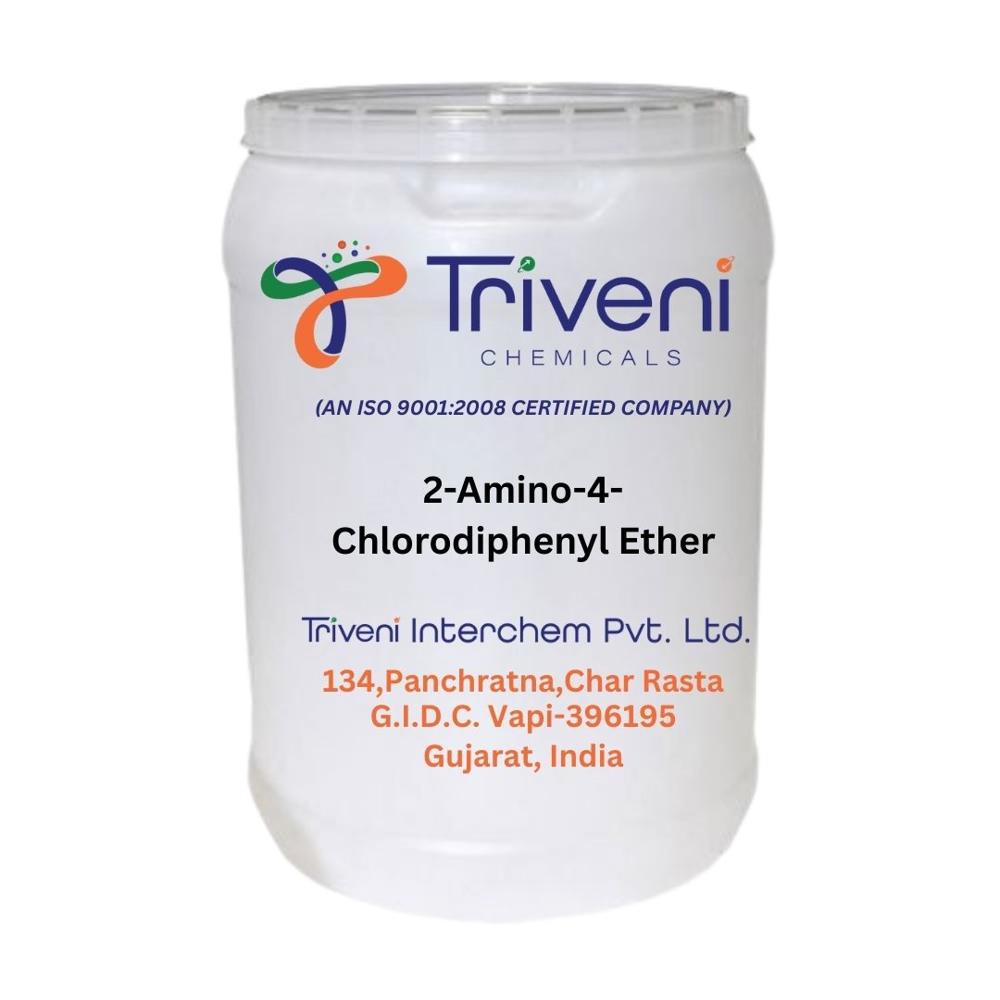
Price 10.0 INR / Kilograms
Minimum Order Quantity : 25 Kilograms
Purity : 98 99%
Physical Form : Solid
Molecular Weight : 219.67 g/mol Grams (g)
Properties : This Compound Is Primarily Used In The Synthesis Of Various Dyes, Pharmaceuticals, And Intermediates In Organic Chemistry. It Exhibits Moderate Solubility In Organic Solvents And Is Valued For Its Reactivity In Electrophilic Substitution Reactions, Making It Useful In Aromatic Compound Synthesis And As A Building Block In Chemical Processes.
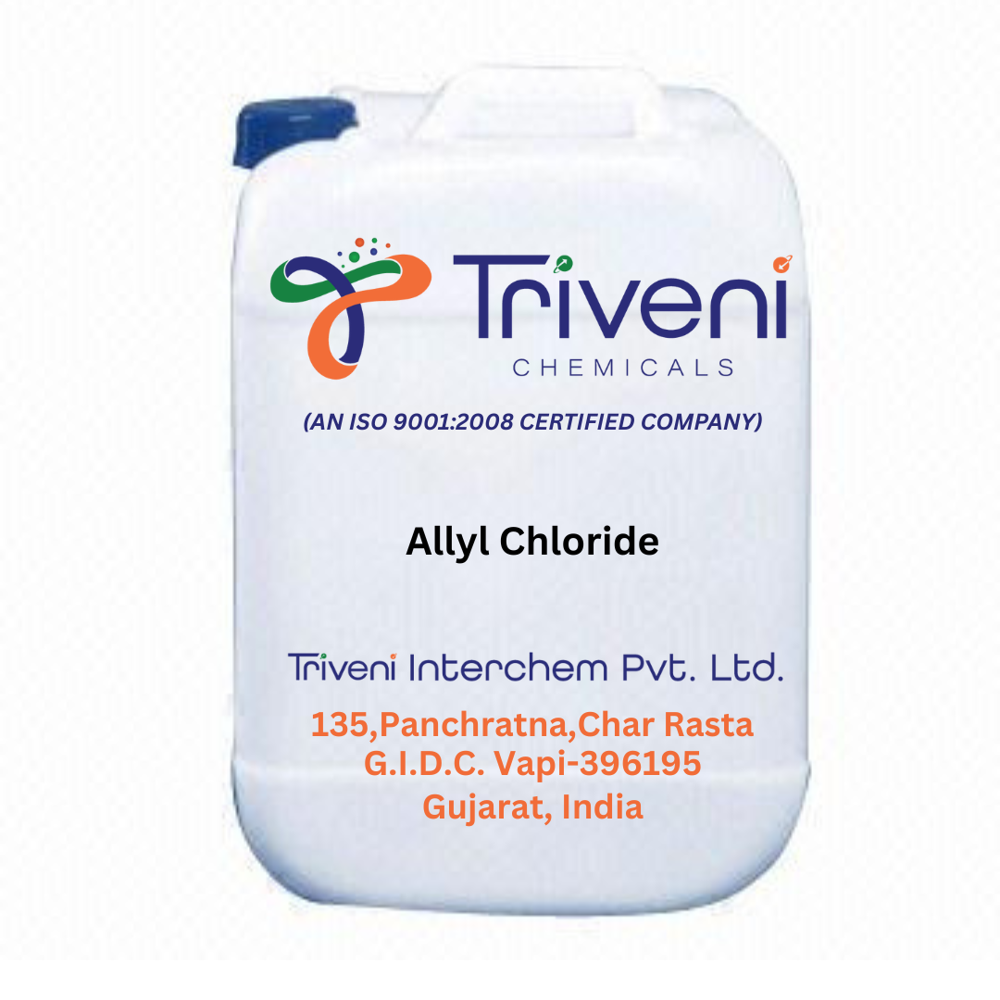
Price 147.0 INR / Kilograms
Minimum Order Quantity : 1 Kilograms
Purity : 98 99%
Physical Form : Liquid
Molecular Weight : 76.526 g/mol Grams (g)
Properties : Allyl chloride is a colorless, volatile liquid primarily used as an intermediate in the production of epichlorohydrin, which is essential for manufacturing epoxy resins. Due to its toxicity and flammability, it requires specialized handling and containment.
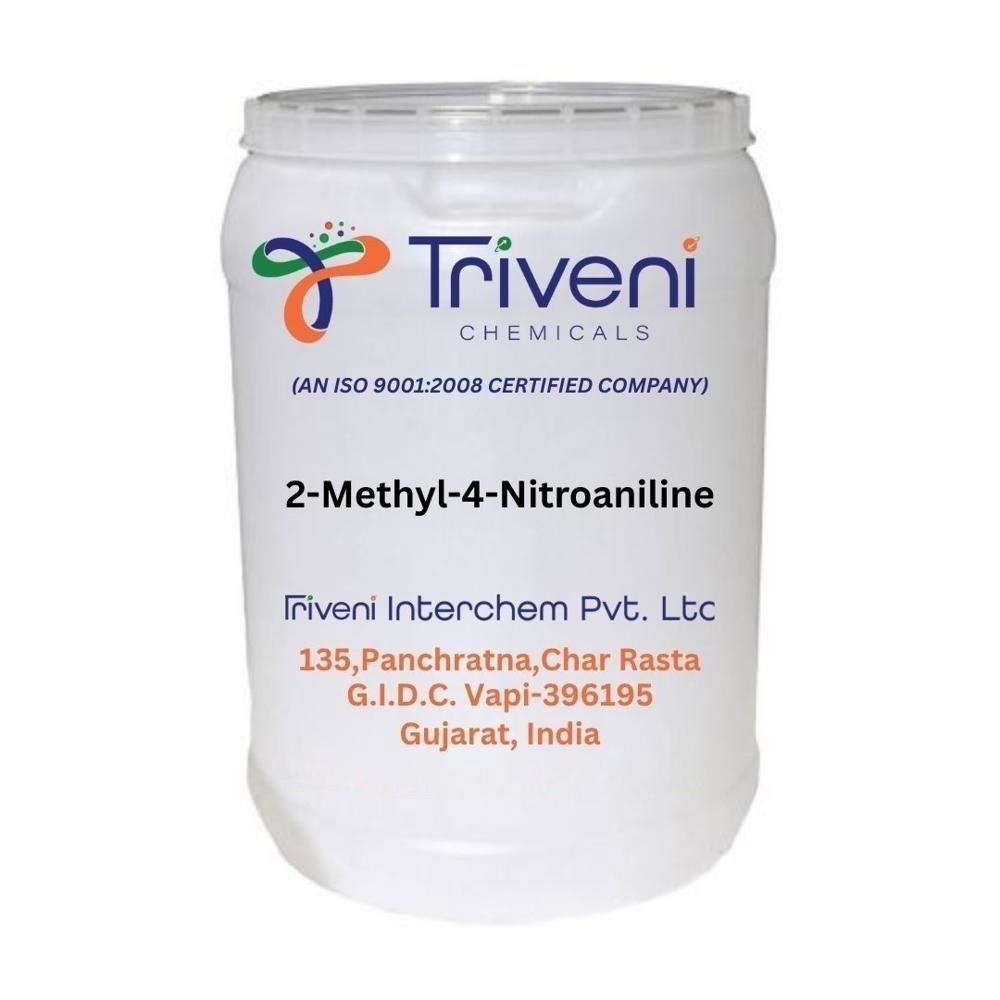
Price 1270.0 INR / Kilograms
Minimum Order Quantity : 1 Kilograms
Purity : 98 99%
Molecular Weight : 152.15 g/mol Grams (g)
Properties : 2Methyl4nitroaniline is a yellow crystalline powder, sparingly soluble in water but soluble in organic solvents. It is a vital industrial intermediate used primarily in the synthesis of azo dyes and pigments.

Thank You!
Thank You for your valuable time. We have received your details and will get back to you shortly.


For an immediate response, please call this
number 08045816834
Price:

 Send Inquiry
 Send Inquiry
 Send Inquiry
 English
 Spanish
 French
 German
 Italian
 Chinese (Simplified)
 Japanese
 Korean
 Arabic
 Portuguese