Back to top
Triphenylphosphine Oxide

Triphenylphosphine Oxide

Price 100.0 INR/ kg

MOQ : 1 kg

Triphenylphosphine Oxide Specification

  • Physical Form
  • Solid
  • Application
  • Industrial
  • Usage
  • Triphenylphosphine Oxide Is Widely Used As A Reagent And By-Product In Organic Synthesis, Especially In Reactions Involving Triphenylphosphine Such As Wittig, Mitsunobu, And Appel Reactions. It Is Commonly Employed As A Reference Compound And Analytical Standard In Laboratories Due To Its Stability And Well-Defined Structure.
  • Properties
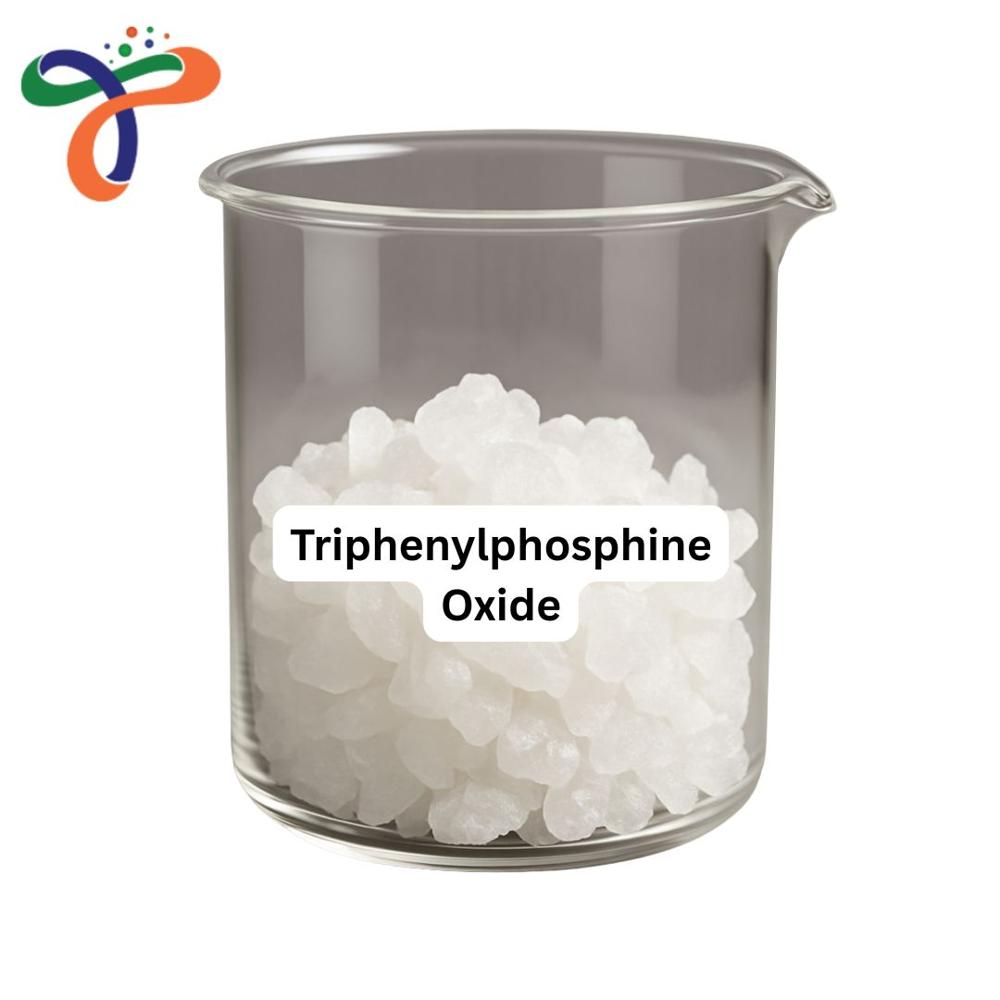
  • Triphenylphosphine Oxide is a white crystalline solid with a molar mass of 278.29 g/mol. It is the oxidized derivative of triphenylphosphine, formed by reaction with oxidizing agents such as hydrogen peroxide or oxygen.
  • Structural Formula
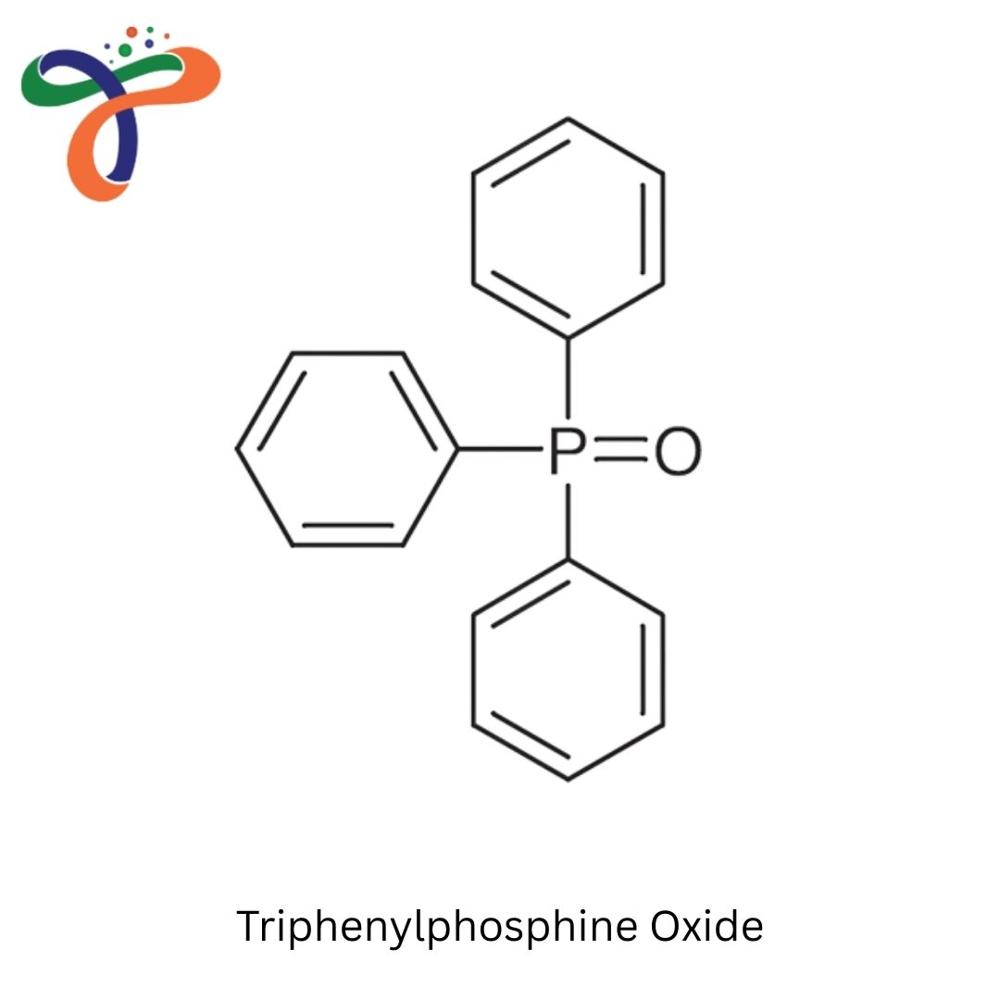
  • C18H15OP
  • Molecular Weight
  • 278.28 g/mol Grams (g)
  • CAS No
  • 791-28-6
  • Melting Point
  • 150 157 C
  • Purity
  • 96-98%
  • Solubility
  • Slightly soluble in water; soluble in methanol
  • Molecular Formula
  • C18H15OP
  • Appearance
  • White crystals
 

Triphenylphosphine Oxide Trade Information

  • Minimum Order Quantity
  • 1 kg
  • Payment Terms
  • Cash in Advance (CID)
  • Supply Ability
  • 5000 Per Month
  • Delivery Time
  • 10 Days
  • Main Domestic Market
  • All India
 

About Triphenylphosphine Oxide

Triphenylphosphine Oxide Is Widely Used As A Reagent And By-Product In Organic Synthesis, Especially In Reactions Involving Triphenylphosphine Such As Wittig, Mitsunobu, And Appel Reactions. It Is Commonly Employed As A Reference Compound And Analytical Standard In Laboratories Due To Its Stability And Well-Defined Structure.

Key Applications in Organic Synthesis

Triphenylphosphine Oxide is essential in organic laboratories, serving as both a reagent and as a by-product in critical reactions such as Wittig, Mitsunobu, and Appel. Its stable, well-characterized crystal structure makes it reliable for experimental procedures and analytical standards in research and industrial synthesis processes.


Physical and Chemical Characteristics

This compound presents as white crystals, with a melting point between 150 and 157C. Its slight solubility in water and full solubility in methanol allows tailored usage depending on solvent requirements. With a molecular weight of 278.29 g/mol, it offers consistent results in chemical analysis and synthesis.

FAQ's of Triphenylphosphine Oxide:


Q: How is Triphenylphosphine Oxide utilized in industrial processes?

A: Triphenylphosphine Oxide is commonly employed as a reagent and a by-product in organic synthesis within industrial settings, especially in reactions involving triphenylphosphine derivatives such as Wittig, Mitsunobu, and Appel processes.

Q: What benefits does Triphenylphosphine Oxide offer in laboratory applications?

A: Its stability, well-defined crystalline structure, and high purity make Triphenylphosphine Oxide an excellent reference compound and analytical standard for laboratories, ensuring accurate and reproducible results.

Q: When should Triphenylphosphine Oxide be used in organic synthesis?

A: Triphenylphosphine Oxide is typically used whenever triphenylphosphine-related reactions are conducted, as it often forms as a by-product and can also be actively employed as a reagent or purification agent in the process.

Q: Where is Triphenylphosphine Oxide sourced or supplied?

A: It is manufactured and supplied by chemical companies in India and is available globally from reputable suppliers, typically referenced by its CAS No: 791-28-6.

Q: What is the process for obtaining Triphenylphosphine Oxide?

A: This compound is formed by oxidizing triphenylphosphine, using agents such as hydrogen peroxide or oxygen. The resulting product is a stable, solid crystalline form, which can be purified to achieve purities of 96-98%.

Q: What solvents are suitable for dissolving Triphenylphosphine Oxide?

A: Triphenylphosphine Oxide is slightly soluble in water and readily dissolves in methanol, making methanol the preferred solvent for solution-based applications.

Tell us about your requirement
product

Price:

Quantity
Select Unit

  • 50
  • 100
  • 200
  • 250
  • 500
  • 1000+
Additional detail
Mobile number

Email

More Products in Industrial Chemicals Category

Thionyl Chloride (7719-09-07)

Thionyl Chloride (7719-09-07)

Price 33.0 INR / Kilograms

Minimum Order Quantity : 25 Kilograms

Molecular Weight : 118.96 g/mol Grams (g)

Structural Formula : SOCl2

Properties : Thionyl chloride is a highly reactive inorganic reagent used primarily to convert carboxylic acids and alcohols into their corresponding acid chlorides and alkyl chlorides. Because its byproducts, sulfur dioxide and hydrogen chloride, are gaseous, it is exceptionally valuable for producing highpurity chemical intermediates and pharmaceutical compounds.

Physical Form : Liquid

Cryptohalite (16919-19-0) (Ammonium Fluorosilicate)

Cryptohalite (16919-19-0) (Ammonium Fluorosilicate)

Price 5586.0 INR / Kilograms

Minimum Order Quantity : 1 Kilograms

Molecular Weight : 289.50 g/mol Grams (g)

Structural Formula : NA

Properties : Cryptohalite is a rare, white, inorganic mineral primarily found in volcanic fumaroles. It is scientifically significant as an ammonium fluorosilicate that serves as a specialized reagent in laboratory research. It is also historically recognized for its association with specific geological environments and its unique crystal lattice structure.

Physical Form : Solid

N-Methylaniline (100-61-8) (C7H9N)

N-Methylaniline (100-61-8) (C7H9N)

Price 250.0 INR / Kilograms

Minimum Order Quantity : 25 Kilograms

Molecular Weight : 107.16 g/mol Grams (g)

Structural Formula : C7H9N

Properties : NMethylaniline is an aromatic secondary amine primarily utilized as a chemical intermediate in the production of dyes, agrochemicals, and rubber chemicals. It serves as a vital component for synthesizing specialized antioxidants and stabilizers, and as a solvent or additive in fuel formulations to enhance octane ratings.

Physical Form : Liquid

4-Isopropylcatechol (2138-43-4) (C9H12O2)

4-Isopropylcatechol (2138-43-4) (C9H12O2)

Price 20000.0 INR / Kilograms

Minimum Order Quantity : 25 Kilograms

Molecular Weight : 152.19 g/mol Grams (g)

Structural Formula : C9H12O2

Properties : 4Isopropylcatechol is a specialized substituted catechol primarily used as a potent polymerization inhibitor and chemical intermediate. Its structure, featuring a catechol core with an isopropyl group, makes it highly effective in stabilizing monomers during storage and serving as a building block for pharmaceuticals and specialty antioxidants.

Physical Form : Solid