Aluminium Silicate (Al2O5Si) About
We are Supplier, Exporter and Contract Manufacturer.
Technical profile of Aluminium Silicate, a high-purity raw chemical material supplied by Triveni Chemicals for industrial manufacturing and laboratory synthesis.
Technical Specifications:
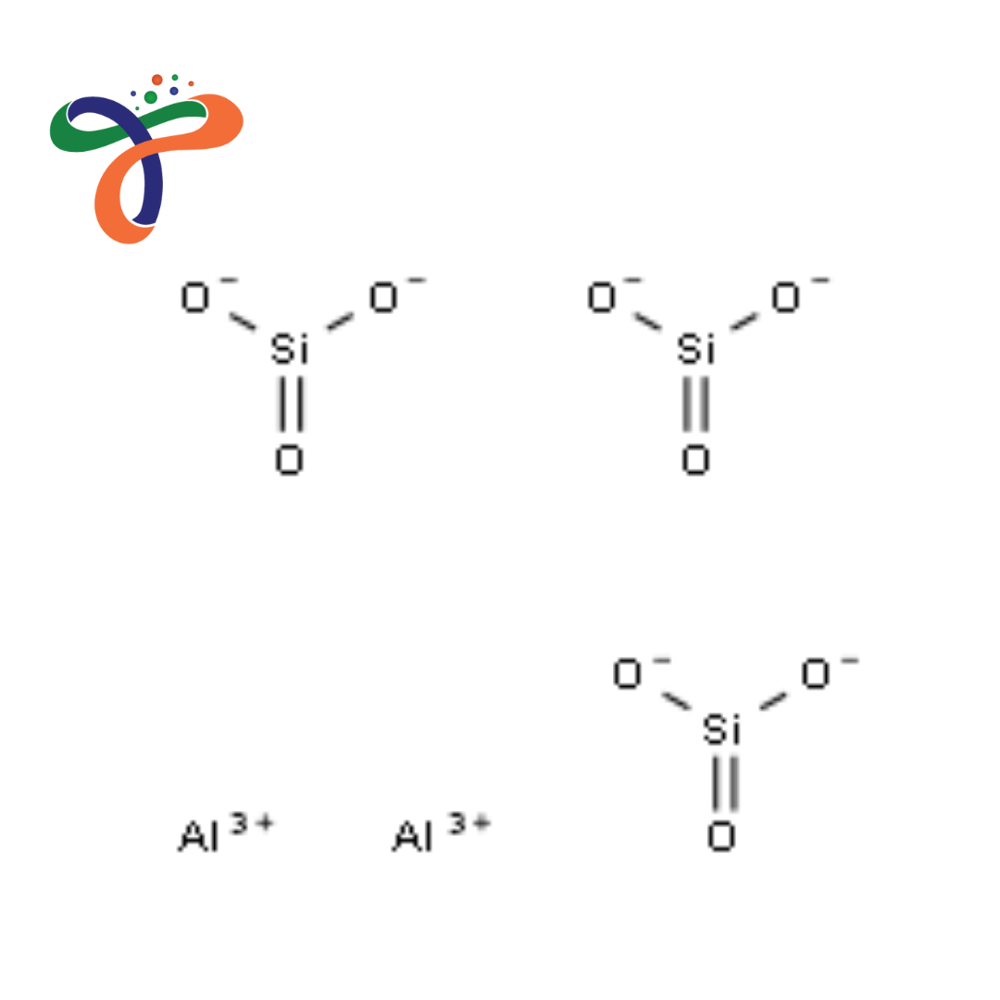
Chemical Formula: Al2O5Si
Industrial Uses & Applications:
Aluminium Silicate Is A Naturally Occurring Or Synthetic Inorganic Compound Widely Used As A Functional Filler And Reinforcing Agent In Industrial Applications. It Is Valued For Its Chemical Inertness, High Thermal Stability, And Fine Particle Size. Aluminium Silicate Is Commonly Used In Ceramics, Paints, Coatings, Rubber, Plastics, Paper, And Refractory Materials To Improve Strength, Opacity, And Surface Finish. It Also Serves As An Anti-Caking And Flow-Enhancing Agent In Certain Formulations.
Versatile Industrial ApplicationsAluminium Silicate's unique characteristics, including high purity and resistance to heat and corrosion, make it ideal for use in ceramics, refractories, catalysts, and high-performance fillers. Its role extends across multiple industries, from enhancing paints and plastics to acting as a durable support in catalyst systems and a robust material in glass and ceramic products.
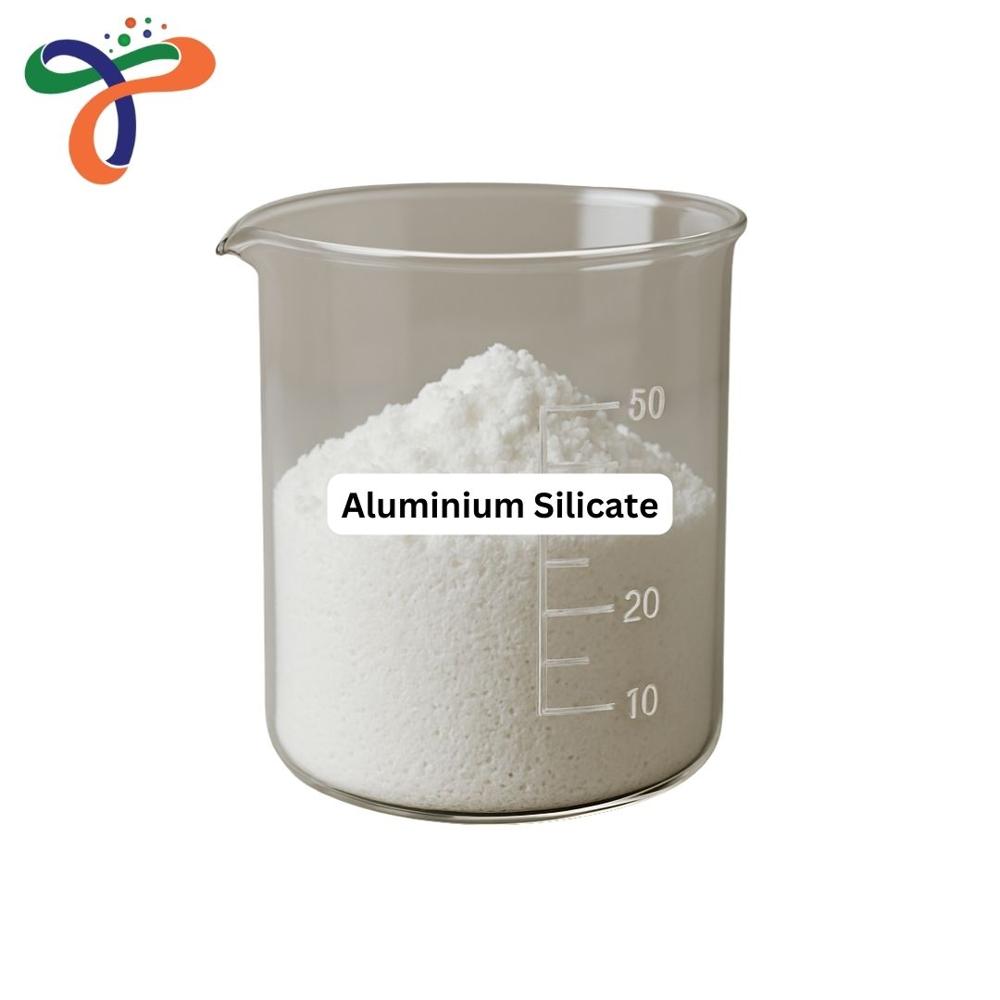
Key Material PropertiesFeaturing a melting point of 1840C and refractive rate of 1.53, Aluminium Silicate is insoluble in both water and acids. Supplied in powder form, it integrates seamlessly into manufacturing processes, ensuring reliability and consistent performance in high-temperature and chemically aggressive environments.
FAQ's of Aluminium Silicate (Al2O5Si):
Q: How is Aluminium Silicate (Al2O5Si) typically used in industry?
A: Aluminium Silicate is widely used as a filler and extender in paints, plastics, paper, and rubber to improve product durability and opacity. Additionally, it is crucial in manufacturing ceramics, refractories, glass, and is also employed as a support for catalysts and as an adsorbent.
Q: What benefits does Aluminium Silicate offer in ceramic and refractory production?
A: Its outstanding thermal stability and resistance to chemical corrosion allow Aluminium Silicate to withstand high processing temperatures and aggressive environments, making it an essential material in the production of ceramics and high-temperature refractories.
Q: When should Aluminium Silicate be preferred over other filler materials?
A: Aluminium Silicate should be chosen when high thermal stability, chemical resistance, and improved product opacity are desired, especially in applications like heat-resistant ceramics, durable coatings, and plastic or rubber compounds requiring longevity.
Q: Where is Aluminium Silicate mainly sourced or manufactured?
A: Many industrial suppliers and manufacturers, particularly in India, produce Aluminium Silicate to meet the needs of various industrial sectors, ensuring consistent quality and purity ranging from 98 to 99%.
Q: What is the process of integrating Aluminium Silicate into paints and plastics?
A: The powder is blended into paint or plastic formulations during production, serving as a filler or extender to enhance opacity, texture, and durability while also improving resistance to environmental factors.
Q: How does the insolubility of Aluminium Silicate benefit its applications?
A: Its insolubility in water and acids ensures the compound remains stable and effective in environments where chemical exposure or moisture could otherwise degrade material performance.
Q: What is the main advantage of Aluminium Silicate in catalyst support applications?
A: Thanks to its chemical inertness and high surface area, Aluminium Silicate provides a stable platform for catalysts, extending their lifespan and efficiency in industrial chemical processes.






 Send Inquiry
 Send Inquiry
 Send Inquiry
 Call Me Free
 English
 Spanish
 French
 German
 Italian
 Chinese (Simplified)
 Japanese
 Korean
 Arabic
 Portuguese