Benzyl Bromide (100-39-0) About
We are Supplier, Exporter and Contract Manufacturer.
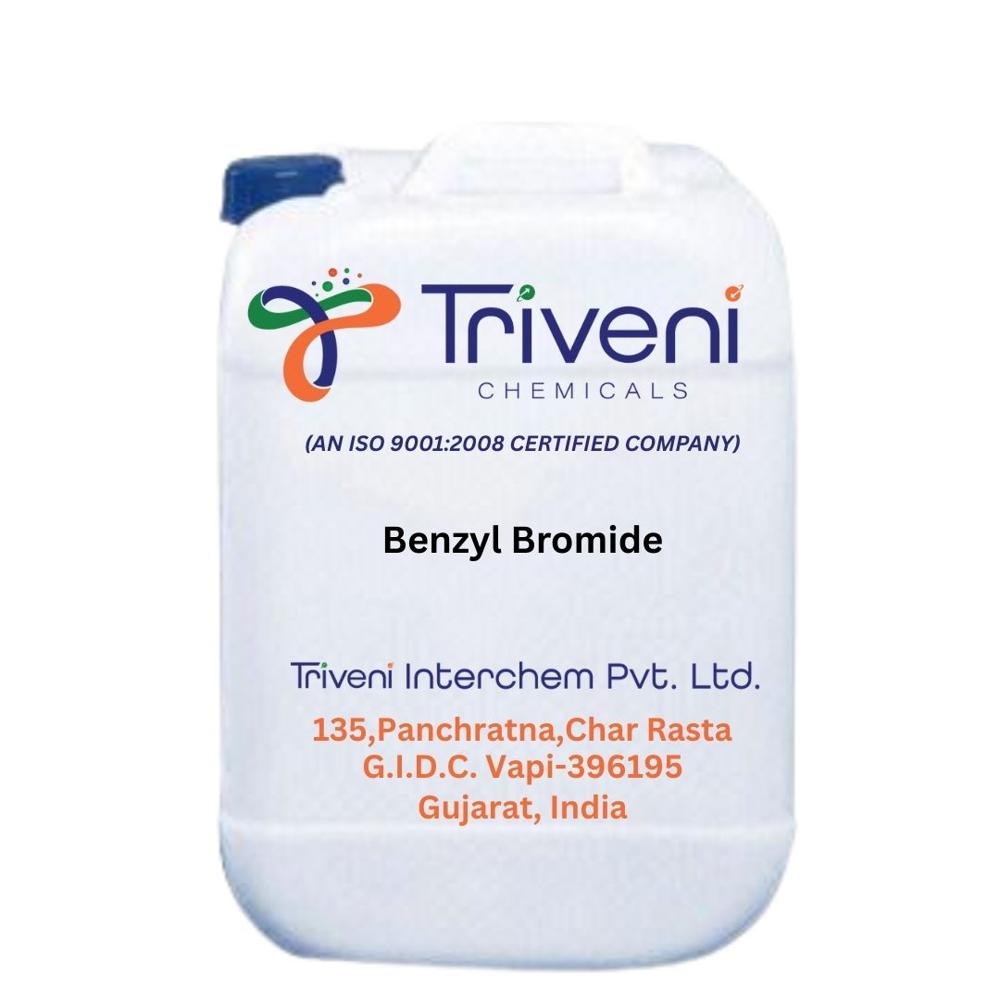
Technical profile of Benzyl Bromide, a high-purity raw chemical material supplied by Triveni Chemicals for industrial manufacturing and laboratory synthesis.
Technical Specifications:
CAS Number: 100-39-0
Synonyms: (Bromomethyl)benzene, Phenylmethyl Bromide, -Bromotoluene
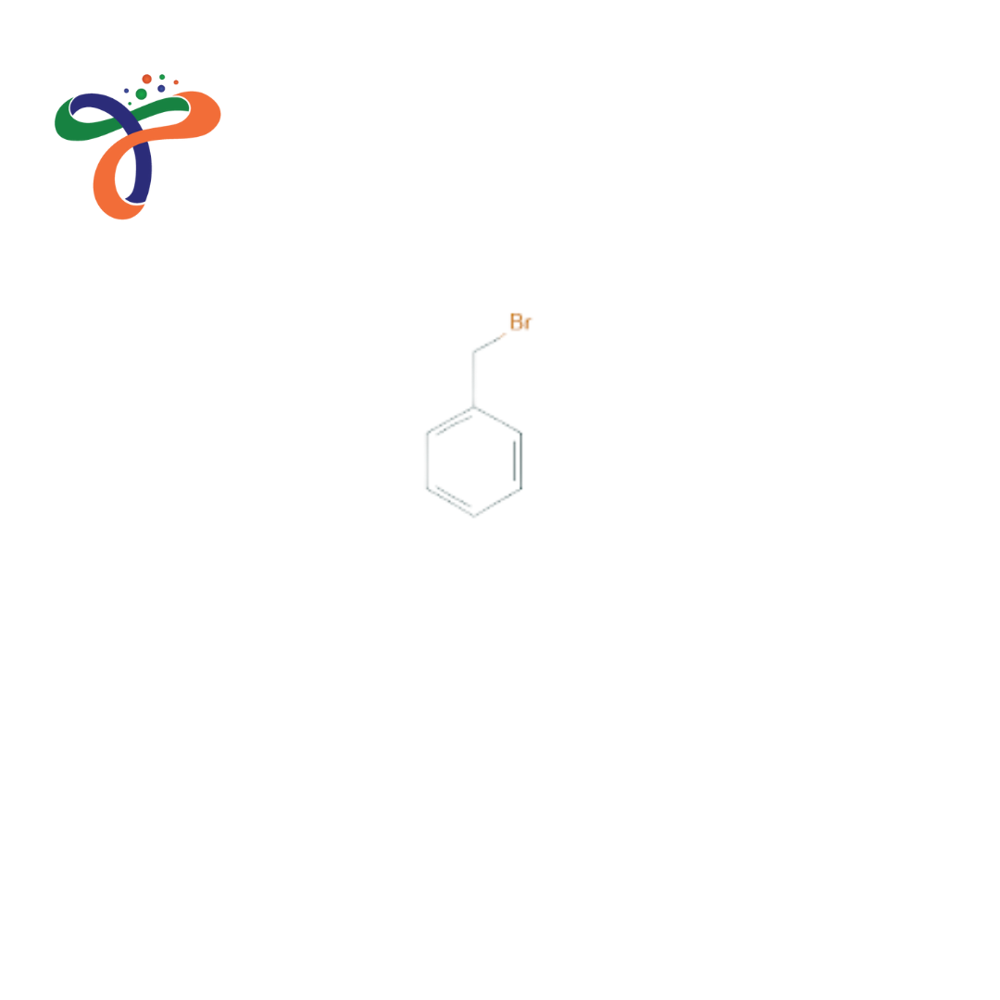
Chemical Formula: C7H7Br
Industrial Uses & Applications:
It Is Widely Used As An Alkylating Agent And Intermediate In The Manufacture Of Pharmaceuticals, Agrochemicals, Dyes, Fragrances, And Specialty Chemicals. It Is A Reactive Aromatic Alkyl Bromide That Readily Undergoes Nucleophilic Substitution Reactions.
Versatility in Organic SynthesisBenzyl Bromide is an indispensable alkylating agent, enabling the introduction of benzyl groups into various organic molecules. Its role is pivotal in the synthesis of pharmaceuticals and specialty chemicals where it acts as a precursor to benzyl derivatives and benzyl ethers, assisting chemists in protecting functional groups during multi-step reactions.
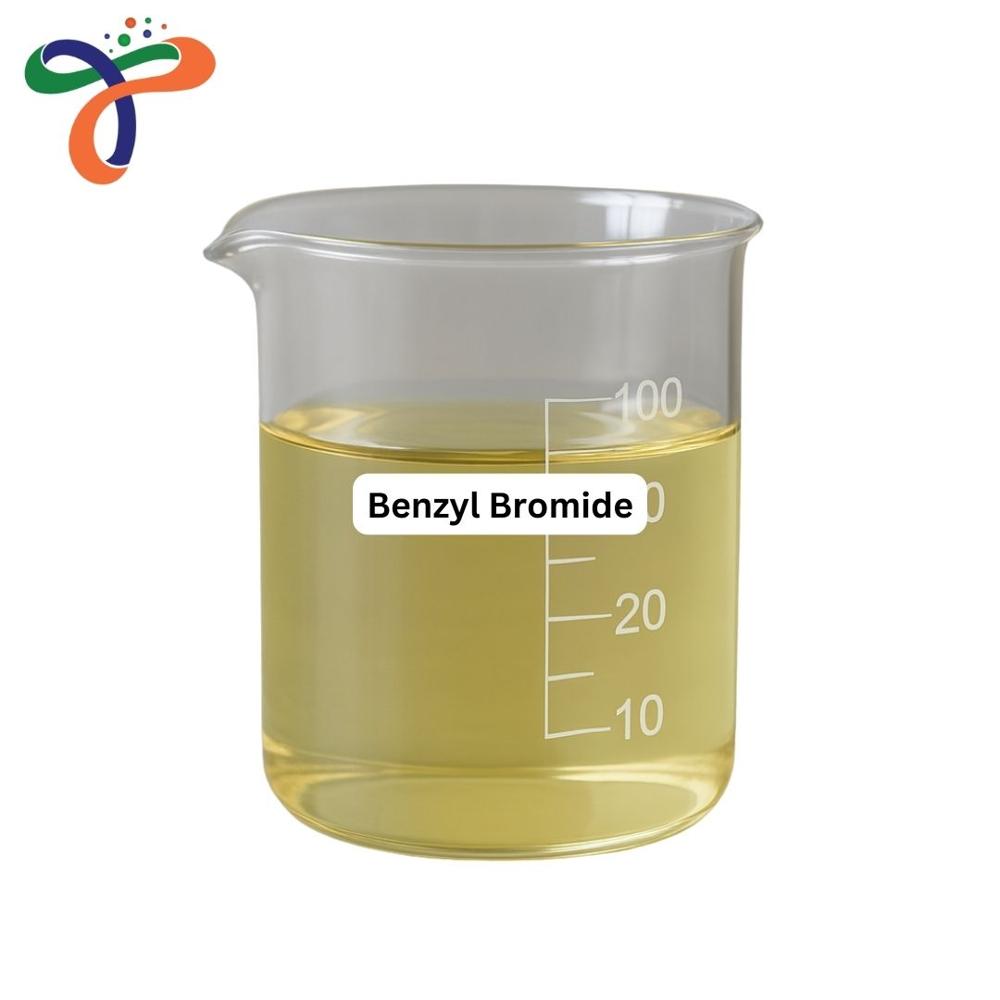
Physical and Chemical CharacteristicsThis compound is a colorless to pale yellow liquid with a melting point of -26C and a refractive rate of 1.55. Its solubility in most organic solvents, but immiscibility in water, makes it ideal for use in diverse laboratory and industrial settings. Its structural formula is C7H7Br and boasts high purity levels for precision in synthesis.
Industrial Applications and SupplyBenzyl Bromide is vital in multiple industrial applications, primarily as an intermediate and protecting agent. Manufactured and supplied across India, it is utilized extensively in pharmaceutical production, dye manufacturing, and fragrance creation, making it an essential chemical for various sectors.
FAQ's of Benzyl Bromide (100-39-0):
Q: How is Benzyl Bromide typically used in organic synthesis?
A: Benzyl Bromide serves mainly as a benzylating agent, introducing the benzyl group into diverse organic molecules. This function is crucial in synthesizing benzyl derivatives and benzyl ethers, as well as protecting alcohol or carboxylic acid groups during complex reactions.
Q: What are the benefits of using Benzyl Bromide as a protecting agent?
A: Benzyl Bromide effectively guards functional groups like alcohols and carboxylic acids from unwanted reactions, thereby increasing the efficiency and yield of multi-step syntheses in both laboratory and industrial processes.
Q: When should Benzyl Bromide be used in a chemical process?
A: It should be used when there is a need to introduce a benzyl group, form benzyl ethers, or specifically protect reactive alcohol and acid functionalities throughout various stages of organic synthesis.
Q: Where is Benzyl Bromide supplied from and what industries utilize it the most?
A: Benzyl Bromide is manufactured and supplied throughout India, and it finds major applications in the pharmaceutical, dye, and fragrance industries as a key intermediate and reagent.
Q: What physical form and appearance should I expect for Benzyl Bromide?
A: Benzyl Bromide is supplied as a liquid, presenting as a colorless to pale yellow substance, ensuring ease of handling and reactivity in industrial settings.
Q: How soluble is Benzyl Bromide and what solvents are suitable for its use?
A: Benzyl Bromide is readily soluble in most organic solvents, making it highly adaptable in a range of synthetic protocols. However, it is immiscible with water, necessitating the use of compatible organic solvents for optimal results.







 Send Inquiry
 Send Inquiry
 Send Inquiry
 English
 Spanish
 French
 German
 Italian
 Chinese (Simplified)
 Japanese
 Korean
 Arabic
 Portuguese