Back to top
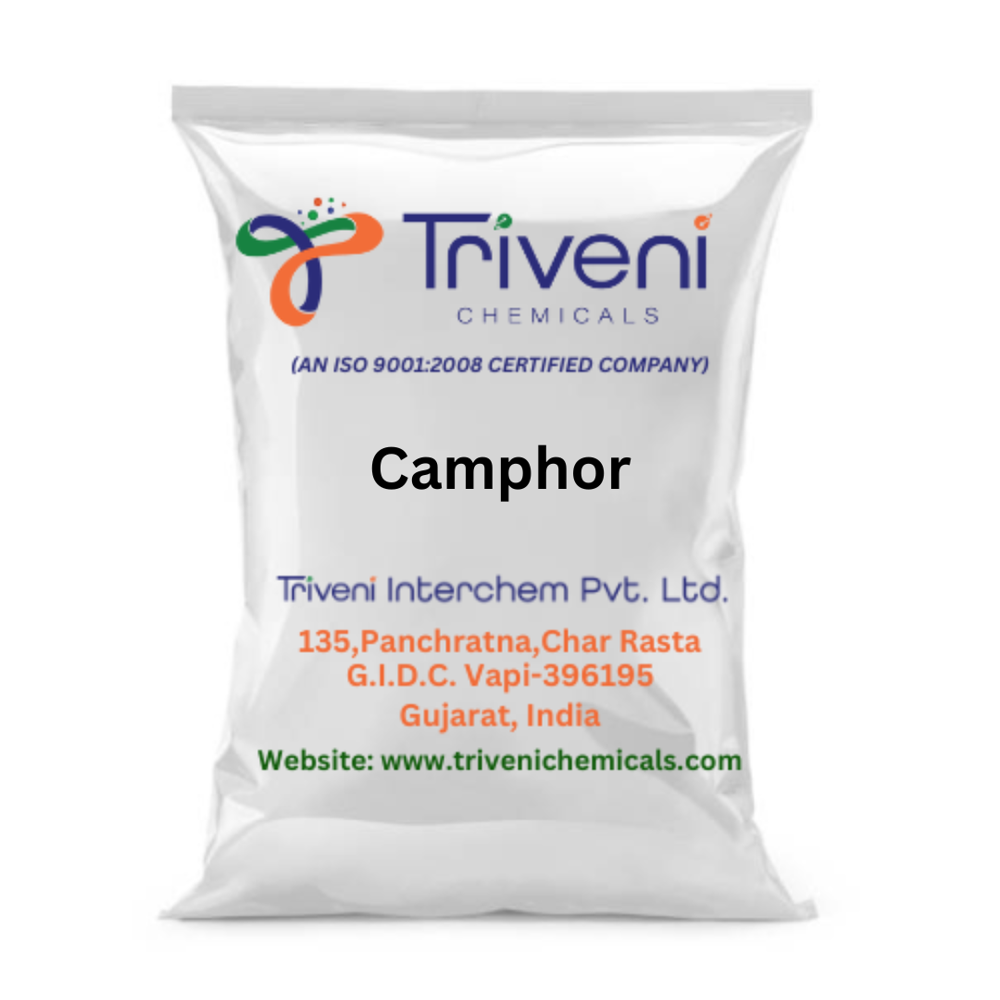
Camphor (76-22-2) (C10H16O)

Camphor (76-22-2) (C10H16O)

Price 750.0 INR/ Kilograms

MOQ : 25 Kilograms

Camphor (76-22-2) (C10H16O) Specification

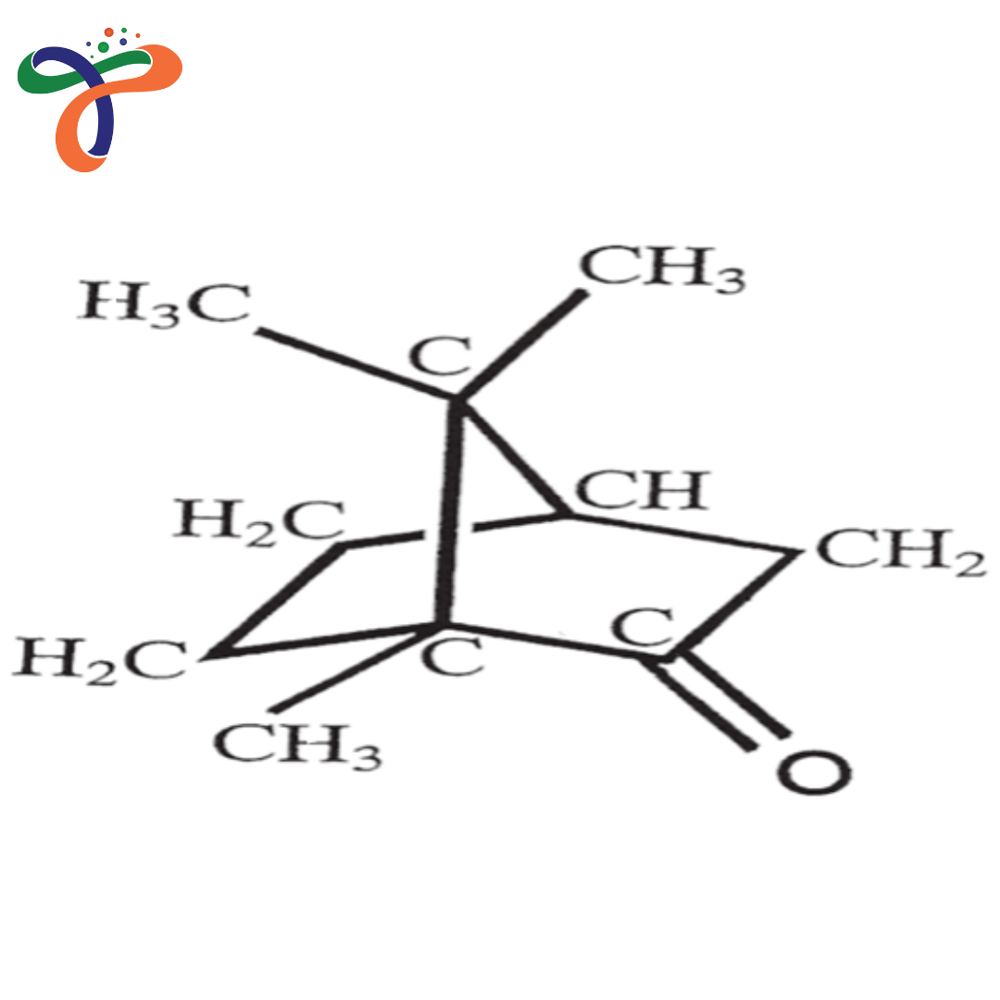
  • Structural Formula
  • C10H16O
  • Melting Point
  • 175 180 C
  • Properties
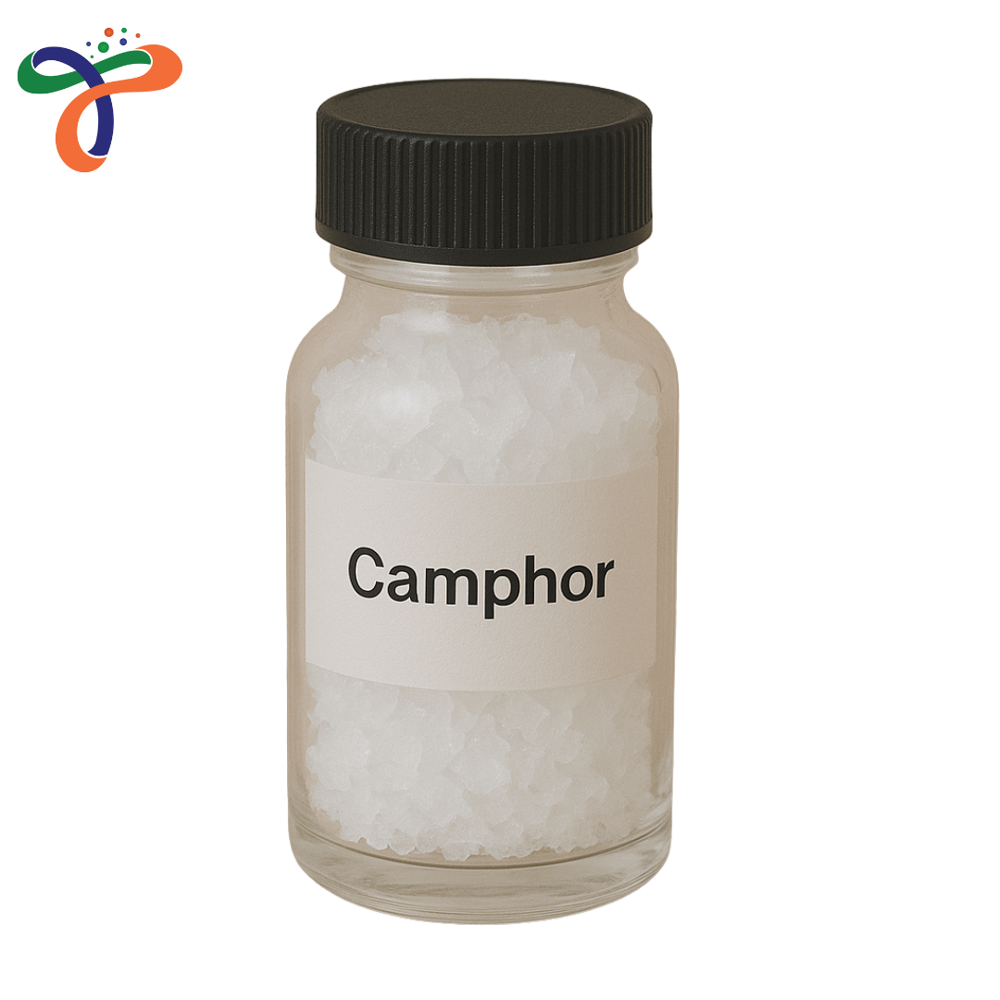
  • Camphor (C10H16O) is a white, crystalline, aromatic solid with a strong, penetrating odor. It is slightly soluble in water but highly soluble in alcohol, ether, and chloroform.
  • Usage
  • Widely used in pharmaceuticals, cosmetics, and aromatherapy, it acts as a topical analgesic, anti-inflammatory agent, insect repellent, and fragrance component.
  • Application
  • Other
  • CAS No
  • 76-22-2
  • Appearance
  • White, crystalline
  • Solubility
  • Slightly soluble in water ,Soluble in ethanol, acetone, ether, chloroform, acetic acid
  • Purity
  • 95-99%
  • Molecular Formula
  • C10H16O
  • Molecular Weight
  • 152.23 g/mol Grams (g)
  • Physical Form
  • Powder
 

Camphor (76-22-2) (C10H16O) Trade Information

  • Minimum Order Quantity
  • 25 Kilograms
  • Payment Terms
  • Cash in Advance (CID)
  • Supply Ability
  • 5000 Kilograms Per Month
  • Delivery Time
  • 10 Days
  • Main Domestic Market
  • All India
 

About Camphor (76-22-2) (C10H16O)

Camphor is a white, crystalline terpene ketone with a strong, penetrating aroma and a cooling taste. With the molecular formula CHO, camphor is volatile, subliming readily at room temperature, and has a melting point around 175177 C. It is soluble in alcohol, ether, and chloroform but sparingly soluble in water. Traditionally used in medicine, incense, and embalming, camphor today finds applications in pharmaceuticals, cosmetics, plastics, and flavoring. In topical preparations, it provides a cooling sensation and mild analgesic effects.


Applications and Advantages

Camphor powder finds multiple uses, ranging from medicinal formulations and topical ointments to industrial solvents and culinary flavoring. Its easy solubility in organic solvents enhances its adaptability, making it an asset for manufacturers and end-users alike. The high purity level ensures consistent results, whether the powder is utilized in laboratory research or large-scale production environments.


Physical and Chemical Properties

Camphor appears as a white, crystalline powder with a strong aromatic scent. Boasting a melting point between 175-180C, its molecular structure allows moderate flexibility in chemical reactions. While its water solubility is low, it dissolves effectively in common organic solvents, facilitating diverse industrial processes and chemical extractions.

FAQ's of Camphor (76-22-2) (C10H16O):


Q: How is camphor powder typically used in industry and pharmaceuticals?

A: Camphor powder is incorporated into pharmaceutical preparations for its soothing and analgesic properties and is also utilized in topical ointments and balms. In industry, it serves as a plasticizer and flavoring agent, and is involved in chemical syntheses and manufacturing fragrances.

Q: What is the process for dissolving camphor powder for laboratory applications?

A: To dissolve camphor powder efficiently, use an organic solvent such as ethanol, acetone, ether, chloroform, or acetic acid. These solvents ensure rapid and complete dissolution, which is ideal for analytical procedures and synthesis protocols.

Q: When should camphor be used with caution in product formulations?

A: Camphor should be used with caution when formulating products intended for sensitive skin or ingestion, as high concentrations can be irritating or toxic. Always verify recommended usage levels and regulatory guidelines before use.

Q: Where can manufacturers and suppliers of camphor powder be found in India?

A: India hosts numerous camphor manufacturers and suppliers with a reputation for high-quality production and reliable distribution. Leading companies are concentrated in chemical and pharmaceutical hubs across major cities, ensuring easy procurement for business and research needs.

Q: What are the main benefits of using camphor powder with 96-98% purity?

A: Utilizing camphor of 96-98% purity ensures enhanced efficacy, reproducibility of results, and reduced risk of contaminants in end products. High purity is crucial for pharmaceutical, cosmetic, and scientific applications requiring consistency and safety.

Tell us about your requirement
product

Price:

Quantity
Select Unit

  • 50
  • 100
  • 200
  • 250
  • 500
  • 1000+
Additional detail
Mobile number

Email

More Products in Aroma Chemicals Category

2-Acetonaphthone 993-08-3)

2-Acetonaphthone 993-08-3)

Price 8400.0 INR / Kilograms

Minimum Order Quantity : 1 Kilograms

Purity : 98%

Solubility : Slightly soluble in water, soluble in alcohol, ether, and organic solvents

Application : Other , Intermediate for pharmaceuticals, dyes, perfumes, and organic synthesis

Physical Form : Other, Powder or Crystalline Solid

Trimethyl amine 25% aa aqueous

Trimethyl amine 25% aa aqueous

Minimum Order Quantity : 1 Liter

Purity : 25% (w/w) as Trimethylamine

Solubility : Miscible with water

Application : Other , Used in the manufacture of choline chloride, pharmaceuticals, ion exchange resins, water treatment chemicals, plant growth regulators, rubber chemicals, and as a solvent or chemical intermediate.

Physical Form : Liquid

Farnesal (19317-11-4)

Farnesal (19317-11-4)

Minimum Order Quantity : 1 Liter

Purity : 98%

Solubility : Insoluble in water; soluble in organic solvents (alcohol, ether)

Application : Other , Perfumery, fragrance, flavor, organic synthesis

Physical Form : Liquid

Limonene (138-86-3) (C10H16)

Limonene (138-86-3) (C10H16)

Price 165.0 INR / Kilograms

Minimum Order Quantity : 25 Kilograms

Purity : High

Solubility : Insoluble in water; soluble in alcohols, oils, and organic solvents

Application : Other

Physical Form : Liquid