Chloroacetic Acid (79-11-8) About
We are Supplier, Exporter and Contract Manufacturer.
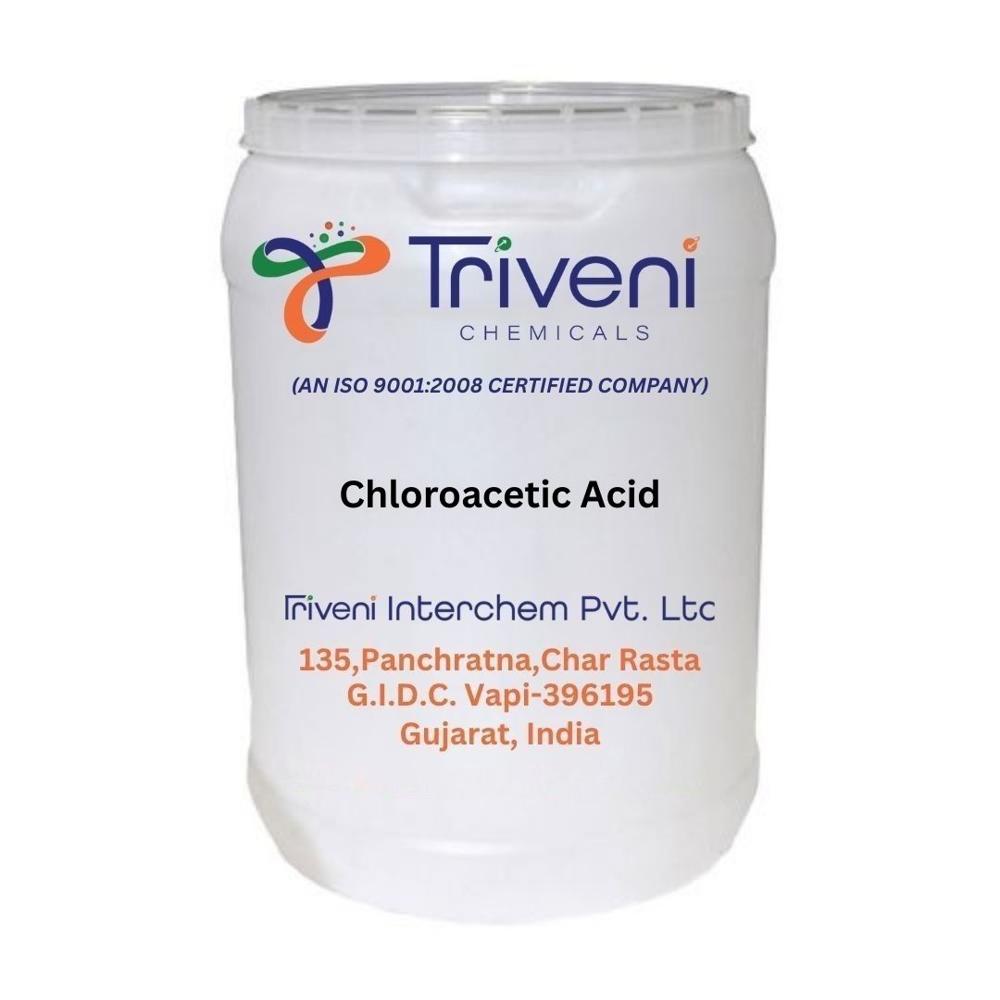
Technical profile of Chloroacetic Acid, a high-purity raw chemical material supplied by Triveni Chemicals for industrial manufacturing and laboratory synthesis.
Technical Specifications:
CAS Number: 79-11-8
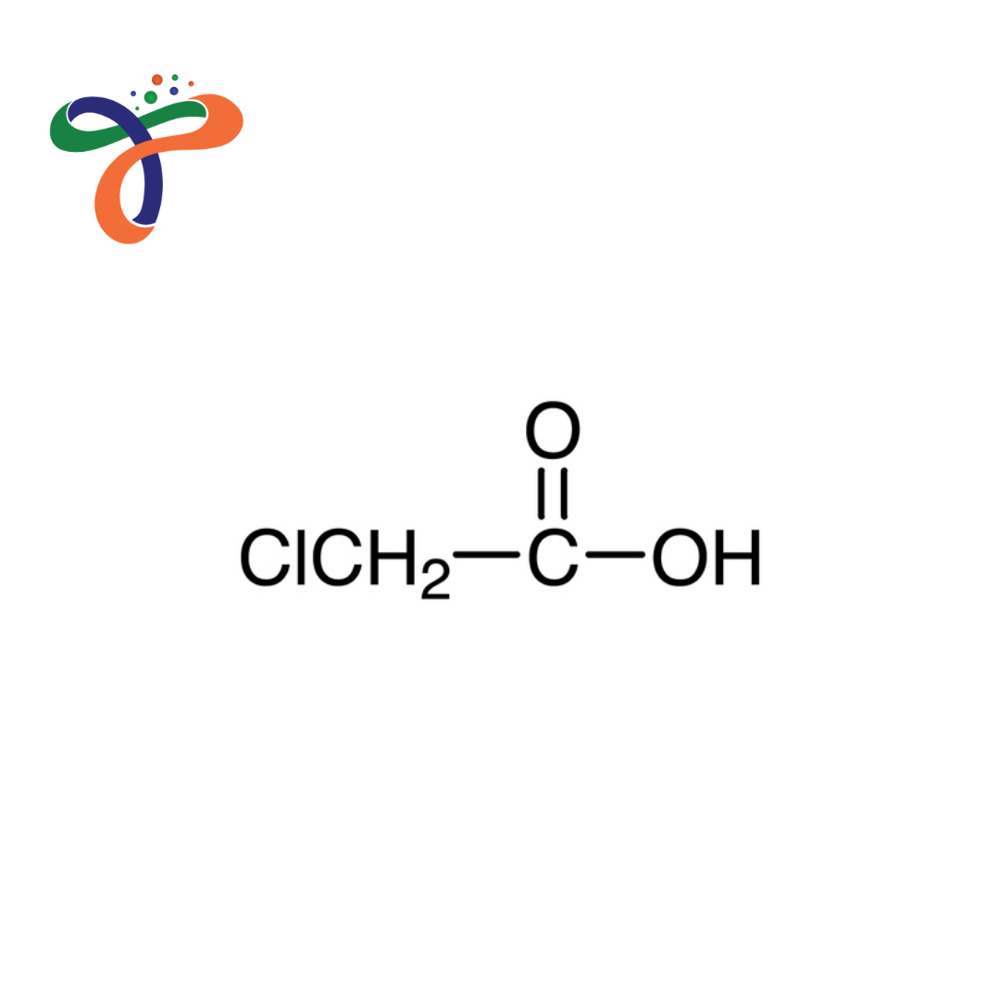
Chemical Formula: C2H3ClO2
Industrial Uses & Applications:
Chloroacetic Acid Is A Chlorinated Organic Acid Widely Used As An Important Intermediate In Chemical Manufacturing. It Is Commonly Applied In The Production Of Carboxymethyl Cellulose, Herbicides, Pharmaceuticals, Dyes, Surfactants, And Agrochemicals. Chlorhexidine Is Also Applied In Personal Care Products And As A Preservative In Formulations.
Industrial Applications of Chloroacetic AcidChloroacetic acid serves as a versatile chemical intermediate, especially in the production of carboxymethyl cellulose (CMC), various herbicides, and synthetic surfactants. Its adaptability allows it to be used extensively in the pharmaceutical and agrochemical sectors, functioning as a precursor for many essential compounds including glycine and chloroacetyl derivatives.
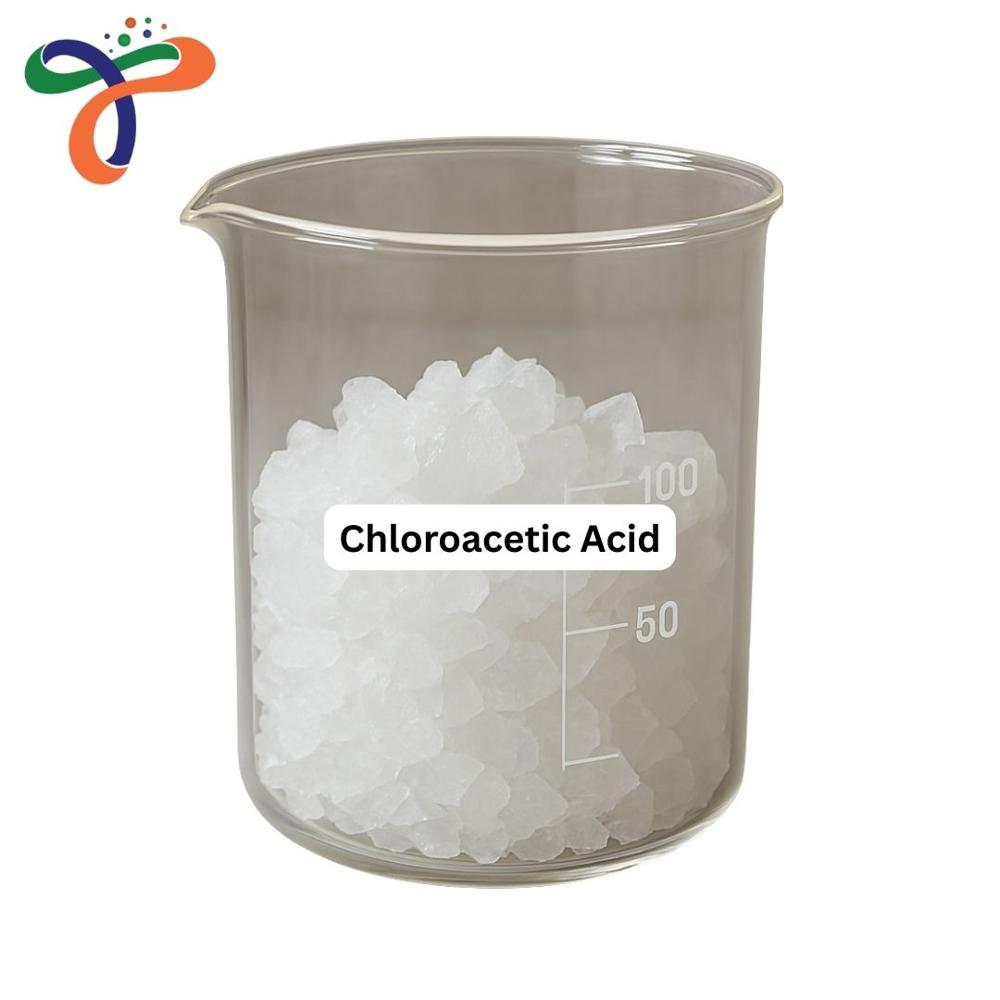
Key Properties Enhancing PerformanceThis compound is characterized by its high purity (98-99%), free solubility in water, and solid, crystalline appearance. Manufacturing reliability is backed by a consistent refractive index (1.46) and distinctive physical attributes, ensuring its suitability for industrial synthesis, formulation, and large-scale processes within India and worldwide.
FAQ's of Chloroacetic Acid (79-11-8):
Q: How is chloroacetic acid commonly used in industrial applications?
A: Chloroacetic acid primarily serves as a chemical intermediate in the synthesis of products such as carboxymethyl cellulose (CMC), herbicides, surfactants, and pharmaceutical compounds, thanks to its reactivity and versatility.
Q: What benefits does chloroacetic acid offer in the production of pharmaceuticals and agrochemicals?
A: Its high reactivity and purity (98-99%) enable streamlined synthesis of crucial intermediates like glycine and caffeine, contributing to the efficient manufacture of herbicides and medicinal agents in pharmaceutical and agrochemical industries.
Q: When should chloroacetic acid be utilized in the synthesis process?
A: Chloroacetic acid is typically introduced during early or intermediate stages of chemical synthesis, where its functional groups facilitate the creation of essential derivatives and complex molecules required by end products.
Q: Where can chloroacetic acid be sourced for industrial purposes?
A: This compound is manufactured and supplied by various chemical producers in India, ensuring reliable availability for industries needing high-purity chloroacetic acid for large-scale applications.
Q: What is the process for handling and using chloroacetic acid safely in manufacturing?
A: Proper industrial protocols should be followed, including the use of protective equipment and strict adherence to safety guidelines, as chloroacetic acid is a highly reactive substance. Its solubility in water aids in its integration into different processes under controlled environments.
Q: Which industries benefit the most from using chloroacetic acid?
A: The pharmaceutical, agrochemical, cosmetic, and specialty chemical sectors gain significant advantages, utilizing chloroacetic acid as a building block for high-value synthetic products and derivatives.






 Send Inquiry
 Send Inquiry
 Send Inquiry
 Call Me Free
 English
 Spanish
 French
 German
 Italian
 Chinese (Simplified)
 Japanese
 Korean
 Arabic
 Portuguese