Cyclohexene Oxide (286-20-4) About
We are Supplier, Exporter and Contract Manufacturer.
Technical profile of Cyclohexene Oxide, a high-purity raw chemical material supplied by Triveni Chemicals for industrial manufacturing and laboratory synthesis.
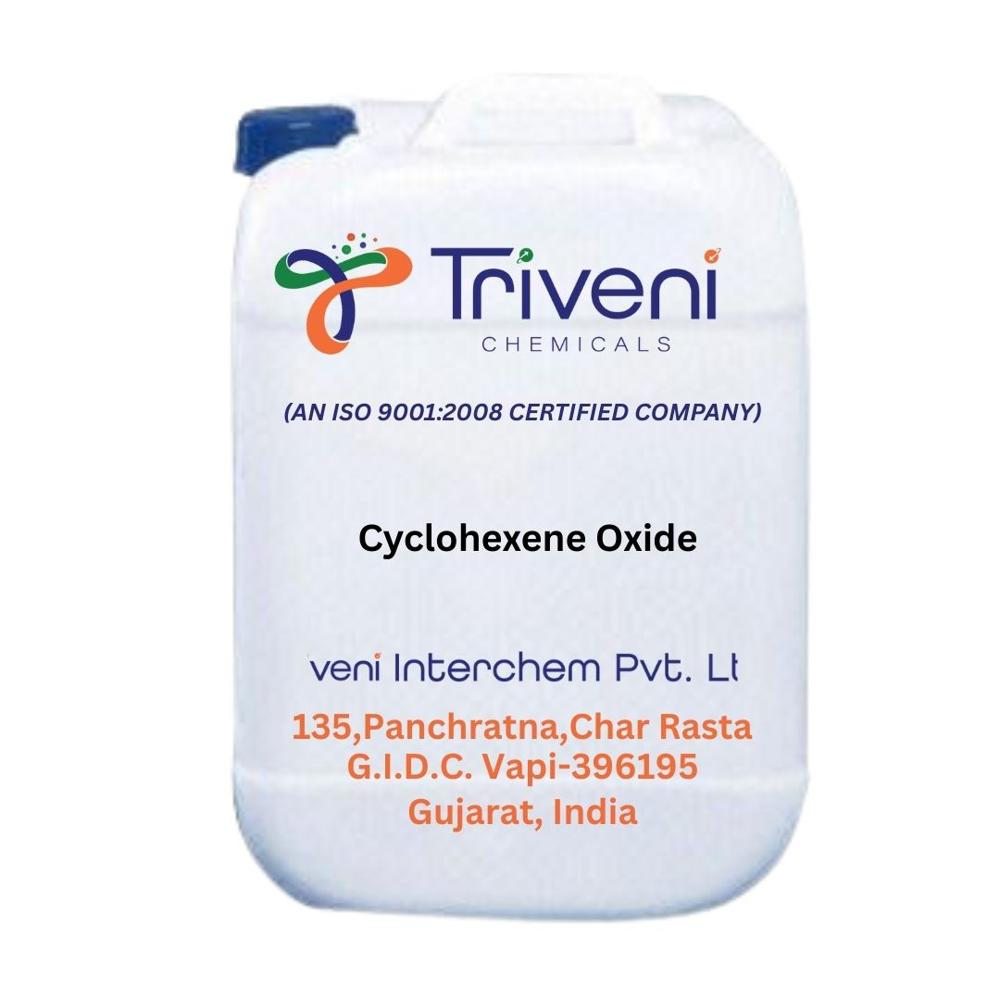
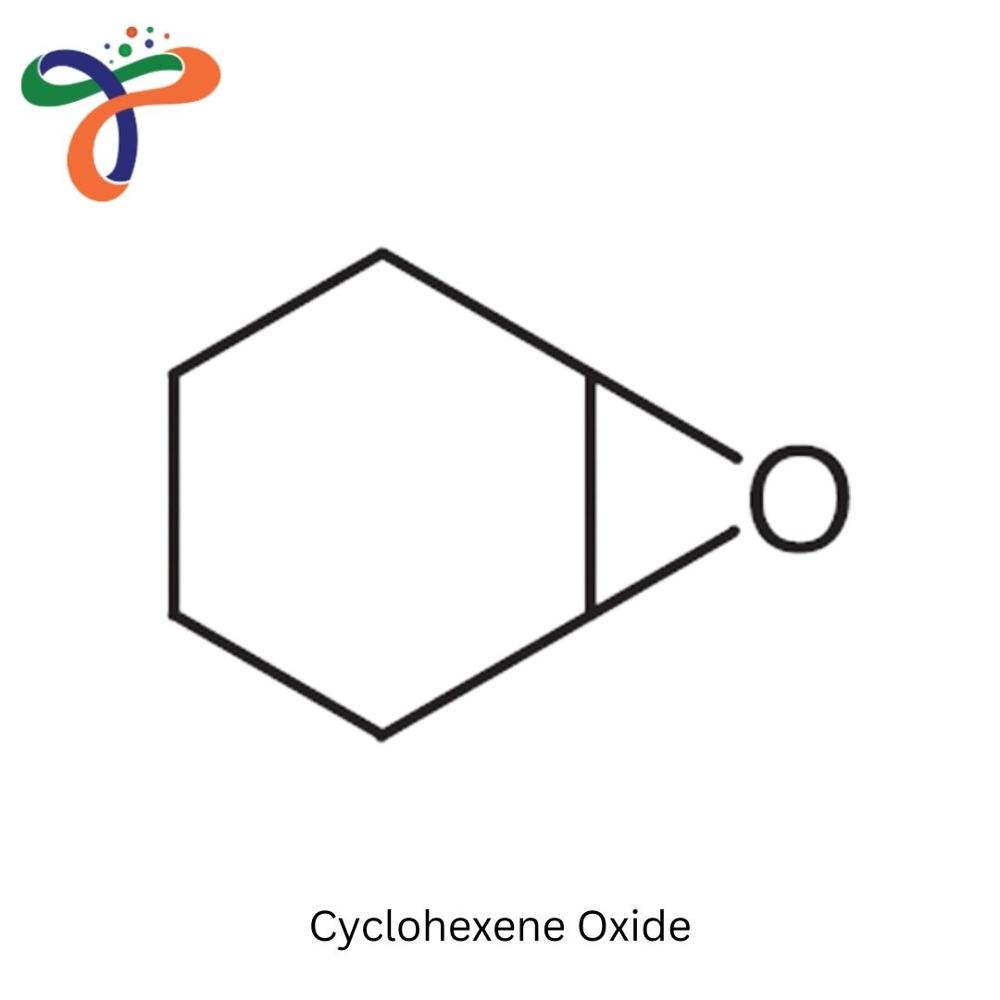
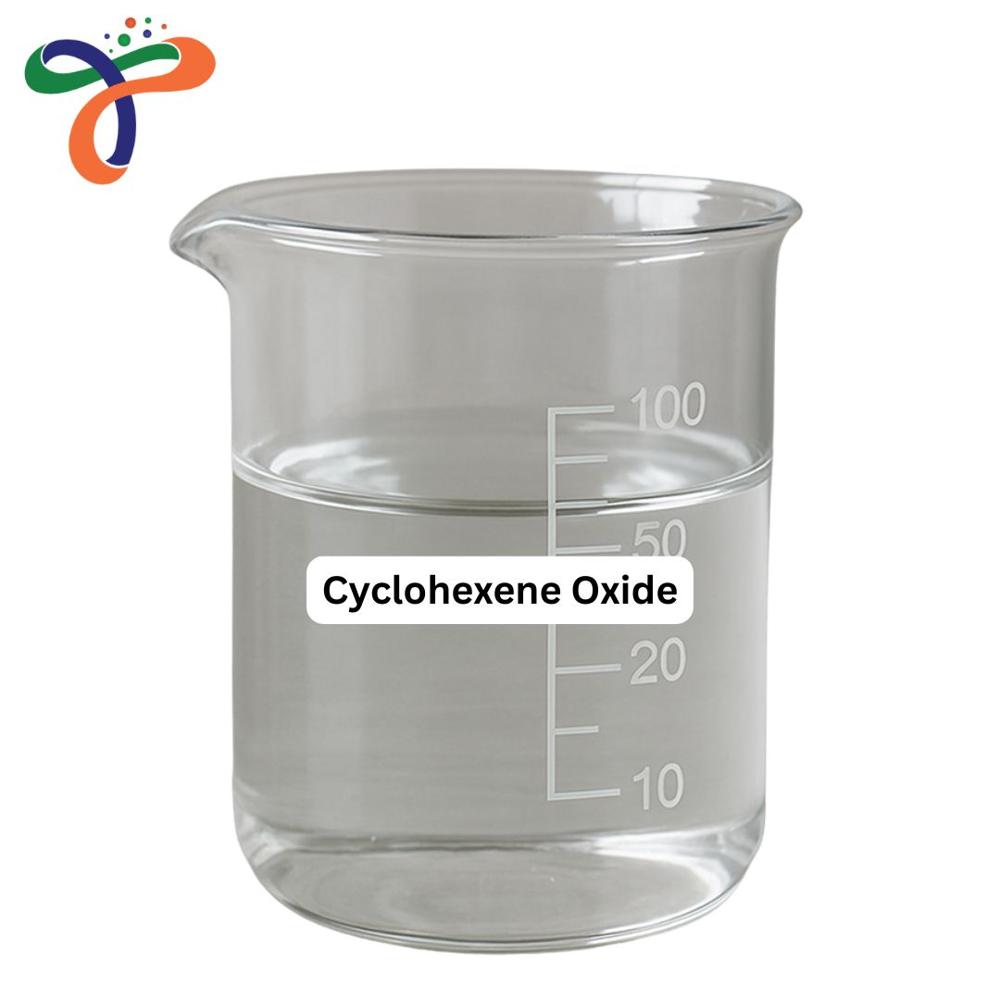
Cyclohexene Oxide (CAS No: 286-20-4) stands out as a must-have and popular intermediate, prized for its phenomenal purity (>99%) and heroic utility in organic synthesis. This champion reagent, appearing as a clear, colorless liquid with a sweet, ether-like odor, features an epoxide functional group that reacts adventurously with nucleophiles. Specially formulated for industrial and laboratory grade applications, Cyclohexene Oxide is stable under recommended conditions and delivers consistent, powerful performance in pharmaceuticals, agrochemicals, and polymer production. Available in 200 kg drums or customized packaging. Handle with required precautions due to its toxic, flammable, and volatile nature.
Wide-Ranging Applications for Cyclohexene Oxide
Cyclohexene Oxide (286-20-4) is utilized predominantly as a reagent and intermediate in various organic synthesis processes. Highly valued in commercial and research sectors, it plays a pivotal role in the manufacturing of pharmaceuticals, agrochemicals, and specialty polymers. Its application method typically involves epoxy group opening reactions in controlled laboratory or industrial settings, enabling the synthesis of complex molecules essential for advanced chemical development. Its versatility makes it indispensable in both routine and special chemical transformations.
Payment, Sampling, and Export Terms
Our Cyclohexene Oxide supply is supported by dependable transportation networks, ensuring high-volume export market capabilities and secure delivery. Samples are available upon request, allowing clients to evaluate quality before commitment. Charges for supply and sample provision are competitive, tailored for international buyers and domestic users alike. Flexible payment terms facilitate smooth transactions, and our supply ability meets both bulk and customized packaging requirements, supporting clients across diverse industry needs.
FAQ's of Cyclohexene Oxide (286-20-4):
Q: How should Cyclohexene Oxide be safely handled and stored?
A: Cyclohexene Oxide must be handled with gloves in well-ventilated areas, avoiding inhalation and contact. For storage, keep the container tightly closed in a cool, dry, and well-ventilated place away from heat and ignition sources, following all recommended precautions due to its toxic and flammable properties.
Q: What are the primary commercial uses of Cyclohexene Oxide?
A: Cyclohexene Oxide is a popular intermediate in organic synthesis for the production of pharmaceuticals, agrochemicals, and specialty polymers. Its epoxide group is highly reactive and essential for epoxy ring-opening reactions in industrial and laboratory applications.
Q: When can samples of Cyclohexene Oxide be requested and how are they charged?
A: Samples are available upon client request, facilitating quality assessment before finalizing orders. Charges for samples may vary based on quantity and destination, and details are provided upon inquiry, in line with our export and domestic market practices.
Q: Where is Cyclohexene Oxide commonly supplied from, and in what packaging options is it available?
A: Supplied by leading manufacturers and suppliers in India, Cyclohexene Oxide is commonly available in 200 kg drums and can also be provided in customized packaging as per client requirements.
Q: What is the process for ordering Cyclohexene Oxide in bulk quantities?
A: Clients can contact our sales team to discuss requirements, payment terms, and customized solutions. We support both domestic and export orders, with dependable transportation and prompt fulfillment assured for industrial and laboratory grade needs.
Q: How does Cyclohexene Oxide benefit synthetic processes in the laboratory?
A: Cyclohexene Oxide's reactive epoxide functional group makes it exceptionally useful for introducing oxygen atoms or creating complex molecular architectures through ring-opening reactions, facilitating the synthesis of a wide array of organic compounds.







 Send Inquiry
 Send Inquiry
 Send Inquiry
 English
 Spanish
 French
 German
 Italian
 Chinese (Simplified)
 Japanese
 Korean
 Arabic
 Portuguese