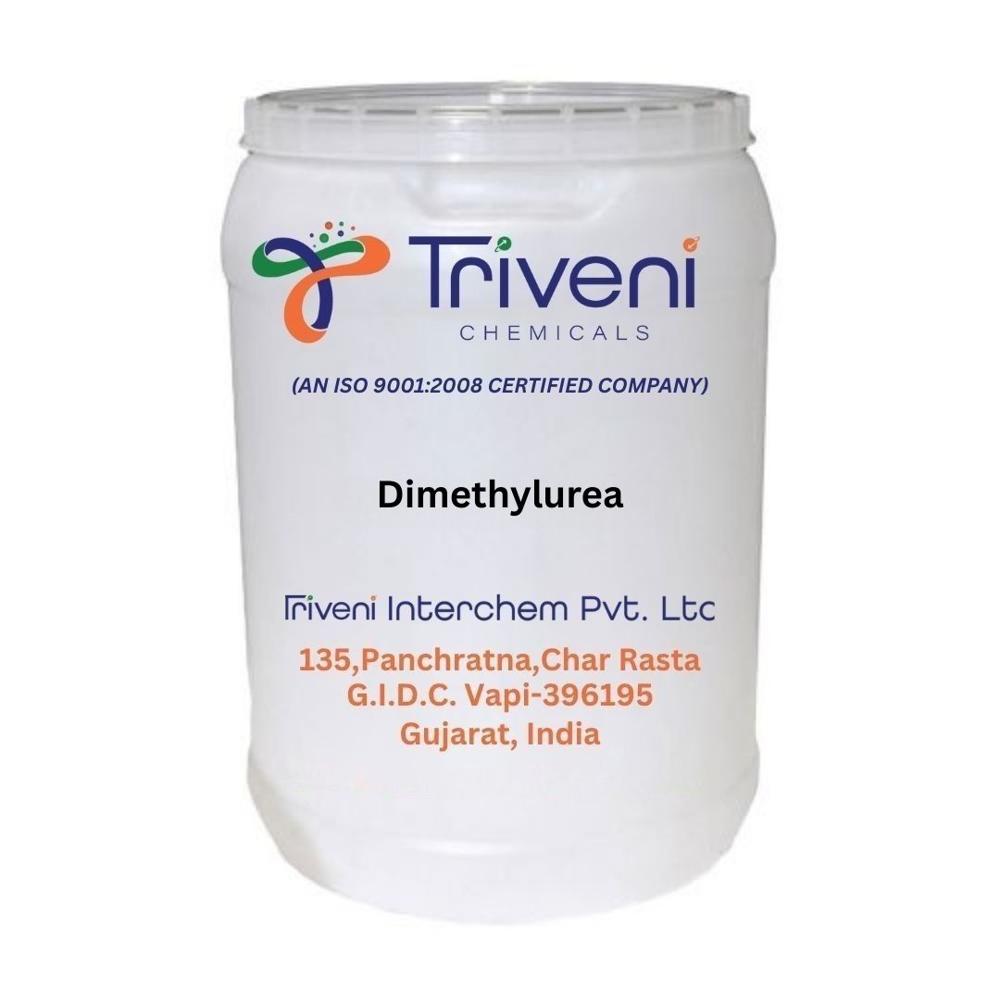
Dimethylurea (88.11 g/mol) (202 Degree C) About
We are Supplier, Exporter and Contract Manufacturer.
Technical profile of Dimethylurea, a high-purity raw chemical material supplied by Triveni Chemicals for industrial manufacturing and laboratory synthesis.
Industrial Uses & Applications:
Dimethylurea Is An Organic Compound Used As An Intermediate In Chemical And Industrial Applications. It Is Commonly Applied In The Manufacture Of Resins, Pharmaceuticals, Agrochemicals, And Specialty Chemicals. The Compound Offers Good Solubility And Controlled Reactivity.
Versatile Chemical IntermediateDimethylurea is widely used as a foundational building block in synthesizing key pharmaceuticals like caffeine and theophylline. Its chemical reactivity and adaptability make it indispensable in multiple industries, especially in the production of specialty chemicals and pharmaceutical intermediates. This versatility translates to streamlined manufacturing processes and high-yield synthesis.
Key Role in Resin and Textile IndustriesIn the textile and polymer sectors, Dimethylurea serves as a stabilizer and essential reagent. It is especially valued for enabling the production of formaldehyde-free finishing agents, supporting greener and safer textile processing. Additionally, its use in resin manufacture enhances the durability and quality of finished products, supporting innovative textile solutions.
FAQ's of Dimethylurea (88.11 g/mol) (202 Degree C):
Q: How is Dimethylurea typically used in industrial processes?
A: Dimethylurea is most commonly utilized as a solvent and a chemical intermediate in synthesizing pharmaceuticals such as caffeine and theophylline. Moreover, it is incorporated into processes for producing textile resins, stabilizing cellulose esters, and manufacturing formaldehyde-free finishing agents.
Q: What benefits does Dimethylurea offer in textile manufacturing?
A: Its application in the textile industry includes acting as a reagent for creating formaldehyde-free finishing agents, which enhance the safety and eco-friendliness of textiles. Additionally, it improves resin properties, resulting in higher quality, more durable fabrics.
Q: Where can Dimethylurea be sourced or purchased?
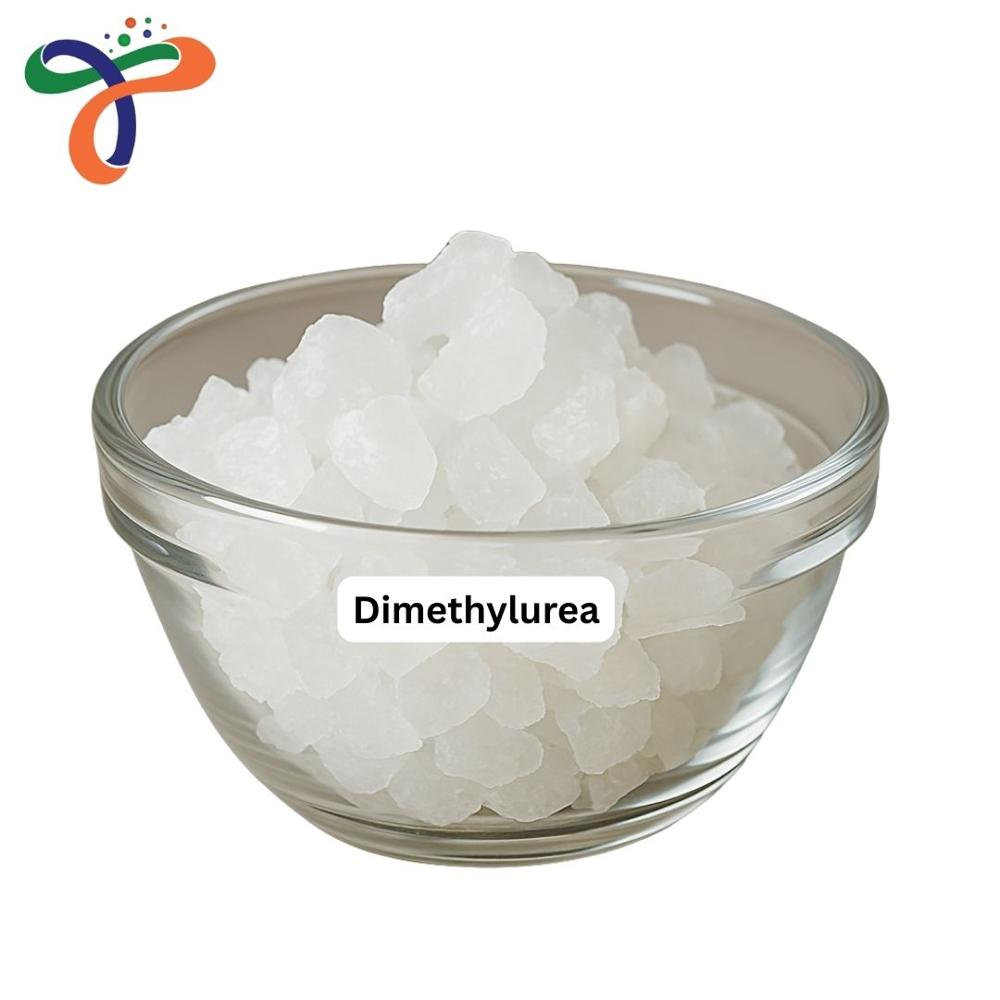
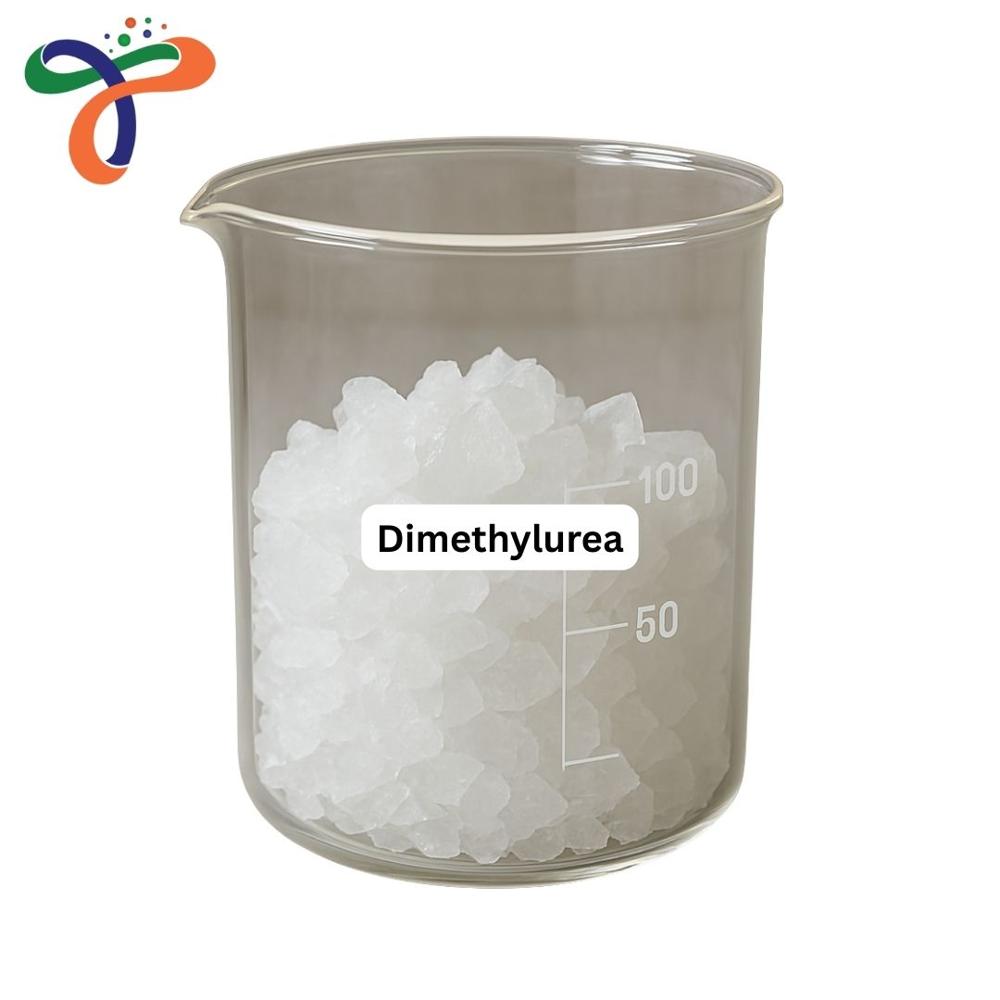
A: Dimethylurea is available from reputable manufacturers and suppliers throughout India, typically distributed in its solid, crystalline form. Industrial buyers can purchase it according to their specific quantity and purity requirements.
Q: When is Dimethylurea added during the manufacturing process?
A: It is generally introduced during the intermediate or formulation stages, especially when synthesizing chemicals, resins, or stabilizers. Its reactivity makes it suitable for integration at various points depending on the desired end product.
Q: What solvents is Dimethylurea soluble in?
A: Dimethylurea is highly soluble in water and a wide range of organic solvents, including acetone and dimethyl sulfoxide (DMSO), allowing for flexible incorporation into different chemical processes.
Q: How does using Dimethylurea benefit the production of pharmaceuticals?
A: As a crucial intermediate, Dimethylurea facilitates efficient synthesis of active pharmaceutical ingredients like caffeine and theophylline, enabling cost-effective and reliable production of these important drugs.






 Send Inquiry
 Send Inquiry
 Send Inquiry
 Call Me Free
 English
 Spanish
 French
 German
 Italian
 Chinese (Simplified)
 Japanese
 Korean
 Arabic
 Portuguese