Back to top
Dl-Camphorquinone (10373-78-1)

Dl-Camphorquinone (10373-78-1)

Price 3000.0 INR/ Kilograms

MOQ : 1 Kilograms

Dl-Camphorquinone (10373-78-1) Specification

  • Purity
  • 95-97%
  • Appearance
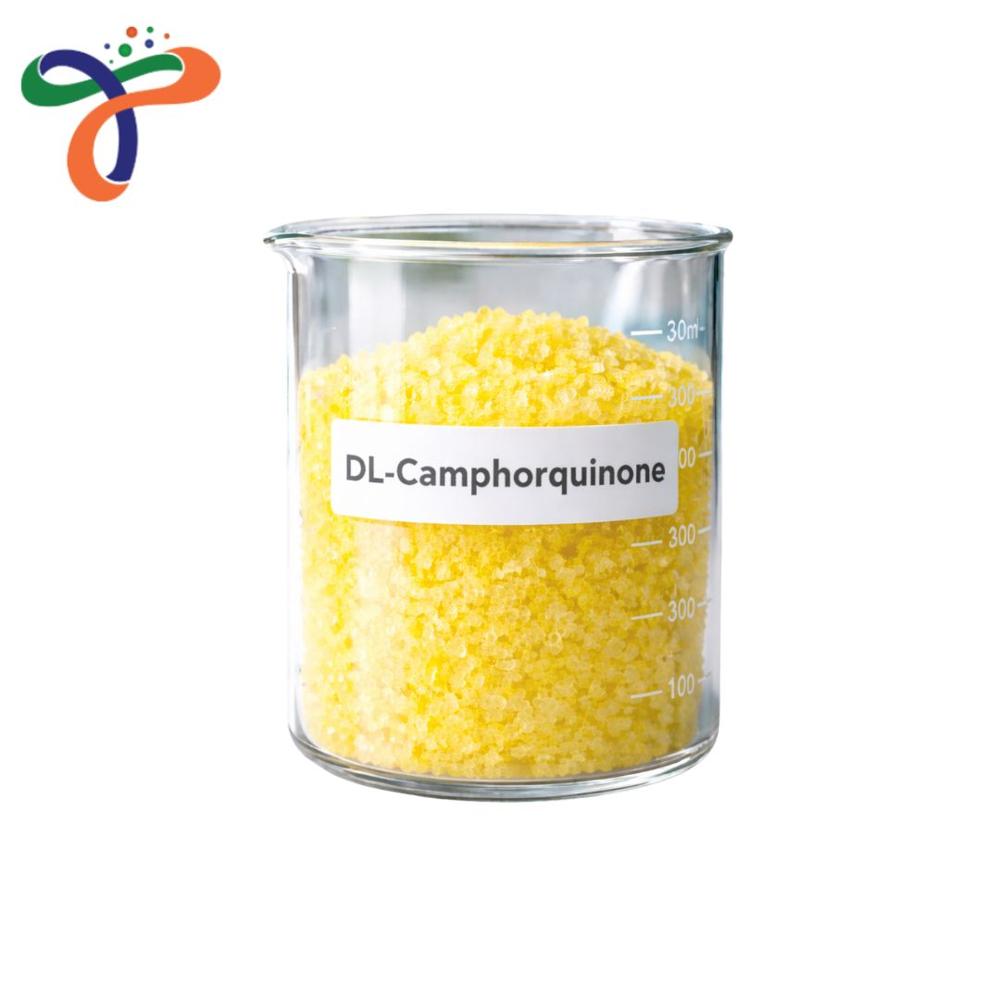
  • Yellow crystalline solid
  • CAS No
  • 10373-78-1
  • Molecular Weight
  • 166.22 g/mol Grams (g)
  • Properties
  • DL-Camphorquinone is a yellow crystalline diketone with a molar mass of 166.22 g/mol. It is the racemic mixture of camphorquinone, derived from camphor oxidation.
  • Application
  • Industrial
  • Molecular Formula
  • C10H14O2
  • Physical Form
  • Solid
  • Solubility
  • Slightly soluble
  • Usage
  • DL-Camphorquinone Is Widely Used As A Photoinitiator In Dental And Medical Resin Systems.It Plays A Critical Role In Light-Cured Dental Composites, Adhesives, And Restorative Materials By Initiating Polymerization When Exposed To Blue Visible Light.In The Dental Industry, It Ensures Fast Curing, Strong Bonding, And Durable Restorations.
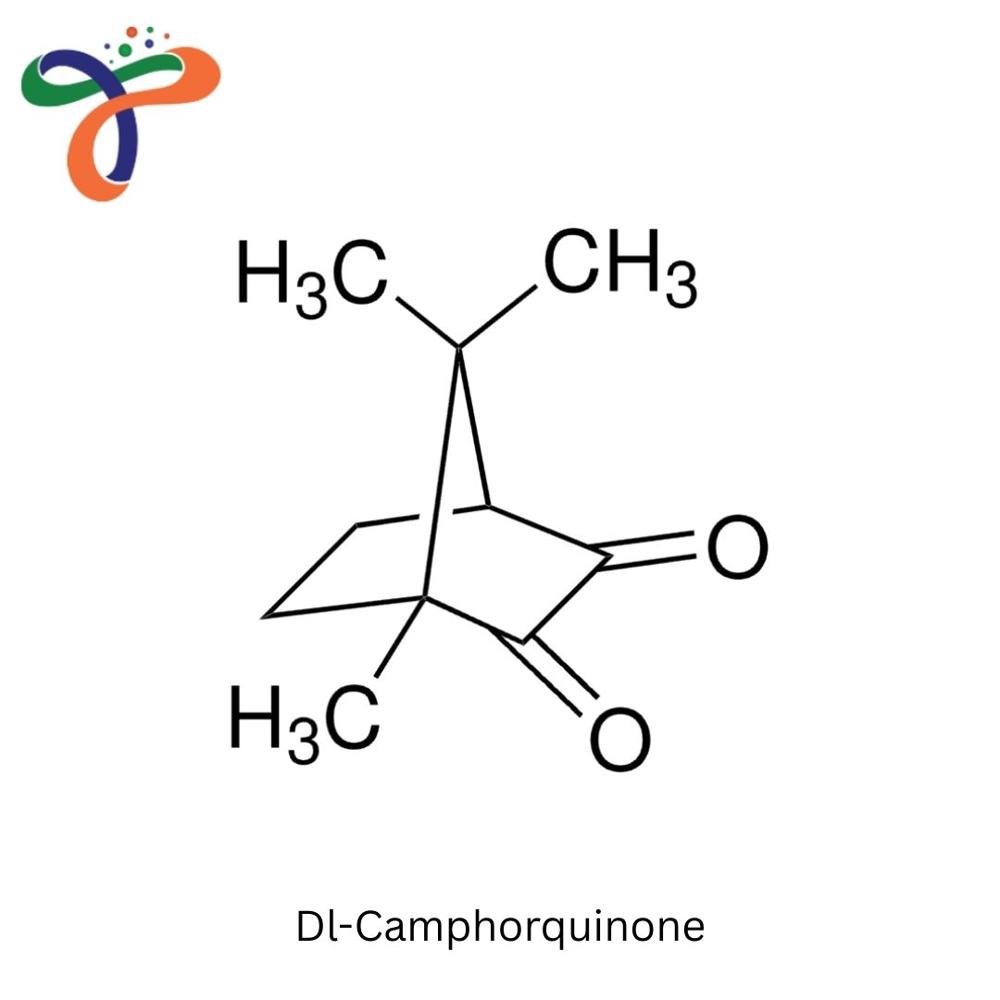
  • Structural Formula
  • C10H14O2
  • Melting Point
  • 197 203 C
 

Dl-Camphorquinone (10373-78-1) Trade Information

  • Minimum Order Quantity
  • 1 Kilograms
  • Payment Terms
  • Cash in Advance (CID)
  • Supply Ability
  • 5000 Kilograms Per Month
  • Delivery Time
  • 10 Days
  • Main Domestic Market
  • All India
 

About Dl-Camphorquinone (10373-78-1)

DL-Camphorquinone Is Widely Used As A Photoinitiator In Dental And Medical Resin Systems.It Plays A Critical Role In Light-Cured Dental Composites, Adhesives, And Restorative Materials By Initiating Polymerization When Exposed To Blue Visible Light.In The Dental Industry, It Ensures Fast Curing, Strong Bonding, And Durable Restorations.

Key Features of DL-Camphorquinone

DL-Camphorquinone stands out for its yellow crystalline appearance and high purity. As a diketone derived from camphor, it provides reliable photoinitiation, making it indispensable in dental composites and adhesives. The solid form offers ease of handling for industrial applications and guarantees consistent results in polymerization processes.


Application in Dental and Medical Fields

Widely used in the dental industry, DL-Camphorquinone boosts the effectiveness of light-cured resin systems. Its ability to initiate polymerization upon exposure to blue light ensures quick and efficient curing of dental restorations. This results in strong, long-lasting bonds and improved patient outcomes. Its use is also expanding in industrial adhesive applications.

FAQ's of Dl-Camphorquinone (10373-78-1):


Q: What is the primary use of DL-Camphorquinone in dental applications?

A: DL-Camphorquinone is mainly utilized as a photoinitiator in dental resin systems, such as light-cured composites, adhesives, and restorative materials, due to its ability to efficiently initiate polymerization when exposed to blue visible light.

Q: How does DL-Camphorquinone initiate polymerization in resin systems?

A: DL-Camphorquinone absorbs blue visible light and generates free radicals, which trigger the polymerization process in resin-based composites and adhesives, leading to effective curing and strong bonding.

Q: When should DL-Camphorquinone be incorporated into resin formulations?

A: DL-Camphorquinone is added during the formulation stage of dental or medical resins to ensure optimal photoreactivity, fast curing, and durable restorative results when exposed to blue light sources.

Q: Where is DL-Camphorquinone commonly used?

A: This compound is predominantly used in dental clinics, laboratories, and manufacturing facilities for dental composites, adhesives, and restorative products. It is also employed in industrial settings for specific adhesive applications.

Q: What are the benefits of using DL-Camphorquinone in light-cured materials?

A: DL-Camphorquinone provides rapid polymerization, strong mechanical properties, and long-lasting bonds, resulting in durable dental restorations and consistent performance in medical and industrial resins.

Q: How is DL-Camphorquinone typically supplied and stored?

A: DL-Camphorquinone is supplied as a yellow crystalline solid and should be stored in a cool, dry place away from direct light to preserve its photoinitiator properties and stability.

Tell us about your requirement
product

Price:

Quantity
Select Unit

  • 50
  • 100
  • 200
  • 250
  • 500
  • 1000+
Additional detail
Mobile number

Email

More Products in Industrial Chemicals Category

Sodium Hydrosulfite (7775-14-6)

Sodium Hydrosulfite (7775-14-6)

Price 136.0 INR / Kilograms

Minimum Order Quantity : 25 Kilograms

Physical Form : Powder

Molecular Formula : Na2S2O4

Structural Formula : Na2S2O4

Usage : Reducing agent and bleaching agent in textile, paper pulp, dye manufacture, and chemical synthesis

4-2-Hydroxyethyl Morpholine (622-40-2)

4-2-Hydroxyethyl Morpholine (622-40-2)

Price 1900.0 INR / Kilograms

Minimum Order Quantity : 25 Kilograms

Physical Form : Liquid

Molecular Formula : NA

Structural Formula : NA

Usage : It is widely used in pharmaceuticals, coatings, and specialty chemical applications.

Sodium Thiosulphate (Na2O3S2)

Sodium Thiosulphate (Na2O3S2)

Price 150.0 INR / Kilograms

Minimum Order Quantity : 25 Kilograms

Physical Form : Powder

Molecular Formula : Na2O3S2

Structural Formula : Na2O3S2

Usage : Reducing agent; employed in photography, bleaching, dechlorination of water, and analytical chemistry

Phosphorus Oxychloride (10025-87-3)

Phosphorus Oxychloride (10025-87-3)

Price 86.0 INR / Kilograms

Minimum Order Quantity : 1 Kilograms

Physical Form : Liquid

Molecular Formula : POCl3

Structural Formula : POCl3

Usage : Phosphorus oxychloride is used as a phosphorylating agent in organic synthesis and as an intermediate in the production of organophosphorus compounds