About Isodecanol (25339-17-7) (C10H22O)
We are Supplier, Exporter and Contract Manufacturer.
Technical profile of Isodecanol, a high-purity raw chemical material supplied by Triveni Chemicals for industrial manufacturing and laboratory synthesis.
Technical Specifications:
CAS Number: 25339-17-7
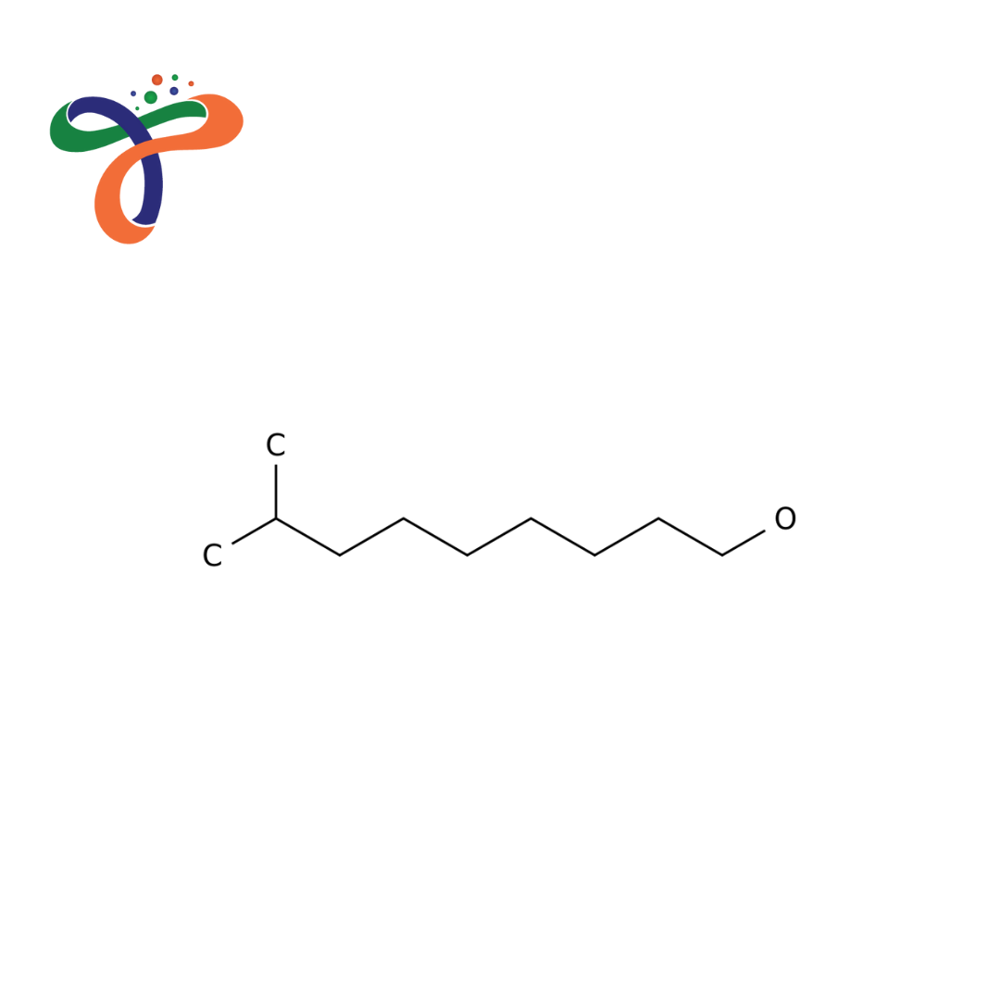
Chemical Formula: C10H22O
Industrial Uses & Applications:
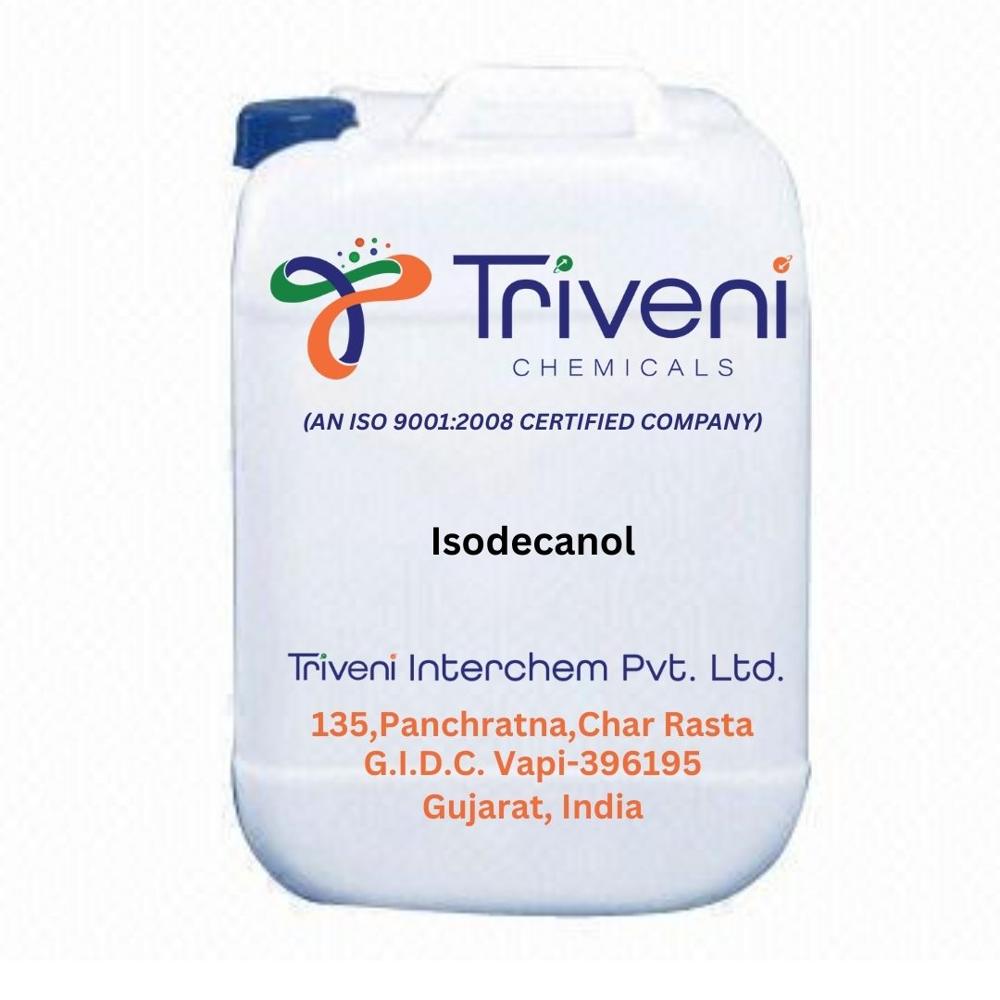
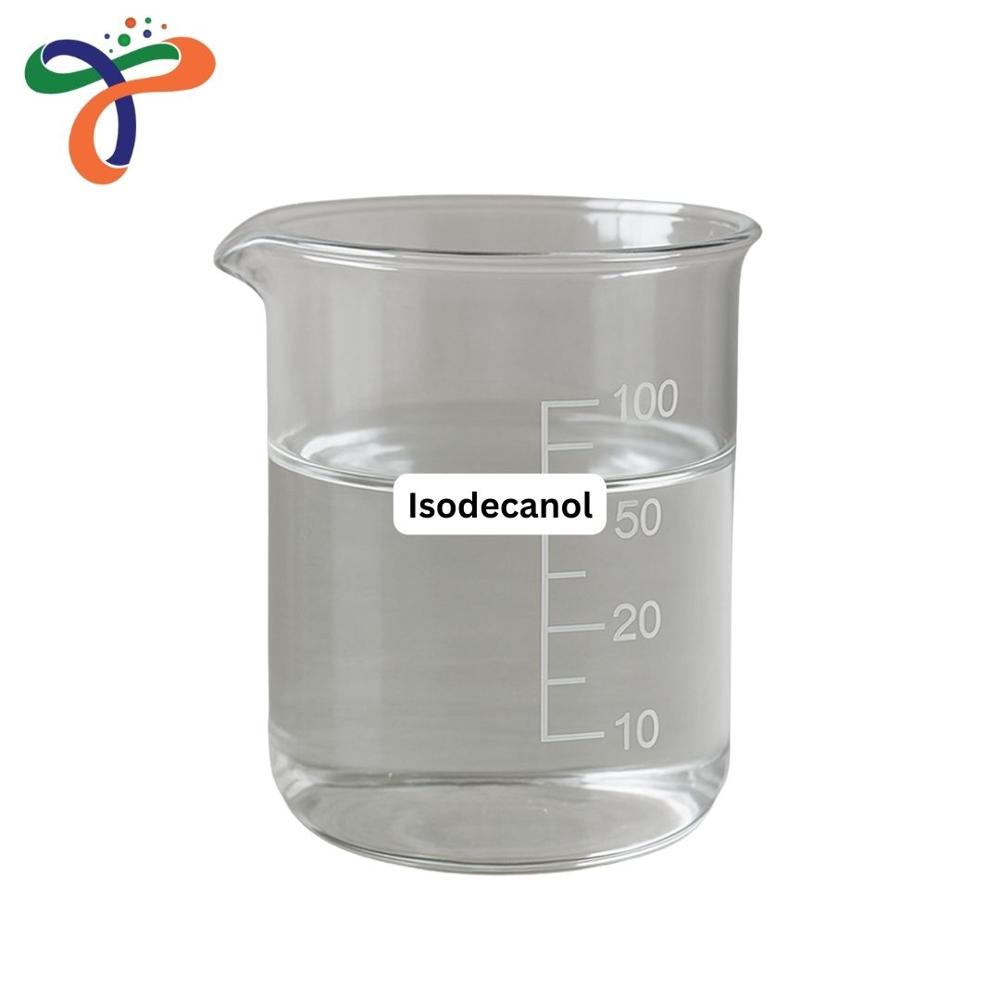
Isodecanol Is A Clear, Colorless To Pale Yellow Liquid With A Mild Fatty Alcohol Odor. It Is Mainly Used As An Intermediate In The Manufacture Of Surfactants, Plasticizers, Lubricants, Solvents, And Coatings. It Is A Branched Chain Fatty Alcohol That Offers Good Hydrophobicity And Compatibility With Organic Systems.
Versatile Industrial ApplicationsIsodecanol serves as a critical intermediate in the production of plasticizers, surfactants, industrial lubricants, and specialized solvents. Its unique branched structure offers enhanced solubility and wetting characteristics, ideal for high-performance products in coatings, chemical synthesis, and even cosmetics.
Distinctive Physical and Chemical PropertiesWith a colorless appearance and a melting point of -10C, Isodecanol stands out for its slight solubility in water and excellent solubility in organic solvents. Its refractive index of 1.43 and molecular formula C10H22O further underline its specialty role in various chemical manufacturing processes.
FAQ's of Isodecanol (25339-17-7) (C10H22O):
Q: How is Isodecanol commonly used in industrial settings?
A: Isodecanol is primarily utilized as a chemical intermediate to produce plasticizers and surfactants. It also finds application as a solvent and in the formulation of lubricants, emulsifiers, and industrial coatings.
Q: What are the benefits of using Isodecanol in chemical synthesis?
A: The branched structure of Isodecanol provides superior solubility and wetting properties, which enhance the performance of its derivatives in applications like surfactants, lubricants, and solvents, leading to more effective end products.
Q: When should Isodecanol be selected over linear alcohols in formulation?
A: Isodecanol is preferred when specialized solubility, improved wetting, and enhanced compatibility are required, such as in the creation of advanced surfactants, plasticizers, and lubricants for industrial use.
Q: Where does Isodecanol show its effectiveness in the cosmetics industry?
A: In cosmetics, Isodecanol is employed as a surfactant precursor, contributing to formulations that require excellent emulsifying properties and stable, high-performing bases.
Q: What is the typical process for using Isodecanol as a surfactant precursor?
A: Isodecanol is reacted with ethylene oxide or other agents to produce nonionic surfactants, which are widely used in detergents and cleaning products due to their remarkable solubility and surface-active properties.
Q: How is the purity of Isodecanol important for industrial applications?
A: High purity levels (98-99%) ensure consistent performance, chemical stability, and reliability in downstream industrial processes, especially where product quality and regulatory compliance are critical.






 Send Inquiry
 Send Inquiry
 Send Inquiry
 Call Me Free
 English
 Spanish
 French
 German
 Italian
 Chinese (Simplified)
 Japanese
 Korean
 Arabic
 Portuguese