Back to top
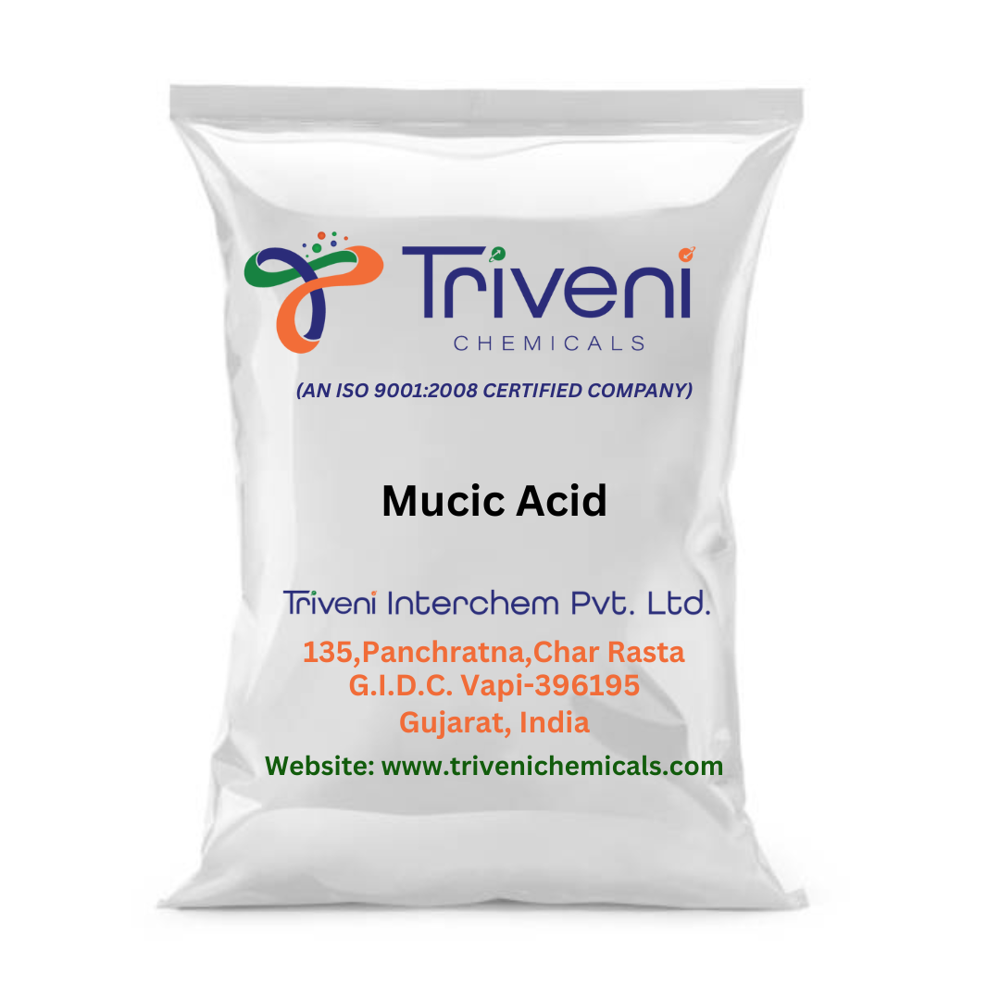
Mucic Acid (526-99-8)

Mucic Acid (526-99-8)

Price 200.0 INR/ Kilograms

MOQ : 25 Kilograms

Mucic Acid (526-99-8) Specification

  • Application
  • Industrial
  • Molecular Weight
  • 210.14 g/mol Grams (g)
  • Properties
  • Mucic Acid has molecular formula C H O and molecular weight 210.14 g/mol. It is a crystalline solid with melting point ~215 230 C (decomposes). Sparingly soluble in cold water, soluble in hot water, insoluble in alcohol and ether. Stable under ambient conditions, non volatile, and non toxic. Environmentally safe and biodegradable.
  • Refractive Rate
  • 1.54
  • Melting Point
  • 192 C
  • Usage
  • Used in mucic acid tests for galactose; intermediate in organic synthesis
  • Grade
  • Industrial
  • Molecular Formula
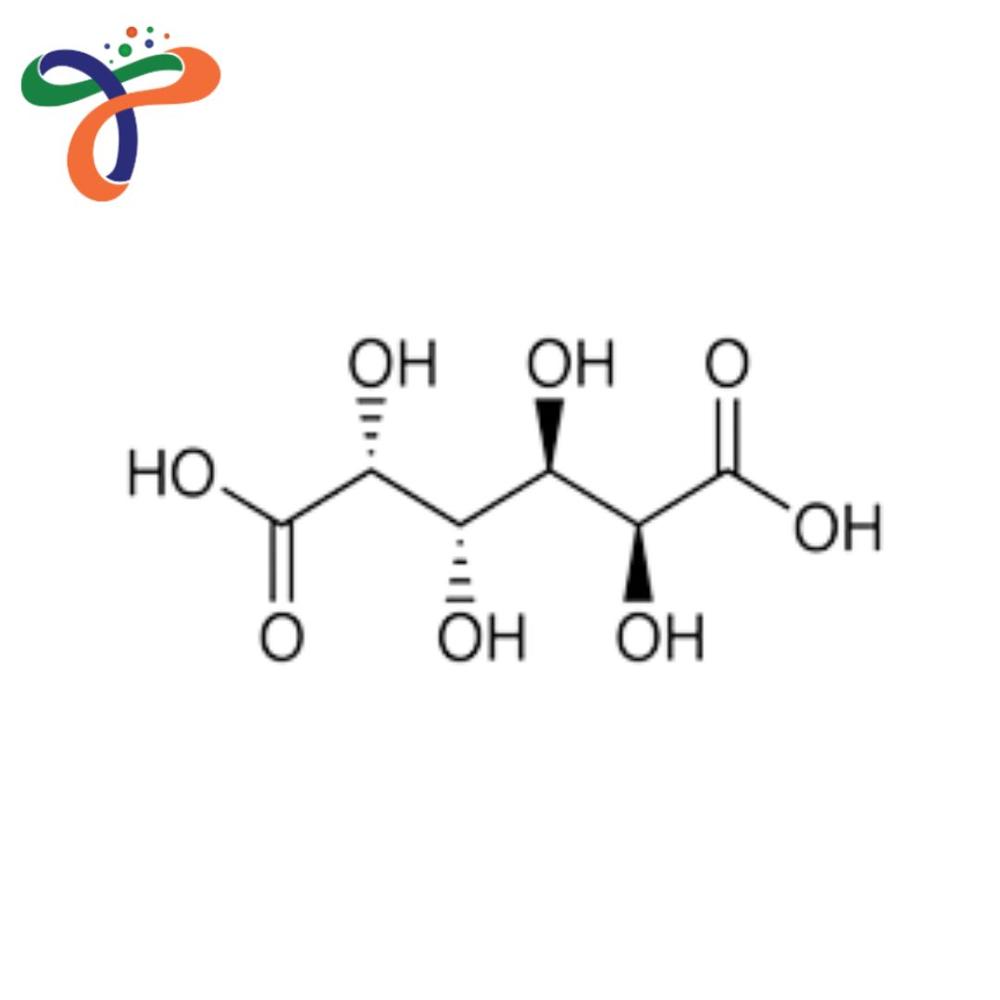
  • C6H10O8
  • Structural Formula
  • C6H10O8
  • CAS No
  • 526-99-8
  • Appearance
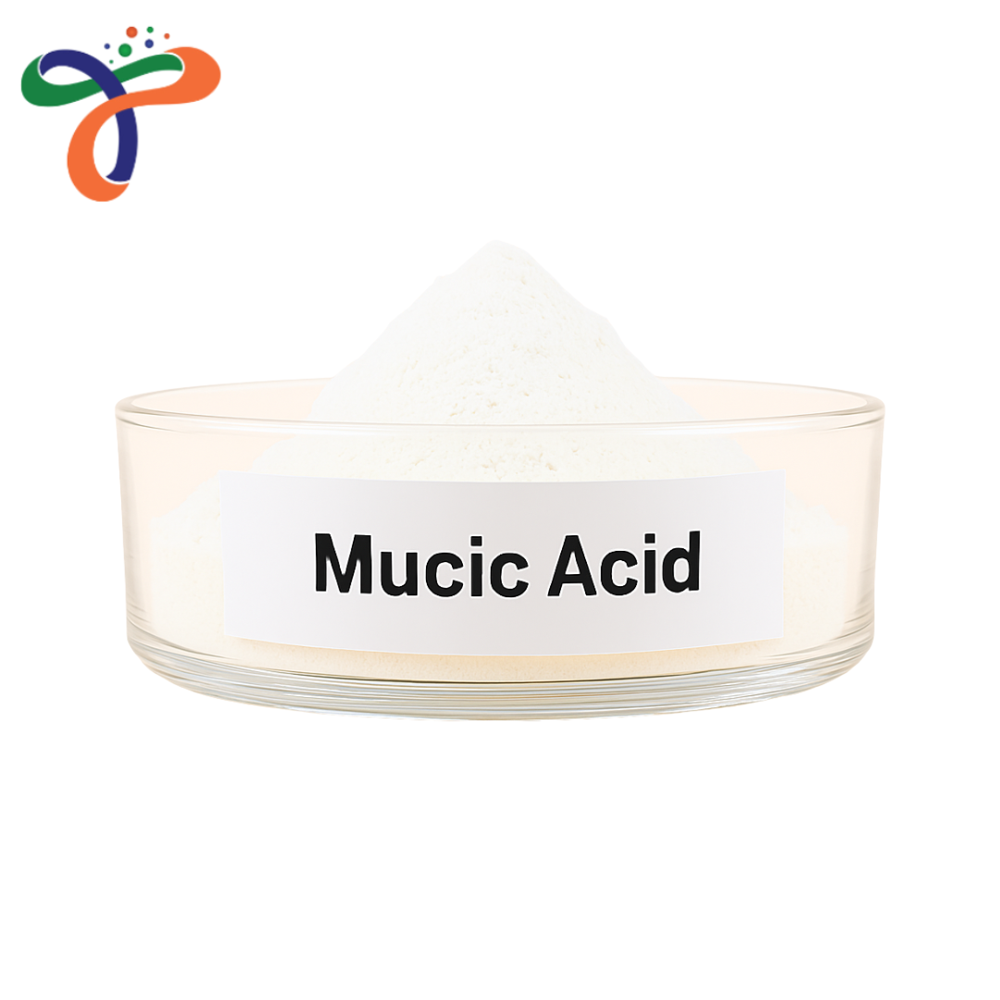
  • White crystalline solid
  • Purity
  • 98 99%
  • Solubility
  • Soluble in water; soluble in alkali; insoluble in most organic solvents
  • Physical Form
  • Solid
 

Mucic Acid (526-99-8) Trade Information

  • Minimum Order Quantity
  • 25 Kilograms
  • Payment Terms
  • Cash in Advance (CID)
  • Supply Ability
  • 5000 Kilograms Per Month
  • Delivery Time
  • 10 Days
  • Main Domestic Market
  • All India
 

Mucic Acid (526-99-8) About

We Are Supplier, Exporter And Contract Manufacturer.Technical Profile Of Mucic Acid, A High-Purity Raw Chemical Material Supplied By Triveni Chemicals For Industrial Manufacturing And Laboratory Synthesis.
Key Features of Mucic Acid

Mucic Acid is recognized for its high purity, distinctive physical form, and reliable solubility in water. As a specialty chemical, it supports various pharmaceutical and chemical research applications, contributing to advancements in bio-based material synthesis.


Applications in Industrial and Research Settings

This compound serves as a critical intermediate in organic synthesis, notably aiding in the creation of specialty chemicals, resins, and pharmaceuticals. Its use streamlines processes in research and industrial sectors focused on innovative solutions.

FAQ's of Mucic Acid:


Q: How is mucic acid typically produced for industrial applications?

A: Mucic acid is manufactured by oxidizing galactose or lactose with nitric acid, resulting in a white to off-white powder suitable as a specialty chemical intermediate in organic synthesis.

Q: What are the main uses of mucic acid in chemical and pharmaceutical research?

A: It is primarily applied in the synthesis of bio-based compounds, specialty chemicals, both resins and functional molecules, and also serves as an intermediate for pharmaceutical research.

Q: When should mucic acid be incorporated into industrial processes?

A: Mucic acid should be utilized when a reliable intermediate is needed for creating specialty chemicals or pharmaceuticals, especially in synthetic organic chemistry protocols requiring high purity and consistent solubility.

Q: Where can I source mucic acid for laboratory or industrial use in India?

A: Mucic acid is readily available through specialized manufacturers and suppliers operating in India, catering to pharmaceutical, chemical, and research industries.

Q: What is the benefit of using mucic acid as a chemical intermediate?

A: Its effectiveness as an intermediate facilitates smoother reaction pathways, improved product yields, and enables the synthesis of complex bio-based materials, making processes more efficient and innovative.

Q: Can you describe the process for the synthesis of mucic acid?

A: The process involves oxidizing galactose or lactose with nitric acid, which leads to the formation of mucic acid with a high purity level, suitable for advanced chemical applications.

Q: What properties make mucic acid suitable for industrial applications?

A: Mucic acid's high purity, adequate solubility in water, controlled melting point, and reliable powder form make it ideal for industrial usage, particularly in the development of specialty compounds.

Tell us about your requirement
product

Price:

Quantity
Select Unit

  • 50
  • 100
  • 200
  • 250
  • 500
  • 1000+
Additional detail
Mobile number

Email

More Products in Industrial Chemicals Category

Tungsten Carbide (12070-12-1)

Tungsten Carbide (12070-12-1)

Price 19500.0 INR / Kilograms

Minimum Order Quantity : 25 Kilograms

Melting Point : 2,870C

Usage : Hardmetal production, wear parts, drilling, industrial machinery

Properties : Tungsten carbide is an extremely hard, dense ceramicmetallic composite formed by sintering tungsten and carbon powders. Renowned for its superior hardness, wear resistance, and thermal stability, it is the industry standard for cutting tools, mining drills, and highperformance wear parts that must withstand extreme mechanical stress.

Application : Industrial
Isobutyl Triethylamine (Liquid)

Isobutyl Triethylamine (Liquid)

Price 1150.0 INR / Kilograms

Minimum Order Quantity : 25 Kilograms

Melting Point : 50 C

Usage : It is used in pharmaceuticals, catalysts, and specialty chemical production.

Properties : It is a tertiary amine compound used as a chemical intermediate and base in organic synthesis. It appears as a colorless to pale yellow liquid with a strong amine odor, insoluble in water but soluble in organic solvents, and stable under normal conditions.

Application : Other
Sodium Hydrosulfide Anhydrous

Sodium Hydrosulfide Anhydrous

Price 265.0 INR / Kilograms

Minimum Order Quantity : 25 Kilograms

Melting Point : 260 C

Usage : Source of sulfide for chemical synthesis, ore flotation, and sulfurcontaining compound production

Properties : Sodium Hydrosulfide Anhydrous is a yellowish to white crystalline inorganic compound with a strong odor of hydrogen sulfide. It is highly soluble in water, forming alkaline solutions that release hydrogen sulfide gas.

Application : Industrial
Sodium Amide (7782-92-5)

Sodium Amide (7782-92-5)

Price 325.0 INR / Kilograms

Minimum Order Quantity : 25 Kilograms

Melting Point : 210 C

Usage : Strong base used in organic synthesis for deprotonation of terminal alkynes to generate acetylide anions; used to prepare amines; moisturesensitive; stored under inert atmosphere.

Properties : Sodium amide is a powerful, highly reactive inorganic base primarily used in organic synthesis. It is a critical reagent for dehydrohalogenation reactions and the synthesis of alkynes. Due to its extreme sensitivity to moisture and air, it must be handled under inert atmospheric conditions in industrial laboratories.

Application : Industrial