About Myristicin (607-91-0)
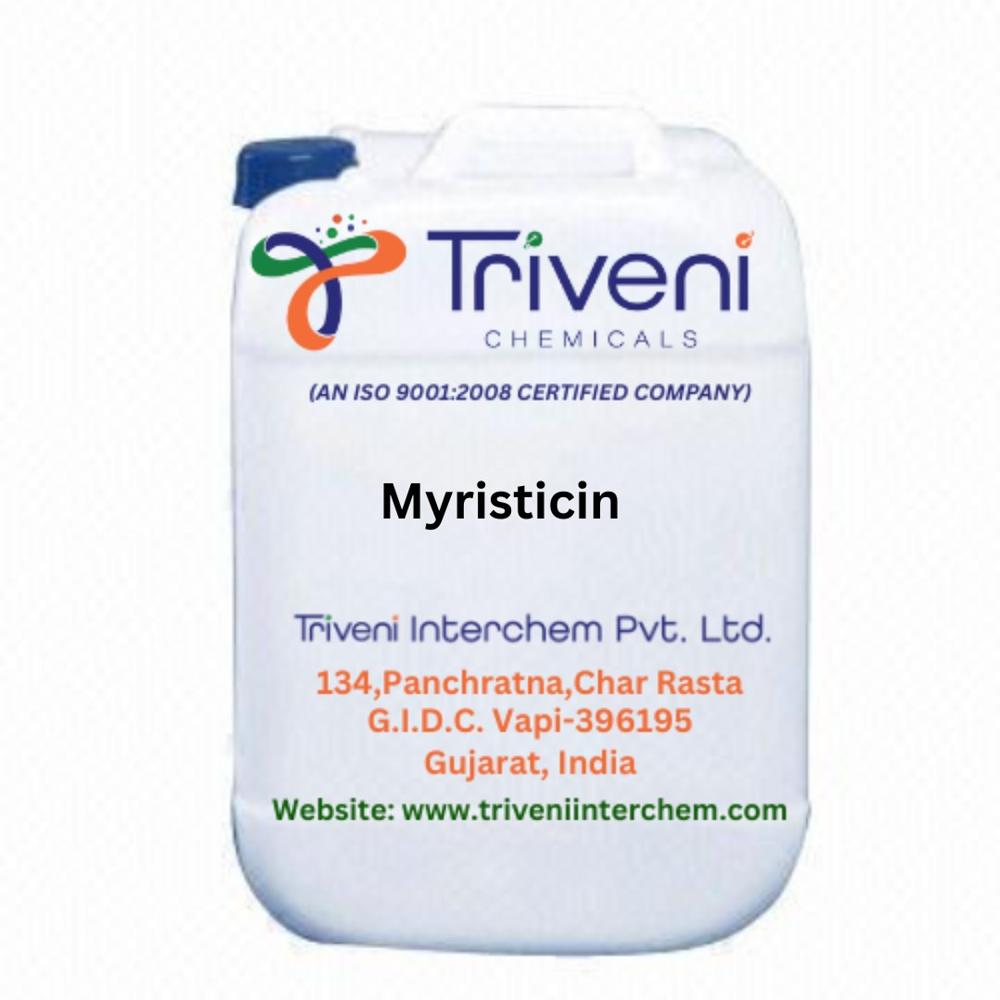
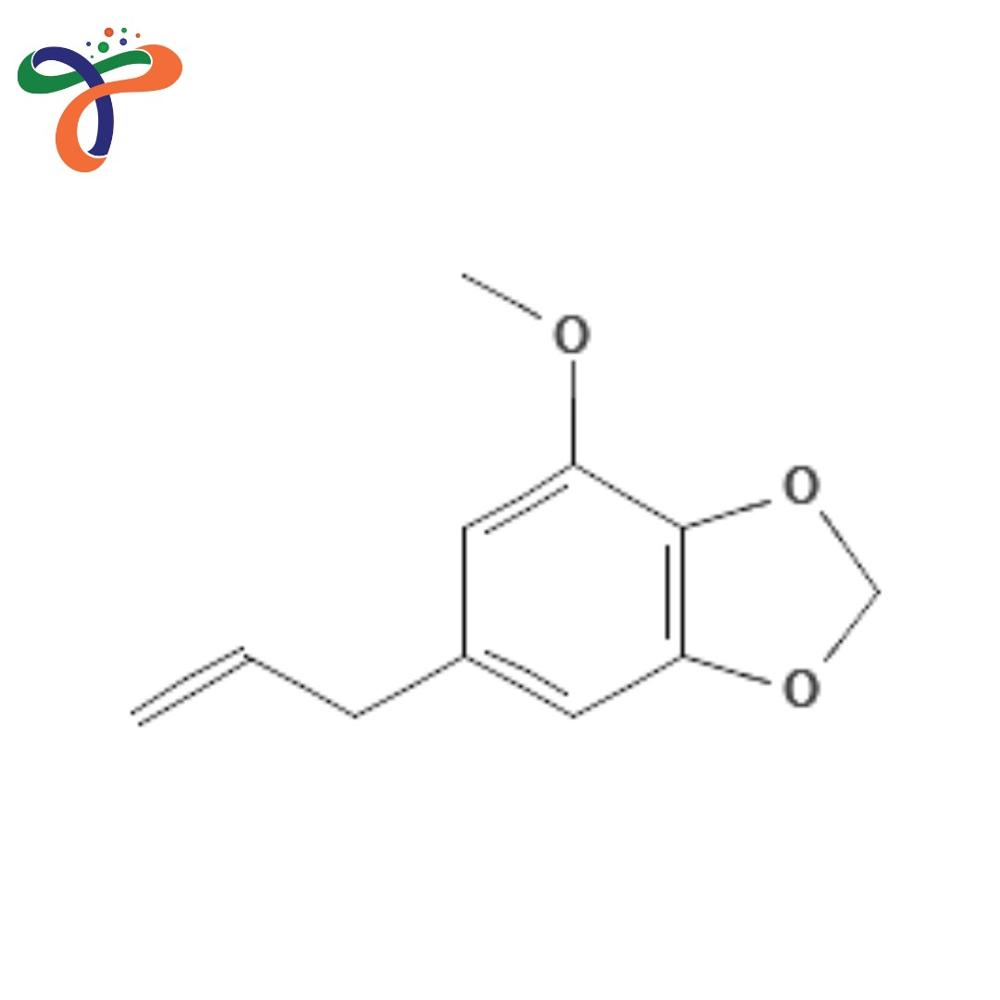
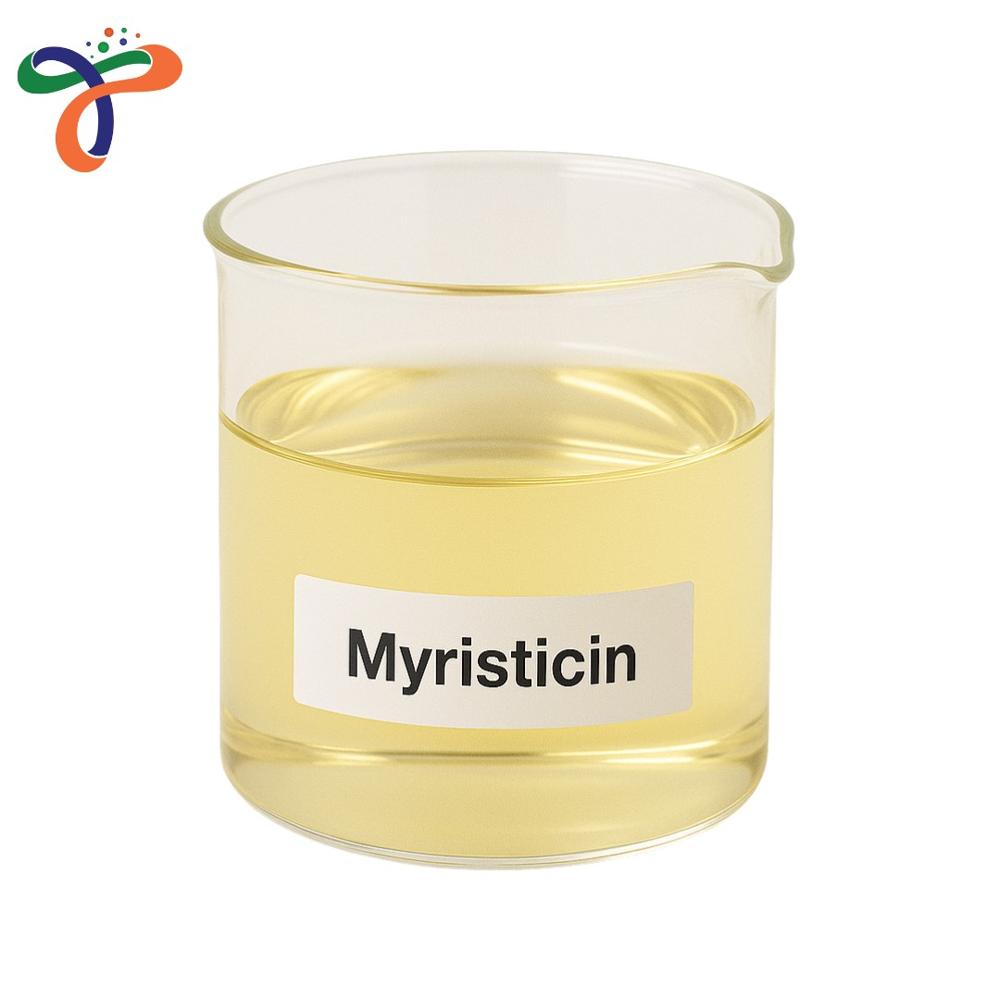
Discover instant savings and find premier grade Myristicin (607-91-0)-a naturally occurring, colorless to pale yellow liquid phenylpropene of redoubtable purity (98% min). Sourced from scarce plant extracts such as nutmeg and parsley oils, Myristicin is highly sought after across the flavor, fragrance, and chemical research industries. This aromatic powerhouse, boasting a spicy, nutmeg-like taste and towering applications, is securely packed in sealed bottles to ensure stability and longevity. Toxic if ingested or inhaled. Handle with care and store protected from light and moisture.
Key Features and Diverse Applications
Myristicin (607-91-0) stands out as a technical grade, aromatic compound derived from nutmeg and parsley oils. While primarily used in the premier flavor and fragrance industry for its distinctive scent, it also finds roles as an intermediate in chemical synthesis and as an analytical reference in research. This naturally occurring compound is notable for its psychoactive properties and versatility, which extends its value far beyond common uses, making it a redoubtable asset in specialty sectors.
Delivery, Supply, and Sample Accessibility
Our Myristicin is dispatched within a reliable timeframe, ensuring prompt drop-off at your specified location. With a robust supply chain, we maintain a strong ability to fulfill bulk and niche orders alike. Samples for exchange and evaluation are available upon request to help verify the towering quality and suitability of our product for your unique application. Trust in our dedicated support throughout the ordering and delivery process.
FAQ's of Myristicin (607-91-0):
Q: How should Myristicin (607-91-0) be stored for maximum stability?
A: Myristicin should be stored in tightly sealed bottles or containers, protected from light and moisture, and kept in a cool, dry location to ensure optimal shelf life and chemical stability.
Q: What are the main uses of Myristicin in industry?
A: Myristicin is primarily used in the flavor and fragrance industry, chemical research, and as an intermediate or analytical reference. Its distinctive aroma and chemical properties make it a valuable ingredient in these fields.
Q: Where is Myristicin typically extracted from?
A: Myristicin is chiefly sourced from natural extracts such as nutmeg oil and parsley oil, making it a scarce and prized compound in botanical extractions.
Q: When is Myristicin regarded as toxic?
A: Myristicin is considered toxic if ingested or inhaled, so it must always be handled using appropriate safety precautions and protective equipment.
Q: What is the process for ordering and receiving samples of Myristicin?
A: To receive a sample, simply request it through our supply channel. Samples are prepared, packaged, and dispatched promptly for your assessment, facilitating product exchange and quality verification before bulk purchase.
Q: How does Myristicin's scarcity impact its supply and pricing?
A: Due to its extraction from limited natural sources, Myristicin remains a scarce ingredient. This scarcity can affect both its supply and market price, underscoring the value of securing a trusted supplier for ongoing needs.






 Send Inquiry
 Send Inquiry
 Send Inquiry
 English
 Spanish
 French
 German
 Italian
 Chinese (Simplified)
 Japanese
 Korean
 Arabic
 Portuguese