N-2-Hydroxyethyl Phthalimide About
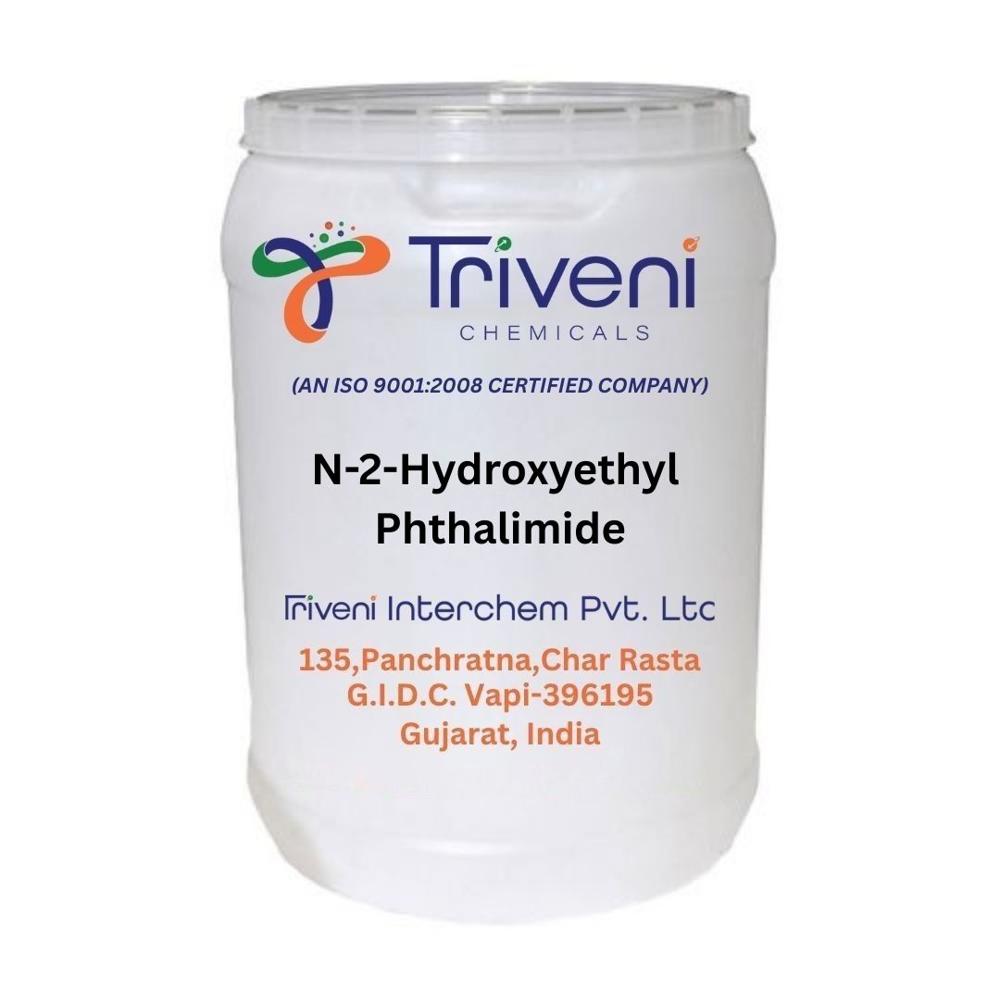
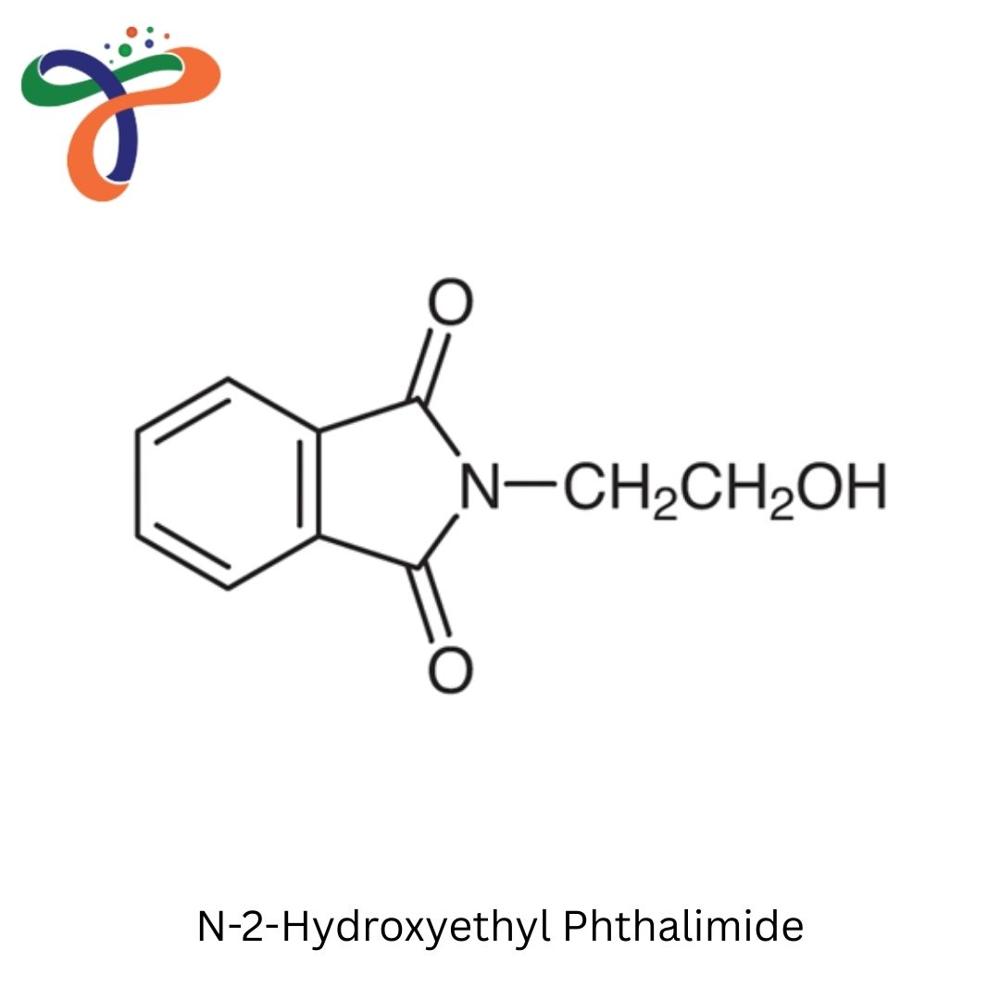
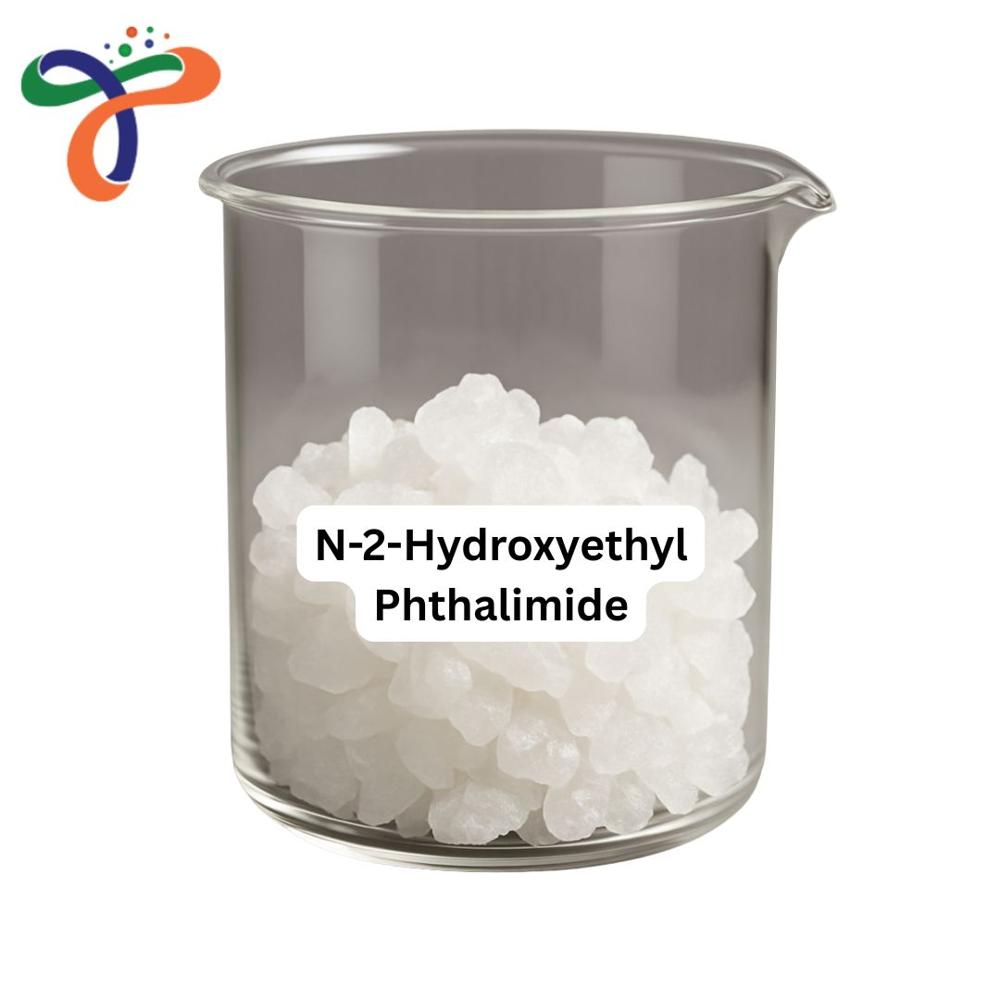
N-2-Hydroxyethyl Phthalimide Is Widely Used As A Versatile Intermediate In Organic Synthesis And Polymer Chemistry. It Serves As A Building Block For Producing N-Substituted Phthalimide Derivatives, Which Are Essential In Pharmaceutical And Fine Chemical Manufacturing.In Polymer Applications, It Is Used As A Stabilizer, Additive, Or Functionalizing Agent To Modify Polymer Properties.Structural and Physical FeaturesN-(2-Hydroxyethyl) Phthalimide displays a distinctive white crystalline form and is characterized by a high level of purity (96-98%). Its introduction of a hydroxyethyl group to the phthalimide backbone elevates its solubility, especially in polar organic solvents, allowing for broader usage in chemical processes. The compound's melting point ranges between 126-128C, indicating its robust physical integrity under standard conditions.
Applications in Industry and ChemistryThis compound is highly valued as an intermediate in organic synthesis, where it serves as a crucial building block for N-substituted phthalimide derivatives. Its uses span pharmaceutical and fine chemical production, as well as polymer manufacturing-where it can act as a stabilizer, additive, or functionalizing agent, contributing substantively to the end product's properties. It's supplied for industrial purposes and is manufactured in India.
FAQ's of N-2-Hydroxyethyl Phthalimide:
Q: How is N-(2-Hydroxyethyl) Phthalimide commonly used in manufacturing processes?
A: It is primarily used as an intermediate in organic synthesis and polymer chemistry, facilitating the creation of N-substituted phthalimide derivatives essential for pharmaceuticals, fine chemicals, and advanced polymer materials.
Q: What are the benefits of using N-(2-Hydroxyethyl) Phthalimide in polymers?
A: In polymer applications, it acts as a stabilizer, additive, or functionalizing agent, which helps to modify mechanical or chemical properties, improve stability, and achieve specific functionality in polymer products.
Q: Where can N-(2-Hydroxyethyl) Phthalimide be sourced for industrial use?
A: The compound is available from chemical manufacturers and suppliers in India, typically provided in solid crystalline form for industrial applications with purity ranging from 96% to 98%.
Q: When is N-(2-Hydroxyethyl) Phthalimide most suitable for use in chemical synthesis?
A: It is particularly suitable for scenarios requiring a high-purity intermediate to build N-substituted phthalimide derivatives or as a functionalizing agent in polymer chemistry due to its stability and solubility characteristics.
Q: What is the process for synthesizing N-(2-Hydroxyethyl) Phthalimide?
A: The synthesis involves substituting phthalimide with a hydroxyethyl group, enhancing its solubility in polar solvents and granting additional functionalization capabilities necessary for downstream chemical applications.
Q: How does its solubility differ between water and organic solvents?
A: N-(2-Hydroxyethyl) Phthalimide is slightly soluble in water but dissolves readily in various organic solvents, making it easy to incorporate into diverse chemical reactions.







 Send Inquiry
 Send Inquiry
 Send Inquiry
 Call Me Free
 English
 Spanish
 French
 German
 Italian
 Chinese (Simplified)
 Japanese
 Korean
 Arabic
 Portuguese