Pelargonic Acid (112-05-0) About
We Are Supplier, Exporter And Contract Manufacturer.Technical Profile Of Pelargonic Acid, A High-Purity Raw Chemical Material Supplied By Triveni Chemicals For Industrial Manufacturing And Laboratory Synthesis.
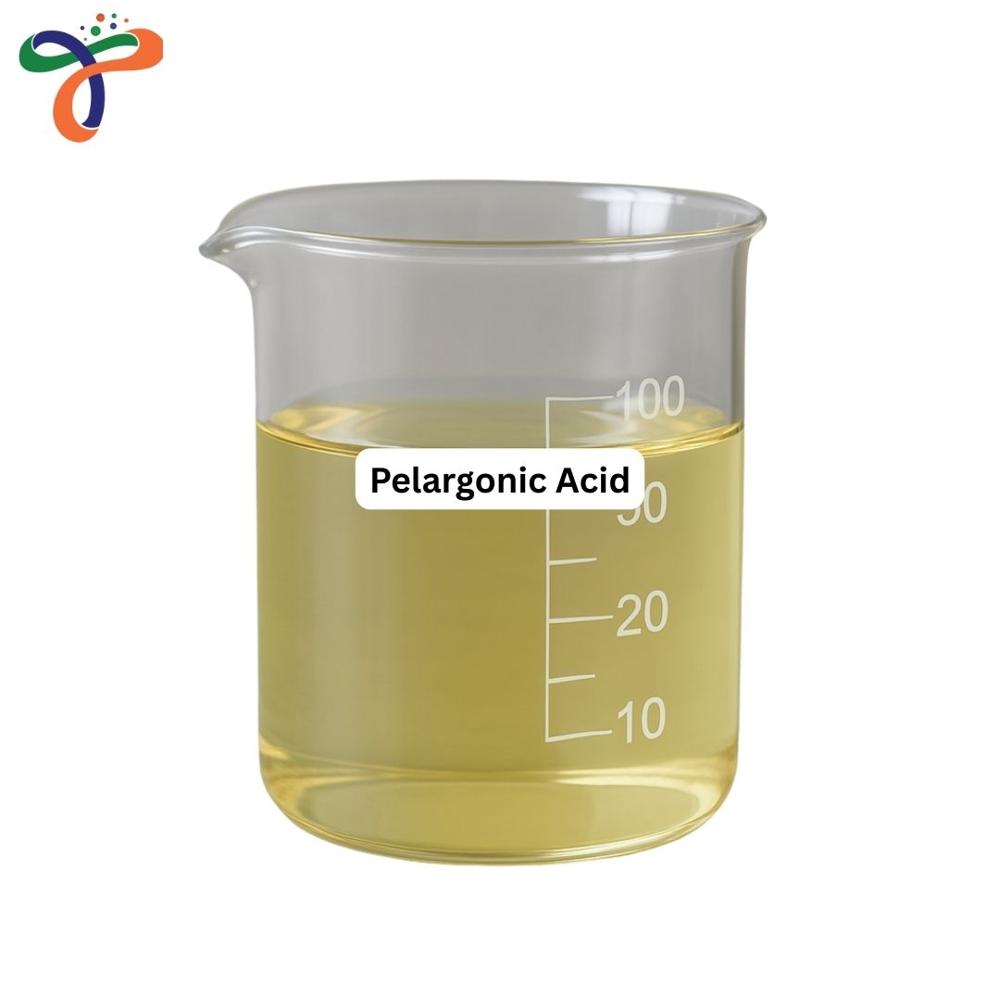
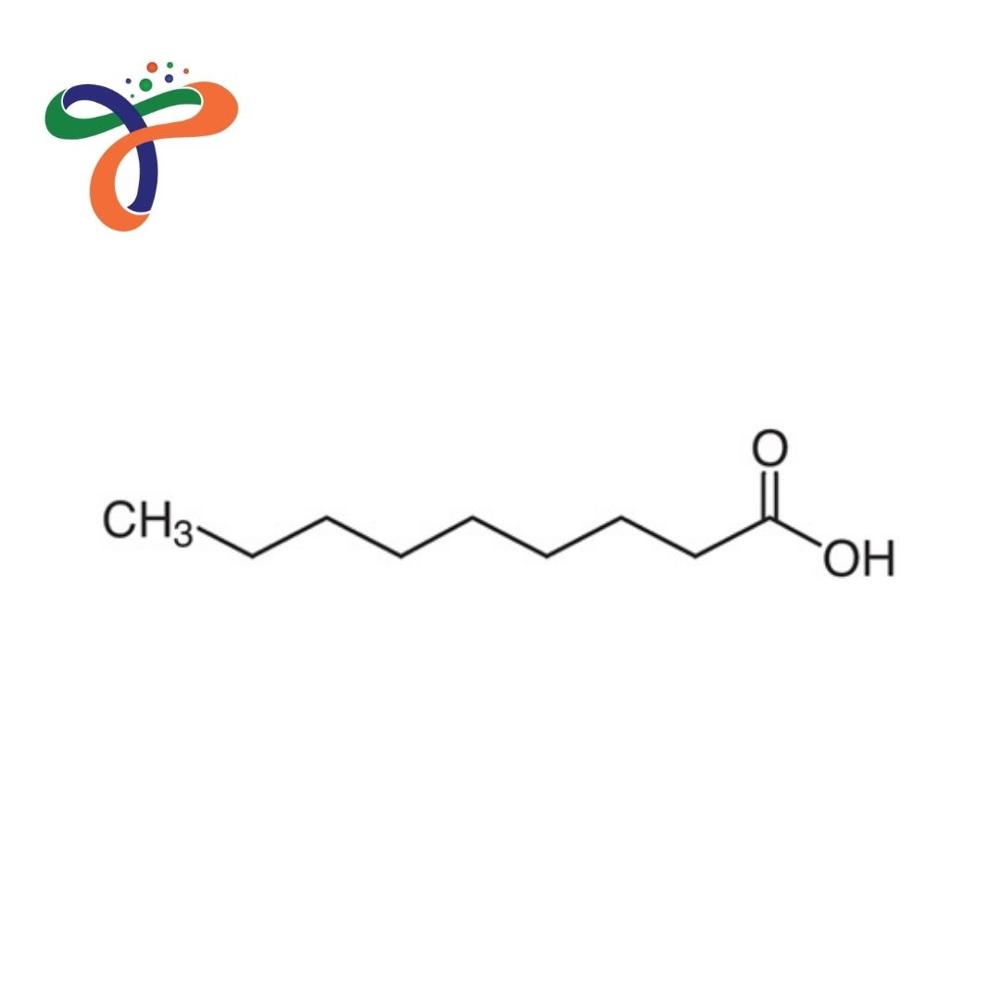
Pelargonic acid, also known as nonanoic acid (C9H18O2), is a straight-chain saturated fatty acid. It appears as a colorless to pale yellow oily liquid with a strong, unpleasant fatty odor. It is slightly soluble in water but readily soluble in organic solvents such as alcohol, ether, and hydrocarbons. The compound is chemically stable under normal conditions and is combustible in nature.
In terms of properties, pelargonic acid exhibits typical carboxylic acid behavior, forming esters, salts, and derivatives. It has a boiling point of around 253C and shows good hydrophobic characteristics due to its long hydrocarbon chain. It also has natural antimicrobial and herbicidal activity.
In terms of applications, pelargonic acid is widely used in agrochemicals as a non-selective contact herbicide for weed control. It is also used in the production of esters for fragrances and flavors in the perfume and cosmetic industry. Additionally, it finds application in lubricants, plasticizers, and corrosion inhibitors. In the pharmaceutical and chemical industries, it is used as an intermediate for synthesizing fine chemicals and specialty compounds. Its biodegradable nature makes it suitable for eco-friendly formulations.
Multifunctional Intermediate for Industrial ApplicationsPelargonic Acid is a vital raw material for manufacturing a range of esters, plasticizers, and specialty fragrances. Its role as an intermediate ensures production flexibility and efficiency in various chemical processes, making it a preferred choice for manufacturers of specialty chemicals.
Physical and Chemical PropertiesExhibiting a colorless to pale yellow appearance, Pelargonic Acid is an oily liquid at room temperature with a melting point of -4C. It possesses a refractive index of 1.44 and is insoluble in water but dissolves readily in alcohols and ethers. The substance is stable yet must be handled with care due to its corrosive nature.
FAQ's of Pelargonic Acid (112-05-0):
Q: How is Pelargonic Acid typically used in industrial applications?
A: Pelargonic Acid serves primarily as an intermediate for synthesizing esters, plasticizers, and fragrance compounds in the chemical industry. Its role facilitates the development of specialty chemicals with diverse applications.
Q: What are the handling and safety precautions when dealing with Pelargonic Acid?
A: Since Pelargonic Acid is both corrosive and irritating, strict handling protocols such as personal protective equipment and controlled environment use are essential, especially in industrial and agricultural processes.
Q: Where can Pelargonic Acid be sourced in India?
A: Pelargonic Acid can be obtained from reputed industrial chemical suppliers and manufacturers across India, who ensure high purity grades (98-99%) suitable for various industrial needs.
Q: What benefits does Pelargonic Acid offer as an intermediate in specialty chemicals?
A: Its high chemical stability, suitable purity levels, and ease of solubility in various organic solvents make Pelargonic Acid an effective building block for specialized esters, plasticizers, and perfumery applications.
Q: What is the process of using Pelargonic Acid in ester production?
A: In ester synthesis, Pelargonic Acid undergoes reaction with alcohols, typically in the presence of catalysts, to form esters that serve as solvents, plasticizers, or fragrance ingredients.
Q: When should Pelargonic Acid be considered over other carboxylic acids for industrial use?
A: Pelargonic Acid is preferred when a medium-chain, hydrophobic acid is needed for creating flexible, stable, and high-performance esters or plasticizers, particularly where solubility in organic solvents and resistance to hydrolysis are important factors.






 Send Inquiry
 Send Inquiry
 Send Inquiry
 English
 Spanish
 French
 German
 Italian
 Chinese (Simplified)
 Japanese
 Korean
 Arabic
 Portuguese